Bleisure Travel Surge 2026: 3 Effective Combination Strategies

The bleisure travel surge in 2026 highlights a growing preference among professionals to extend business trips for personal enjoyment, necessitating strategic planning to seamlessly integrate work and leisure for optimal benefits.
The travel landscape is continuously evolving, and by 2026, one trend stands out prominently: the bleisure travel strategies. This innovative approach to travel allows professionals to seamlessly combine business obligations with opportunities for personal exploration and relaxation. Once considered a niche concept, bleisure travel has now firmly established itself as a mainstream option, driven by a desire for greater work-life integration and the flexibility offered by remote work models. Understanding how to effectively navigate this surge is crucial for maximizing both professional productivity and personal well-being on the road.
Understanding the Bleisure Phenomenon in 2026
Bleisure travel, a portmanteau of business and leisure, represents a significant shift in how professionals approach their work-related trips. It’s no longer just about attending a conference or client meeting; it’s about extending that trip by a few days to explore the destination, engage in cultural activities, or simply unwind. This trend is fueled by several factors, including the increasing acceptance of remote work, technological advancements that facilitate work from anywhere, and a greater emphasis on employee well-being.
In 2026, the bleisure traveler is more discerning, seeking authentic experiences and personalized itineraries. They prioritize destinations that offer a rich blend of professional opportunities and leisure activities, from vibrant city centers with co-working spaces and cultural attractions to serene natural retreats ideal for digital detoxes. The economic benefits are also considerable, as employees often cover the leisure portion of their trip, reducing overall travel costs for companies while boosting local tourism economies.
The Evolution of Work-Life Integration
The lines between work and personal life have blurred considerably, and bleisure travel is a natural extension of this evolution. Professionals are actively seeking ways to integrate their personal interests with their professional responsibilities, leading to a more fulfilling and sustainable career path. This integration is not just about convenience; it’s about mental health and preventing burnout.
- Increased Productivity: Studies show that travelers who combine business and leisure often return to work feeling refreshed and more focused.
- Enhanced Job Satisfaction: The ability to explore new places and cultures while on a business trip can significantly boost morale.
- Cost-Effectiveness: Employees often cover their leisure expenses, making the overall trip more affordable for employers.
- Personal Growth: Exposure to new environments and experiences fosters personal development and broadens perspectives.
The bleisure phenomenon is not just a passing fad; it’s a fundamental change in travel behavior, reflecting a deeper desire for balance and enrichment in professional lives. As we move further into 2026, understanding and adapting to this trend will be key for both individuals and organizations.
Strategy 1: Pre-Planned Extension for Maximum Enjoyment
One of the most effective bleisure travel strategies is to meticulously plan your leisure extension before your business trip even begins. This proactive approach ensures that you can seamlessly transition from work mode to vacation mode without the stress of last-minute arrangements. By 2026, travel platforms and corporate policies are increasingly accommodating this integrated planning, making it easier than ever to schedule your ideal bleisure experience.
Starting with a clear understanding of your business itinerary is crucial. Identify the core dates of your meetings, conferences, or client engagements. Then, look for opportunities to add a few days before or after these commitments. Many bleisure travelers find that extending their stay over a weekend is the most practical option, allowing for a full two days of leisure without significantly impacting work schedules.
Researching Your Leisure Options Early
Once you have your extended dates, dive into researching your destination’s leisure offerings. Consider what truly interests you: historical sites, culinary tours, outdoor adventures, or simply relaxing by a pool. By planning this in advance, you can secure better deals on accommodations, activities, and transportation, which can often be more expensive if booked last minute.
- Accommodation Blending: Look for hotels or serviced apartments that offer both business-friendly amenities (e.g., strong Wi-Fi, meeting rooms) and leisure facilities (e.g., spa, pool, proximity to attractions).
- Activity Pre-booking: Many popular tours and attractions, especially in 2026, require advance booking. Secure your spots to avoid disappointment.
- Transportation Logistics: Plan your local transportation for both business and leisure segments. Consider ride-sharing, public transport passes, or rental cars depending on your needs.
- Budget Allocation: Clearly separate your business and leisure budgets. This helps in expense reporting and ensures you don’t overspend on personal activities.
The key to pre-planned extension is organization. By handling all the logistics upfront, you can fully immerse yourself in both your work and your leisure activities, making for a truly rewarding bleisure experience. This strategy minimizes potential conflicts and maximizes the enjoyment derived from both components of your trip.
Strategy 2: Optimized On-Site Integration of Work and Play
Beyond simply extending a trip, another powerful bleisure travel strategy involves integrating work and leisure activities throughout your stay. This isn’t about working during your vacation days, but rather about finding opportunities to weave in personal enjoyment during your business days in a way that enhances your overall experience. With advancements in mobile technology and flexible work arrangements, this integration is more feasible than ever in 2026.
Consider your daily schedule while on a business trip. Are there early mornings or late afternoons where you could explore a local park, visit a museum, or enjoy a unique culinary experience? Many business districts are now designed to offer convenient access to cultural attractions and vibrant dining scenes, making it easier to step away from work for a short period and recharge.
Leveraging Technology for Seamless Transition
Technology plays a pivotal role in enabling on-site integration. High-speed internet access, cloud-based collaboration tools, and advanced communication platforms mean that many tasks can be performed efficiently from various locations. This flexibility allows you to adapt your work schedule around leisure opportunities, rather than the other way around.
- Mobile Workstations: Utilize lightweight laptops, tablets, and smartphones to work from cafes, hotel lobbies, or even scenic outdoor spots.
- Virtual Meetings: Schedule virtual meetings to maximize flexibility, reducing the need to be physically present in an office for extended periods.
- Productivity Apps: Use apps for time management, task organization, and communication to stay on top of your workload while balancing leisure.
- Local Information Apps: Download apps for local transportation, restaurant recommendations, and attraction guides to make spontaneous exploration easier.
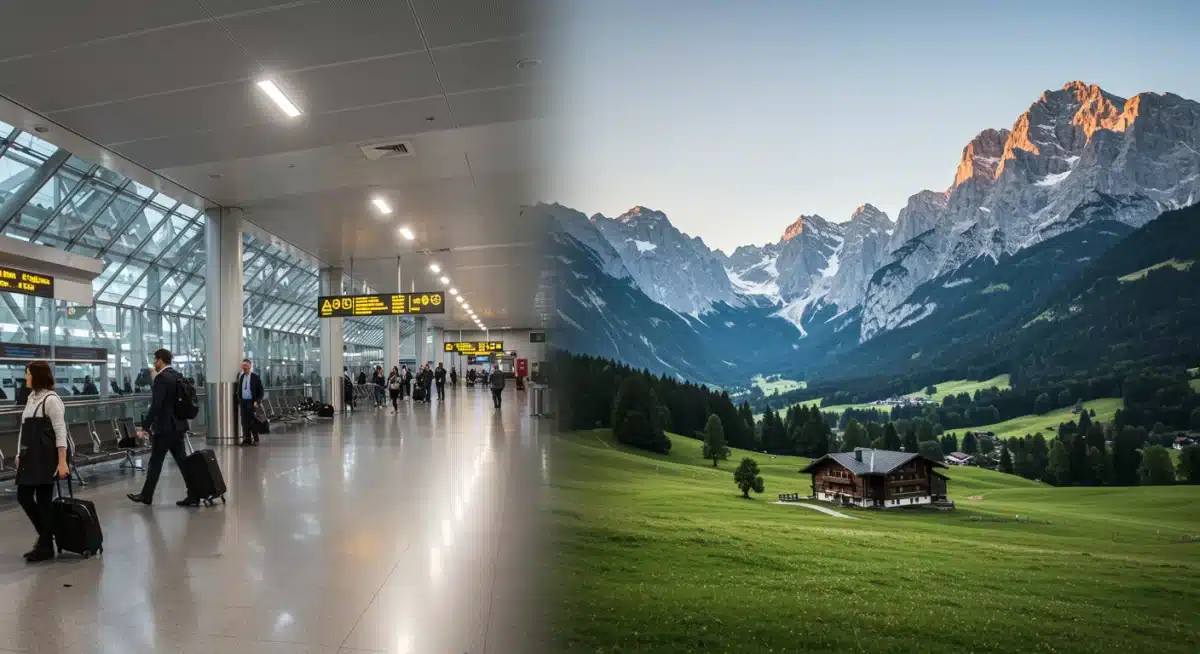
The goal is to avoid feeling like you’re constantly working or constantly on vacation, but rather to create a harmonious blend where both aspects complement each other. This approach can lead to a more balanced and less stressful travel experience, allowing you to return home feeling accomplished both professionally and personally.
Strategy 3: Maximizing Local Experiences and Cultural Immersion
The third crucial bleisure travel strategy focuses on deeply engaging with the local culture and environment of your business destination. In 2026, travelers are increasingly seeking authentic experiences over generic tourist traps. This strategy encourages you to look beyond the typical tourist itinerary and immerse yourself in the unique character of the place you’re visiting, even if your time is limited.
This approach transforms a simple business trip into an enriching cultural journey. Instead of just dining at your hotel, seek out local eateries that offer traditional cuisine. Instead of staying within conference walls, take a walk through local neighborhoods, visit markets, or attend a local event. These small acts of immersion can profoundly enhance your travel experience and provide valuable insights into different ways of life.
Engaging with the Community and Environment
Authentic cultural immersion often involves interacting with local people and understanding their customs. This can be as simple as striking up a conversation with a shopkeeper or participating in a community-led tour. Many destinations now offer specialized tours that highlight local crafts, history, or social initiatives, providing a deeper connection to the place.
- Local Cuisine Exploration: Venture beyond hotel restaurants to sample authentic local dishes. Consider cooking classes for a hands-on experience.
- Cultural Site Visits: Prioritize visiting historical landmarks, art galleries, and museums that reflect the local heritage.
- Outdoor Activities: If the destination offers natural beauty, incorporate activities like hiking, cycling, or spending time in local parks.
- Community Engagement: Look for opportunities to support local businesses or engage in responsible tourism initiatives.
By consciously seeking out these local experiences, you not only enrich your personal journey but also gain a broader perspective that can inform your professional life. This strategy ensures that your bleisure trip is not just a break from work, but a genuine opportunity for personal and cultural growth, making each trip a memorable adventure.
Leveraging Company Policies and Travel Programs
As bleisure travel gains traction, many companies are adapting their policies to support this trend. By 2026, it’s common for organizations to have specific guidelines or even dedicated programs that facilitate combining business and leisure. Understanding and utilizing these resources can significantly streamline your bleisure planning and execution.
Before planning your trip, always consult your company’s travel policy. Look for details regarding expense guidelines for extended stays, approved leisure activities, and any specific booking procedures. Some companies might have preferred travel agencies or platforms that offer bleisure-friendly packages, potentially including discounts on hotels or attractions for the leisure portion of your trip.
Negotiating Flexibility with Your Employer
If your company’s policy isn’t explicitly bleisure-friendly, it might be worth initiating a conversation with your manager or HR department. Highlighting the benefits of bleisure travel, such as increased employee well-being, reduced burnout, and enhanced productivity, can often open doors to more flexible arrangements. Frame it as a win-win situation where both you and the company benefit.
- Expense Separation: Clarify how personal expenses will be differentiated from business expenses for reimbursement purposes.
- Time Off Approval: Ensure your leisure days are properly approved as vacation time or personal leave.
- Insurance Coverage: Verify that your travel insurance covers both the business and leisure segments of your trip.
- Remote Work Capabilities: Discuss remote work expectations during your leisure extension, if applicable.
Proactive communication and adherence to company guidelines are paramount. By responsibly engaging with your employer and leveraging available resources, you can ensure a smooth and compliant bleisure experience that benefits all parties involved. This strategic approach helps to normalize bleisure travel within the corporate structure.
Technological Innovations Supporting Bleisure in 2026
The bleisure travel surge in 2026 is undoubtedly propelled by rapid technological advancements. From AI-powered travel planners to sophisticated communication tools, technology has made it easier than ever to manage both work and leisure on the go. These innovations are not just about convenience; they are about creating a more personalized, efficient, and enjoyable bleisure experience.
Consider the rise of smart travel apps that can dynamically adjust your itinerary based on real-time traffic, weather, or event schedules. Virtual reality (VR) and augmented reality (AR) are also beginning to play a role, allowing travelers to preview destinations and activities before booking, ensuring their leisure choices perfectly align with their interests. The integration of IoT devices in hotels means a more personalized stay, with smart rooms adapting to your preferences.
Essential Tech Tools for the Modern Bleisure Traveler
For the bleisure traveler of 2026, a toolkit of essential technologies is indispensable. These tools facilitate seamless transitions between work tasks and leisure pursuits, ensuring that productivity is maintained while maximizing relaxation and exploration.
- AI-Powered Itinerary Planners: Utilize platforms that suggest personalized activities and optimize schedules based on your preferences and business commitments.
- Advanced Connectivity Solutions: Invest in portable Wi-Fi devices or eSIMs that guarantee reliable internet access anywhere, crucial for remote work.
- Cloud-Based Collaboration Platforms: Leverage tools like Microsoft Teams, Slack, or Google Workspace for seamless team communication and document sharing.
- Digital Payment and Expense Tracking: Use apps for managing foreign currencies, making contactless payments, and easily tracking business and personal expenses.
These technological innovations empower bleisure travelers to maintain their professional responsibilities with ease, freeing up valuable time and mental space to fully enjoy their leisure activities. The synergy between technology and travel continues to evolve, making bleisure an increasingly accessible and attractive option for professionals worldwide.
Future Outlook: Bleisure Travel Beyond 2026
Looking beyond 2026, the bleisure travel trend is poised for continued growth and innovation. The foundational shifts in work culture, coupled with ongoing technological advancements, suggest that bleisure will not only remain relevant but will likely become an even more integrated part of professional life. The emphasis will continue to be on flexibility, personalization, and sustainability, shaping how individuals and organizations approach business travel.
Expect to see more specialized bleisure packages offered by travel providers, catering to diverse interests from adventure tourism to wellness retreats. Corporate travel policies will likely become even more accommodating, recognizing the tangible benefits of a well-rested and culturally enriched workforce. The rise of ‘workation’ hubs in desirable destinations will also contribute to this expansion, providing dedicated spaces where professionals can efficiently blend work and leisure in inspiring environments.
Sustainable Bleisure and Community Impact
As conscious travel gains prominence, the future of bleisure will also see a stronger focus on sustainability and positive community impact. Travelers will increasingly seek out options that minimize their environmental footprint and contribute positively to local economies. This could involve choosing eco-friendly accommodations, participating in voluntourism activities, or supporting local, ethical businesses during their leisure extensions.
- Eco-conscious Travel: A preference for destinations and providers committed to sustainable practices.
- Local Economic Support: Greater emphasis on spending leisure funds with small, local businesses.
- Voluntourism Opportunities: Integrating short volunteer experiences into leisure extensions.
- Digital Nomad Integration: Blending bleisure with long-term digital nomad lifestyles in specific hubs.
The future of bleisure travel is bright, promising a more balanced, enriching, and responsible way for professionals to navigate their careers while exploring the world. It represents a progressive vision of work-life harmony, where travel is not just a means to an end, but an integral part of personal and professional development.
| Key Strategy | Brief Description |
|---|---|
| Pre-Planned Extension | Extend business trips with pre-booked leisure days to maximize relaxation and exploration. |
| Optimized On-Site Integration | Weave in short leisure activities during business days, leveraging technology for flexibility. |
| Maximizing Local Experiences | Engage deeply with local culture, cuisine, and community for authentic, enriching experiences. |
| Leveraging Company Policies | Understand and utilize corporate travel policies to facilitate seamless bleisure arrangements. |
Frequently Asked Questions About Bleisure Travel in 2026
Bleisure travel combines business trips with leisure activities, allowing professionals to extend their work-related travel for personal enjoyment. It’s a growing trend driven by increased remote work flexibility and a desire for better work-life balance, commonly involving adding a few personal days to a business trip.
Highlight the benefits: increased employee well-being, reduced burnout, and enhanced productivity. Emphasize that you will cover personal expenses and maintain professional responsibilities. Propose a clear plan detailing how you will manage both aspects, aligning with any existing company policies.
Destinations with strong business infrastructure and rich cultural or natural attractions are ideal. Major cities like New York, London, and Tokyo, alongside emerging hubs with vibrant co-working scenes and nearby natural beauty, are popular choices for bleisure travelers seeking diverse experiences.
Maintain clear separation between business and personal expenses. Use expense tracking apps, keep meticulous records, and clarify reimbursement policies with your employer beforehand. Many companies require separate bookings or clear distinctions for the leisure portion of the trip.
Technology is crucial for seamless bleisure. High-speed internet, cloud-based tools, AI-powered travel planners, and communication apps enable remote work flexibility and efficient itinerary management. These tools help travelers stay productive while maximizing their leisure time and experiences.
Conclusion
The bleisure travel surge in 2026 underscores a transformative period in how professionals view and execute their travel. By strategically planning extensions, integrating work and play on-site, and immersing oneself in local cultures, travelers can unlock unparalleled benefits. These practical strategies, combined with leveraging company policies and technological advancements, empower individuals to achieve a harmonious blend of professional success and personal enrichment. Bleisure is more than a trend; it’s a smart, sustainable approach to modern work-life integration that will continue to shape the future of travel.