Workforce Evolution: U.S. Travel Industry’s 2026 Labor Shortage Solutions

The U.S. travel industry faces a critical labor shortage by 2026, demanding innovative solutions like technology integration, enhanced talent pipelines, flexible work arrangements, and robust employer branding to ensure sustained growth and service excellence.
The U.S. travel industry, a cornerstone of the nation’s economy and cultural landscape, is bracing for a significant challenge: a persistent labor shortage projected to intensify by 2026. This isn’t merely a cyclical downturn; it represents a fundamental shift in workforce dynamics that demands proactive, innovative strategies. How will the industry navigate this evolving landscape and ensure its continued vibrancy?
This article delves into the critical issue of Workforce Evolution: Addressing the U.S. Travel Industry’s Labor Shortage with 4 Innovative Solutions for 2026. We’ll explore the underlying causes of this impending crisis and, more importantly, present actionable, forward-thinking solutions designed to rebuild, re-skill, and retain the talent vital for the industry’s future success.
Understanding the Looming Labor Shortage
The U.S. travel industry has always been dynamic, but the challenges of recent years have exacerbated long-standing issues, pushing the sector towards a critical labor deficit. The exodus of experienced workers, coupled with shifting perceptions of industry careers, has created a formidable gap that traditional recruitment methods alone cannot bridge. Understanding the multifaceted nature of this shortage is the first step toward effective mitigation.
This isn’t just about filling vacancies; it’s about reimagining the very structure of work within travel and hospitality. The industry needs to adapt to a new generation of workers with different expectations and priorities, while simultaneously building resilience against future disruptions. The urgency of this situation cannot be overstated, as the quality of traveler experience directly correlates with the availability of a skilled and motivated workforce.
The Post-Pandemic Reshuffle
The COVID-19 pandemic acted as a catalyst, accelerating trends that were already emerging. Many workers, particularly in frontline service roles, sought opportunities in other sectors offering perceived better stability, benefits, or work-life balance. The return to travel has been robust, but the workforce has not rebounded at the same pace, leaving businesses struggling to meet demand.
- Wage Stagnation: For years, wages in certain travel segments lagged behind other industries, making them less attractive.
- Burnout and Stress: High-pressure environments and irregular hours contributed to significant employee burnout.
- Perception of Instability: The pandemic highlighted the vulnerability of travel jobs, leading many to seek more secure employment.
Demographic Shifts and New Expectations
Beyond the immediate impacts, broader demographic changes are also influencing the labor pool. Younger generations entering the workforce prioritize flexibility, purpose-driven work, and opportunities for growth in ways that older generations might not have. The travel industry must align its offerings with these evolving expectations to attract and retain new talent.
This involves more than just competitive salaries; it requires a holistic approach to employee well-being, professional development, and fostering an inclusive work culture. Companies that fail to recognize these shifts risk continuous struggles in recruitment and retention.
The confluence of these factors paints a clear picture: the U.S. travel industry’s labor shortage is a complex issue demanding innovative, integrated solutions. Merely reverting to pre-pandemic strategies will prove insufficient for the challenges of 2026 and beyond. A transformative approach is essential to ensure the industry’s long-term health and vitality.
Solution 1: Embracing Technology and Automation
One of the most immediate and impactful strategies for addressing the labor shortage is the strategic integration of technology and automation. This isn’t about replacing human workers entirely, but rather augmenting their capabilities, streamlining operations, and freeing up staff to focus on more complex, high-value tasks that enhance the guest experience. By leveraging smart tech, businesses can optimize their existing workforce and reduce the reliance on sheer numbers of employees.
The widespread adoption of innovative technologies across various touchpoints, from booking to in-destination services, promises to redefine efficiency. This shift allows human employees to pivot from repetitive, manual chores to roles that demand empathy, critical thinking, and personalized interaction, ultimately elevating the perceived value of human-led services within the industry. It’s a strategic reallocation of human capital, not an elimination.
AI-Powered Customer Service and Booking
Artificial intelligence and machine learning are revolutionizing how travel businesses interact with customers. Chatbots and virtual assistants can handle routine inquiries, provide instant booking support, and even offer personalized recommendations 24/7. This reduces the burden on human customer service agents, allowing them to address more complex issues and provide a higher level of personalized care.
- Streamlined Operations: AI can manage reservations, check-ins, and provide information efficiently, reducing manual workload.
- Personalized Experiences: Machine learning algorithms analyze customer data to offer tailored recommendations and services.
- Reduced Wait Times: Instant responses from AI improve customer satisfaction and reduce frustration.
Robotics and Automation in Operations
Beyond customer-facing roles, robotics and automation are finding their place in back-of-house operations. Hotels are deploying robots for tasks like luggage delivery, cleaning, and even food preparation. Airports are utilizing automated security checkpoints and baggage handling systems. These technologies can perform repetitive, physically demanding, or time-consuming tasks, improving efficiency and reducing the need for extensive human labor in those specific areas.
This allows existing staff to be redeployed to roles that require human ingenuity, problem-solving, and emotional intelligence, which are irreplaceable. The goal is to create a more efficient and less labor-intensive operational model, making the industry more sustainable in the face of workforce challenges. The strategic implementation of these tools ensures a smoother flow of service delivery, even with a leaner staff.
Ultimately, technology and automation are not just cost-cutting measures; they are essential tools for resilience and innovation in the face of a shrinking labor pool. By embracing these advancements, the U.S. travel industry can maintain high service standards, optimize resource allocation, and create more appealing job roles for its human workforce.
Solution 2: Reimagining Talent Development and Training
The traditional pathways into the travel industry are no longer sufficient to meet the demands of 2026. A fundamental rethinking of talent development and training is crucial to attract new entrants, upskill existing employees, and create a robust, adaptable workforce. This involves fostering a culture of continuous learning and investing in programs that equip individuals with both technical and soft skills relevant to the evolving industry landscape.
Developing strong partnerships between educational institutions, industry associations, and individual businesses will be key. These collaborations can ensure that training programs are aligned with current and future industry needs, creating a direct pipeline of skilled talent ready to contribute. It’s about building a sustainable ecosystem for workforce growth.
Apprenticeships and Vocational Programs
Moving away from solely relying on four-year degrees, the industry must champion apprenticeships and vocational training programs. These schemes offer hands-on experience, direct mentorship, and often lead to certifications that are immediately applicable. They provide a practical, debt-free pathway into well-paying careers, appealing to a broader demographic of potential employees.
- Practical Skill Acquisition: Apprentices learn on the job, gaining relevant skills from day one.
- Reduced Barriers to Entry: Vocational programs are often more accessible and affordable than traditional higher education.
- Industry-Specific Certifications: These programs can lead to recognized credentials, boosting career prospects.
Upskilling and Reskilling Existing Staff
Retaining experienced employees is just as important as attracting new ones. Investing in upskilling and reskilling initiatives for current staff can enhance their capabilities, increase job satisfaction, and open new career trajectories within the company. This could involve training in new technologies, advanced customer service techniques, or leadership development. Empowering employees with new skills makes them more valuable and reduces turnover.
Such investment signals to employees that they are valued and that their growth is a priority. This, in turn, fosters loyalty and creates a more engaged workforce, critical for delivering exceptional service. Continuous learning becomes a cornerstone of career progression, making the travel industry a more attractive long-term career choice.
By strategically rethinking talent development, the U.S. travel industry can cultivate a highly skilled and motivated workforce capable of adapting to future challenges. This long-term investment in human capital will be instrumental in addressing the labor shortage and ensuring sustainable growth.
Solution 3: Implementing Flexible Work Models
The traditional 9-to-5, on-site work model is increasingly outdated, especially for a new generation of workers who prioritize work-life balance and autonomy. To compete for talent, the U.S. travel industry must embrace greater flexibility in its work models. This isn’t a one-size-fits-all solution but involves exploring a range of options that cater to diverse employee needs while maintaining operational efficiency and service quality.
Flexible work arrangements can significantly broaden the talent pool, attracting individuals who might otherwise be unable to commit to rigid schedules due to family responsibilities, educational pursuits, or personal preferences. It’s about creating an inclusive environment where talent can thrive on their own terms, leading to higher job satisfaction and reduced attrition.
Remote and Hybrid Work Opportunities
While many roles in travel require a physical presence, a surprising number can be adapted for remote or hybrid work. Positions in reservations, marketing, IT, finance, and even some customer support functions can be performed effectively from outside a traditional office. Offering these options can attract talent from a wider geographic area and reduce operational overhead.
- Expanded Talent Pool: Access to candidates beyond immediate geographical constraints.
- Improved Work-Life Balance: Flexibility for employees to manage personal commitments.
- Reduced Commute Stress: Contributes to overall employee well-being and productivity.
Flexible Scheduling and Gig Economy Integration
For roles that require on-site presence, flexible scheduling can make a significant difference. This includes offering part-time positions, compressed workweeks, and customizable shifts that accommodate individual preferences. Furthermore, the industry can strategically integrate gig economy models for certain tasks, utilizing freelancers or temporary workers for peak periods or specialized projects.
This agile approach allows businesses to scale their workforce up or down as needed, responding to fluctuations in demand without the overhead of full-time hires. It also provides opportunities for individuals seeking supplemental income or those who prefer project-based work, further diversifying the talent pool. The key is to find the right balance between flexibility for employees and consistent service delivery for customers.
By adopting flexible work models, the U.S. travel industry can become a more attractive employer, better equipped to recruit and retain talent in a competitive labor market. This adaptability will be a defining characteristic of successful travel businesses in 2026 and beyond.
Solution 4: Strengthening Employer Branding and Culture
In a competitive labor market, simply having job openings isn’t enough; companies must actively cultivate and communicate a compelling employer brand. This involves showcasing what makes an organization a desirable place to work, highlighting its values, culture, and opportunities for growth. A strong employer brand acts as a magnet, attracting top talent and fostering loyalty among existing employees.
This isn’t just about marketing; it’s about authentic representation of the employee experience. Businesses need to ensure that their internal culture genuinely reflects the positive image they project externally. Discrepancies can lead to rapid disillusionment and high turnover, undermining any recruitment efforts.
Highlighting Career Pathways and Growth
Many potential employees perceive travel industry jobs as temporary or lacking clear career progression. Businesses need to actively dispel this myth by illustrating diverse career pathways, opportunities for advancement, and professional development programs. Showcasing success stories and providing clear roadmaps for growth can inspire confidence and attract ambitious individuals.
- Clear Advancement Tracks: Publish internal career ladders and promotion opportunities.
- Mentorship Programs: Connect new hires with experienced professionals for guidance.
- Leadership Development: Invest in training programs to cultivate future leaders from within.
Fostering a Positive and Inclusive Workplace
A positive and inclusive workplace culture is paramount for retention. This means prioritizing employee well-being, recognizing contributions, fostering open communication, and ensuring diversity, equity, and inclusion are embedded in the company’s DNA. Employees who feel valued, respected, and part of a supportive community are far more likely to stay and become advocates for their employer.
Creating such an environment requires consistent effort from leadership, regular feedback mechanisms, and a commitment to addressing employee concerns. When employees feel heard and supported, their engagement and productivity naturally increase, contributing to a more resilient and attractive organization. This commitment to a progressive culture is a powerful differentiator in the quest for talent.
By investing in a strong employer brand and nurturing a positive, inclusive culture, U.S. travel businesses can not only attract the talent needed to overcome the 2026 labor shortage but also build a resilient and thriving workforce for the long term. This strategic focus on people will be a cornerstone of future success.
The Role of Government and Industry Collaboration
Addressing a challenge as significant as the U.S. travel industry’s labor shortage by 2026 cannot be achieved by individual businesses alone. It requires a concerted, collaborative effort involving government agencies, industry associations, educational institutions, and private sector companies. This collective approach can amplify the impact of individual solutions and create a more supportive ecosystem for workforce development.
Government policies can play a crucial role in facilitating talent pipelines through funding for vocational training, tax incentives for companies investing in employee development, and streamlining immigration processes for specialized roles. Industry associations, on the other hand, can act as conveners, bringing stakeholders together to share best practices, develop common standards, and advocate for the sector’s needs at a policy level.
Policy Advocacy and Support
Industry leaders must actively engage with policymakers to advocate for supportive legislation. This includes pushing for funding allocated to tourism-specific training programs, exploring visa reforms that address temporary labor needs, and promoting the travel industry as a viable and attractive career path at a national level. Consistent advocacy ensures that the sector’s unique workforce challenges are recognized and addressed in broader economic strategies.
- Funding for Training: Secure government grants for skill-building initiatives.
- Immigration Reform: Advocate for policies that address seasonal and specialized labor gaps.
- Public Awareness Campaigns: Promote travel careers through national initiatives.
Cross-Sector Partnerships
Collaboration should extend beyond the immediate travel ecosystem. Partnerships with technology companies can accelerate the adoption of innovative solutions, while alliances with workforce development boards can help tailor training to local labor market needs. Sharing resources, knowledge, and best practices across different sectors can unlock new opportunities and efficiencies.
Educational institutions are pivotal in this collaboration, ensuring curricula are updated to reflect industry demands and preparing students with relevant skills. These integrated partnerships create a more resilient and responsive workforce development infrastructure, benefiting both the industry and the broader economy. The strength of this collective action will determine the success of overcoming the labor deficit.
By fostering strong collaboration between all stakeholders, the U.S. travel industry can build a unified front against the labor shortage. This synergistic approach will create a more sustainable and attractive environment for both employers and employees, ensuring the industry’s long-term prosperity.
Measuring Impact and Adapting Strategies
Implementing innovative solutions is only half the battle; the other half involves continuously measuring their impact and adapting strategies based on real-world data and feedback. The U.S. travel industry’s labor landscape is dynamic, and what works today might need refinement tomorrow. A commitment to iterative improvement and data-driven decision-making is essential for long-term success in addressing the workforce shortage by 2026.
Establishing clear key performance indicators (KPIs) related to recruitment, retention, employee satisfaction, and operational efficiency will provide valuable insights into the effectiveness of implemented solutions. This analytical approach allows businesses to identify what is working well, pinpoint areas for improvement, and allocate resources more effectively.
Key Performance Indicators for Workforce Health
Tracking specific metrics can provide a holistic view of workforce health. These include employee turnover rates, time-to-hire, employee engagement scores, and the average tenure of staff. Monitoring these KPIs over time will reveal trends and allow for timely interventions, ensuring that the strategies remain relevant and effective. Regularly reviewing these metrics is critical for accountability and strategic adjustments.
- Turnover Rate: A crucial indicator of employee satisfaction and retention effectiveness.
- Employee Engagement: Surveys and feedback mechanisms to gauge morale and commitment.
- Productivity Metrics: Assessing how efficiently the current workforce operates with new tools and training.
Feedback Loops and Continuous Improvement
Creating robust feedback loops—from employees, management, and even customers—is vital. Regular surveys, focus groups, and one-on-one discussions can uncover pain points and suggest improvements that might not be apparent from quantitative data alone. This qualitative feedback, combined with quantitative analysis, forms a powerful basis for continuous improvement.
Furthermore, the industry must remain agile and willing to pivot. The workforce of 2026 will continue to evolve, influenced by technological advancements, economic shifts, and changing societal values. Therefore, strategies must be flexible enough to incorporate new insights and adapt to unforeseen circumstances. This proactive adaptability is the hallmark of resilient organizations.
By systematically measuring impact and maintaining an open, adaptive approach, the U.S. travel industry can ensure its workforce solutions remain effective and responsive to the evolving challenges of the labor market. This commitment to continuous improvement will be a significant factor in securing a thriving and sustainable future for the sector.
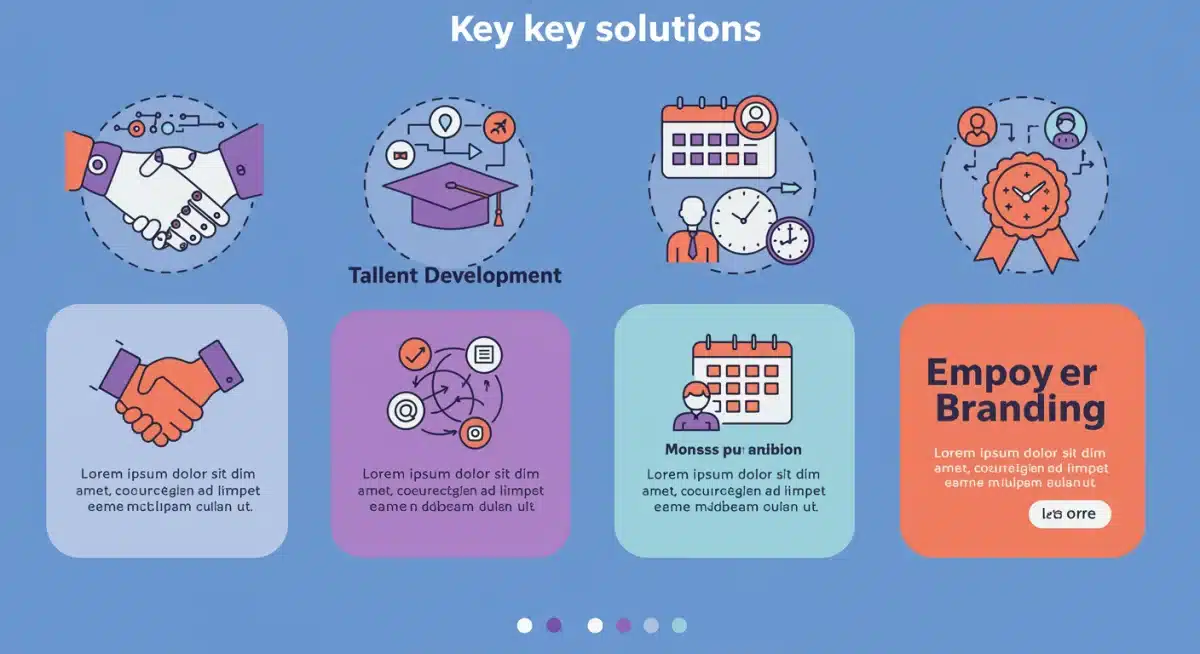
| Key Solution | Brief Description |
|---|---|
| Technology & Automation | Integrate AI and robotics to streamline operations and augment human capabilities. |
| Talent Development | Invest in apprenticeships, vocational programs, and upskilling for existing staff. |
| Flexible Work Models | Offer remote/hybrid options and flexible scheduling to attract diverse talent. |
| Employer Branding | Cultivate a positive culture and highlight career pathways to attract and retain. |
Frequently Asked Questions About Travel Industry Workforce
The shortage is driven by a combination of factors including post-pandemic workforce shifts, wage stagnation, high burnout rates, and evolving employee expectations regarding work-life balance and career growth. These elements collectively contribute to a smaller and more selective talent pool.
Technology, like AI-powered customer service and operational robotics, can automate repetitive tasks, improve efficiency, and augment human capabilities. This allows existing staff to focus on higher-value, guest-centric roles, optimizing the workforce and reducing the need for extensive manual labor.
Flexible work models, including remote/hybrid positions and adaptable scheduling, significantly broaden the talent pool. They cater to diverse employee needs, such as family responsibilities or personal commitments, making the travel industry a more appealing and accessible career choice for a wider range of individuals.
Strong employer branding is crucial because it actively showcases an organization’s values, culture, and growth opportunities. It attracts top talent by demonstrating a positive and supportive work environment, helping companies stand out in a highly competitive labor market and fostering long-term employee loyalty.
Long-term effectiveness requires continuous measurement of impact through KPIs like turnover rates and engagement scores, coupled with robust feedback loops. An adaptive approach, willing to refine strategies based on data and evolving workforce needs, is essential to sustain progress and address future challenges effectively.
Conclusion
The U.S. travel industry stands at a pivotal juncture, facing a significant labor shortage that demands innovative, multi-faceted solutions by 2026. The strategies outlined – embracing technology, reimagining talent development, implementing flexible work models, and strengthening employer branding – are not isolated fixes but interconnected pillars supporting a resilient and thriving future. By proactively investing in these areas, fostering strong collaborations, and maintaining an adaptive approach, the industry can overcome its current workforce challenges. The journey ahead requires foresight, commitment, and a willingness to evolve, ultimately ensuring that the U.S. travel sector continues to offer unparalleled experiences and opportunities for generations to come. The future of travel depends on how effectively we nurture and empower its most valuable asset: its people.