Sustainable Accommodation 2026: Comparing 4 Top U.S. Hotel Certifications
Sustainable Accommodation 2026: Comparing 4 Top U.S. Hotel Certifications
The hospitality industry is undergoing a profound transformation, driven by growing consumer awareness and regulatory pressures towards environmental responsibility. As we look towards 2026, sustainable practices are no longer a niche offering but a fundamental expectation for many travelers and a strategic imperative for hotels and lodges. Achieving a recognized sustainable hotel certification is a powerful way for properties to demonstrate their commitment, gain a competitive edge, and contribute positively to the planet. But with a plethora of programs available, how do U.S. hotels and lodges choose the right one?
This comprehensive guide delves into four prominent sustainable hotel certification programs relevant to the U.S. market in 2026: Green Seal, LEED, EarthCheck, and the Global Sustainable Tourism Council (GSTC) Criteria. We will compare their methodologies, focus areas, benefits, and suitability for different types of accommodations, helping you make an informed decision on which certification aligns best with your property’s goals and values. Understanding these distinctions is crucial for any hotelier aiming to navigate the complex landscape of sustainable accommodation and genuinely make a difference.
The Growing Imperative for Sustainable Hotel Certifications
The global shift towards sustainability is undeniable, and the travel sector is at its forefront. Travelers are increasingly seeking eco-friendly options, willing to pay more for accommodations that can prove their green credentials. A recent study indicated that over 70% of travelers believe sustainable travel is important, with a significant percentage actively researching sustainable options before booking. This consumer demand, coupled with increasing pressure from investors, government regulations, and corporate social responsibility initiatives, makes sustainable hotel certifications an essential component of modern hospitality strategy.
Beyond market appeal, implementing sustainable practices can lead to significant operational cost savings. Energy efficiency, water conservation, waste reduction, and responsible sourcing can translate into substantial financial benefits over time. Moreover, a commitment to sustainability often fosters a more positive work environment, attracting and retaining talent who are passionate about making a difference. For U.S. hotels and lodges, embracing sustainable hotel certifications is not just about compliance or marketing; it’s about building a resilient, responsible, and profitable business for the future.
Defining Sustainable Accommodation: What Does it Truly Mean?
Before diving into specific certification programs, it’s vital to establish a clear understanding of what ‘sustainable accommodation’ entails. It’s more than just recycling bins or towel reuse programs. True sustainable accommodation encompasses a holistic approach to environmental, social, and economic responsibility. This includes:
- Environmental Performance: Minimizing negative impacts on the natural environment through efficient resource use (energy, water), waste management, pollution prevention, biodiversity conservation, and responsible land use.
- Social Responsibility: Contributing positively to local communities, respecting cultural heritage, ensuring fair labor practices, promoting local employment, and supporting local businesses.
- Economic Viability: Operating in a manner that is financially sound and contributes to the long-term economic well-being of the property and the local area, without compromising environmental or social integrity.
Certification programs serve as third-party verifiers, ensuring that properties meet predefined standards across these dimensions, providing credibility and transparency to both consumers and stakeholders. This independent validation is what distinguishes genuine sustainable efforts from mere ‘greenwashing’.
Green Seal Certification: A Deep Dive for U.S. Hotels
Green Seal is a non-profit organization that has been certifying products and services for environmental leadership since 1989. Their certification for hotels and lodging properties (GS-33) is widely recognized in the U.S. and focuses on a comprehensive set of environmental criteria, making it a strong contender for properties aiming for robust environmental performance. This certification is particularly effective for businesses looking to clearly communicate their commitment to reducing their environmental footprint.
Key Criteria and Focus Areas of Green Seal GS-33
The Green Seal GS-33 standard covers a broad spectrum of operational areas, ensuring a holistic approach to sustainability. Its criteria are regularly updated to reflect best practices and emerging technologies. Key areas include:
- Waste Management: Requirements for waste reduction, recycling programs (including hard-to-recycle items), composting, and proper disposal of hazardous waste.
- Energy Efficiency: Mandates for energy-efficient lighting, HVAC systems, appliances, and ongoing energy monitoring and management plans. This often involves significant investment but yields substantial long-term savings.
- Water Conservation: Standards for low-flow fixtures, water-efficient landscaping, linen and towel reuse programs, and water management plans.
- Chemical Use: Strict limitations and requirements for environmentally preferable cleaning products, paints, and other chemicals used on the property, protecting both guests and staff.
- Purchasing: Encourages the procurement of environmentally responsible products and services, including recycled content paper, sustainable food options, and durable goods.
- Environmental Management System: Requires properties to have a documented environmental policy, designate an environmental coordinator, and conduct regular performance reviews.
- Guest Engagement: Encourages communication with guests about the property’s environmental initiatives and opportunities for guests to participate in sustainable practices.
Benefits and Suitability for U.S. Hotels
The benefits of achieving Green Seal certification are multifaceted:
- Enhanced Brand Reputation: Green Seal is a highly respected and recognizable label, instantly communicating a strong environmental commitment to guests and stakeholders.
- Operational Cost Savings: Adherence to energy and water efficiency standards directly translates into reduced utility bills.
- Competitive Advantage: Differentiates the property in a crowded market, attracting eco-conscious travelers and corporate clients seeking sustainable options.
- Improved Employee Morale: Staff often take pride in working for an environmentally responsible organization.
- Risk Mitigation: Compliance with environmental regulations and proactive management reduces the risk of fines or negative publicity.
Green Seal is particularly suitable for hotels and lodges of all sizes in the U.S. that are committed to a rigorous, science-based approach to environmental performance. It’s an excellent choice for properties looking for a comprehensive environmental management framework and a widely recognized eco-label.
LEED Certification: Green Building Leadership in Hospitality
LEED (Leadership in Energy and Environmental Design) is the most widely used green building rating system in the world, developed by the U.S. Green Building Council (USGBC). While primarily focused on the design, construction, and operation of high-performance green buildings, LEED has specific applications for the hospitality sector, particularly for new constructions or major renovations. It represents a gold standard in green building practices.
LEED for Hospitality: Categories and Requirements
LEED certification for hotels typically falls under LEED for Building Design and Construction (BD+C) or LEED for Operations and Maintenance (O+M). The system awards points across several categories, with different levels of certification (Certified, Silver, Gold, Platinum) based on the number of points achieved:
- Sustainable Sites: Focuses on site selection, development density, brownfield redevelopment, alternative transportation, and stormwater management.
- Water Efficiency: Addresses indoor and outdoor water use reduction, including efficient landscaping and innovative wastewater technologies.
- Energy and Atmosphere: Emphasizes energy performance optimization, renewable energy, and refrigerant management. This is often a category where significant points can be earned.
- Materials and Resources: Encourages the use of recycled content, regionally sourced materials, sustainable forestry products, and effective waste management during construction and operation.
- Indoor Environmental Quality: Promotes good indoor air quality, thermal comfort, daylighting, and views, enhancing guest and staff well-being.
- Innovation in Design: Rewards projects for exemplary performance or innovative strategies not covered elsewhere.
- Regional Priority: Addresses specific environmental priorities relevant to the project’s geographic location.
When is LEED the Right Choice for Your U.S. Hotel?
LEED certification is particularly well-suited for:
- New Hotel Construction: It provides a robust framework for integrating green building principles from the ground up, leading to highly efficient and sustainable structures.
- Major Renovations: Hotels undergoing significant overhauls can leverage LEED to transform existing structures into high-performance green buildings.
- Properties Seeking High Visibility and Recognition: LEED is a globally recognized symbol of sustainability excellence in the built environment, offering significant prestige.
- Hotels with Strong Capital Investment Capacity: Achieving higher levels of LEED often requires substantial initial investment in green technologies and materials, though these typically offer excellent returns on investment over the building’s lifecycle.
While LEED’s primary focus is on the physical building, its operational and maintenance aspects complement other sustainable hotel certifications that focus more on day-to-day practices. For a hotel aiming to be a beacon of green architecture and design, LEED is an unparalleled choice among sustainable hotel certifications.

EarthCheck: Global Standards, Local Impact for U.S. Lodges
EarthCheck is a leading scientific benchmarking, certification, and advisory group for travel and tourism. Originating from Australia, it has a strong international presence and offers a rigorous, science-based program that helps properties measure and improve their environmental and social performance. EarthCheck is unique in its emphasis on continuous improvement and data-driven sustainability.
EarthCheck Benchmarking and Certification Process
EarthCheck’s approach is structured around a comprehensive framework that includes:
- Benchmarking: Properties collect and submit data on key performance indicators (KPIs) such as energy consumption, water usage, waste production, and community engagement. This data is then benchmarked against industry best practices and global averages, providing a clear understanding of the property’s current performance.
- Certification: After a successful benchmarking phase, properties can pursue certification. This involves an on-site audit by an independent third party to verify compliance with EarthCheck’s operational standards, which cover areas like environmental policy, water quality, energy management, waste management, and social responsibility.
- Continuous Improvement: EarthCheck emphasizes an annual cycle of benchmarking and reporting, encouraging properties to set targets and continuously improve their sustainability performance over time. This iterative process is a core strength of the program.
Benefits and Ideal Candidates for EarthCheck Certification
EarthCheck offers distinct advantages:
- Data-Driven Approach: Its reliance on scientific benchmarking provides properties with concrete data to track progress, identify areas for improvement, and quantify their environmental impact.
- Global Recognition: While strong internationally, EarthCheck is gaining traction in the U.S., offering a globally respected certification that resonates with international travelers.
- Operational Efficiency: The benchmarking process often reveals inefficiencies, leading to significant cost savings through optimized resource use.
- Holistic Sustainability: EarthCheck covers environmental, social, and economic indicators, providing a well-rounded approach to sustainability.
- Strong for Resorts and Larger Properties: Its detailed data collection and management requirements make it particularly suitable for larger hotels, resorts, and integrated tourism developments that have the resources for robust data tracking.
For U.S. lodges and hotels that prioritize measurable results and continuous improvement in their sustainability journey, EarthCheck provides a robust and internationally recognized framework among sustainable hotel certifications.
GSTC Criteria: The Global Standard for Sustainable Tourism
The Global Sustainable Tourism Council (GSTC) is an independent and neutral organization that establishes and manages global sustainable tourism standards, known as the GSTC Criteria. Unlike Green Seal or EarthCheck, GSTC is not a direct certification body for individual hotels but rather sets the benchmark for sustainability in travel and tourism. Its criteria are used by certification bodies worldwide to develop their own specific standards, and by businesses as a guide for sustainable operations.
Understanding the GSTC Criteria for Hotels
The GSTC Criteria for Hotels are organized into four main pillars:
- A. Sustainable Management: Focuses on effective sustainable management planning, legal compliance, staff training, customer satisfaction, and communication of sustainability efforts.
- B. Social/Economic Impacts: Addresses local community benefits, fair labor practices, protection of cultural heritage, and prevention of exploitation.
- C. Cultural Heritage Impacts: Ensures respect for and conservation of local cultural heritage, including historical sites, traditions, and local communities.
- D. Environmental Impacts: Covers comprehensive environmental management, including resource conservation (energy, water), waste management, biodiversity conservation, and pollution control.
These criteria are designed to be universally applicable to all types of tourism businesses and destinations, providing a common language for sustainability. Many national and regional certification programs are recognized by GSTC, meaning they meet or exceed these global standards.
Advantages and Application for U.S. Hotels and Lodges
While GSTC does not directly certify hotels, understanding and aligning with its criteria offers significant benefits:
- Global Credibility: Adhering to GSTC-recognized standards provides a globally credible stamp of approval, appealing to international travelers and tour operators.
- Comprehensive Framework: The four pillars ensure a holistic approach to sustainability, covering environmental, social, and economic aspects equally.
- Flexibility: Hotels can choose a GSTC-recognized certification body that best suits their specific needs and regional context, knowing it meets international best practices.
- Future-Proofing: Aligning with global standards helps properties stay ahead of evolving sustainability expectations and regulations.
For U.S. hotels and lodges, the GSTC Criteria serve as an excellent guiding framework for developing or evaluating their own sustainability programs. Properties can seek certification from a GSTC-recognized body (e.g., specific regional programs) to ensure their practices meet these high global benchmarks. This makes it a foundational element for any property serious about achieving internationally recognized sustainable hotel certifications.
Comparative Analysis: Green Seal vs. LEED vs. EarthCheck vs. GSTC
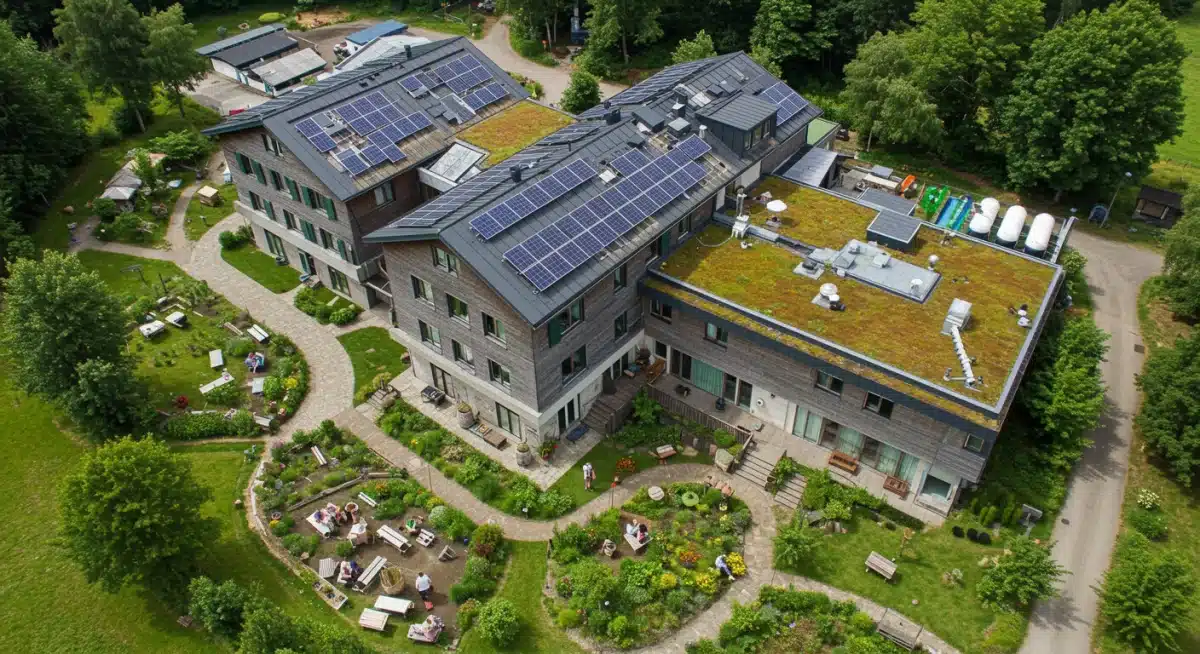
To summarize, let’s look at a comparative breakdown of these four programs, highlighting their key differentiators for U.S. hotels and lodges in 2026:
Focus and Scope
- Green Seal: Primarily an environmental performance certification for operations, products, and services. Strong focus on measurable environmental impact reduction.
- LEED: Green building certification, focused on the design, construction, and operation of sustainable buildings. Ideal for new builds and major renovations.
- EarthCheck: Science-based benchmarking and certification with a strong emphasis on continuous improvement, data measurement, and operational sustainability across environmental and social KPIs.
- GSTC Criteria: A global framework and benchmark for sustainable tourism. It doesn’t directly certify hotels but accredits other certification bodies that meet its standards. Provides a holistic definition of sustainability.
Applicability for U.S. Hotels and Lodges
- Green Seal: Excellent for all types of existing hotels and lodges seeking a comprehensive environmental operational certification.
- LEED: Best for new construction projects, significant renovations, or properties aiming for leadership in green building design and operation.
- EarthCheck: Suitable for properties of all sizes, but particularly beneficial for larger hotels and resorts that can manage detailed data collection and are committed to continuous, measurable improvement. Appeals to both domestic and international travelers.
- GSTC Criteria: Acts as a guiding principle. Hotels would seek certification from a GSTC-recognized program. Essential for properties aiming for globally recognized, holistic sustainability.
Key Strengths
- Green Seal: Strong U.S. recognition, robust environmental criteria, clear operational guidelines.
- LEED: Gold standard in green building, high visibility, significant energy and water savings from design.
- EarthCheck: Data-driven, continuous improvement model, strong international recognition, includes social and economic aspects.
- GSTC Criteria: Universal standard, holistic approach (environmental, social, cultural, management), provides credibility to other certifications.
Considerations and Challenges
- Green Seal: Requires ongoing commitment to environmental policies and practices; initial investment in upgrades may be needed.
- LEED: Can be complex and costly for existing buildings without major renovations; primarily building-focused, less on day-to-day guest experience beyond the built environment.
- EarthCheck: Requires robust data collection and management systems; annual benchmarking and certification process demands consistent effort.
- GSTC Criteria: Not a direct certification for hotels; requires selecting a separate GSTC-recognized certification body, which can vary in cost and scope.
Choosing the Right Sustainable Hotel Certification for Your Property
The decision of which sustainable hotel certification to pursue should be a strategic one, based on your property’s unique characteristics, goals, and resources. Here’s a framework to guide your choice:
- Assess Your Property’s Current State: Are you a new build or an existing property? What are your current sustainability practices? What is your budget for upgrades and recurring certification fees?
- Define Your Sustainability Goals: Are you primarily focused on environmental performance, green building design, holistic social and environmental impact, or global recognition?
- Understand Your Target Market: Who are your guests? Do they prioritize specific green credentials? Are you aiming for domestic or international travelers?
- Evaluate Resource Availability: Do you have the staff and systems in place to manage data collection, implement new policies, and undergo audits?
- Consider Regional Context: Are there strong local or state-level green tourism initiatives or incentives that might align with a specific certification?
For many U.S. hotels, a combination of approaches might be ideal. For instance, a new hotel might pursue LEED for its building design and then Green Seal for its operational excellence. Resorts with extensive grounds and diverse operations might find EarthCheck’s data-driven approach highly beneficial. For those seeking global alignment and a comprehensive sustainability ethos, choosing a GSTC-recognized certification program is the way forward.
Beyond Certification: Integrating Sustainability into Your DNA
While certifications are powerful tools, true sustainability goes beyond a plaque on the wall. It requires embedding environmental and social responsibility into every aspect of your hotel’s operations, culture, and guest experience. This includes:
- Employee Engagement: Training staff on sustainable practices and empowering them to be sustainability champions.
- Guest Education: Communicating your efforts and inviting guests to participate in green initiatives.
- Local Community Partnerships: Sourcing locally, supporting community projects, and fostering positive relationships.
- Continuous Innovation: Staying abreast of new technologies and best practices to further reduce your footprint.
- Transparency: Being open about your sustainability journey, including successes and challenges.
The journey towards sustainable accommodation is ongoing. By strategically choosing and diligently pursuing relevant sustainable hotel certifications, U.S. hotels and lodges can not only protect our planet but also build stronger, more resilient, and more appealing businesses for the future.
Conclusion: Paving the Way for a Greener Hospitality Sector in 2026
As we navigate towards 2026, the landscape of sustainable accommodation in the U.S. is becoming increasingly sophisticated. The four certification programs – Green Seal, LEED, EarthCheck, and the guiding GSTC Criteria – each offer distinct pathways for hotels and lodges to demonstrate their commitment to environmental stewardship and social responsibility. Whether your property is a new development aiming for cutting-edge green building design, an established hotel seeking to optimize its operational efficiency, or a resort dedicated to holistic, data-driven improvement, there is a certification program or a combination of programs that can effectively support your sustainability objectives.
The choice is not merely about compliance; it’s about making a strategic investment in your brand, your operational efficiency, and your contribution to a more sustainable future for travel. By understanding the nuances of these leading sustainable hotel certifications, U.S. hoteliers can confidently select the path that best aligns with their vision, ultimately attracting the growing number of eco-conscious travelers and positioning themselves as leaders in the evolving green hospitality sector.
Embracing sustainability is no longer an option but a necessity. The certifications discussed here provide the frameworks and validation needed to turn good intentions into verifiable, impactful actions, ensuring that the U.S. hospitality industry thrives responsibly in 2026 and beyond.