Ethical U.S. Travel: Measure Your Impact in 2026
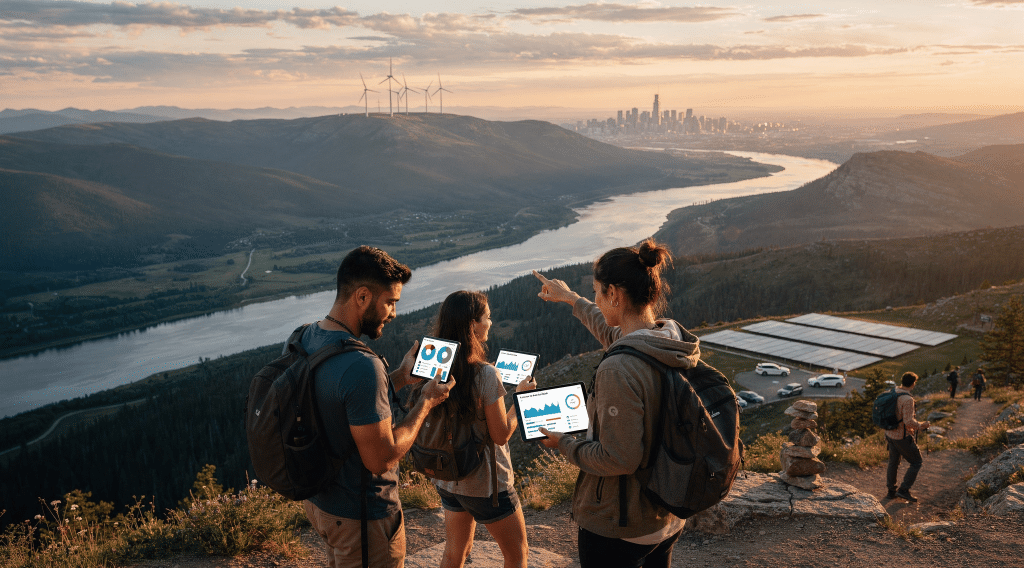
In an increasingly interconnected world, where every choice we make as consumers and travelers carries weight, the concept of ethical US travel has transcended from a niche idea to a mainstream imperative. As we look towards 2026, the demand for responsible and regenerative tourism experiences within the United States continues to grow. Travelers are no longer content with simply visiting a destination; they want to ensure their journeys leave a positive mark, contributing to the well-being of local communities and the preservation of natural environments. But how do we move beyond intention and truly measure this positive impact? This comprehensive guide will delve into three key metrics for ethical U.S. travel in 2026 and provide actionable strategies for tracking them, empowering you to become a more conscientious explorer.
The landscape of travel is evolving rapidly. With heightened awareness of climate change, social inequality, and cultural preservation, travelers are seeking experiences that align with their values. This shift isn’t just about avoiding harm; it’s about actively seeking opportunities to do good. Whether it’s supporting local economies, minimizing carbon footprints, or engaging in meaningful cultural exchange, the modern ethical traveler is a proactive agent of positive change. Understanding and applying these metrics is not just good for the world; it’s also deeply enriching for the traveler, transforming a simple vacation into a purposeful journey.
The Rise of Ethical US Travel: Why It Matters Now More Than Ever
The United States, with its vast geographical diversity and rich cultural tapestry, offers an unparalleled array of travel experiences. From the bustling metropolises to serene national parks, historic towns to vibrant coastal communities, the opportunities for exploration are endless. However, this diversity also presents unique challenges and responsibilities for travelers. Mass tourism, if not managed ethically, can strain local resources, dilute cultural authenticity, and exacerbate environmental degradation. This is precisely why ethical US travel is so crucial in 2026.
The pandemic further highlighted the fragility of global tourism and the profound impact disruptions can have on local economies. It also underscored the importance of supporting local businesses and fostering resilient communities. As travel rebounds, there’s a collective opportunity to rebuild better, embracing practices that prioritize people and planet alongside profit. Ethical travel isn’t just a trend; it’s a fundamental rethinking of our relationship with the places we visit and the people who call them home. It’s about ensuring that our adventures contribute to a more equitable and sustainable future for all.
Measuring your positive impact is not merely an academic exercise; it’s a practical framework for informed decision-making. By understanding concrete metrics, you can consciously choose accommodations, activities, and transportation methods that align with your ethical principles. This guide will equip you with the tools to assess your travel choices, allowing you to not only enjoy the beauty and diversity of the U.S. but also to contribute meaningfully to its preservation and prosperity.
Metric 1: Local Economic Contribution – Keeping Your Dollars in the Community
One of the most direct and measurable ways to ensure your ethical US travel has a positive impact is by consciously directing your spending towards local businesses and entrepreneurs. When you choose to support locally owned establishments, a larger percentage of your money circulates within the community, creating jobs, fostering local entrepreneurship, and strengthening the economic fabric of the destination. This is in stark contrast to large, often foreign-owned, chain establishments where profits are frequently repatriated, leaving less behind for the local residents.
Defining Local Economic Contribution
Local economic contribution can be defined as the proportion of your total travel expenditure that directly benefits local residents and businesses within the destination you are visiting. This includes money spent on:
- Locally Owned Accommodations: Boutique hotels, guesthouses, bed & breakfasts, and vacation rentals managed by local residents.
- Independent Restaurants and Cafes: Dining establishments that source ingredients locally and employ local staff.
- Local Tour Operators and Guides: Companies that are owned and operated by residents of the area, offering authentic insights and experiences.
- Artisan Shops and Markets: Purchasing souvenirs and goods directly from local craftspeople and producers.
- Transportation Services: Using local taxi services, public transport, or car rentals from locally owned companies.
- Community-Based Tourism Initiatives: Programs that directly benefit local communities, such as cultural workshops, homestays, or conservation projects.
How to Track Your Local Economic Contribution in 2026
Tracking this metric doesn’t require complex accounting; it simply requires mindfulness and a few practical steps:
- Pre-Trip Research: Before you even leave home, dedicate time to researching locally owned businesses in your destination. Websites like TripAdvisor, Yelp, and local tourism boards often highlight independent establishments. Look for certifications or labels that denote local ownership or sustainable practices.
- Maintain a Travel Budget/Journal: Keep a simple record of your expenditures. Categorize your spending (accommodation, food, activities, shopping) and note whether the business was locally owned or part of a larger chain. Many budgeting apps can assist with this.
- Ask Locals: Once you arrive, don’t hesitate to ask hotel staff, tour guides, or even friendly residents for recommendations on local gems. They are often the best source for authentic, locally-run experiences.
- Look for Clues: Many local businesses proudly display their local ownership. Look for signs, unique branding, or staff who speak passionately about their community connections.
- Prioritize Direct Bookings: Whenever possible, book accommodations and tours directly through the business’s website rather than through large online travel agencies (OTAs). OTAs often take a significant commission, reducing the revenue that stays with the local business.
By diligently tracking your local economic contribution, you can gain a clear picture of how much of your travel budget is directly empowering the communities you visit. Aim for a high percentage, recognizing that every dollar spent locally creates a ripple effect of positive impact.
Metric 2: Environmental Footprint Reduction – Treading Lightly on Our Planet
The environmental impact of travel is a critical concern for any discussion of ethical US travel. From carbon emissions generated by transportation to waste production and resource consumption, our journeys can leave a significant ecological footprint. In 2026, measuring and actively reducing this footprint is paramount to ensuring our travels are sustainable and contribute to the long-term health of our planet.
Defining Environmental Footprint Reduction
Your environmental footprint in travel encompasses a range of factors, including:
- Carbon Emissions: Primarily from transportation (flights, driving, public transport) but also from energy consumption at accommodations.
- Waste Generation: Single-use plastics, food waste, and general refuse produced during your trip.
- Resource Consumption: Water and energy usage at hotels, during activities, and even in your daily routine.
- Impact on Local Ecosystems: Disturbing wildlife, damaging natural habitats, or contributing to pollution in sensitive areas.
How to Track and Reduce Your Environmental Footprint in 2026
Reducing your environmental footprint requires conscious choices and a commitment to sustainable practices:
- Transportation Choices:
- Calculate Carbon Emissions: Use online carbon calculators (e.g., from Sustainable Travel International, The Nature Conservancy) to estimate the emissions from your flights and driving. Some airlines now provide this information directly during booking.
- Prioritize Lower-Impact Transport: Opt for trains, buses, or carpooling over individual car travel or short-haul flights whenever feasible. For longer distances, choose direct flights to minimize emissions from take-offs and landings.
- Consider Offsetting: While not a substitute for reduction, contribute to reputable carbon offsetting programs that invest in renewable energy or reforestation projects. Research organizations carefully to ensure their efficacy.
- Accommodation Choices:
- Seek Certified Green Hotels: Look for hotels with environmental certifications (e.g., LEED, Green Key, EarthCheck) that demonstrate commitment to energy efficiency, waste reduction, and water conservation.
- Practice Resource Conservation: Turn off lights and air conditioning when leaving your room, reuse towels and linens, and take shorter showers.
- Avoid Single-Use Amenities: Bring your own reusable toiletries to reduce plastic waste.
- Waste Management:
- Minimize Single-Use Plastics: Carry a reusable water bottle, coffee cup, and shopping bag. Refuse plastic straws and cutlery.
- Recycle and Compost: Utilize recycling facilities at your accommodation or in public spaces. Be mindful of local recycling guidelines.
- Reduce Food Waste: Order appropriate portion sizes and consider packing snacks to avoid impulse purchases of pre-packaged items.
- Activity Choices:
- Choose Eco-Tours: Select tour operators that prioritize sustainability, respect wildlife, and educate participants on environmental conservation.
- Support Conservation Efforts: Visit national parks and protected areas, as your entry fees often contribute to their maintenance and conservation. Consider volunteering for local clean-up initiatives.
- Leave No Trace: Adhere to the ‘Leave No Trace’ principles when exploring natural areas – pack it in, pack it out; stay on marked trails; respect wildlife.
By consciously integrating these practices into your travel routine, you can significantly reduce your environmental footprint, ensuring your adventures contribute to the preservation of the U.S.’s stunning natural heritage for future generations. Tracking your progress can be as simple as noting your choices in a travel journal or using apps designed for sustainable living.
Metric 3: Cultural Exchange and Community Engagement – Fostering Mutual Respect
Beyond economic and environmental considerations, truly ethical US travel embraces the richness of cultural exchange and meaningful community engagement. This metric focuses on how your interactions with local people and cultures contribute to mutual understanding, respect, and positive social outcomes. In 2026, travelers are increasingly seeking authentic experiences that go beyond superficial sightseeing, aiming to connect with the heart and soul of a place.
Defining Cultural Exchange and Community Engagement
This metric encompasses:
- Authentic Cultural Immersion: Engaging with local traditions, arts, history, and daily life in a respectful and non-exploitative manner.
- Meaningful Interactions: Building connections with local residents, learning from their perspectives, and sharing your own in a reciprocal way.
- Support for Local Heritage: Contributing to the preservation of cultural sites, traditional crafts, and indigenous knowledge.
- Volunteering and Philanthropy: Directly contributing time or resources to local community projects or non-profits (with careful consideration to avoid voluntourism pitfalls).
How to Track and Enhance Your Cultural Exchange and Community Engagement in 2026
Fostering positive cultural exchange and community engagement requires open-mindedness, humility, and proactive effort:
- Learn Basic Local Phrases: Even a few words in the local language (if applicable) can open doors and show respect.
- Engage with Local Guides: Hire local guides who can offer authentic insights into their culture, history, and daily life. This also directly supports local employment.
- Visit Local Markets and Festivals: These are vibrant hubs of local life and offer excellent opportunities for cultural immersion and interaction.
- Attend Cultural Events: Seek out local concerts, art exhibitions, theatrical performances, or traditional ceremonies.
- Support Indigenous Communities: If traveling to areas with indigenous populations, learn about their history, culture, and current issues. Purchase authentic crafts directly from indigenous artisans.
- Ask Before You Photograph: Always ask for permission before taking photos of people, especially in sensitive cultural contexts.
- Dress and Behave Respectfully: Research local customs and dress codes, especially when visiting religious sites or traditional communities.
- Volunteer Responsibly (If Applicable): If considering volunteering, thoroughly research organizations to ensure they are community-led, address genuine needs, and do not displace local labor. Avoid short-term ‘voluntourism’ that may do more harm than good.
- Reflect and Journal: Keep a travel journal where you record your interactions, observations, and learnings from cultural exchanges. This helps to deepen your understanding and appreciation.
Tracking this metric is less about numbers and more about qualitative assessment. It involves asking yourself: Did I learn something new about this culture? Did I engage respectfully with local people? Did my presence contribute positively to the social fabric of this community? The goal is to move beyond being a passive observer to becoming an active, respectful participant in the cultural life of the places you visit.
Integrating Metrics for a Holistic Ethical US Travel Experience
While each of these three metrics – local economic contribution, environmental footprint reduction, and cultural exchange/community engagement – provides a distinct lens through which to view your impact, their true power lies in their integration. A truly ethical US travel experience considers all three in harmony, aiming for a holistic positive contribution.
Imagine a trip where you: stay in a locally owned, eco-certified guesthouse (economic + environmental); dine at an independent farm-to-table restaurant (economic + environmental); take a public bus to a national park (environmental); participate in a guided tour led by a local indigenous elder (economic + cultural); and purchase handcrafted souvenirs directly from artisans at a community market (economic + cultural). This integrated approach maximizes your positive influence across all dimensions.
Tools and Resources for Ethical Travelers in 2026
To further aid your journey towards more ethical U.S. travel, consider utilizing these resources:
- Sustainable Travel Certifications: Look for accommodations, tour operators, and attractions that have recognized sustainable tourism certifications (e.g., GSTC-recognized certifications).
- Ethical Travel Guides and Blogs: Many online resources are dedicated to highlighting responsible travel options and offering practical tips.
- Local Tourism Boards: Often provide information on community-based initiatives, local businesses, and cultural events.
- Apps for Sustainable Living: Some apps can help track your carbon footprint, find local businesses, or identify recycling points.
- Travel Insurance with Ethical Components: Some providers offer policies that contribute to conservation efforts or support local communities in the event of an emergency.
The key is to approach travel with intentionality. Every choice, from where you sleep to what you eat and how you move, presents an opportunity to align your actions with your values. By being mindful and proactive, you can transform your travels into a force for good.
Overcoming Challenges in Measuring Impact
While the intent behind measuring your impact is noble, it’s important to acknowledge that perfection is often unattainable, and challenges will arise. The U.S. is a vast country, and information about local ownership or environmental practices isn’t always readily available for every single vendor. Furthermore, the concept of ‘local’ can sometimes be ambiguous, especially in highly globalized economies.
However, these challenges should not deter you. The goal is not to achieve a flawless score but to continuously strive for improvement and make more informed decisions. Even small, consistent efforts can collectively lead to significant positive change. Prioritize transparency where possible, and when in doubt, default to choices that lean towards known sustainable or community-centric practices. Engage with businesses, ask questions, and commend those who are making an effort to be more responsible.
Another challenge can be the time commitment for research. Integrating pre-trip research into your planning process is vital. Think of it not as an extra chore, but as an integral part of crafting a more meaningful and impactful journey. The more you practice, the easier and more intuitive it becomes to identify ethical options.
The Future of Ethical US Travel Beyond 2026
The journey towards more responsible and regenerative tourism is ongoing. As we move beyond 2026, the metrics for ethical US travel will likely become even more sophisticated, driven by technological advancements and greater collective awareness. We can anticipate:
- Enhanced Transparency: More businesses will likely adopt clear labeling and reporting on their environmental and social impact, making it easier for travelers to make informed choices.
- Personalized Impact Tracking: AI-powered travel planning tools may emerge that can automatically calculate and suggest ways to optimize your positive impact based on your itinerary and preferences.
- Greater Community Involvement: Local communities will have an even stronger voice in shaping tourism development, ensuring that tourism benefits them directly and respects their cultural integrity.
- Focus on Regeneration: The shift will move from merely ‘sustaining’ to actively ‘regenerating’ ecosystems and communities, with travelers participating in projects that restore and enhance natural and cultural assets.
- Policy and Regulation: Governments and tourism bodies may implement more robust policies and incentives to promote ethical tourism practices nationwide.
By embracing these three key metrics now, you are not just participating in a trend; you are contributing to the foundational shift that will define the future of travel. Your choices as a traveler have the power to shape destinations, uplift communities, and protect the planet.
Conclusion: Be a Catalyst for Positive Change
Measuring your positive impact in ethical US travel by 2026 is an empowering and essential step towards becoming a more conscious and responsible explorer. By focusing on local economic contribution, environmental footprint reduction, and meaningful cultural exchange, you can transform your journeys into opportunities for genuine good. These metrics provide a clear framework, turning abstract intentions into concrete actions. While the path to perfect ethical travel may be complex, every thoughtful choice you make contributes to a larger movement that champions sustainability, equity, and authentic connection.
As you plan your next adventure across the diverse landscapes of the United States, remember that your choices matter. Research, choose wisely, engage respectfully, and track your impact. Be an advocate for responsible tourism, inspire others, and demonstrate that travel can indeed be a powerful force for positive change. By doing so, you’re not just seeing the world; you’re helping to build a better one, one conscious journey at a time.