U.S. Travel Workforce Challenges 2026: Solutions for Labor Shortages and Skill Gaps
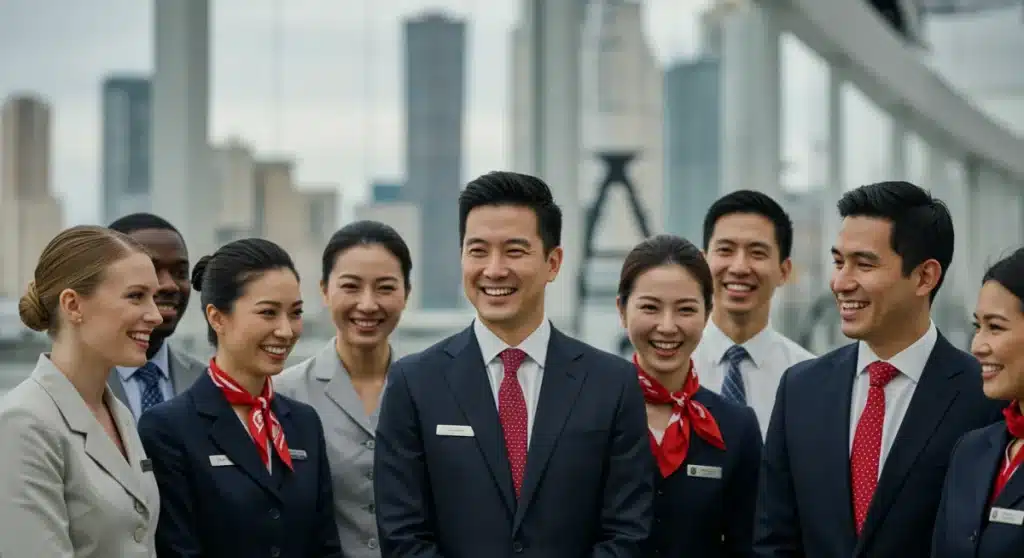
The U.S. travel industry, a cornerstone of the American economy and cultural exchange, is currently navigating a period of unprecedented transformation. As we look towards 2026, the sector faces a critical juncture, grappling with persistent labor shortages and evolving skill gaps that threaten its recovery and future growth. The COVID-19 pandemic acted as a catalyst, accelerating pre-existing trends and introducing new complexities to the U.S. travel workforce landscape. Understanding these dynamics and proactively addressing them is not just an operational necessity but a strategic imperative for the industry’s long-term vitality.
Before the pandemic, the travel and tourism sector was one of the fastest-growing industries globally, creating millions of jobs and contributing significantly to GDP. However, the abrupt halt in travel led to massive layoffs and a significant exodus of talent. While demand has largely rebounded, the workforce has not returned at the same pace, leaving many businesses understaffed and struggling to meet consumer expectations. This article delves deep into the multifaceted challenges confronting the U.S. travel workforce by 2026, exploring the root causes of labor shortages and the critical skill gaps that must be bridged. More importantly, it outlines innovative strategies and actionable solutions for attraction, retention, and training, aiming to equip the industry with the resilience and adaptability needed to thrive in the years to come.
The Shifting Landscape of the U.S. Travel Workforce
The travel industry has always been dynamic, but the changes witnessed over the past few years are profound. The traditional models of employment, compensation, and career progression are being re-evaluated in the face of new economic realities and worker expectations. A significant factor contributing to the current state of the U.S. travel workforce is the demographic shift, with an aging population and a younger generation entering the workforce with different priorities. This has created a mismatch between available talent and industry needs, exacerbating the labor shortage.
Moreover, the nature of travel itself is evolving. Consumers are increasingly seeking personalized, authentic, and sustainable experiences, which requires a more skilled and adaptable workforce. Automation and artificial intelligence are also transforming various aspects of the industry, from booking systems to customer service, necessitating new digital literacies and technical proficiencies. The gig economy, too, has impacted the U.S. travel workforce, offering flexible alternatives that sometimes draw talent away from traditional full-time roles within the sector. These interwoven factors create a complex web of challenges that demand a holistic and forward-thinking approach.
Understanding the Depth of Labor Shortages
The labor shortage in the U.S. travel sector is not a uniform phenomenon; it manifests differently across various segments and regions. Hotels, airlines, restaurants, and tour operators are all feeling the pinch, but the severity varies. For instance, entry-level positions, such as housekeepers, front desk agents, and food service staff, often experience the highest turnover rates and are the hardest to fill. This is partly due to perceptions of low wages, demanding hours, and limited opportunities for advancement.
Beyond entry-level roles, specialized positions, including experienced chefs, revenue managers, IT professionals with hospitality expertise, and skilled maintenance technicians, are also in high demand. The competition for these roles is fierce, not only within the travel industry but also across other sectors that value similar skill sets. The shortage of qualified personnel directly impacts service quality, operational efficiency, and ultimately, the profitability of travel businesses. Without a stable and sufficient U.S. travel workforce, the industry’s capacity to innovate and meet growing demand will be severely constrained.
Identifying Critical Skill Gaps for 2026
While labor shortages refer to the sheer number of available workers, skill gaps point to a mismatch between the skills workers possess and the skills employers need. For the U.S. travel workforce in 2026, these gaps are becoming increasingly pronounced. The rapid pace of technological advancement is a primary driver. Digital literacy, including proficiency with cloud-based systems, data analytics, and customer relationship management (CRM) software, is no longer a niche requirement but a fundamental expectation across many roles.
Furthermore, soft skills are more critical than ever. Empathy, problem-solving, adaptability, cross-cultural communication, and emotional intelligence are essential for delivering exceptional customer experiences in a diverse and often unpredictable environment. The rise of sustainable tourism also demands a workforce educated in eco-friendly practices and responsible travel principles. Finally, leadership and management skills are crucial for building resilient teams and fostering a positive work culture, yet these are often overlooked in training programs. Addressing these skill gaps is pivotal for the future readiness of the U.S. travel workforce.
Strategic Solutions for Attraction and Recruitment
To overcome the challenges of labor shortages, the U.S. travel industry must adopt innovative and aggressive strategies to attract new talent. This involves not only reaching a broader pool of potential employees but also changing the narrative around careers in travel and hospitality. The industry needs to position itself as a sector offering rewarding careers with ample opportunities for growth and development.
Rethinking Compensation and Benefits
One of the most direct ways to attract talent is to offer competitive compensation and comprehensive benefits packages. This goes beyond just increasing hourly wages; it includes exploring sign-on bonuses, performance incentives, and profit-sharing schemes. Beyond monetary compensation, benefits such as robust health insurance, retirement plans, paid time off, and flexible scheduling options are increasingly important to today’s workforce. The U.S. travel workforce is looking for stability and work-life balance, and employers who can offer these will have a significant advantage.
Furthermore, recognizing the financial pressures many workers face, employers could consider offering assistance with childcare, transportation, or even housing in high-cost-of-living areas. These non-traditional benefits can be powerful differentiators in a competitive labor market. Transparent communication about total compensation—including the value of benefits—can also help prospective employees understand the true value of a job in the travel sector.
Enhancing Employer Branding and Perception
The travel industry often struggles with outdated perceptions regarding career paths. To attract a new generation of talent, businesses must actively work on enhancing their employer brand. This involves showcasing the diverse range of roles available, from marketing and technology to finance and operations, and highlighting the opportunities for creativity, customer interaction, and global impact. Creating compelling stories about employee success and career progression can inspire potential candidates.
Leveraging social media, career fairs, and partnerships with educational institutions can help spread a more positive and realistic image of working in travel. Emphasizing the vibrant, fast-paced, and community-oriented aspects of the industry can appeal to individuals seeking purpose and engagement in their work. A strong employer brand can transform how the U.S. travel workforce is perceived, making it a more desirable career choice.
Leveraging Technology in Recruitment
Technology can play a crucial role in streamlining the recruitment process and reaching a wider audience. Utilizing AI-powered applicant tracking systems, video interviews, and virtual career fairs can make the hiring process more efficient and accessible. Predictive analytics can help identify candidates who are a good fit for specific roles and who are more likely to be retained.
Furthermore, investing in user-friendly online application portals and mobile-first recruitment strategies is essential, as many job seekers now use their smartphones to search and apply for jobs. The goal is to make the application process as seamless and engaging as possible, reducing friction for potential members of the U.S. travel workforce. Embracing these technological tools can significantly improve the speed and quality of hiring.
Strategies for Retention and Employee Development
Attracting new talent is only half the battle; retaining existing employees and fostering their growth is equally, if not more, important. High turnover rates are costly, impacting productivity, morale, and customer satisfaction. A robust retention strategy is vital for building a stable and experienced U.S. travel workforce.
Investing in Training and Upskilling Programs
Addressing skill gaps requires a significant investment in continuous learning and development. Employers should establish comprehensive training programs that cover both technical skills and soft skills. This could include workshops on new technologies, customer service excellence, language proficiency, and cross-cultural communication. Online learning platforms and micro-credentials offer flexible ways for employees to acquire new skills without disrupting their work schedules.
Partnerships with local colleges, vocational schools, and industry associations can facilitate access to specialized training and certification programs. By investing in their employees’ growth, businesses not only enhance their capabilities but also demonstrate a commitment to their career development, fostering loyalty and reducing turnover. A well-trained U.S. travel workforce is a more resilient and productive workforce.

Fostering a Positive Work Culture and Employee Well-being
A positive work environment is a powerful retention tool. This includes creating a culture of respect, recognition, and open communication. Employees want to feel valued, heard, and supported. Implementing regular feedback mechanisms, employee recognition programs, and opportunities for peer collaboration can significantly boost morale.
Beyond culture, prioritizing employee well-being is crucial. This encompasses mental health support, access to wellness programs, and policies that promote work-life balance. Flexible work arrangements, where feasible, can also contribute to greater job satisfaction and reduce stress. Employers who genuinely care for their employees’ holistic well-being will find it easier to retain valuable members of the U.S. travel workforce.
Creating Clear Career Pathways and Opportunities for Advancement
Many employees leave jobs because they perceive a lack of opportunities for growth. The travel industry must do a better job of outlining clear career pathways and providing avenues for advancement. This involves mentorship programs, leadership development initiatives, and internal promotion opportunities. Employees should understand what skills and experiences they need to acquire to move up within the organization.
Cross-training and job rotation programs can also expose employees to different aspects of the business, broadening their skill sets and making them more versatile. When employees see a future for themselves within a company, they are more likely to stay and invest in their own development, strengthening the overall U.S. travel workforce.
Leveraging Diverse Talent Pools and Inclusive Practices
To fully address labor shortages, the U.S. travel industry must expand its search for talent beyond traditional sources and embrace diversity and inclusion as core tenets of its workforce strategy. This not only broadens the talent pool but also brings fresh perspectives and experiences that can enhance innovation and customer service.
Engaging Underrepresented Groups
There are numerous untapped talent pools that the travel industry can and should engage. This includes individuals with disabilities, military veterans, justice-involved individuals, and older workers who may be seeking part-time or flexible employment. Each of these groups brings unique skills, experiences, and perspectives that can enrich the U.S. travel workforce.
Developing targeted recruitment programs, partnering with community organizations, and providing necessary accommodations can help integrate these groups into the industry. Furthermore, promoting diversity in leadership roles sends a powerful message about inclusivity and creates role models for future employees.
Embracing Multigenerational Workforce Strategies
Today’s workforce often spans multiple generations, each with distinct expectations, communication styles, and motivations. Successfully managing a multigenerational U.S. travel workforce requires understanding these differences and creating an inclusive environment where all generations can thrive. Mentorship programs, where experienced workers guide younger ones and vice versa, can facilitate knowledge transfer and foster mutual respect.
Flexible work arrangements, technology integration, and personalized development plans can cater to the varying needs of different age groups. By valuing the contributions of all generations, the travel industry can harness a wealth of experience and fresh ideas, building a more robust and adaptable workforce.
The Role of Technology and Automation
While technology contributes to skill gaps, it also offers powerful solutions for managing labor challenges. Automation and artificial intelligence are not merely replacements for human labor but tools that can augment human capabilities, improve efficiency, and free up staff to focus on higher-value tasks.
Automating Repetitive Tasks
Many routine and repetitive tasks in the travel industry, such as check-in processes, booking confirmations, and basic customer inquiries, can be automated. Self-service kiosks, chatbots, and AI-powered virtual assistants can handle these functions, reducing the workload on human staff and allowing them to focus on more complex problem-solving and personalized guest interactions. This not only improves efficiency but also enhances the employee experience by reducing mundane tasks.
By strategically deploying automation, businesses can optimize their existing U.S. travel workforce, making each employee more productive and valuable. This approach helps to mitigate the impact of labor shortages by maximizing the output of available personnel.
Enhancing Employee Productivity with Digital Tools
Beyond automation, digital tools can significantly enhance employee productivity and collaboration. Cloud-based operational software can streamline scheduling, inventory management, and communication across departments. Mobile applications can provide staff with instant access to guest information, operational updates, and training resources, enabling them to respond more effectively and efficiently.
Data analytics tools can help managers make informed decisions about staffing levels, resource allocation, and service improvements. Equipping the U.S. travel workforce with these advanced digital tools not only boosts their effectiveness but also makes their jobs more engaging and less stressful, contributing to higher job satisfaction and retention.

Collaboration and Partnerships for a Stronger Future
Addressing the systemic challenges facing the U.S. travel workforce requires a concerted effort from all stakeholders. No single entity can solve these issues alone. Collaboration between industry players, government bodies, educational institutions, and community organizations is essential for building a sustainable talent pipeline.
Industry-Wide Initiatives and Advocacy
Travel and tourism associations, such as the U.S. Travel Association, play a vital role in advocating for policies that support workforce development. This includes lobbying for funding for training programs, promoting favorable immigration policies for skilled workers, and raising awareness about the economic importance of the industry. Industry-wide campaigns can also help to collectively improve the perception of travel careers.
Sharing best practices and resources among businesses can also accelerate progress. Collaborative efforts to develop standardized training modules or certification programs can ensure a consistent quality of talent across the sector, benefiting the entire U.S. travel workforce.
Government Support and Public-Private Partnerships
Government agencies can provide crucial support through grants for workforce training, tax incentives for employers who invest in employee development, and initiatives to connect job seekers with available positions in the travel industry. Public-private partnerships can create innovative programs that bridge the gap between educational offerings and industry needs.
For example, government-funded apprenticeship programs could provide hands-on training and mentorship opportunities, creating a direct pathway into the U.S. travel workforce for many individuals. These partnerships are vital for creating a supportive ecosystem that nurtures talent from education to employment.
Educational Institutions as Key Partners
Colleges, universities, and vocational schools are indispensable partners in preparing the next generation of the U.S. travel workforce. Curricula need to be regularly updated to reflect the evolving demands of the industry, incorporating modules on digital skills, sustainable tourism, and advanced customer service techniques. Experiential learning opportunities, such as internships and co-op programs, are critical for giving students practical experience and making them job-ready.
Closer collaboration between educators and industry leaders can ensure that graduates possess the specific skills and knowledge required by employers. This includes inviting industry professionals to guest lecture, involving them in curriculum design, and establishing mentorship programs between students and current employees.
Conclusion: Building a Resilient U.S. Travel Workforce for 2026 and Beyond
The challenges facing the U.S. travel workforce by 2026 are significant but not insurmountable. By proactively addressing labor shortages and skill gaps through a combination of innovative attraction strategies, robust retention efforts, and strategic partnerships, the industry can not only recover but thrive. The future success of the U.S. travel sector hinges on its ability to invest in its people, adapt to changing worker expectations, and embrace technological advancements.
The path forward requires a shift in mindset—from viewing employees as a cost to recognizing them as the most valuable asset. By prioritizing competitive compensation, fostering a positive work culture, investing in continuous learning, and embracing diversity, the industry can build a resilient, skilled, and motivated U.S. travel workforce. This collective commitment will ensure that the U.S. remains a premier global travel destination, powered by a workforce that is ready for the opportunities and challenges of tomorrow.