Water Conservation for Travelers: Cut 10 Gallons Daily on 2026 Trips
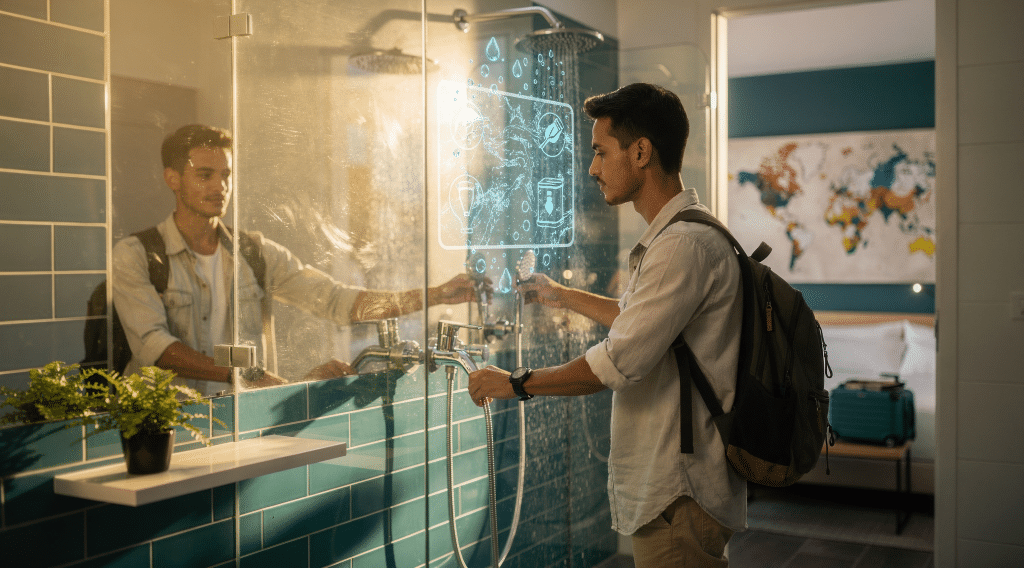
In an increasingly interconnected world, the allure of travel remains as strong as ever. Yet, as we explore new horizons and immerse ourselves in diverse cultures, the environmental footprint we leave behind becomes a critical consideration. Among the most pressing environmental challenges is water scarcity, a global issue exacerbated by climate change and growing populations. For travelers, understanding and actively participating in water conservation is not just a commendable act; it’s a vital responsibility. This comprehensive guide, focusing on Travel Water Conservation, aims to equip you with practical, actionable strategies to reduce your water usage by a remarkable 10 gallons per day during your 2026 trips, transforming you into a more sustainable and conscious global citizen.
The concept of Travel Water Conservation extends beyond simply turning off the tap. It encompasses a holistic approach to minimizing your water impact, from the choices you make before you even pack your bags to the habits you adopt while on the road. By committing to these practices, you contribute directly to preserving this precious resource, supporting local communities, and ensuring that the beautiful destinations we cherish remain pristine for future generations.
Let’s dive into the specifics of how you can achieve this ambitious yet entirely attainable goal of saving 10 gallons of water daily, making your 2026 travels a benchmark for responsible tourism.
Understanding Your Water Footprint While Traveling
Before we delve into specific actions, it’s crucial to understand why Travel Water Conservation is so important. Every activity, from showering to doing laundry, consumes water. In many popular tourist destinations, local water resources are already strained, and an influx of visitors can significantly increase demand, leading to shortages for residents and impacting fragile ecosystems. By being mindful of your water footprint, you directly alleviate this pressure.
Consider the average daily water consumption. A typical shower can use between 5 to 10 gallons per minute. Brushing your teeth with the tap running can waste several gallons. Even the seemingly innocuous act of flushing a toilet can consume 1.6 to 5 gallons per flush, depending on the model. When you multiply these figures by the number of days you travel and the number of travelers in your party, the cumulative impact becomes substantial. Our goal is to consciously reduce these figures, aiming for that 10-gallon daily saving.
The good news is that many water-saving practices are simple to implement and often require only a slight shift in mindset or habits. They don’t detract from your travel experience; in fact, they can enhance it by fostering a deeper connection to the places you visit and a greater sense of purpose.
Pre-Trip Planning: Setting the Stage for Water Savings
The journey towards effective Travel Water Conservation begins long before you reach your destination. Strategic planning can significantly reduce your water usage and make sustainable choices easier.
Researching Eco-Friendly Accommodations
One of the most impactful decisions you can make is choosing your accommodation wisely. Look for hotels, guesthouses, or resorts that actively promote and practice water conservation. Many establishments now highlight their sustainability efforts, including:
- Water-saving fixtures: Low-flow showerheads, toilets, and faucets.
- Towel and linen reuse programs: Encouraging guests to reuse towels and linens to reduce laundry cycles.
- Greywater recycling systems: Treating and reusing water from sinks and showers for irrigation or toilet flushing.
- Rainwater harvesting: Collecting rainwater for non-potable uses.
- Sustainable landscaping: Using drought-resistant plants that require less irrigation.
Websites like Green Key Global, EarthCheck, and TripAdvisor’s GreenLeaders program can help you identify certified eco-friendly accommodations. A simple search for “sustainable hotels [destination]” can also yield valuable results. By supporting these businesses, you’re not only saving water directly but also encouraging the industry to adopt more sustainable practices.
Packing Smart: Reducing Laundry Needs
The less laundry you do while traveling, the more water you save. Consider these packing strategies:
- Pack quick-drying fabrics: Synthetics and merino wool dry faster, allowing for handwashing and air-drying, eliminating the need for energy-intensive dryers.
- Choose versatile clothing: Items that can be mixed and matched or worn multiple times before needing a wash.
- Bring a travel-sized soap bar: For handwashing small items in your room. This avoids using hotel-supplied liquid detergents, which often come in single-use plastic.
By minimizing the amount of laundry you generate, you reduce the demand for hotel laundry services, which can be significant water consumers. If you must use a laundry service, inquire if they use high-efficiency machines or sustainable practices.
Reusable Water Bottles and Filters
This is a fundamental step in Travel Water Conservation. Investing in a high-quality reusable water bottle is essential. Many destinations have safe tap water, and refilling stations are becoming increasingly common in airports, hotels, and public spaces. If tap water safety is a concern, consider a water bottle with an integrated filter. This allows you to safely drink local tap water, eliminating the need to purchase single-use plastic bottles, which not only generate waste but also have a significant water footprint in their production.
Imagine the water saved from manufacturing and transporting countless plastic bottles. This simple switch alone can contribute significantly to your 10-gallon daily reduction.
During Your Trip: Daily Habits for Significant Savings
Once you’re at your destination, consistent mindful habits are key to achieving your Travel Water Conservation goals. These small changes add up quickly.
Showering Smarter: The Biggest Impact
Your shower routine offers the most substantial opportunity for water savings. A typical 10-minute shower can use 20-30 gallons of water. Cutting this down is paramount:
- Take shorter showers: Aim for 3-5 minutes. Set a timer if needed. This alone can save 10-20 gallons per shower.
- Turn off the water while lathering: Wet your body, turn off the water, lather with soap, then turn the water back on to rinse. This simple trick can save several gallons per shower.
- Consider a ‘Navy Shower’: A very quick rinse, turn off water to soap up, then a final quick rinse.
If you’re staying somewhere with a bathtub, consider a bath only if you truly need to relax, and fill it only as much as necessary. Showers are generally more water-efficient than baths.
Mindful Bathroom Practices
Beyond the shower, your bathroom habits hold further potential for water savings:
- Turn off the tap: While brushing your teeth, shaving, or washing your face, turn off the faucet. Only turn it on when you need to rinse. This can save 1-2 gallons per minute.
- Flush less (if appropriate): If it’s just urine, consider if every flush is necessary, especially in areas with very limited water. However, always prioritize hygiene and local customs.
- Report leaks: If you notice a leaky faucet or running toilet in your accommodation, report it to the staff immediately. A small drip can waste gallons of water over time.
Laundry and Dishwashing
If you find yourself needing to do laundry or dishes:
- Full loads only: If using a washing machine or dishwasher, wait until you have a full load. Partial loads waste water and energy.
- Handwash efficiently: If handwashing clothes or dishes, use a basin or stopper to fill the sink with water instead of letting the tap run continuously. Rinse items together.
- Reuse towels: As mentioned, participate in hotel towel reuse programs. Hang your towel to dry and use it for a few days before requesting a fresh one. This significantly reduces the hotel’s laundry burden.
Beyond the Room: Water Conservation in Your Activities
Travel Water Conservation isn’t confined to your accommodation. Your choices during activities and excursions also play a role.
Dining and Hydration Choices
- Order tap water: When dining out, request tap water instead of bottled water if safe to drink. Many restaurants are happy to provide it.
- Support local water initiatives: Some cafes or shops might offer filtered water refills for a small fee, which often goes towards local water projects. Seek these out.
- Minimize food waste: Producing food requires significant amounts of water. Order only what you can eat to reduce food waste.
Choosing Water-Conscious Activities
Even your choice of activities can impact water usage:
- Avoid excessive water sports: While enjoyable, some high-impact water sports might have a larger water footprint or impact local ecosystems. Be mindful and research their sustainability practices.
- Support responsible tour operators: Choose tour companies that emphasize eco-friendly practices, including water conservation, in their operations.
- Be mindful in natural settings: When visiting natural springs, rivers, or lakes, avoid introducing pollutants (soaps, detergents, chemicals) that can contaminate water sources.
Calculating Your 10-Gallon Daily Savings
Let’s break down how these practices can easily lead to a 10-gallon daily reduction, focusing on the most common water uses:
- Shorter Shower: Cutting a 10-minute shower to 5 minutes (and turning off water while lathering) can save 10-15 gallons (e.g., from 25 gallons to 10-15 gallons). Savings: 10 gallons.
- Brushing Teeth: Turning off the tap for 2 minutes while brushing can save 2-4 gallons. Savings: 2 gallons.
- Flushing: Consciously reducing one flush per day (if appropriate for hygiene) can save 1.6-5 gallons. Savings: 2 gallons.
- Reusable Water Bottle: Avoiding one small plastic bottle (which requires about 3 times its volume in water to produce) saves roughly 3-4 gallons of ’embedded’ water. Savings: 3 gallons.
- Towel Reuse: Reducing one laundry cycle over a few days saves dozens of gallons. Per day, this could easily average out to 2-3 gallons.
Even with conservative estimates, these simple shifts can easily surpass the 10-gallon daily target. For instance:
- Shower savings: 10 gallons
- Brushing teeth: 2 gallons
- Reusable bottle: 3 gallons
- Towel reuse (daily average): 3 gallons
- Total: 18 gallons saved per day!
This demonstrates that achieving and even exceeding the 10-gallon goal is entirely feasible with conscious effort. The beauty of Travel Water Conservation is that many of these habits are mutually reinforcing and become second nature over time.
Educating and Inspiring Others
Your commitment to Travel Water Conservation doesn’t just benefit you; it has a ripple effect. By openly discussing your sustainable practices with travel companions, friends, and family, you can inspire others to adopt similar habits. Share your tips on social media, write about your experiences, or simply lead by example. Many people are unaware of the impact of their water consumption while traveling and are often receptive to learning how to make a positive difference.
When you stay in eco-friendly accommodations, leave positive reviews highlighting their water conservation efforts. This not only rewards their sustainability but also encourages other travelers to choose them and motivates other businesses to follow suit. Your individual actions, when multiplied by a global community of conscious travelers, can create significant positive change.
The Broader Impact of Sustainable Travel
Practicing Travel Water Conservation is a cornerstone of sustainable travel, but its benefits extend far beyond just saving water. It’s often intertwined with other eco-friendly practices:
- Reduced energy consumption: Heating water requires significant energy. Shorter showers and less laundry directly translate to lower energy use and reduced carbon emissions.
- Less waste: Using a reusable water bottle reduces plastic waste. Minimizing laundry reduces the use of detergents and packaging.
- Support for local economies: Choosing accommodations and tour operators that prioritize sustainability often means they also support local communities and businesses.
- Preservation of ecosystems: Reduced water consumption alleviates pressure on local water sources, protecting rivers, lakes, and groundwater that sustain diverse plant and animal life.
- Cultural respect: Being mindful of resource consumption, especially water, demonstrates respect for the local environment and the communities who depend on it.
As we look towards 2026 and beyond, the imperative for sustainable travel will only grow. Climate change, population growth, and increased tourism all place immense pressure on our planet’s resources. By embracing Travel Water Conservation now, you are not just adapting to a trend; you are becoming an active participant in shaping a more sustainable future for travel.
Overcoming Challenges and Staying Motivated
While the principles of Travel Water Conservation are straightforward, maintaining consistency can sometimes be a challenge, especially when you’re in a new environment or on vacation. Here are a few tips to stay motivated:
- Make it a game: Challenge yourself or your travel companions to see who can save the most water.
- Track your progress: If possible, note down your habits and celebrate small victories.
- Remember your ‘why’: Reconnect with the reasons you embarked on sustainable travel – whether it’s protecting natural beauty, supporting communities, or reducing your carbon footprint.
- Be forgiving: If you slip up one day, don’t get discouraged. Just recommit to your goals the next day. Perfection isn’t the aim; continuous improvement is.
- Educate yourself: Learn more about water scarcity issues in the regions you visit. This knowledge can be a powerful motivator.
Remember, every drop counts. Your individual efforts, combined with those of other conscious travelers, create a powerful movement towards a more sustainable and responsible travel industry.
Conclusion: Your Role in a Sustainable Future of Travel
The year 2026 presents an opportunity for travelers worldwide to redefine their impact. By actively engaging in Travel Water Conservation and committing to reducing your daily water usage by 10 gallons, you are not just adopting a set of rules; you are embracing a philosophy of responsible exploration.
These practical solutions – from choosing eco-friendly accommodations and packing smart to taking shorter showers and using reusable bottles – are simple, effective, and collectively powerful. They demonstrate that sustainable travel doesn’t mean sacrificing adventure or comfort; it means enhancing it with purpose and respect for the planet and its inhabitants.
Let your 2026 trips be a testament to the power of conscious choices. Be an advocate for water conservation, inspire those around you, and experience the profound satisfaction of knowing your travels are contributing to a healthier, more sustainable world. Your journey towards becoming a truly responsible global citizen starts now, one saved gallon at a time.