Hyper-Personalized Travel: Boosting US Customer Satisfaction by 25% in 2026
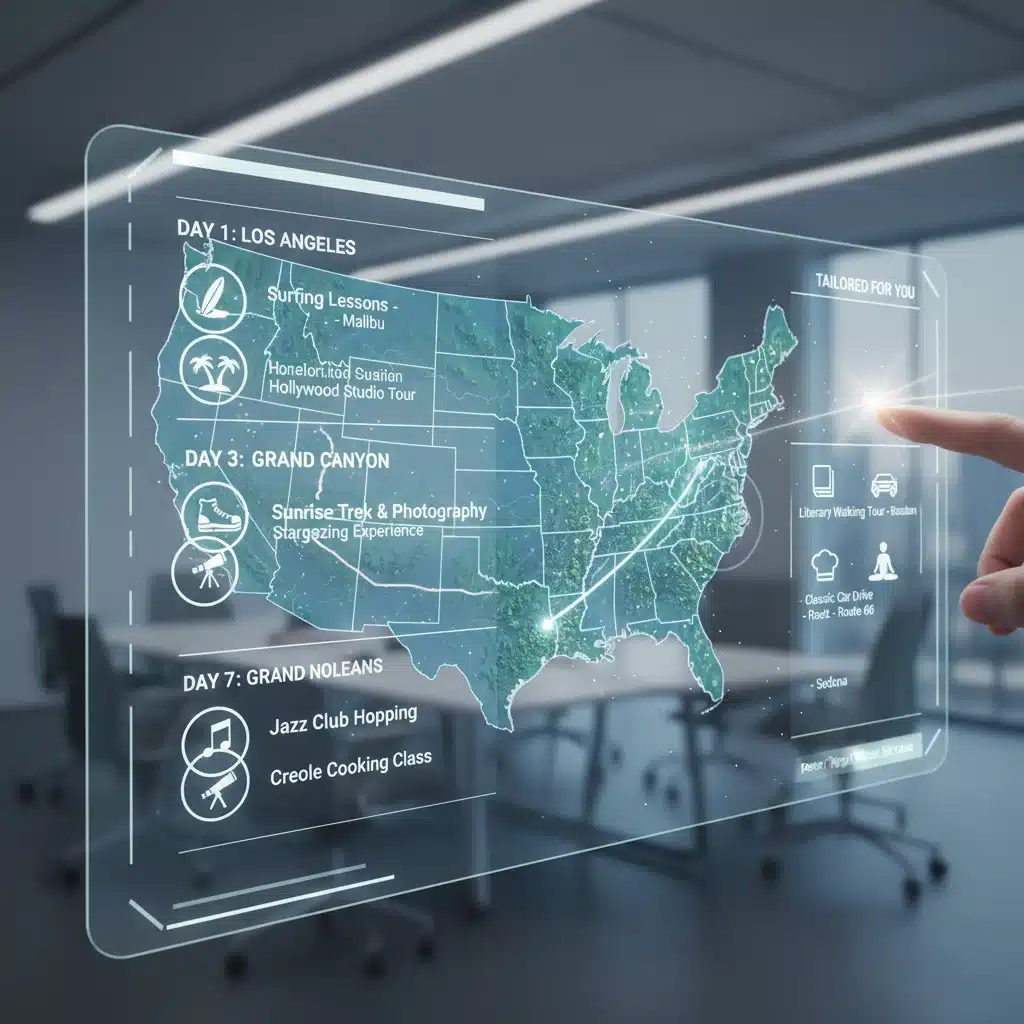
The travel landscape is in constant flux, evolving with every technological advancement and shift in consumer expectations. We stand at the precipice of a monumental transformation, one where generic, one-size-fits-all travel experiences are rapidly becoming a relic of the past. The future, and indeed the present, is all about the individual. By 2026, the concept of hyper-personalized travel is not just a buzzword; it’s projected to be a quantifiable force, driving an astounding 25% increase in customer satisfaction across the United States travel sector.
This isn’t merely about suggesting a hotel based on past bookings. This is about an intricate dance between cutting-edge technology, vast datasets, and a profound understanding of human desires to craft itineraries so bespoke, they feel like they were dreamt up by the traveler themselves. The implications for travelers, travel providers, and the entire ecosystem are profound, promising a new era of unparalleled satisfaction and unforgettable journeys.
The Dawn of Hyper-Personalized Travel: What Does it Mean?
At its core, hyper-personalized travel takes personalization to an entirely new dimension. While traditional personalization might offer recommendations based on broad categories or previous purchases, hyper-personalization delves much deeper. It leverages an extensive array of data points – from past travel history, browsing behavior, social media activity, and loyalty program data to real-time location, weather patterns, and even biometric data (with explicit consent, of course) – to create an itinerary that is not just relevant, but intimately aligned with the traveler’s unique preferences, mood, and even spontaneous desires.
Imagine a system that knows you prefer quiet, boutique hotels over bustling resorts, enjoy early morning hikes followed by a specific type of coffee, have a keen interest in historical architecture, and are currently in the mood for Italian cuisine. Now, imagine this system dynamically adjusting your itinerary in real-time if you decide to spend an extra hour at a museum or if a sudden rain shower makes an outdoor activity unfeasible. This is the promise of hyper-personalized travel: an adaptive, intuitive, and deeply personal journey.
Key Pillars of Hyper-Personalization
- Predictive Analytics: Algorithms analyze vast amounts of data to anticipate traveler needs and preferences even before they are explicitly stated.
- Real-time Adaptability: Itineraries aren’t static; they evolve dynamically based on live data, including weather, local events, traffic, and the traveler’s current activities.
- Contextual Awareness: The system understands the ‘why’ behind a preference, not just the ‘what,’ allowing for more nuanced and satisfying recommendations.
- Seamless Integration: All aspects of the journey – from booking flights and accommodation to dining, activities, and local transportation – are integrated into a single, cohesive experience.
- Proactive Support: Anticipating potential issues (e.g., flight delays, crowded attractions) and offering alternative solutions before they become problems.
The Technological Backbone: Driving the 25% Satisfaction Surge
Achieving such a sophisticated level of personalization requires a robust technological infrastructure. Several key innovations are converging to make hyper-personalized travel a reality and are directly contributing to the projected 25% increase in U.S. customer satisfaction.
Artificial Intelligence (AI) and Machine Learning (ML)
AI and ML are the undisputed engines of hyper-personalization. These technologies excel at processing and interpreting massive datasets, identifying subtle patterns, and making intelligent predictions. From natural language processing (NLP) that understands traveler queries and sentiment analysis that gauges their mood from online interactions, to recommendation engines that learn and refine their suggestions over time, AI is at the forefront. Machine learning algorithms continuously improve, becoming more adept at understanding individual preferences with each interaction, leading to increasingly accurate and satisfying recommendations.
Big Data Analytics
The sheer volume and velocity of data generated in the travel ecosystem are staggering. Big data analytics tools are crucial for collecting, storing, processing, and analyzing this information. This includes everything from flight search histories, hotel reviews, GPS data, social media posts, and even wearable device data. By sifting through these digital breadcrumbs, travel providers can construct incredibly detailed profiles of their customers, enabling true hyper-personalized travel experiences.
Internet of Things (IoT)
IoT devices, such as smart hotel rooms, connected luggage, and in-destination sensors, contribute real-time data that enhances the personalized experience. Imagine a smart hotel room that adjusts lighting and temperature to your preferences upon arrival, or a smart luggage tag that notifies you of its location. These devices create a connected travel environment that can anticipate needs and streamline processes, further elevating satisfaction.
Advanced Biometrics and Facial Recognition
While raising privacy concerns that must be addressed carefully and with explicit consent, biometrics are poised to revolutionize aspects of travel, from seamless check-ins at airports and hotels to personalized access to amenities. Imagine walking through security without ever needing to present a passport, or having your favorite coffee waiting for you at the hotel lounge, recognized instantly by facial recognition (again, with strict opt-in protocols). This friction reduction significantly contributes to a smoother, more enjoyable journey, a hallmark of hyper-personalized travel.
Blockchain Technology
Blockchain offers a secure and transparent way to manage traveler identities, loyalty points, and booking data. This can streamline processes, reduce fraud, and empower travelers with greater control over their personal information. For hyper-personalization, blockchain could facilitate secure sharing of preference data across different travel providers, enabling a truly unified and personalized experience without compromising privacy.
Impact on U.S. Customer Satisfaction: The 25% Advantage
The projection of a 25% increase in customer satisfaction by 2026 is not an arbitrary figure; it’s a testament to the profound impact hyper-personalized travel will have on the traveler’s psyche and experience. When travelers feel understood, valued, and catered to at every turn, their satisfaction naturally skyrockets.
Eliminating Friction and Frustration
One of the biggest detractors from travel satisfaction is friction – long lines, confusing instructions, unexpected delays, and the constant need to repeat information. Hyper-personalization, powered by predictive analytics and seamless integration, aims to eliminate much of this. Automated check-ins, pre-booked activities based on known interests, real-time alerts for delays with pre-arranged alternatives – these all contribute to a smoother, less stressful journey. This reduction in stress directly translates to higher satisfaction.
Creating Memorable Experiences
Beyond efficiency, hyper-personalized travel focuses on crafting truly memorable experiences. When recommendations are perfectly aligned with a traveler’s passions, they are more likely to engage deeply with their surroundings, discover hidden gems, and create lasting memories. A foodie might be directed to a local, off-the-beaten-path culinary experience, while an adventure seeker might find themselves on a spontaneous paragliding excursion, all orchestrated by intelligent algorithms.

Enhanced Sense of Value and Recognition
Feeling recognized and valued is a powerful driver of satisfaction. When a travel provider consistently offers services and recommendations that resonate with an individual, it fosters a sense of loyalty and appreciation. This goes beyond mere loyalty points; it’s about a deeper connection built on understanding and anticipation of needs. This enhanced sense of value is a cornerstone of the projected satisfaction increase.
Empowerment and Control (with a touch of magic)
While the technology does much of the heavy lifting, hyper-personalized travel also empowers travelers. They can easily modify itineraries, explore new options suggested by the system, and have a greater sense of control over their journey, even as the system works seamlessly in the background. It’s like having a highly efficient, intuitive personal concierge, always anticipating your next move.
Challenges and Considerations for Widespread Adoption
While the benefits of hyper-personalized travel are clear, its widespread adoption is not without challenges. Addressing these will be crucial to realizing the full potential of a 25% satisfaction boost.
Data Privacy and Security
The collection and use of extensive personal data raise significant privacy and security concerns. Travelers must feel confident that their data is protected, used ethically, and that they have control over what information is shared. Robust data governance frameworks, transparent policies, and strong encryption are paramount. Companies that prioritize trust and give users clear opt-in/opt-out options will garner greater adoption and loyalty.
Technological Integration and Interoperability
For a truly seamless hyper-personalized experience, various systems and platforms – from airlines and hotels to tour operators and local businesses – need to communicate effectively. Achieving this level of interoperability requires industry-wide standards and collaborative efforts, which can be complex and time-consuming.
Cost of Implementation
Developing and implementing the advanced AI, ML, and data infrastructure required for hyper-personalized travel is a significant investment. Smaller travel businesses might struggle to keep pace with larger corporations, potentially creating a disparity in the quality of personalized experiences offered.
Over-Personalization vs. Serendipity
There’s a fine line between helpful personalization and an experience that feels overly curated, leaving no room for spontaneity or unexpected discoveries. The best hyper-personalized travel systems will strike a balance, offering tailored suggestions while also presenting opportunities for serendipitous moments, perhaps by suggesting local, lesser-known attractions or activities that align with a broad interest but aren’t explicitly on the traveler’s radar.
The Future Traveler: What to Expect by 2026 and Beyond
By 2026, the average U.S. traveler can expect a travel experience that is significantly more intuitive and responsive than anything available today. Here’s a glimpse into the future:
AI-Powered Travel Assistants
Imagine a sophisticated AI assistant that lives on your smartphone or even as an embedded chip in a wearable device. This assistant would handle all aspects of your travel, from booking and logistics to in-destination recommendations and real-time problem-solving. It would learn your preferences so deeply that it could anticipate your needs before you even voice them, making hyper-personalized travel truly effortless.
Immersive Pre-Trip Experiences
Virtual Reality (VR) and Augmented Reality (AR) will play a larger role in pre-trip planning. Travelers will be able to virtually ‘walk through’ hotels, explore destinations, and even preview activities, all tailored to their specific interests, further enhancing the personalization process and building anticipation.
Seamless, Contactless Journeys
From biometric airport security to smart hotel rooms that recognize your presence and adjust to your preferences, the entire travel journey will become increasingly contactless and seamless. This efficiency, driven by technology, will significantly reduce stress and contribute to the improved satisfaction of hyper-personalized travel.
Adaptive and Responsive Destinations
Destinations themselves will become more adaptive. Smart cities equipped with sensors and interconnected infrastructure will be able to respond to traveler flows, optimize public transportation, and even suggest alternative routes or activities based on real-time conditions, all feeding into the hyper-personalization loop.
Ethical AI and Transparent Data Usage
As hyper-personalized travel becomes mainstream, there will be a strong emphasis on ethical AI development and transparent data practices. Travelers will demand clear explanations of how their data is used and how algorithms make recommendations. Companies that build trust through ethical practices will thrive.
Conclusion: The Journey to 25% Higher Satisfaction
The rise of hyper-personalized travel is not just a technological trend; it’s a fundamental shift in how we conceive and experience travel. By 2026, the confluence of advanced AI, big data, IoT, and other innovations will empower travel providers to offer experiences so tailored and intuitive that they will elevate U.S. customer satisfaction by a remarkable 25%. This transformation promises to make travel more enjoyable, less stressful, and profoundly more memorable.
While challenges related to data privacy, integration, and ethical considerations remain, the trajectory is clear. The travel industry is moving towards a future where every journey is a unique, carefully crafted masterpiece, designed not just for a traveler, but for *the* traveler. Prepare for a new era of exploration, where your every travel desire is anticipated and fulfilled, making every trip an unparalleled adventure.