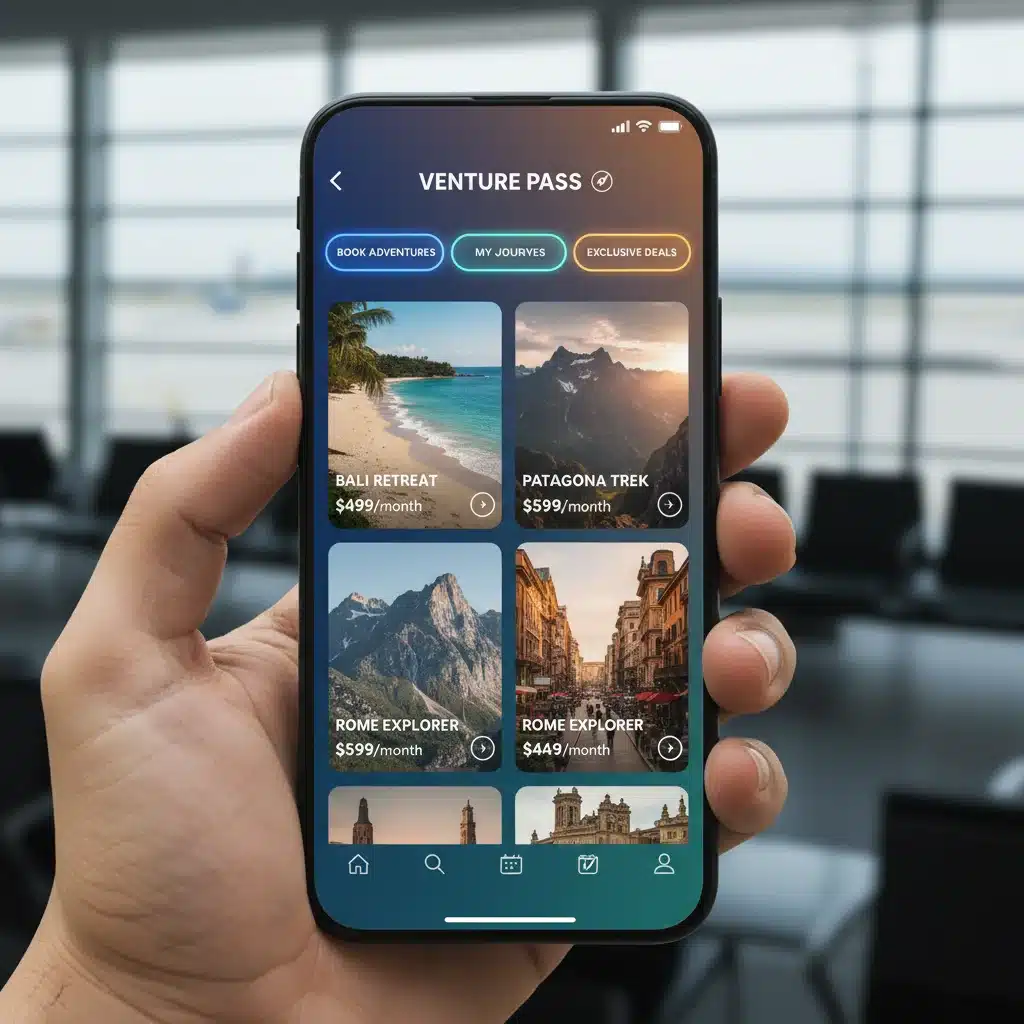
Subscription Travel Models: Will 20% of US Travelers Adopt Them by End of 2026? (Industry Insights)

The travel industry is a dynamic beast, constantly evolving to meet the shifting demands and desires of consumers. From the advent of online travel agencies to the rise of experience-based tourism, innovation has always been at its core. Today, a new paradigm is gaining significant traction: subscription travel models. These models, which offer travelers recurring access to exclusive deals, personalized itineraries, and bundled services for a monthly or annual fee, are poised to revolutionize how Americans plan and experience their journeys.
The central question on the minds of industry analysts, investors, and travelers alike is: will 20% of US travelers adopt these innovative models by the end of 2026? This isn’t just a hypothetical projection; it’s a critical indicator of a seismic shift in consumer behavior and the future profitability of the travel sector. This comprehensive post will delve deep into the intricacies of subscription travel models, exploring their current landscape, the factors driving their growth, the challenges they face, and the strategic implications for the wider travel ecosystem. We will analyze the potential for widespread adoption, drawing on current trends, expert opinions, and consumer insights to provide a holistic view of this exciting frontier.
The Genesis of Subscription Travel Models: A New Era of Exploration
The concept of subscription services is far from new. From Netflix to Spotify, consumers have embraced recurring payment models for entertainment, software, and even everyday essentials. The travel industry, often a late adopter of such innovations, is now catching up. The appeal is clear: convenience, value, and a sense of exclusivity. But what exactly defines a subscription travel model?
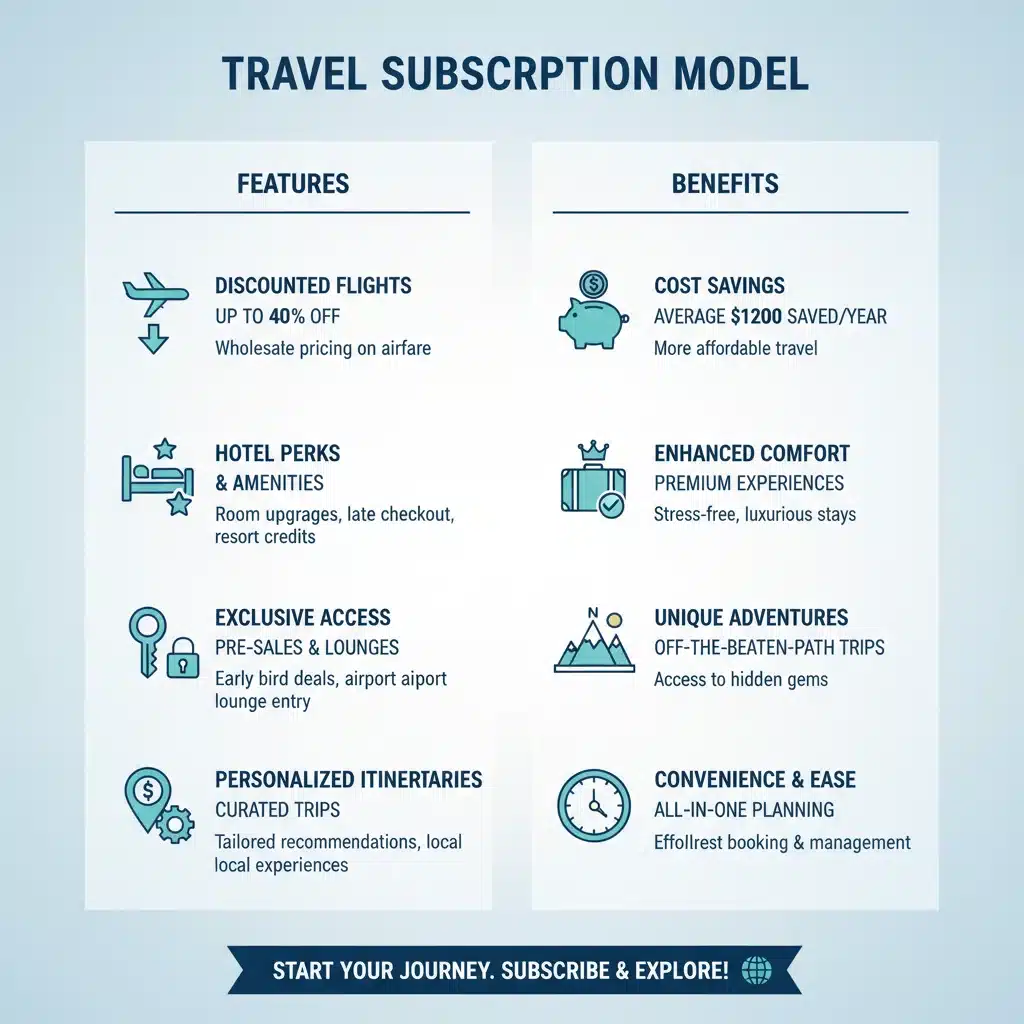
At its core, a subscription travel model offers a curated or discounted travel experience in exchange for a regular fee. These models can take various forms:
- Membership Programs with Exclusive Deals: Think of platforms that offer members access to significantly discounted flights, hotels, or vacation packages not available to the general public.
- Curated Trip Subscriptions: Services that plan and book entire trips for subscribers based on their preferences, often including flights, accommodations, and activities.
- Access to Private Travel Clubs: High-end subscriptions that provide access to luxury accommodations, private jets, or exclusive experiences.
- Loyalty Programs with Enhanced Benefits: While not strictly subscription-based, many traditional loyalty programs are evolving to offer tiered, paid memberships with accelerated benefits that mimic subscription advantages.
- “Fly-All-You-Can” or “Stay-All-You-Can” Passes: Less common but highly innovative models offering unlimited travel within certain parameters for a fixed period.
The emergence of these models is not accidental. It’s a direct response to several converging forces in the travel market. Firstly, consumers are increasingly seeking value and transparency, especially in a post-pandemic world where travel budgets might be tighter. Subscriptions offer predictable costs and often promise significant savings over individual bookings. Secondly, the desire for personalized and hassle-free travel experiences is at an all-time high. Many travelers feel overwhelmed by the sheer volume of options and the complexity of planning. Subscription services, particularly curated ones, aim to simplify this process. Finally, the success of subscription models in other industries has created a consumer expectation for similar offerings in travel.
Driving Forces: Why Subscription Travel is Gaining Momentum
Several key factors are propelling the growth of subscription travel models. Understanding these drivers is crucial to assessing their potential for widespread adoption.
The Quest for Value and Predictability
In an era of fluctuating travel costs and economic uncertainty, consumers are more price-sensitive than ever. Subscription travel models offer a compelling value proposition by providing access to discounted rates, exclusive bundles, or even fixed-price travel for a recurring fee. This predictability in spending is a significant draw, especially for frequent travelers or those on a budget. Imagine knowing your travel costs are largely covered for the year, allowing you to focus on the experience rather than the expense.
The Demand for Personalization and Convenience
Modern travelers crave experiences tailored to their unique preferences. Generic package tours are losing favor to bespoke itineraries. Subscription services are uniquely positioned to deliver on this demand. By collecting data on subscriber preferences, travel history, and interests, these platforms can offer highly personalized recommendations and even proactively plan trips that align perfectly with individual tastes. The convenience of having travel planning handled, or at least significantly streamlined, is a major time-saver for busy individuals and families.
Exclusive Access and Community Building
Humans are inherently drawn to exclusivity. Subscription travel models often leverage this by offering access to deals, destinations, or experiences that are not available to the general public. This sense of being part of an elite club, coupled with the potential for community features within the subscription platform, can foster loyalty and engagement. Travelers might connect with like-minded individuals, share tips, and even plan group trips through the service.
Technological Advancements and Data Analytics
The sophisticated use of data analytics and artificial intelligence is a cornerstone of successful subscription models. These technologies allow platforms to understand consumer behavior, predict demand, optimize pricing, and deliver highly relevant offers. As AI continues to evolve, the personalization capabilities of subscription travel models will only become more refined, further enhancing their appeal.
Shifting Consumer Mindsets
The younger generations, particularly Millennials and Gen Z, have grown up in a subscription economy. They are accustomed to paying recurring fees for services that offer convenience and value. This inherent comfort with subscription models makes them prime candidates for adopting similar structures in their travel habits. As these demographics gain more disposable income and become the dominant force in the travel market, their preference for subscriptions will undoubtedly accelerate adoption rates.
The 20% Adoption Target: A Realistic Outlook?
The projection that 20% of US travelers could adopt subscription travel models by the end of 2026 is ambitious but not without basis. To understand its feasibility, we must consider several factors.
Current Market Penetration and Growth Trajectory
While precise figures for current subscription travel models adoption are nascent, anecdotal evidence and the increasing number of players entering the market suggest a significant upward trend. Companies like Inspirato, Prior, and even traditional airlines like Alaska Airlines with their Flight Pass, are demonstrating viable models. The key will be scaling these niche offerings to a broader market segment.
The "Sweet Spot" for Subscribers
Who is the ideal subscriber for these models? Likely, it’s a segment of the population that travels frequently, values convenience, and is comfortable with digital platforms. This includes business travelers, affluent leisure travelers, and younger demographics who prioritize experiences. The 20% target implies reaching beyond just these early adopters to a significant portion of the mainstream travel market.
Potential Barriers to Adoption
Despite the compelling benefits, several challenges could hinder the rapid adoption of subscription travel models:
- Perceived Value vs. Actual Usage: Consumers might be hesitant to commit to a recurring fee if they don’t perceive sufficient value or if their travel patterns are too unpredictable.
- Lack of Flexibility: Some subscription models might offer less flexibility than traditional booking methods, which could deter travelers who prefer complete control over their plans.
- Trust and Transparency: Building trust in a relatively new model, especially regarding hidden fees or blackout dates, will be crucial.
- Market Fragmentation: A proliferation of different subscription services could confuse consumers and make it difficult for them to choose the best option.
- Economic Headwinds: Broader economic downturns could impact discretionary spending on travel, including subscriptions.
Overcoming these barriers will require innovative product design, transparent communication, and a strong focus on customer satisfaction.
Key Players and Emerging Models in Subscription Travel
The landscape of subscription travel models is diverse and rapidly expanding. Here are some examples of companies and approaches shaping this new frontier:
Luxury and Lifestyle Subscriptions
Companies like Inspirato offer members access to a portfolio of luxury vacation homes, hotels, and experiences for an annual fee, plus nightly rates. These models cater to high-net-worth individuals seeking exclusive, high-quality travel. Prior is another example, providing curated itineraries and insider access for discerning travelers.
Airline and Hotel Passes
Some airlines are experimenting with subscription passes. Alaska Airlines’ Flight Pass, for instance, allows subscribers to fly between certain California airports for a fixed monthly fee. While geographically limited, it represents a significant step towards subscription-based air travel. Similarly, hotel chains might offer tiered membership programs with enhanced benefits for a fee, blurring the lines between loyalty and subscription.
Travel Planning and Concierge Services
Platforms like TripActions (though more B2B focused, its model has elements of managed travel) and emerging consumer-focused services offer personalized trip planning, booking, and support for a recurring fee. These services appeal to travelers who want to offload the complexities of planning.
Budget-Friendly and Niche Subscriptions
Not all subscriptions are high-end. Some services focus on providing access to deeply discounted flights or accommodations for a lower monthly fee, targeting budget-conscious travelers or digital nomads. Niche subscriptions might cater to specific interests, such as adventure travel, wellness retreats, or cultural immersion trips.
The Impact on the Traditional Travel Industry
The rise of subscription travel models will undoubtedly have a profound impact on traditional travel agencies, airlines, hotels, and online travel agencies (OTAs).
For Traditional Travel Agencies
Traditional agencies might find themselves needing to adapt by offering their own subscription-like services, focusing on niche markets, or partnering with subscription platforms to provide specialized support and expertise. The value proposition of a human touch remains, but it may need to be repackaged.
For Airlines and Hotels
Airlines and hotels could view subscriptions as both a threat and an opportunity. They might lose direct bookings to platforms offering bundled deals, but they also have the potential to launch their own subscription programs to foster loyalty and guarantee revenue streams. The challenge will be balancing direct sales with participation in third-party subscription networks.
For Online Travel Agencies (OTAs)
OTAs like Expedia and Booking.com are already ingrained in the digital travel landscape. They could either see their market share eroded by dedicated subscription services or choose to integrate subscription tiers into their existing offerings, leveraging their vast inventory and customer base. The acquisition of smaller subscription players could also be a strategy.
Disruption and Innovation
Ultimately, subscription travel models will drive further innovation across the entire travel industry. Companies that are slow to adapt risk being left behind, while those that embrace these new models and understand evolving consumer preferences will likely thrive.
The Road Ahead: Challenges and Opportunities
Achieving 20% adoption by 2026 is an ambitious goal, and the path is fraught with challenges, but also immense opportunities.
Building Trust and Transparency
One of the biggest hurdles will be building consumer trust. Early subscription models in various industries have sometimes faced criticism for hidden fees, difficult cancellation processes, or limited availability. Subscription travel models must prioritize transparency in pricing, terms, and conditions to avoid alienating potential subscribers. Clear communication about what’s included and what’s not will be paramount.
Ensuring Value and Flexibility
The core promise of a subscription is ongoing value. If subscribers feel they are not getting their money’s worth, churn rates will be high. This means continuously optimizing offerings, ensuring a diverse range of options, and providing flexibility where possible. The ability to pause or adjust subscriptions based on changing travel needs could be a key differentiator.
Technological Scalability and Personalization
As adoption grows, the technology behind these platforms must be able to scale efficiently. This includes robust booking engines, sophisticated data analytics for personalization, seamless user interfaces, and reliable customer support. The more personalized and effortless the experience, the more likely travelers are to commit.
Regulatory Landscape
As subscription travel models become more prevalent, regulatory bodies might start to scrutinize their practices, particularly concerning consumer protection, pricing transparency, and data privacy. Companies must proactively adhere to best practices and advocate for fair and clear regulations.
The Opportunity for Niche Markets
Beyond broad appeal, there’s a significant opportunity for subscription travel models to thrive in niche markets. Imagine subscriptions for adventure travelers, eco-tourists, foodies, or families with young children. By specializing, these services can offer highly tailored value propositions that resonate deeply with specific segments.
The Role of Data in Driving Adoption
Data is the lifeblood of any successful subscription model. For subscription travel models, data analytics will be critical in:
- Understanding Subscriber Behavior: Analyzing travel preferences, booking patterns, and engagement levels to refine offerings.
- Personalized Recommendations: Using AI to suggest destinations, activities, and accommodations that align with individual tastes and past travel.
- Dynamic Pricing and Offer Optimization: Adjusting subscription tiers and exclusive deals based on demand and market conditions.
- Churn Prediction and Retention: Identifying subscribers at risk of cancellation and implementing strategies to re-engage them.
- Fraud Detection and Security: Protecting subscriber data and ensuring the integrity of the platform.
Companies that can effectively leverage data to create hyper-personalized and valuable experiences will be the ones that succeed in capturing a significant share of the market. The more seamless and intuitive the travel planning process becomes through data-driven insights, the higher the adoption rate will be.
The Future of Travel: Beyond 2026
If subscription travel models do indeed capture 20% of the US traveler market by 2026, it will signify a permanent shift in the travel industry. This shift won’t just be about how people book travel; it will influence how they perceive travel, how often they travel, and even where they choose to go. The focus will move from transactional bookings to relationship-based travel experiences.
We might see:
- Integrated Travel Ecosystems: Subscription platforms evolving into comprehensive travel ecosystems, offering not just bookings but also in-destination services, local experiences, and community features.
- Hyper-Personalized Travel: AI-powered agents becoming increasingly sophisticated in anticipating traveler needs and crafting bespoke journeys with minimal input.
- Sustainable Travel Focus: Subscription models incorporating sustainable travel options, carbon offsetting, and eco-friendly partnerships to appeal to environmentally conscious travelers.
- Blended Business and Leisure Travel: Subscriptions catering to the growing "bleisure" trend, offering flexible options for combining work and vacation.
The journey towards widespread adoption of subscription travel models is just beginning. It’s a testament to the industry’s continuous evolution and its capacity to adapt to changing consumer demands. The 20% target, while ambitious, represents a tangible benchmark for a future where travel is more accessible, personalized, and value-driven for a significant portion of the US population.
Conclusion: A Transformative Era for US Travel
The question of whether 20% of US travelers will adopt subscription travel models by the end of 2026 is less about a definitive "yes" or "no" and more about recognizing a powerful and irreversible trend. The convergence of consumer demand for value, personalization, and convenience, coupled with technological advancements, provides a fertile ground for these models to flourish. While challenges related to trust, flexibility, and market saturation exist, innovative companies are actively working to address them.
The current trajectory suggests that a significant portion of US travelers will indeed embrace the recurring benefits and streamlined experiences offered by subscription travel models. This shift will not merely alter booking patterns; it will fundamentally reshape the competitive landscape of the travel industry, forcing traditional players to innovate and encouraging a new generation of travel entrepreneurs. As we move closer to 2026, the travel world will undoubtedly be a more subscription-centric place, offering exciting new ways for Americans to explore the globe.