Second City Travel: Why 45% of US Tourists Choose Lesser-Known Destinations by 2026
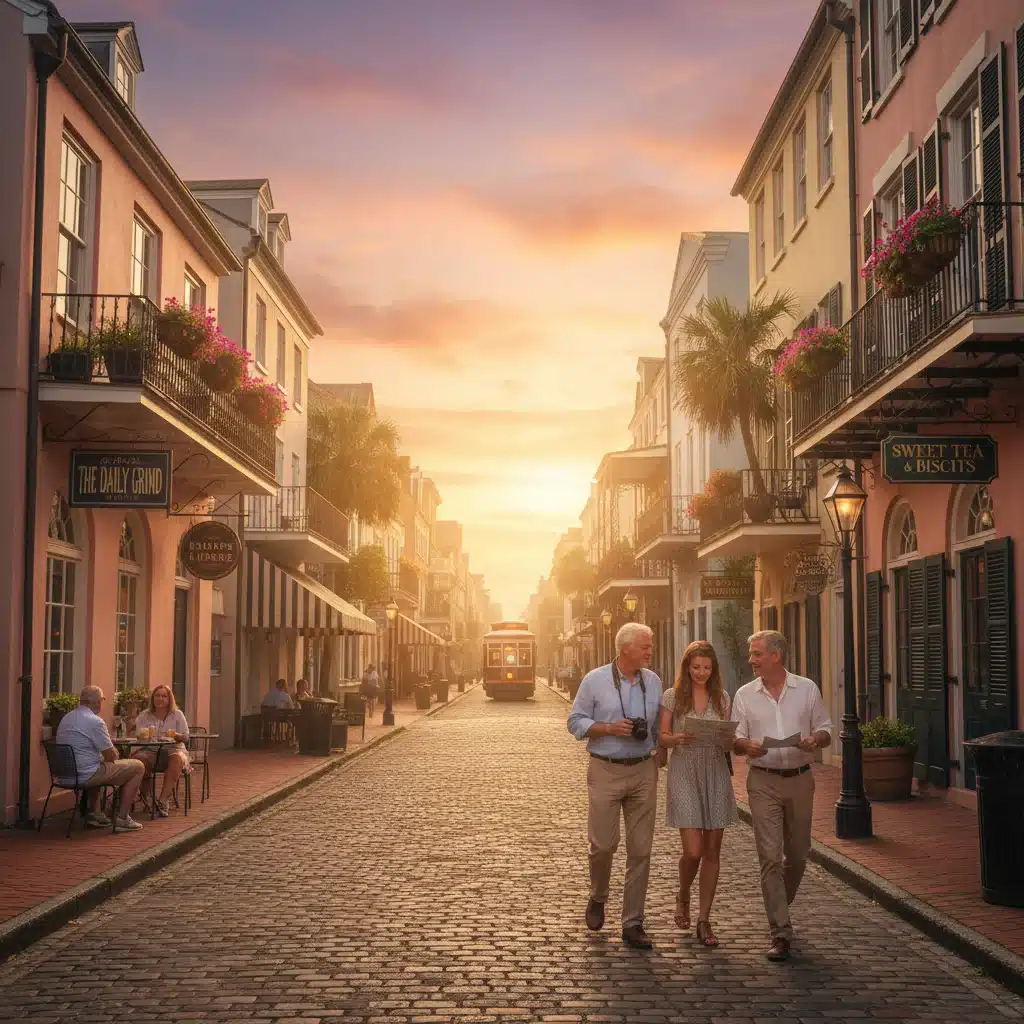
The landscape of American tourism is undergoing a significant transformation. For decades, iconic metropolises like New York, Los Angeles, and Miami have dominated travel itineraries, drawing millions with their star power and established attractions. However, a compelling new trend, dubbed the ‘second city’ phenomenon, is rapidly gaining momentum, signaling a profound shift in traveler preferences. Recent projections indicate that by 2026, an astonishing 45% of US tourists will intentionally opt for lesser-known destinations, bypassing the traditional hotspots in favor of more authentic, unique, and often more sustainable experiences. This burgeoning interest in second city travel is not merely a fleeting fad; it represents a fundamental re-evaluation of what constitutes a fulfilling vacation, driven by a confluence of economic, social, and experiential factors.
This article delves deep into the heart of the second city travel phenomenon, exploring the multifaceted reasons behind its rise, the profound benefits it offers to both travelers and host communities, and the exciting implications for the future of tourism. We will examine how the desire for genuine cultural immersion, the pursuit of affordability, and the increasing awareness of sustainable travel practices are collectively propelling this movement forward. Furthermore, we will analyze the challenges and opportunities that arise as smaller cities suddenly find themselves in the spotlight, tasked with balancing increased tourism with the preservation of their unique character. Understanding second city travel is crucial for anyone interested in the evolving dynamics of the travel industry, from seasoned explorers seeking new adventures to policymakers and businesses looking to adapt to this transformative trend.
The Allure of the Undiscovered: Why Travelers Are Shifting Gears
The gravitation towards second city travel is not a singular, monolithic decision but rather a culmination of several powerful motivations that resonate deeply with modern travelers. The romanticized image of the bustling metropolis, while still appealing to some, is increasingly being challenged by the promise of something different, something more personal and profound. Let’s unpack the key drivers behind this significant shift.
Seeking Authenticity and Local Immersion
One of the most compelling reasons behind the rise of second city travel is the profound desire for authenticity. In an increasingly globalized and homogenized world, travelers are actively seeking experiences that feel genuine, unvarnished, and deeply rooted in local culture. Major tourist hubs, while offering world-class attractions, can sometimes feel overwhelming and overly commercialized, leading to a sense of detachment. Lesser-known cities, on the other hand, often provide a more intimate and unfiltered glimpse into local life. Here, travelers can stumble upon hidden gems, engage in spontaneous conversations with residents, and experience traditions that haven’t been diluted by mass tourism.
Imagine strolling through a farmers’ market in a small Midwestern town, tasting regional delicacies prepared by local vendors, or attending a community festival that celebrates unique heritage – these are the moments that truly define an authentic travel experience. Second city travel allows for deeper cultural immersion, fostering a sense of connection and understanding that is often elusive in more crowded destinations. This pursuit of ‘real’ experiences is a powerful motivator, particularly for younger generations of travelers who prioritize meaningful encounters over simply checking off a list of famous landmarks.
The Quest for Affordability and Value
Economic considerations play a crucial role in travel decisions, and the cost of visiting major cities has become a significant deterrent for many. Accommodation, dining, transportation, and attraction tickets in popular destinations can quickly accumulate, making a trip prohibitively expensive for budget-conscious travelers. Second city travel often presents a more financially viable alternative.
Lesser-known cities typically boast lower costs of living, which translates directly into more affordable travel. Hotels, Airbnb rentals, restaurants, and even local transportation are generally less expensive, allowing travelers to stretch their budgets further. This affordability doesn’t necessarily mean sacrificing quality; instead, it often means getting more value for money. A traveler might be able to afford a longer stay, indulge in finer dining experiences, or participate in more activities in a second city than they could in a primary hub. This economic advantage makes second city travel an attractive option for families, students, and anyone looking to maximize their travel investment without compromising on a rich and rewarding experience.
Escaping the Crowds and Embracing Serenity
Over-tourism is a growing concern in many popular destinations, leading to overcrowded attractions, long queues, and a diminished sense of enjoyment. The constant jostle for space, the noise, and the feeling of being just one of many can detract significantly from the travel experience. Second city travel offers a welcome respite from this urban congestion.
By choosing smaller, less-frequented locales, travelers can enjoy a greater sense of peace and personal space. Attractions are less crowded, allowing for more contemplative engagement with art, history, or nature. Restaurants are often easier to get into, and the pace of life generally feels slower and more relaxed. This desire for tranquility and a less hectic travel experience is a powerful draw, particularly for those seeking a genuine escape from the pressures of daily life. The ability to explore at one’s own pace, without feeling rushed or overwhelmed by crowds, is a key benefit that second city travel inherently offers.
The Influence of Social Media and Niche Interests
While social media has often been blamed for promoting ‘Instagrammable’ hotspots, it is also playing a pivotal role in popularizing second city travel. Travelers are increasingly sharing their unique discoveries from off-the-beaten-path locations, inspiring others to seek out similar experiences. Blogs, vlogs, and platforms like TikTok are showcasing the charm of smaller towns, their unique culinary scenes, burgeoning art communities, and outdoor adventures, proving that there’s rich potential beyond the well-trodden path.
Moreover, modern travelers often have highly specific niche interests – whether it’s craft beer tourism, historical reenactments, specific outdoor sports, or obscure art forms. Second city travel allows them to pursue these passions in dedicated communities that might not exist in larger, more generalized tourist centers. This targeted approach to travel, fueled by online communities and personalized recommendations, further drives the trend towards lesser-known destinations.
The Economic and Social Impact on Host Communities
The rise of second city travel is not just a boon for travelers; it carries significant economic and social implications for the host communities themselves. As tourism diversifies and spreads beyond traditional hubs, it brings both immense opportunities and unique challenges for these emerging destinations.
Economic Diversification and Local Empowerment
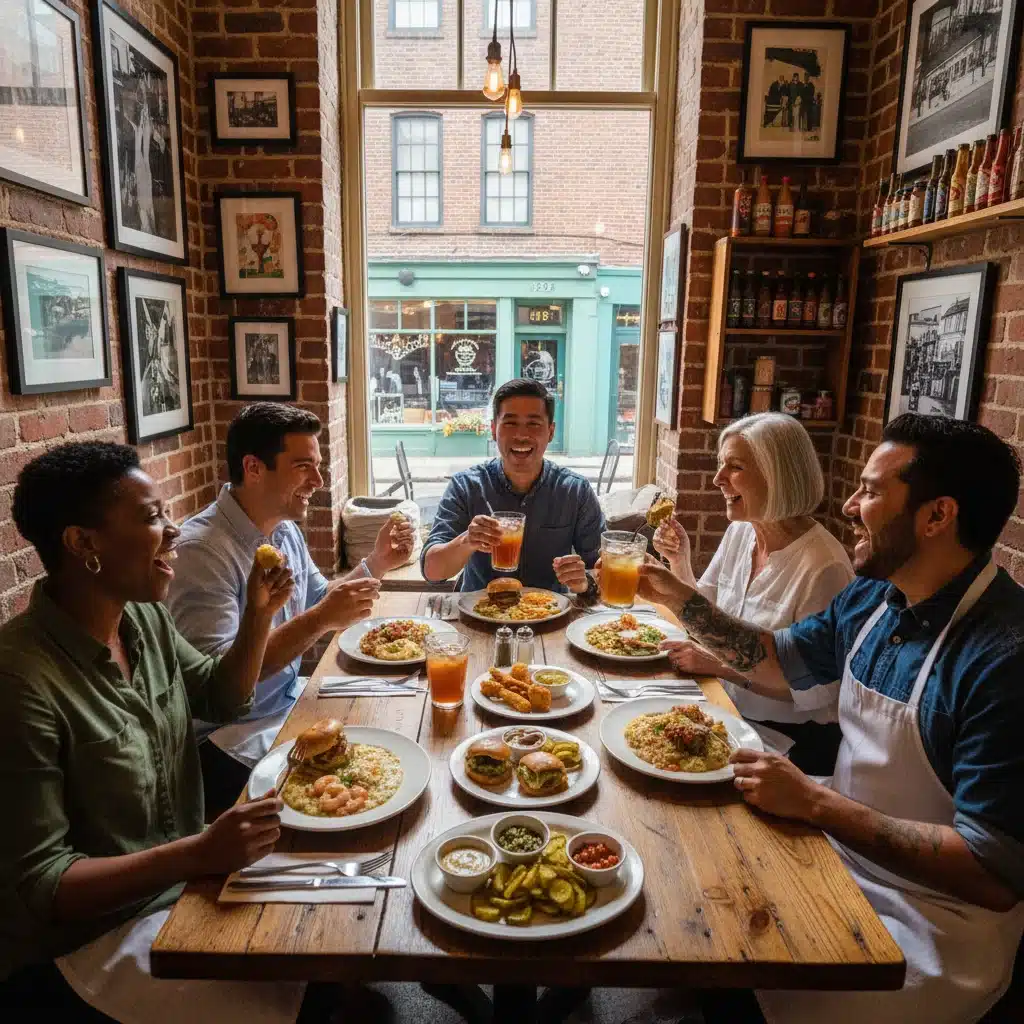
For many smaller cities and towns, increased tourism can be a powerful engine for economic growth and diversification. Unlike major cities that may rely on a few dominant industries, second city travel can stimulate a broader range of local businesses. This includes independent hotels, bed and breakfasts, family-owned restaurants, artisan shops, local tour operators, and cultural institutions.
The influx of tourist dollars directly supports these small businesses, creating jobs and fostering local entrepreneurship. It can help revitalize downtown areas, encourage investment in infrastructure, and provide funding for the preservation of historical sites and natural landscapes. Crucially, this type of tourism often keeps more money circulating within the local economy, as visitors are more likely to spend at locally-owned establishments rather than international chains. This empowerment of local businesses and residents is a cornerstone benefit of the second city travel phenomenon.
Preservation of Culture and Heritage
When tourism is concentrated in a few major areas, there’s a risk of cultural erosion, where local traditions and heritage are commodified or altered to cater to a mass audience. Second city travel, by its very nature, often seeks out and celebrates authentic local culture. This increased appreciation can incentivize communities to preserve their unique heritage, historical buildings, traditional crafts, and culinary practices.
Local governments and community organizations may find new resources and motivation to invest in cultural programs, restore historical landmarks, and promote local artists and artisans. Travelers seeking genuine experiences often become advocates for these unique cultural expressions, helping to ensure their longevity. This mutual benefit – travelers gaining authentic experiences and communities preserving their identity – is a powerful positive externality of this trend.
Challenges of Growth: Infrastructure and Identity
While the benefits are substantial, the rapid growth of second city travel also presents challenges. Many smaller cities may not have the existing infrastructure to handle a sudden surge in visitors. This can include limited accommodation options, inadequate public transportation, strained utilities, and a lack of trained tourism staff.
Furthermore, there’s a delicate balance to strike between welcoming tourists and preserving the local character that made the destination appealing in the first place. Over-tourism, even in smaller doses, can lead to rising costs for residents, environmental degradation, and a loss of community identity if not managed carefully. Strategic planning, sustainable development initiatives, and community engagement are essential to ensure that second city travel remains a positive force for both visitors and residents.
The Future of Travel: Sustainability and Responsible Exploration
The trajectory of second city travel is inextricably linked to the broader movement towards sustainable and responsible tourism. As travelers become more environmentally and socially conscious, their choices increasingly reflect these values, further fueling the shift away from mass tourism.
Environmental Considerations and Lower Carbon Footprint
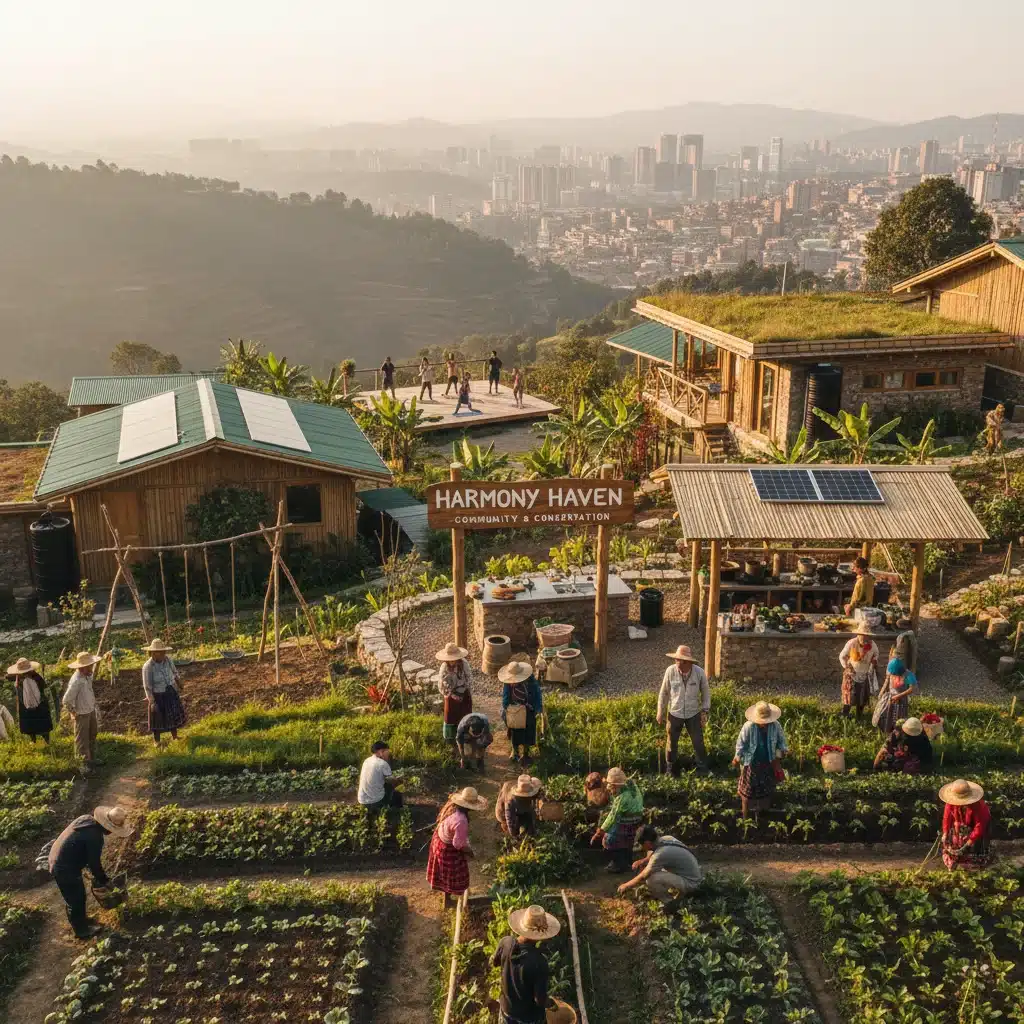
One of the significant advantages of second city travel, particularly when planned thoughtfully, is its potential for a lower environmental impact. While air travel still contributes to carbon emissions, the experience within a smaller city can be inherently more sustainable. These destinations often encourage walking, cycling, or using local public transport more readily than sprawling metropolises. Furthermore, the attractions themselves might be more nature-based or community-focused, reducing the reliance on energy-intensive operations often found in mega-attractions.
Travelers engaging in second city travel are often more inclined to support eco-friendly accommodations, eat at farm-to-table restaurants that source locally, and participate in activities that respect the natural environment. This conscious approach to travel helps to minimize the carbon footprint associated with a vacation, aligning with the growing global imperative for environmental stewardship.
Supporting Ethical Tourism and Local Economies
Responsible tourism is about making choices that benefit the local community and minimize negative impacts. Second city travel inherently lends itself to this philosophy. By choosing to visit a smaller town, travelers are often directly supporting local families and entrepreneurs, rather than large corporations. This means their tourism dollars are more likely to stay within the community, creating a more equitable distribution of wealth from tourism.
Ethical considerations also extend to cultural respect. When engaging in second city travel, visitors often have more opportunities for meaningful interactions with locals, fostering a greater understanding and appreciation of different cultures. This can lead to more respectful behavior and a reduced risk of cultural appropriation or exploitation that can sometimes occur in mass tourism settings. Travelers become more than just consumers; they become temporary members of a community, contributing positively to its well-being.
The Role of Technology in Sustainable Travel
Technology plays a dual role in shaping the future of second city travel. On one hand, it helps travelers discover these hidden gems through personalized recommendations and user-generated content. On the other hand, it can also facilitate more sustainable practices. Apps and platforms can connect travelers with local, eco-friendly businesses, provide information on public transport options, and even allow for direct booking with community-based tour operators.
Furthermore, data analytics can help destinations manage visitor flows, preventing overcrowding and ensuring that tourism remains sustainable. Smart city initiatives in some emerging destinations are leveraging technology to optimize resource use, reduce waste, and enhance the overall visitor experience without compromising environmental integrity. The integration of technology will be crucial in balancing growth with sustainability in the evolving landscape of second city travel.
Navigating the New Travel Frontier: Tips for Embracing Second City Travel
For those eager to join the 45% of US tourists venturing into lesser-known territories by 2026, embracing second city travel requires a slightly different approach than planning a trip to a major hub. Here are some practical tips to help you make the most of this exciting travel trend:
Do Your Research Beyond the Guidebooks
While traditional guidebooks might offer limited information on smaller cities, the internet is a treasure trove of insights. Dive into local blogs, community forums, social media groups, and niche travel websites. Look for recommendations from locals, explore less-known attractions, and discover events that might not be widely advertised. Websites like Atlas Obscura or specific regional tourism boards can be excellent resources for uncovering unique experiences in second city travel destinations.
Embrace Flexibility and Spontaneity
One of the joys of second city travel is the opportunity for spontaneous discovery. While it’s good to have a general idea of what you want to do, be open to changing your plans based on local recommendations or unexpected opportunities. A casual conversation with a barista might lead you to the best hidden art gallery, or a local flyer could introduce you to a community event you never knew existed. Allow yourself to wander and explore without a rigid itinerary.
Support Local Businesses
A core tenet of responsible second city travel is to contribute directly to the local economy. Choose independent hotels, dine at family-owned restaurants, shop at artisan boutiques, and hire local guides. This not only ensures your money stays within the community but also provides a more authentic and often higher-quality experience. Ask locals for their favorite spots – they’ll often point you to the best, most authentic places.
Respect Local Culture and Environment
When visiting a smaller community, cultural sensitivity and environmental consciousness are paramount. Learn a few basic phrases in the local language if applicable, dress appropriately for religious or cultural sites, and always ask for permission before taking photos of people. Be mindful of your environmental impact: minimize waste, conserve water and energy, and stick to marked trails when exploring natural areas. Your respectful behavior makes a significant difference in how locals perceive tourists and helps foster positive relationships.
Consider Off-Season Travel
To further enhance the crowd-free experience and potentially find even better deals, consider visiting second city travel destinations during their shoulder seasons or even off-season. You might encounter different weather, but you’ll often find a more relaxed atmosphere, lower prices, and a chance to experience the destination as locals do, without the peak tourist rush.
Conclusion: The Evolving Landscape of American Tourism
The projection that 45% of US tourists will opt for lesser-known destinations by 2026 is more than just a statistic; it signifies a profound and exciting evolution in the way Americans travel. The second city travel phenomenon is driven by a collective yearning for authenticity, affordability, and a more meaningful connection with the places we visit. It reflects a growing awareness of the impact of tourism, pushing travelers towards more sustainable and responsible choices that benefit both themselves and the host communities.
As this trend continues to gather pace, we can expect to see a revitalization of countless smaller cities and towns across the United States. These destinations, once overlooked, are now emerging as vibrant cultural hubs, offering unique experiences that simply cannot be replicated in the well-trodden paths of major metropolises. For travelers, it opens up a world of undiscovered charm, genuine encounters, and the profound satisfaction of exploring beyond the obvious.
For the tourism industry, this shift demands adaptation and innovation. It calls for investment in sustainable infrastructure, thoughtful marketing strategies that highlight unique local offerings, and a commitment to preserving the very essence that makes these second city travel destinations so appealing. The future of American tourism is not just about visiting places; it’s about discovering them, connecting with them, and leaving them better than we found them. The rise of second city travel is a testament to this evolving ethos, promising a richer, more diverse, and more responsible travel landscape for years to come.