2026 Ethical Travel Alert: New Policies Protecting Indigenous Cultural Heritage Sites
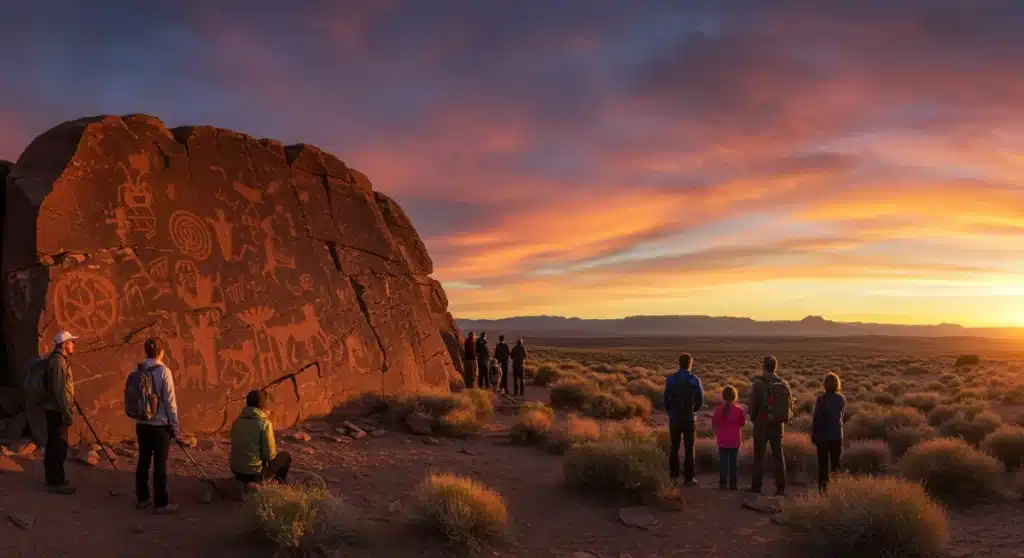
The 2026 Ethical Travel Alert heralds a new era for responsible tourism in the United States, implementing comprehensive policies to safeguard Indigenous cultural heritage sites and promote respectful visitor interactions.
The landscape of travel is continually evolving, with a growing emphasis on responsibility and respect. In 2026, a significant shift is underway with the introduction of the Indigenous Cultural Heritage Protection policies, redefining how travelers engage with sacred lands and communities across the United States. This crucial ethical travel alert serves as a beacon for conscientious explorers, guiding them toward practices that honor and preserve the invaluable legacy of Indigenous peoples.
Understanding the 2026 Ethical Travel Alert
The 2026 Ethical Travel Alert represents a pivotal moment in the discourse surrounding tourism and cultural preservation. It’s not merely a set of guidelines but a comprehensive framework designed to ensure that the increasing popularity of heritage tourism does not inadvertently harm the very sites it seeks to celebrate.
This alert was developed through extensive collaboration between federal agencies, Indigenous tribal governments, tourism organizations, and conservation groups. The goal is to create a sustainable model for visitors to experience these sites while actively contributing to their protection and the well-being of local communities.
The Genesis of New Policies
For years, Indigenous communities have advocated for stronger protections for their ancestral lands and cultural sites. The 2026 policies are a direct response to these calls, acknowledging the historical oversight and current challenges faced by these sacred places. They reflect a deeper understanding of Indigenous sovereignty and the profound spiritual and historical significance of these sites.
- Increased consultation with tribal nations on land management decisions.
- Mandatory cultural sensitivity training for tour operators.
- Stricter penalties for desecration or unauthorized access to sacred areas.
- Funding initiatives for Indigenous-led conservation and interpretation programs.
The alert underscores the importance of traveler education, urging individuals to move beyond passive observation to active participation in responsible tourism. It challenges the industry to prioritize ethical considerations alongside economic benefits, fostering a more equitable and respectful relationship with Indigenous cultures.
Key Components of Indigenous Cultural Heritage Protection
The core of the 2026 policies lies in their multi-faceted approach to protecting Indigenous cultural heritage. These components are designed to work in concert, creating a robust shield around sites that are not only historically significant but also living cultural landscapes.
One of the primary components is the establishment of clearer boundaries and designations for protected areas. This includes both federally recognized sites and those identified by tribal nations as culturally significant, even if not traditionally marked on public maps. The aim is to prevent accidental encroachment and ensure that visitors are fully aware of sensitive zones.
Enhanced Site Management and Monitoring
New technologies are being deployed to monitor sites for unauthorized activity and environmental damage. This includes drone surveillance, advanced sensor networks, and community-led watch programs. The data collected helps in proactive conservation efforts and swift response to any violations.
- Real-time monitoring systems for sensitive areas.
- Community patrols and Indigenous ranger programs.
- Collaboration with law enforcement for rapid incident response.
- Digital archiving of cultural assets to safeguard against loss.
Furthermore, the policies emphasize the importance of traditional ecological knowledge in site management. Indigenous experts are now playing a central role in advising on conservation strategies, ensuring that practices are culturally appropriate and ecologically sound. This integration of traditional wisdom with modern science offers a holistic approach to heritage protection.
Impact on Travelers: What You Need to Know
For individuals planning to explore the rich tapestry of Indigenous cultural sites in the United States, the 2026 Ethical Travel Alert brings important changes. These changes are not designed to restrict access unnecessarily but rather to ensure that visits are conducted in a manner that respects the land, its history, and its people.
Travelers are now expected to undertake a greater level of personal responsibility before and during their journeys. This includes researching the specific cultural protocols of the regions they intend to visit and adhering strictly to designated pathways and regulations.
New Visitor Guidelines and Permits
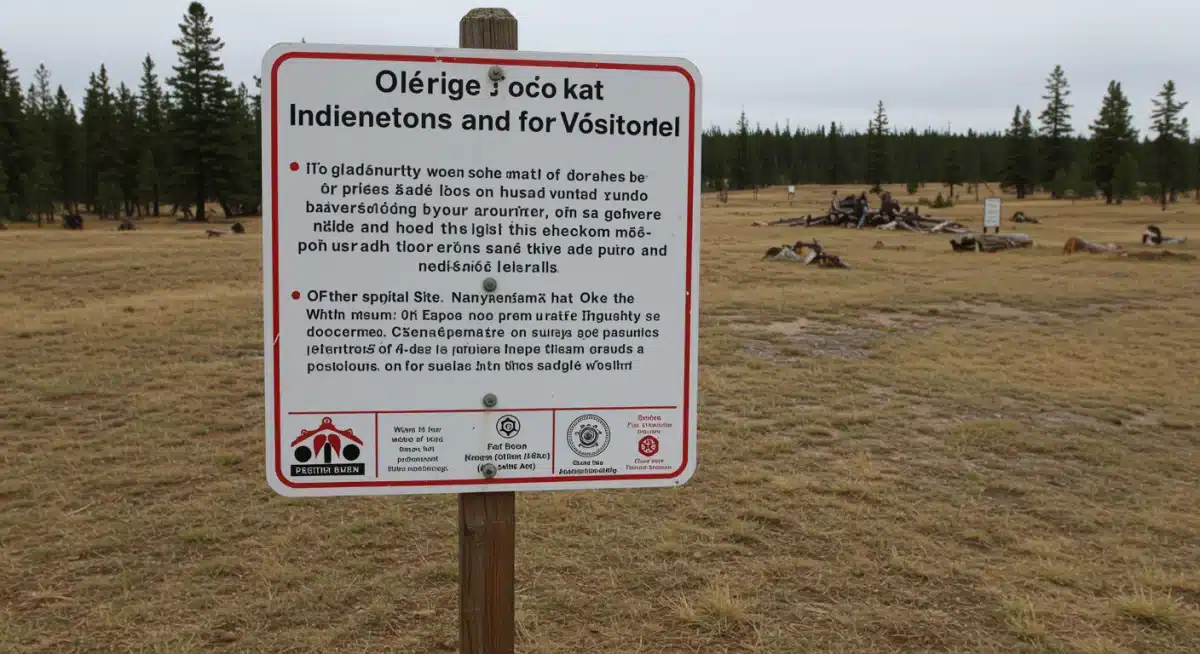
Many previously accessible sites now require special permits or guided tours led by authorized Indigenous cultural interpreters. These measures are in place to manage visitor numbers, minimize environmental impact, and ensure that cultural narratives are shared authentically and respectfully.
- Mandatory online educational modules before permit application.
- Designated visitor centers for orientation and cultural briefings.
- Strict adherence to ‘leave no trace’ principles, with enhanced enforcement.
- Restrictions on drone usage and commercial photography without explicit permission.
The alert also encourages travelers to engage directly with Indigenous communities through approved cultural programs and businesses. This not only provides economic benefits to the communities but also offers a deeper, more meaningful understanding of their heritage. Supporting local artisans, guides, and cultural centers is a direct way to contribute positively.
Promoting Responsible Tourism Practices
Responsible tourism goes beyond simply avoiding harm; it actively seeks to create positive impacts. The 2026 policies are designed to instill a proactive approach in travelers, encouraging them to be agents of preservation and cultural understanding.
This involves a shift in mindset, from viewing cultural sites as mere attractions to recognizing them as living landscapes with profound spiritual and historical significance. It means understanding that every interaction, no small, has an effect.
The Role of Education and Awareness
A significant portion of the new alert focuses on educational campaigns targeting both the travel industry and the general public. These campaigns highlight the importance of cultural sensitivity, the history of Indigenous peoples, and the ongoing efforts to protect their heritage.
- Public service announcements across various media platforms.
- Curriculum development for schools focusing on Indigenous history and culture.
- Partnerships with travel influencers to disseminate ethical travel messages.
- Accessible online resources detailing site-specific protocols and cultural norms.
By raising awareness, the policies aim to cultivate a generation of travelers who are not only respectful but also informed advocates for Indigenous rights and heritage. The emphasis is on building bridges of understanding and fostering genuine appreciation.
Collaboration with Indigenous Communities
A cornerstone of the 2026 Ethical Travel Alert is the unprecedented level of collaboration between federal and state governments and Indigenous tribal nations. This partnership recognizes the sovereignty of Indigenous peoples and their inherent right to manage and protect their own heritage.
This collaborative model ensures that policies are not imposed from the outside but are instead co-created, reflecting the diverse needs and perspectives of the communities themselves. It’s a move away from historical patterns of paternalism towards genuine partnership.
Shared Governance and Decision-Making
New joint councils and advisory boards have been established, comprising representatives from tribal governments, federal agencies, and cultural preservation organizations. These bodies are responsible for overseeing the implementation of the new policies, mediating disputes, and adapting strategies as needed.
- Establishment of Indigenous-led cultural resource management committees.
- Joint funding initiatives for heritage preservation and economic development.
- Formal agreements for shared jurisdiction over certain culturally significant lands.
- Training programs for non-Indigenous park staff on tribal history and protocols.
This collaborative approach ensures that the protection efforts are culturally appropriate, sustainable, and reflect the deep connection Indigenous peoples have to their ancestral lands. It represents a significant step towards reconciliation and respect.
Future Outlook for Ethical Travel in the US
The introduction of the 2026 Ethical Travel Alert and its accompanying policies marks a transformative period for travel within the United States. It sets a new benchmark for how visitors interact with the nation’s diverse cultural heritage, particularly that of Indigenous peoples.
This proactive stance is expected to foster a more profound and respectful form of tourism, where every journey contributes positively to the preservation of history and the empowerment of communities. The long-term vision is one where cultural sites thrive, sustained by informed and responsible visitors.
Evolving Traveler Expectations and Industry Standards
As these policies become more ingrained, traveler expectations are likely to shift. There will be a greater demand for tour operators and travel agencies that prioritize ethical practices and transparently demonstrate their commitment to cultural preservation. The industry will need to adapt to these new standards, integrating them into their core business models.
- Certification programs for ethical tour operators.
- Increased consumer scrutiny of travel company sustainability reports.
- Development of new travel itineraries focused on deep cultural immersion.
- Technological innovations to enhance responsible visitor management.
Ultimately, the 2026 alert is not just about rules; it’s about fostering a deeper spiritual and intellectual engagement with the land and its original stewards. It invites travelers to become part of a larger movement towards a more just and sustainable world, one respectful journey at a time.
| Key Aspect | Brief Description |
|---|---|
| Policy Focus | Comprehensive framework for Indigenous cultural heritage protection in US travel. |
| Traveler Impact | Requires increased responsibility, research, and adherence to new site guidelines. |
| Community Collaboration | Emphasizes joint governance and Indigenous-led decision-making for site management. |
| Future of Tourism | Aims for more respectful, informed, and sustainable travel experiences across the nation. |
Frequently Asked Questions About Ethical Travel and Heritage Protection
It means you’ll need to be more informed and responsible when visiting Indigenous cultural heritage sites. This includes researching specific site protocols, potentially obtaining permits, and adhering to new guidelines to ensure respectful engagement and preservation.
Always seek out official information from tribal nations or authorized cultural centers. Participate in guided tours led by Indigenous interpreters, support local Indigenous businesses, and strictly follow all posted rules and ‘leave no trace’ principles. Avoid unauthorized areas.
Yes, the 2026 policies include stricter enforcement and increased penalties for actions that damage, deface, or disrespect Indigenous cultural heritage sites. These measures aim to deter harmful behavior and underscore the gravity of such offenses.
The best sources are the official websites of tribal governments, national park services in collaboration with Indigenous communities, and reputable cultural organizations. Avoid relying solely on general travel guides, as policies are rapidly evolving.
These policies empower Indigenous communities by granting them greater control over their heritage sites, promoting economic opportunities through cultural tourism, and ensuring their traditional knowledge is respected and integrated into preservation efforts, fostering self-determination.
Conclusion
The 2026 Ethical Travel Alert marks a profound and necessary evolution in how we approach travel and cultural engagement across the United States. By prioritizing the protection of Indigenous Cultural Heritage Protection, these new policies not only safeguard invaluable historical and spiritual sites but also foster a deeper, more meaningful connection between travelers and the rich tapestry of Indigenous cultures. This shift towards responsible tourism is a testament to growing awareness and a collective commitment to ensuring that the legacy of Indigenous peoples is honored, respected, and preserved for generations to come. It calls upon every traveler to embrace their role as stewards of history and culture, making every journey a contribution to a more ethical and understanding world.