Zero-Waste Travel: Eco-Friendly Road Trip Strategies for the U.S.

In an era where environmental consciousness is no longer a niche concern but a global imperative, the way we travel is undergoing a significant transformation. As we look towards 2026 and beyond, the concept of Zero-Waste Travel is gaining unprecedented momentum, especially for those venturing on road trips across the vast and beautiful United States. Imagine traversing stunning landscapes, from the majestic Rockies to the serene coastlines, all while leaving virtually no trace behind. This isn’t just an idealistic vision; it’s an achievable reality with strategic planning and a commitment to sustainable practices.
Road trips, by their very nature, offer a unique opportunity to connect with nature and local communities. However, they also present challenges in terms of waste generation, from single-use plastics to food packaging. The good news is that embracing Zero-Waste Travel isn’t about deprivation; it’s about mindful consumption, smart packing, and innovative choices that enhance your travel experience while protecting the planet. This comprehensive guide will explore five innovative strategies that will empower you to embark on truly eco-friendly adventures across the U.S. in 2026. We’ll delve into practical tips, essential gear, and a mindset shift that will redefine your relationship with the road.
The urgency to adopt sustainable travel practices stems from the alarming statistics surrounding waste. Annually, millions of tons of waste end up in landfills, polluting our ecosystems and contributing to climate change. As travelers, we have a collective responsibility to mitigate our impact. Zero-Waste Travel is a powerful way to contribute to this global effort, demonstrating that adventure and environmental stewardship can, and should, go hand in hand. So, buckle up, and let’s explore how you can make your next U.S. road trip a beacon of sustainability.
1. Master the Art of Mindful Packing: Your Foundation for Zero-Waste Travel
The journey towards Zero-Waste Travel begins long before you hit the open road. It starts with a conscious and deliberate approach to packing. Every item you bring, or choose not to bring, has an impact on your waste output. Mindful packing isn’t just about efficiency; it’s about minimizing disposables and maximizing reusables. This strategy is perhaps the most fundamental and impactful step you can take.
Essential Reusables: Your Zero-Waste Toolkit
Think of your packing list as a personalized zero-waste toolkit. The goal is to replace single-use items with durable, reusable alternatives. Here’s what should be in your arsenal:
- Reusable Water Bottle: This is non-negotiable. Invest in a high-quality, insulated water bottle that you can refill at water fountains, cafes, or even from larger water containers in your vehicle. This eliminates the need for countless plastic bottles. Many national parks and rest stops now offer filtered water stations, making refills even easier.
- Coffee Cup/Travel Mug: For the coffee lovers, a reusable travel mug is a game-changer. Most coffee shops offer discounts for bringing your own, and it significantly reduces the waste from disposable cups, lids, and stirrers.
- Cutlery Set and Straw: Pack a lightweight, portable cutlery set (bamboo or stainless steel) and a reusable straw (metal, bamboo, or silicone). This allows you to say no to plastic cutlery when eating on the go.
- Cloth Napkins/Handkerchiefs: Ditch paper napkins and tissues. Cloth alternatives are washable and endlessly reusable.
- Reusable Shopping Bags: Keep several sturdy, compact reusable bags in your car for groceries, souvenirs, or any spontaneous purchases.
- Food Containers: Collapsible silicone or stainless steel food containers are perfect for packing snacks, leftovers, or even getting takeout without generating excess waste.
- Solid Toiletries: Transition to solid shampoo, conditioner, soap, and even toothpaste tabs. These eliminate plastic bottles and are often more concentrated, lasting longer.
- Menstrual Cup/Reusable Pads: For those who menstruate, these are excellent sustainable alternatives to disposable products.
The ‘Less is More’ Philosophy
Beyond specific items, embrace the ‘less is more’ philosophy. Overpacking not only burdens your vehicle but also increases the likelihood of acquiring unnecessary items that might become waste. Consider multi-functional clothing items and toiletries that serve several purposes. Before packing, ask yourself: ‘Do I truly need this, or is there a reusable alternative?’ This critical self-assessment is key to effective Zero-Waste Travel.
Furthermore, repairing items instead of replacing them, even on the road, can contribute to waste reduction. A small sewing kit or basic repair tools can extend the life of your gear. By meticulously planning your packing with reusables and minimalism in mind, you set a strong foundation for a truly sustainable road trip.
2. Smart Food Management: Reducing Waste from Meals on the Go
Food consumption is a major contributor to waste during travel. From single-serving snack packages to restaurant leftovers, the potential for disposables is high. Implementing smart food management strategies is crucial for achieving Zero-Waste Travel status on your U.S. road trip.
Pre-Planning and Bulk Buying
Before you even leave home, plan your meals and snacks. This allows you to buy ingredients in bulk, significantly reducing packaging waste. Instead of individual snack bags, purchase larger quantities of nuts, dried fruit, granola, or pretzels and portion them into reusable containers or cloth bags. Farmers’ markets are excellent places to stock up on fresh produce with minimal packaging.
Cooking and Preparing Your Own Food
One of the most effective ways to reduce food waste and packaging is to prepare your own meals. If your road trip includes camping or accommodations with kitchenettes, utilize them! A portable stove and cooler can open up a world of possibilities for cooking delicious, waste-free meals on the road. This also often leads to healthier eating and saves money.
For quick stops, pack a variety of homemade sandwiches, wraps, or salads in reusable containers. This eliminates the need for fast food packaging and ensures you know exactly what ingredients you’re consuming.
Navigating Restaurants and Takeout Sustainably
Even when dining out, you can practice Zero-Waste Travel. If you know you’ll have leftovers, bring your own reusable container to the restaurant and ask them to pack your food in it. While not all establishments may accommodate, many are becoming more open to the idea. Similarly, when ordering takeout, ask if they can use your containers or if they have compostable packaging options.
Choose restaurants that prioritize sustainability, offer locally sourced ingredients, and have robust recycling or composting programs. A quick search online or asking locals can help you identify these eco-conscious eateries.
Composting and Food Scraps
Food scraps are inevitable. If you’re camping or staying in an area with composting facilities, consider bringing a small, sealable container for organic waste. Many national parks and campgrounds are implementing composting initiatives. If not, consider a portable compost bin for longer trips, or at the very least, be mindful of where you dispose of organic waste, ensuring it doesn’t attract wildlife or become a nuisance.
3. Responsible Waste Management: Beyond the Bin
Even with the most diligent efforts in mindful packing and smart food management, some waste is unavoidable. The key to Zero-Waste Travel then shifts to responsible waste management. This means understanding local recycling rules, actively seeking out proper disposal points, and minimizing what goes to landfill.
Know Before You Go: Recycling Rules
Recycling guidelines vary significantly from state to state, and even county to county. Before you embark on your road trip, or as you enter a new region, take a few minutes to research local recycling rules. What plastics are accepted? Is glass recycled? Are there specific collection points for aluminum cans? Having this knowledge prevents ‘wish-cycling’ (putting non-recyclable items into the recycling bin, contaminating the stream) and ensures your efforts are effective.
Designate Waste Streams in Your Vehicle
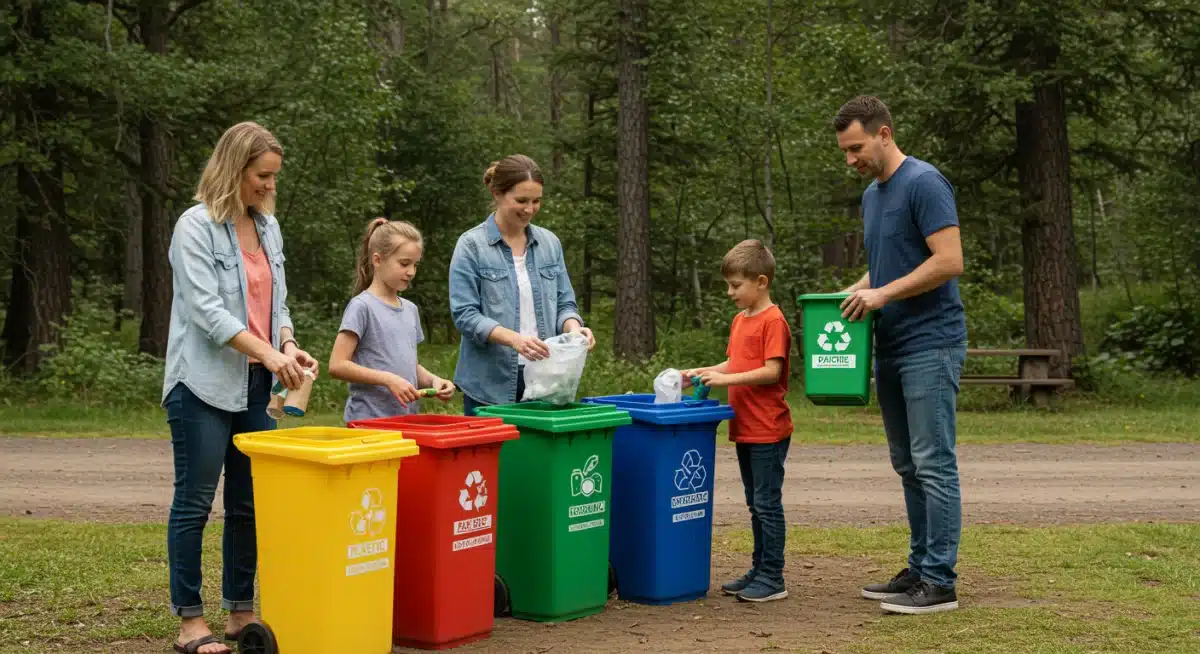
Organize your vehicle to facilitate easy waste separation. Have clearly labeled bags or small bins for:
- Recyclables: Clean and dry plastic bottles/containers, aluminum cans, glass bottles, paper, and cardboard.
- Compost: If you’re actively composting, a sealed container for food scraps.
- Landfill: For everything else that cannot be reused, recycled, or composted. The goal here is to keep this bin as empty as possible.
Keeping waste separated makes it much easier to dispose of properly when you find appropriate facilities.

Seek Out Recycling Centers and Public Bins
Don’t rely solely on hotel or campsite bins. Actively look for public recycling centers, grocery stores with collection points, or designated recycling bins in towns you pass through. Many rest areas along major highways are also improving their recycling infrastructure. Apps like iRecycle or RecycleNation can help you locate nearby recycling facilities.
Proper Disposal of Hazardous Waste
Items like batteries, electronics, and certain chemicals should never be thrown into general waste or recycling. Plan for their proper disposal at designated hazardous waste collection sites, often found in larger municipalities. Keep a separate, sealed container for these items until you can dispose of them safely.
4. Eco-Conscious Transportation and Accommodation Choices
While Zero-Waste Travel primarily focuses on physical waste, a truly sustainable journey also considers the broader environmental impact, including transportation and accommodation. Making eco-conscious choices in these areas amplifies your positive footprint.
Fuel Efficiency and Vehicle Maintenance
Your vehicle is central to your road trip. Ensure it’s well-maintained for optimal fuel efficiency, which reduces emissions. Check tire pressure regularly, avoid excessive idling, and drive smoothly. If possible, consider carpooling or renting an electric or hybrid vehicle for your trip. The infrastructure for electric vehicle charging stations is rapidly expanding across the U.S., making this a more viable option than ever before.
Offsetting Carbon Emissions
Even with the most efficient vehicle, your road trip will have a carbon footprint. Consider offsetting these emissions through reputable carbon offset programs. Many organizations allow you to calculate your trip’s emissions and contribute to projects that reduce greenhouse gases, such as reforestation or renewable energy initiatives.
Sustainable Accommodation Choices
When selecting places to stay, prioritize eco-friendly accommodations. Look for hotels, motels, or campgrounds that:
- Have robust recycling and composting programs.
- Use renewable energy sources.
- Implement water conservation measures (e.g., low-flow fixtures, linen reuse programs).
- Offer refillable toiletries instead of single-use plastics.
- Are certified by recognized eco-tourism organizations.
Camping, when done responsibly, is inherently a more sustainable option, as it often involves less resource consumption than traditional hotels. Always adhere to ‘Leave No Trace’ principles when camping to ensure you leave the natural environment as you found it.
5. Embrace the ‘Leave No Trace’ Principles and Local Engagement
The final, overarching strategy for truly successful Zero-Waste Travel is to integrate the ‘Leave No Trace’ principles into every aspect of your journey and to engage respectfully with local communities. These principles are designed to minimize human impact on the outdoors and are perfectly aligned with a zero-waste mindset.
The Seven ‘Leave No Trace’ Principles
Familiarize yourself with and practice these core principles:
- Plan Ahead and Prepare: Directly supports mindful packing and meal planning, reducing the need for last-minute, wasteful purchases.
- Travel and Camp on Durable Surfaces: Protects vegetation and fragile ecosystems by sticking to established trails and campsites.
- Dispose of Waste Properly: This is the cornerstone of Zero-Waste Travel, emphasizing packing out everything you pack in, and proper disposal of all waste.
- Leave What You Find: Preserves natural and cultural artifacts for others to enjoy.
- Minimize Campfire Impacts: Use established fire rings, keep fires small, and ensure they are completely out.
- Respect Wildlife: Observe from a distance, never feed animals, and store food properly.
- Be Considerate of Other Visitors: Helps maintain a positive experience for everyone and minimizes conflicts.
Support Local and Sustainable Businesses
When you spend money, you’re voting with your wallet. Prioritize supporting local businesses that align with your sustainability values. This includes farmers’ markets, local artisans, and independently owned restaurants that source locally. This not only reduces the carbon footprint associated with transportation but also helps support the local economy and unique cultural heritage of the places you visit.
Ask questions about their sustainability practices. Your interest can encourage more businesses to adopt eco-friendly approaches. Your interest can encourage more businesses to adopt eco-friendly approaches. This conscious consumerism is a powerful tool in promoting wider adoption of sustainable practices, making Zero-Waste Travel easier for everyone.
Educate and Inspire Others
Your Zero-Waste Travel efforts don’t just impact your own journey; they can inspire others. Share your tips, experiences, and challenges with friends, family, and on social media. Lead by example. A simple act like refilling your water bottle or using a reusable coffee cup can spark a conversation and encourage others to adopt similar habits. The collective impact of many individuals making small changes is immense.
Conclusion: The Future of Zero-Waste Travel on U.S. Roads
Embarking on a Zero-Waste Travel road trip across the U.S. in 2026 is more than just a trend; it’s a commitment to a more sustainable future. By integrating mindful packing, smart food management, responsible waste disposal, eco-conscious transportation and accommodation choices, and the ‘Leave No Trace’ principles, you can significantly reduce your environmental footprint while enjoying the unparalleled beauty of the American landscape.
These five innovative strategies are not restrictive; rather, they open up new ways to experience travel, fostering a deeper connection with the places you visit and a greater appreciation for our planet. The journey towards zero waste is continuous, and every step, no matter how small, contributes to a larger positive impact. So, pack your reusables, plan your route, and set off on an adventure that not only creates lasting memories but also protects the precious environments you explore. The open road awaits, ready for your sustainable exploration.
Make 2026 the year you redefine your road trip experience. Embrace Zero-Waste Travel, and become a part of the solution, one mile and one mindful choice at a time. Your journey will be richer, and the planet will thank you for it.