Zero-Waste Travel US: 7 Practical Swaps for 2025
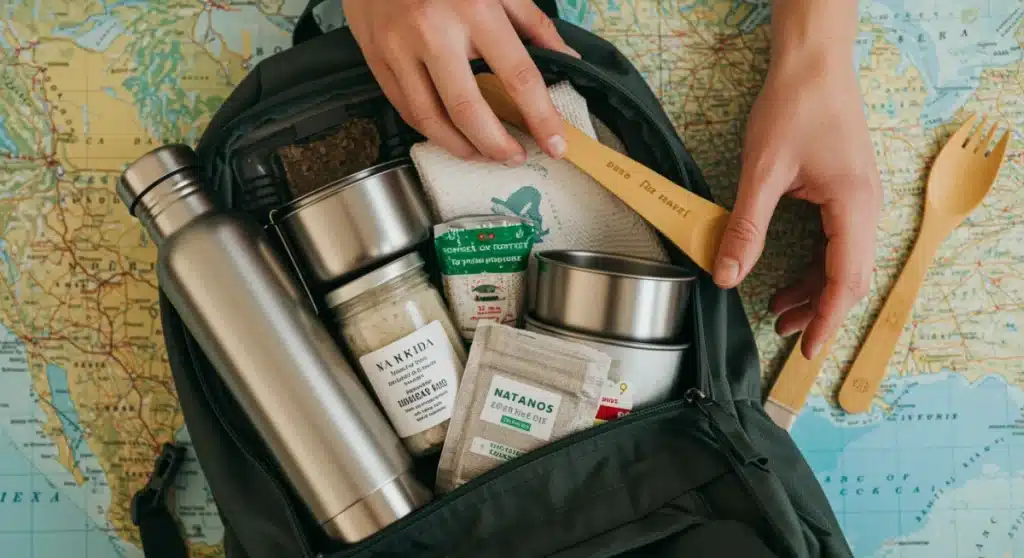
Zero-waste travel in the US is achievable by integrating seven practical swaps into your 2025 packing list, significantly minimizing environmental impact while exploring diverse American landscapes responsibly.
Are you ready to embark on your next adventure across the United States with a lighter footprint? Zero-waste travel US is more than just a trend; it’s a mindful approach to exploring our beautiful country while minimizing environmental impact. For your 2025 packing list, consider these seven practical swaps that can transform your journeys into more sustainable experiences.
Understanding the Impact of Traditional Travel on the Environment
Before diving into solutions, it’s crucial to grasp the environmental toll of conventional travel. From single-use plastics to excessive energy consumption, our explorations often leave behind a significant carbon footprint. This understanding fuels the motivation for adopting more sustainable practices.
Every decision, from the toiletries we pack to the souvenirs we buy, contributes to this larger picture. Recognizing these impacts empowers us to make conscious choices that align with our values and protect the destinations we cherish.
The Plastic Predicament in Travel
Plastic waste is a pervasive issue, particularly in travel. Think about the miniature shampoo bottles, plastic water bottles, and disposable coffee cups encountered on a typical trip. These items often end up in landfills or, worse, polluting natural ecosystems.
- Globally, travel and tourism contribute significantly to plastic pollution.
- Many popular tourist destinations struggle with waste management infrastructure.
- Single-use plastics are convenient but have long-term environmental consequences.
By simply being aware of the plastic items we use, we can begin to identify areas for reduction. This awareness is the first step toward a more responsible travel style, setting the stage for truly impactful swaps.
Energy Consumption and Carbon Footprint
Beyond plastic, the energy consumed during travel—from flights to hotel stays—contributes to greenhouse gas emissions. While some aspects, like air travel, are harder to eliminate, there are many areas where we can reduce our energy footprint.
Choosing eco-friendly accommodations, opting for public transport, and being mindful of our energy use in hotels are all ways to mitigate this impact. Understanding these broader implications helps contextualize the importance of individual zero-waste efforts.
In conclusion, traditional travel habits often lead to considerable environmental degradation, primarily through plastic waste and high energy consumption. Recognizing these challenges is fundamental to inspiring a shift towards more sustainable and ethical travel practices, paving the way for our practical zero-waste swaps.
Swap 1: Reusable Water Bottles and Filters
One of the easiest yet most impactful changes you can make for zero-waste travel US is ditching single-use plastic water bottles. The convenience of buying bottled water often overshadows its environmental cost, with millions of plastic bottles ending up in landfills daily.
Investing in a high-quality reusable water bottle is a foundational step. Many US cities and national parks now offer refill stations, making it simple to stay hydrated without contributing to plastic waste. This single swap can significantly reduce your plastic footprint on any trip.
Choosing the Right Reusable Bottle
Not all reusable bottles are created equal. Consider factors like material, insulation, and durability when making your choice. Stainless steel bottles are excellent for keeping drinks cold or hot, while collapsible silicone bottles save space in your luggage.
- Stainless steel: Durable, insulated, and free from BPA.
- Collapsible silicone: Ideal for saving space when not in use.
- Glass: Aesthetically pleasing, but heavier and more fragile.
Select a bottle that fits your travel style and needs. A good reusable bottle becomes a reliable companion on all your adventures.
The Advantage of Portable Water Filters
For more adventurous travelers or those visiting areas with questionable tap water quality, a portable water filter is a game-changer. These devices allow you to safely drink water from various sources, eliminating the need to buy bottled water even in remote locations.
From filter bottles to straw filters, there are many options available. This ensures you always have access to clean drinking water, further solidifying your commitment to zero-waste practices. It’s an investment that pays off both environmentally and practically.
By prioritizing reusable water bottles, possibly complemented by a filter, travelers can dramatically cut down on plastic waste. This simple yet effective swap is essential for anyone aiming for a truly zero-waste travel experience across the US.
Swap 2: Solid Toiletries and Refillable Containers
Liquid toiletries often come in small, single-use plastic bottles, remnants of which frequently litter hotel bathrooms and eventually landfills. Transitioning to solid toiletries and refillable containers is a smart move for zero-waste travel US, streamlining your packing and reducing plastic waste.
Think shampoo bars, conditioner bars, solid toothpaste, and bar soap. These products last longer, take up less space, and eliminate the need for plastic packaging. They’re also TSA-friendly, avoiding liquid restrictions and potential spills.

Embracing Shampoo and Conditioner Bars
Shampoo and conditioner bars are perhaps the most popular solid toiletry swap. They work just like their liquid counterparts but without the plastic bottle. Many brands offer formulations for different hair types, ensuring you don’t compromise on hair care.
- Space-saving and lightweight for your luggage.
- Typically last longer than liquid bottles, offering better value.
- Available in various natural and nourishing formulations.
Store them in a reusable tin or a breathable bag to keep them dry and extend their lifespan. This simple change alone can make a significant dent in your travel waste.
Beyond Hair: Solid Toothpaste and Deodorant
The zero-waste toiletry movement extends beyond hair care. Solid toothpaste (in tablet or powder form) and cream or stick deodorants in compostable packaging are readily available. These alternatives perform just as well, if not better, than their traditional counterparts.
For items like lotion or sunscreen, consider purchasing larger sizes and decanting them into small, reusable travel containers. This reduces the need to buy travel-sized plastic bottles repeatedly. Every small swap contributes to a larger impact.
Ultimately, by opting for solid toiletries and using refillable containers, you significantly reduce your plastic consumption during travel. This approach is not only environmentally conscious but also makes packing more efficient and worry-free, aligning perfectly with zero-waste principles.
Swap 3: Reusable Utensils, Straws, and Napkins
Dining out or grabbing a quick bite on the go often involves single-use plastic cutlery, straws, and paper napkins. Carrying your own reusable set is a crucial step for zero-waste travel US, allowing you to enjoy meals without generating unnecessary waste.
A compact kit containing a fork, spoon, knife, and a reusable straw, perhaps a cleaning brush, can easily fit into your daypack. Many sets come in a small pouch, keeping everything clean and organized. This proactive approach helps you avoid waste, even when faced with limited eco-friendly options.
The Convenience of a Portable Utensil Set
Portable utensil sets are designed for convenience and durability. Materials like bamboo, stainless steel, or even lightweight titanium are popular choices. Bamboo is biodegradable, while stainless steel and titanium are long-lasting and easy to clean.
- Bamboo: Lightweight, compostable, and naturally antimicrobial.
- Stainless steel: Extremely durable, easy to clean, and rust-resistant.
- Titanium: Ultralight, strong, and corrosion-resistant, ideal for backpackers.
Having your own set means you’re always prepared, whether you’re enjoying street food in a bustling city or a picnic in a national park. It’s a small item with a big impact on your waste reduction efforts.
Reusable Straws and Cloth Napkins
While some places have banned plastic straws, many still offer them. Carrying your own reusable straw (stainless steel, bamboo, or silicone) ensures you’re never caught off guard. Similarly, a few cloth napkins can replace dozens of paper ones over the course of a trip.
Cloth napkins are easy to wash and dry, and they add a touch of elegance to any meal, even on the go. These small additions to your packing list collectively make a significant difference in minimizing your environmental footprint while traveling.
In essence, equipping yourself with reusable utensils, straws, and napkins empowers you to dine responsibly wherever you go. This commitment eliminates a common source of single-use waste, making your travel experience more aligned with zero-waste principles.
Swap 4: Reusable Shopping Bags and Produce Bags
Whether you’re picking up groceries for a picnic, souvenir shopping, or simply need to carry a few items, plastic bags are ubiquitous. Incorporating reusable shopping bags and produce bags into your zero-waste travel US packing list is a simple yet impactful way to reduce waste.
These bags fold up compactly, making them easy to stash in your suitcase or daypack. They not only help you avoid plastic waste but can also be more durable and comfortable to carry than flimsy plastic alternatives.
The Versatility of Reusable Shopping Bags
Reusable shopping bags come in various sizes and materials, from sturdy canvas totes to lightweight nylon bags that fold into a tiny pouch. Choose a few that suit different purposes – a larger one for groceries, and a smaller, more discreet one for incidental purchases.
- Nylon bags: Lightweight, durable, and pack down small.
- Canvas totes: Sturdy, fashionable, and can carry heavier loads.
- Mesh bags: Great for beach trips or carrying wet items.
Always keep one or two readily accessible, perhaps in your daypack or purse, so you’re never caught without one. This proactive step ensures you can decline single-use bags with confidence.
Produce Bags for Farmers Markets and Groceries
Beyond shopping bags, reusable produce bags are excellent for farmers markets or grocery stores. Instead of placing fruits and vegetables into individual plastic bags, use your mesh or cloth produce bags. They’re lightweight, breathable, and keep your produce fresh.
This small habit change can prevent numerous plastic bags from entering the waste stream. Many stores are increasingly supportive of customers using their own bags, making this swap even easier to implement during your travels.
Ultimately, carrying reusable shopping and produce bags ensures you’re prepared for any purchase without contributing to plastic pollution. This thoughtful habit is a cornerstone of effective zero-waste travel, demonstrating a commitment to responsible consumption.
Swap 5: Digital Tickets and Offline Maps
Paper waste might seem less impactful than plastic, but it adds up quickly with boarding passes, printed confirmations, and maps. Embracing digital solutions for tickets and navigation is a key strategy for zero-waste travel US, streamlining your journey and reducing paper consumption.
Most airlines, train services, and attractions now offer digital tickets accessible via your smartphone. Similarly, offline map applications provide navigation without the need for paper maps or constant internet access, saving both paper and data.
The Convenience of Digital Boarding Passes and Tickets
Digital boarding passes and e-tickets are widely accepted and incredibly convenient. They eliminate the need for printing, saving paper and ink. Keep them easily accessible in your phone’s wallet app or airline application.
- Reduces paper waste and clutter.
- Easily accessible on your smartphone.
- Often includes real-time updates and notifications.
Always ensure your phone is charged, or carry a portable power bank, to avoid any last-minute inconveniences. This small shift makes a big difference in reducing your travel-related waste.
Navigating with Offline Maps
Gone are the days of unfolding bulky paper maps. Apps like Google Maps, Maps.me, or Citymapper allow you to download maps for entire regions or cities to use offline. This means you can navigate without an internet connection, saving data and preventing the need for paper maps.
Pre-downloading maps before your trip is a smart move, especially when traveling to areas with spotty cell service or when trying to conserve battery. It’s an efficient and eco-friendly way to explore new places without relying on disposable resources.
By opting for digital tickets and offline maps, you significantly reduce your paper waste and streamline your travel logistics. This modern approach to travel is both convenient and environmentally responsible, aligning perfectly with zero-waste principles.
Swap 6: Reusable Menstrual Products and Cloth Diapers
For travelers who menstruate or are traveling with infants, traditional disposable products contribute significantly to landfill waste. Shifting to reusable alternatives for personal hygiene is a powerful step towards zero-waste travel US, offering both environmental and practical benefits.
Menstrual cups, reusable cloth pads, and period underwear are excellent alternatives to disposable tampons and pads. For parents, cloth diapers can dramatically reduce the environmental impact of traveling with a baby, despite requiring a bit more planning.
Sustainable Menstrual Solutions for Travelers
Menstrual cups are a game-changer for eco-conscious travelers. They are reusable for years, collect more fluid than tampons, and can be worn for longer periods, making them ideal for long travel days. Cloth pads and period underwear offer comfortable, breathable alternatives that are also reusable.
- Menstrual cups: Long-lasting, cost-effective, and reduce waste.
- Cloth pads: Soft, breathable, and can be washed and reused.
- Period underwear: Comfortable, discreet, and offers excellent leak protection.
These products require a bit of initial investment and a learning curve, but the long-term benefits for both your wallet and the planet are substantial. Proper cleaning and care instructions are readily available, ensuring hygiene and longevity.
Eco-Friendly Diapering on the Go
Traveling with cloth diapers requires more logistical planning, but it’s a significant step towards reducing waste. Modern cloth diapers are much easier to use than traditional ones, with convenient snaps and adjustable sizing. Consider packing a wet bag for soiled diapers until they can be washed.
While it might not be feasible for every trip, even incorporating cloth diapers part-time can make a difference. For shorter trips or those with access to laundry facilities, it’s a viable and environmentally superior alternative to disposable diapers.
Embracing reusable menstrual products and cloth diapers represents a deeper commitment to zero-waste travel. These swaps not only reduce personal waste but also challenge conventional norms, fostering a more sustainable approach to everyday needs while exploring the US.
Swap 7: Eco-Friendly Clothing and Minimalist Packing
Beyond the items we consume, the clothes we wear and how much we pack also impact our environmental footprint. Opting for eco-friendly clothing and adopting a minimalist packing strategy are crucial for truly embracing zero-waste travel US.
Eco-friendly clothing is made from sustainable materials and produced ethically, reducing the environmental and social impact of your wardrobe. Minimalist packing, on the other hand, means packing only what you truly need, reducing luggage weight and the resources required for transport.
Investing in Sustainable Travel Apparel
When selecting travel clothes, look for brands that prioritize sustainable materials like organic cotton, hemp, Tencel, or recycled synthetics. These materials often require less water, fewer pesticides, and generate less waste during production.
- Organic cotton: Grown without harmful pesticides or synthetic fertilizers.
- Hemp: Durable, breathable, and requires minimal water to grow.
- Recycled synthetics: Repurposes existing plastic into new fibers.
Additionally, choose versatile pieces that can be mixed and matched to create multiple outfits. This reduces the overall number of items you need to pack, further supporting your minimalist goals.
The Art of Minimalist Packing
Minimalist packing is about efficiency and intention. Before packing, consider your itinerary, the weather, and laundry access. Pack multi-functional items that can serve several purposes. For instance, a pareo can be a scarf, a beach cover-up, or a makeshift blanket.
The less you pack, the lighter your bag, which can lead to lower fuel consumption if you’re flying or driving. It also simplifies your travel experience, allowing you to focus more on your journey and less on managing excessive luggage.
By consciously choosing eco-friendly clothing and practicing minimalist packing, you extend your zero-waste commitment to your entire wardrobe and travel habits. These choices collectively contribute to a lighter footprint and a more mindful exploration of the US.
| Zero-Waste Swap | Brief Description |
|---|---|
| Reusable Water Bottle | Eliminates single-use plastic bottles, crucial for hydration and waste reduction. |
| Solid Toiletries | Replaces liquid products in plastic bottles, saving space and preventing spills. |
| Reusable Utensil Kit | Avoids disposable cutlery and straws when dining out or on the go. |
| Digital Tickets & Maps | Reduces paper waste by using smartphone apps for boarding passes and navigation. |
Frequently Asked Questions About Zero-Waste Travel
Zero-waste travel involves minimizing the amount of trash you produce while on a trip, aiming to send nothing to landfills. In the US, it’s crucial for preserving diverse ecosystems, reducing pollution in national parks and cities, and supporting a sustainable tourism industry that benefits local communities and future generations.
Initially, there might be a small upfront cost for items like reusable bottles or solid toiletries. However, these items often last much longer than their disposable counterparts, leading to significant savings over time. Many swaps, like digital tickets, cost nothing extra and offer convenience.
To properly manage solid toiletries, store them in a reusable, well-ventilated container or a breathable travel tin. Allow them to dry completely between uses to prevent them from becoming mushy and to extend their lifespan. This keeps them hygienic and mess-free in your luggage.
Finding water refill stations in the US is becoming increasingly easy. Many airports, national parks, coffee shops, and even some retail stores offer public refill options. Planning ahead with apps like Tap or RefillMyBottle can help locate convenient spots, ensuring you always have access to water.
Minimalist packing reduces luggage weight, potentially lowering fuel consumption for transportation. It also simplifies your travel experience, allowing you to move more freely and focus on experiences rather than managing excessive belongings. Furthermore, it encourages thoughtful consumption and reduces the need for disposable travel-sized products.
Conclusion
Embracing zero-waste travel US is a journey that begins with intentional choices and practical swaps. By integrating reusable water bottles, solid toiletries, utensil kits, and other sustainable alternatives into your 2025 packing list, you actively contribute to preserving the natural beauty and cultural integrity of the United States. These small changes collectively create a significant positive impact, fostering a more responsible and enjoyable travel experience for everyone. As you plan your next adventure, remember that every conscious decision helps pave the way for a more sustainable future in travel.