Direct Bookings vs. OTAs 2026: The Future of Travel Distribution

The travel industry is a dynamic ecosystem, constantly evolving with technological advancements, shifting consumer behaviors, and global events. As we look ahead to 2026, one of the most critical battlegrounds for hotels and other travel providers remains the distribution landscape: the perennial tug-of-war between direct bookings and Online Travel Agencies (OTAs). Understanding the nuances of this evolving relationship is paramount for any business aiming to secure its future in hospitality. This comprehensive guide will delve deep into the projected trends, challenges, and opportunities that define travel distribution 2026, offering actionable insights for optimizing your strategy.
The Shifting Sands of Travel Distribution: A 2026 Outlook
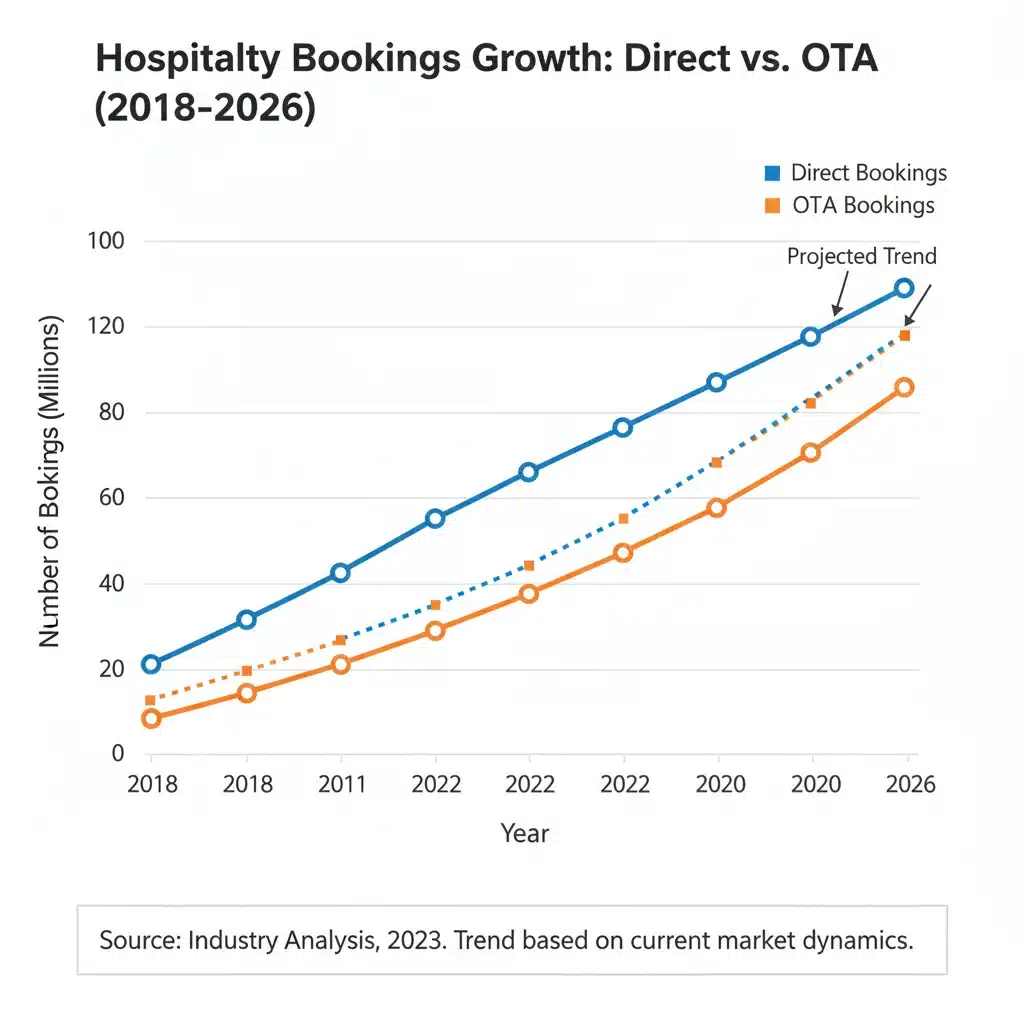
For years, OTAs have played a dominant role in bringing visibility and bookings to hotels, especially independent properties. Their vast marketing budgets, global reach, and user-friendly platforms have made them indispensable for many. However, the tide has been slowly turning. Hotels are increasingly investing in their direct booking channels, driven by the desire for lower commission costs, greater control over guest relationships, and the ability to offer truly personalized experiences. By 2026, this shift is expected to accelerate, creating a more balanced, yet intensely competitive, distribution environment.
The Rise of Direct Booking Power in 2026
The allure of direct bookings is undeniable. When a guest books directly, hotels avoid the hefty commissions charged by OTAs, which can range from 15% to 30% or even higher. This direct financial benefit significantly impacts a hotel’s bottom line. Beyond cost savings, direct bookings offer a golden opportunity to cultivate a direct relationship with the guest from the very first interaction. This allows for personalized communication, tailored offers, and the ability to gather valuable first-party data. In travel distribution 2026, data will be king, and direct channels are the most effective way to collect it ethically and efficiently.
Moreover, direct bookings empower hotels with complete control over their brand message and guest experience. From the booking process to post-stay feedback, every touchpoint can be meticulously managed to reflect the hotel’s unique identity and values. This level of control is often diluted when bookings come through third-party platforms, where brand messaging can be standardized or overshadowed by the OTA’s own branding.
OTAs: Still a Force to Reckon With
Despite the growing emphasis on direct bookings, it would be naive to assume OTAs will fade into obscurity by 2026. They remain powerful players for several reasons. Their sheer market reach, particularly in international markets, is unparalleled. Many travelers, especially those planning complex itineraries or seeking competitive pricing, still begin their search on OTA platforms. OTAs also offer a level of convenience and trust that many consumers have come to expect, acting as a one-stop shop for comparing options and managing bookings.
Furthermore, OTAs are continually innovating, investing heavily in user experience, AI-driven personalization, and loyalty programs to retain their customer base. They are also evolving their partnerships with hotels, offering various models beyond traditional commission structures, such as merchant models and advertising opportunities. For many smaller or independent hotels, OTAs will continue to be a vital source of demand, particularly during off-peak seasons or for reaching niche markets that would be difficult to access otherwise. The key for hotels in travel distribution 2026 will be to leverage OTAs strategically, rather than relying on them exclusively.
Key Trends Shaping Travel Distribution 2026
Several overarching trends will significantly influence the direct booking vs. OTA dynamic in the coming years. Understanding these trends is crucial for developing a robust distribution strategy.
1. Hyper-Personalization and AI
The ability to offer highly personalized experiences will be a major differentiator. AI and machine learning will enable hotels to analyze guest data, predict preferences, and offer customized packages, upgrades, and services through their direct channels. This level of personalization is harder to achieve through OTAs, giving direct bookings a significant edge. AI will also power more sophisticated booking engines, chatbots for instant customer service, and dynamic pricing strategies that maximize revenue.
2. The Importance of First-Party Data
With increasing privacy regulations and the deprecation of third-party cookies, first-party data will become incredibly valuable. Hotels that can effectively collect, analyze, and utilize data from their direct booking channels will gain a competitive advantage. This data allows for targeted marketing, improved guest services, and a deeper understanding of customer lifetime value. OTAs, while having vast amounts of data, often keep it proprietary, making it less accessible for individual hotels.
3. Seamless User Experience Across All Devices
The booking journey must be intuitive and frictionless, regardless of the device. Mobile-first design is no longer a luxury but a necessity. Guests expect quick loading times, easy navigation, and secure payment gateways. Hotels investing in robust, mobile-optimized websites and booking engines for their direct channels will see higher conversion rates. OTAs have traditionally excelled in this area, setting a high bar for direct booking platforms.
4. Loyalty Programs and Exclusive Offers
To incentivize direct bookings, hotels will continue to enhance their loyalty programs, offering exclusive perks, discounts, and benefits not available elsewhere. These programs foster repeat business and strengthen guest relationships. OTAs have their own loyalty schemes, but hotels can differentiate by offering more personalized and experiential rewards directly related to their brand.
5. The Blurring Lines: Metasearch and Google’s Influence
Metasearch engines (like Trivago, Kayak, Google Hotels) play a crucial role in the middle ground, aggregating prices from both OTAs and direct hotel websites. Google, in particular, has become a dominant force, offering free booking links and paid ads directly within its search results. For travel distribution 2026, hotels must have a strong presence on metasearch platforms and optimize their Google My Business listings to capture traffic that might otherwise go to an OTA.
Strategies for Hotels to Thrive in Travel Distribution 2026
Navigating the complex landscape of travel distribution 2026 requires a multi-faceted approach. Here are key strategies hotels should implement:
1. Invest in a Superior Direct Booking Experience
Your hotel’s website and booking engine are your digital storefront. They must be visually appealing, user-friendly, mobile-responsive, and secure. Ensure high-quality imagery, detailed descriptions, and transparent pricing. Implement features like virtual tours, live chat support, and easy modification/cancellation options. A seamless direct booking experience is your most powerful weapon against OTAs.
2. Implement a Robust Digital Marketing Strategy
Driving traffic to your direct channels requires a comprehensive digital marketing plan. This includes:
- SEO Optimization: Ensure your website ranks high for relevant keywords.
- Paid Advertising: Utilize Google Ads, social media ads, and retargeting campaigns to capture potential guests.
- Social Media Engagement: Build a strong online presence and interact with your audience.
- Email Marketing: Nurture leads and re-engage past guests with personalized offers.
- Content Marketing: Create valuable content (blog posts, local guides) that attracts potential guests and establishes your expertise.
3. Leverage Rate Parity Strategically (or Not)
While many OTA contracts include rate parity clauses, hotels can find creative ways to offer better value directly. This doesn’t always mean a lower price. It could involve:
- Exclusive Packages: Bundling rooms with unique experiences (spa credits, dining vouchers, local tours).
- Value-Added Perks: Free breakfast, late check-out, room upgrades, complimentary airport transfers, or welcome amenities for direct bookers.
- Loyalty Program Discounts: Offering a small discount or bonus points exclusively to loyalty members who book direct.
Carefully review your OTA contracts to understand the flexibility you have in this area. Some regions are also seeing a loosening of rate parity restrictions.
4. Build Strong Guest Relationships
The direct booking journey doesn’t end after checkout. Use the opportunity to collect feedback, thank guests, and offer incentives for future direct bookings. Personalized communication, remembering guest preferences, and proactive service will foster loyalty and encourage repeat stays. This human touch is a significant advantage over the often transactional nature of OTA bookings.
5. Optimize Your Metasearch Presence
Metasearch engines are where many travelers compare prices. Ensure your direct rates are visible and competitive on platforms like Google Hotels, Trivago, and Kayak. Invest in metasearch advertising if it aligns with your budget and strategy, as it can be a cost-effective way to drive direct traffic.
6. Implement a Channel Manager and Revenue Management System
Efficiently managing multiple distribution channels is critical. A robust channel manager ensures real-time inventory updates and prevents overbookings. A sophisticated revenue management system (RMS) helps optimize pricing across all channels based on demand, competitor rates, and market conditions, ensuring you’re always selling the right room at the right price.
The OTA’s Evolving Role in 2026
OTAs are not simply going to disappear. Their role, however, is likely to evolve. By 2026, we can expect OTAs to focus even more on:
1. Experiential Travel and Niche Markets
OTAs will increasingly curate unique experiences, tours, and activities, moving beyond just accommodation. They will also target niche markets with specialized platforms and offerings, making it easier for travelers to find highly specific types of trips.
2. AI-Powered Personalization and Recommendations
Leveraging their vast data, OTAs will refine their AI algorithms to offer even more personalized recommendations, making the booking process incredibly intuitive and sticky for users.
3. Loyalty Programs and Ecosystems
Expect OTAs to further enhance their loyalty programs, integrating flights, car rentals, and experiences into a comprehensive travel ecosystem that encourages repeat bookings within their platforms.
4. Partnership Models with Hotels
While traditional commission models will persist, OTAs may offer more flexible partnership options, focusing on advertising, visibility, and data-sharing agreements that provide more value to hotels beyond just bookings. This could include targeted marketing campaigns for hotels that opt into certain programs.
Challenges and Considerations for Travel Distribution 2026
Despite the opportunities, hotels will face several challenges in optimizing their travel distribution 2026 strategy:
1. Technological Debt and Integration
Many hotels, especially smaller independent ones, struggle with outdated technology. Integrating new booking engines, CRM systems, and revenue management tools can be complex and costly. However, failing to invest in modern technology will put them at a significant disadvantage.
2. Managing Data Privacy and Security
As hotels collect more first-party data, the responsibility of protecting that data becomes paramount. Compliance with regulations like GDPR and CCPA, along with robust cybersecurity measures, will be non-negotiable. Breaches can severely damage brand reputation and trust.
3. The Cost of Customer Acquisition
While direct bookings save on OTA commissions, acquiring direct customers still incurs costs through marketing, advertising, and technology investments. Hotels must carefully calculate their customer acquisition cost (CAC) for both direct and OTA channels to ensure profitability.
4. Balancing Direct vs. OTA Dependency
Striking the right balance between direct bookings and OTA reliance is a delicate act. Over-reliance on direct channels can limit reach, especially for new properties or in new markets. Over-reliance on OTAs can erode profit margins. A diversified strategy is key.
5. Evolving Consumer Behavior
Consumer preferences are constantly changing. The post-pandemic traveler is more conscious of health and safety, values flexibility, and often seeks more authentic, sustainable experiences. Hotels must adapt their offerings and distribution messages to align with these evolving demands.
The Hybrid Approach: The Future of Travel Distribution
The most successful hotels in travel distribution 2026 will likely adopt a hybrid approach. This means not viewing direct bookings and OTAs as mutually exclusive but rather as complementary components of a comprehensive strategy. OTAs can serve as valuable marketing channels, bringing in new guests who might not have discovered the property otherwise. Once these guests have experienced the hotel, the goal is to convert them into direct bookers for their next stay.
This hybrid strategy involves:
- Smart Commission Management: Negotiating favorable commission rates with OTAs and understanding when to adjust inventory and pricing on these platforms.
- Retargeting and Remarketing: Using data from OTA guests (where permissible) to target them with direct booking offers for future stays.
- Brand Building: Ensuring that even when guests book through an OTA, the hotel’s unique brand identity shines through, encouraging direct engagement post-booking.
- Leveraging OTA Data (where available): Analyzing trends and insights from OTA performance to inform overall distribution and marketing strategies.
Conclusion: Navigating the Future of Travel Distribution 2026
The landscape of travel distribution 2026 will be characterized by increased competition, technological sophistication, and a heightened focus on the guest experience. While OTAs will continue to hold significant sway, the power of direct bookings will grow substantially, driven by hotels’ desire for profitability, control, and deeper guest relationships. Hotels that proactively invest in their direct channels, embrace personalization, leverage data effectively, and maintain a strategic yet flexible relationship with OTAs will be best positioned for success.
The future is not about choosing one over the other, but about intelligently integrating both into a cohesive distribution strategy that maximizes reach, optimizes revenue, and fosters lasting guest loyalty. The time to prepare for travel distribution 2026 is now, by laying the groundwork for innovation and adaptability in every aspect of your distribution efforts.