U.S. Travel Data Security: 2026 Compliance & Financial Impact
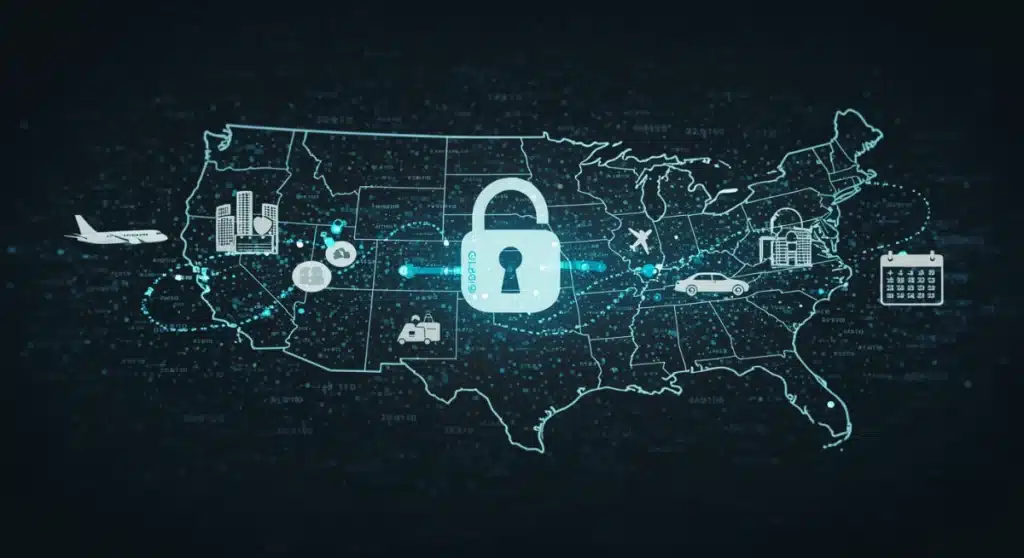
The U.S. travel industry faces significant changes with new 2026 data security compliance standards, mandating robust protection of traveler information and imposing substantial financial burdens on businesses for implementation and potential non-compliance.
The landscape of travel is constantly evolving, and with technological advancements, the imperative for robust data security has never been more critical. As we approach 2026, the U.S. travel industry is bracing for a new era of compliance, with significant implications for how businesses handle sensitive traveler information. Understanding these new standards is not just about avoiding penalties; it’s about safeguarding trust and ensuring operational continuity in a data-driven world. The impending changes in US travel data security regulations demand immediate attention and proactive strategies from every stakeholder.
Understanding the New 2026 Data Security Compliance Standards
The year 2026 marks a pivotal moment for data security within the U.S. travel sector. New compliance standards are being introduced, designed to fortify the protection of personal and financial data collected from travelers. These regulations aim to unify disparate state-level privacy laws and align the U.S. with increasingly stringent global data protection frameworks, such as those seen in Europe.
These standards are not merely an update but a comprehensive overhaul, affecting everything from data collection and storage to processing and sharing. Businesses will be required to demonstrate a higher level of accountability and transparency in their data handling practices. The shift underscores a growing recognition that consumer trust is inextricably linked to the security of their personal information, particularly in an industry that inherently relies on cross-border data flows and sensitive personal details like passport information, payment data, and health records.
Key Pillars of the 2026 Framework
The new framework is structured around several core principles, each designed to enhance data protection:
- Mandatory Data Encryption: All sensitive traveler data, both in transit and at rest, must be encrypted using industry-standard protocols to prevent unauthorized access.
- Regular Security Audits: Travel businesses will be required to conduct frequent and thorough security audits, often by independent third parties, to identify vulnerabilities and ensure compliance.
- Enhanced Breach Notification: Stricter timelines and requirements for notifying affected individuals and regulatory bodies in the event of a data breach will be enforced.
- Data Minimization Principles: Companies must adopt practices that ensure only necessary data is collected and retained for specified, legitimate purposes, reducing exposure risks.
These pillars collectively aim to create a more resilient data ecosystem, reducing the likelihood and impact of cyberattacks. The focus is on a proactive rather than reactive approach, embedding security by design into all operational processes.
In essence, the 2026 compliance standards represent a maturation of data protection within the U.S. travel industry. They are a direct response to the escalating sophistication of cyber threats and the increasing public demand for privacy. Businesses that embrace these changes early will not only avoid potential penalties but also gain a significant competitive advantage by demonstrating a strong commitment to traveler privacy and security.
Direct Financial Impact on Travel Businesses
The introduction of the 2026 data security compliance standards will undoubtedly have a substantial financial impact on U.S. travel businesses. This impact extends beyond mere operational adjustments, touching every aspect of a company’s budget, from initial investment in technology to ongoing maintenance and potential legal costs.
Initially, businesses will face significant capital expenditures. Upgrading existing IT infrastructure to meet the new encryption and security requirements will necessitate investments in new hardware, software, and cloud-based security solutions. Many legacy systems, still prevalent in parts of the travel industry, may not be compatible with the advanced security protocols mandated by the 2026 standards, requiring complete overhauls rather than simple upgrades.
Technology Investments and Upgrades
The core of compliance often lies in technological readiness. Businesses will need to allocate substantial funds towards:
- Advanced Encryption Technologies: Implementing robust encryption for all data storage and transmission channels.
- Intrusion Detection and Prevention Systems (IDPS): Deploying sophisticated tools to monitor networks for malicious activity and prevent cyberattacks.
- Secure Cloud Infrastructure: Migrating to or enhancing secure cloud platforms that offer compliant data storage and processing capabilities.
- Data Loss Prevention (DLP) Solutions: Tools to prevent sensitive information from leaving the corporate network.
Beyond capital investment, there will be ongoing operational costs associated with these new standards. This includes increased spending on cybersecurity personnel, specialized training for employees on data handling protocols, and the continuous monitoring and maintenance of security systems. Small to medium-sized travel agencies, in particular, might find these initial and ongoing costs challenging to absorb without strategic financial planning.
Furthermore, the cost of non-compliance can be catastrophic. Fines and penalties for violating the new data security regulations are expected to be severe, potentially running into millions of dollars, depending on the scale of the breach and the number of affected individuals. These financial penalties can be crippling, especially for smaller entities with limited reserves, and may even lead to business closure. The financial repercussions are a clear indicator of the seriousness with which these new standards are being implemented.
Indirect Financial Consequences and Reputation Management
While direct costs like technology upgrades and potential fines are readily quantifiable, the indirect financial consequences of the 2026 compliance standards can be equally, if not more, damaging. These indirect impacts often manifest in intangible ways, primarily affecting a business’s reputation and customer trust, which in turn influences revenue and market share.
A data breach, even if swiftly managed, can severely erode customer confidence. Travelers, now more aware of data privacy issues, are likely to gravitate towards businesses that demonstrate a strong commitment to protecting their personal information. A tarnished reputation can lead to a significant drop in bookings, cancellations, and a general reluctance from potential customers to engage with the affected travel provider. Rebuilding trust is a long and arduous process, often requiring substantial marketing and public relations investments.
Brand Damage and Customer Attrition
The impact on brand equity is profound. Negative publicity surrounding a data security incident can:
- Decrease Customer Loyalty: Existing customers may switch to competitors perceived as more secure.
- Hinder New Customer Acquisition: Potential customers may avoid a brand associated with security vulnerabilities.
- Devalue Brand Image: The overall perception of the brand as reliable and trustworthy can be significantly diminished.
Beyond customer attrition, businesses may also face increased insurance premiums for cyber liability coverage. As the risk of breaches and the associated financial penalties rise, insurers will adjust their pricing accordingly, adding another layer of ongoing expense. Legal costs, even in the absence of fines, can be substantial, as businesses might need to defend against class-action lawsuits from affected customers or engage legal counsel to navigate the complexities of breach response and regulatory reporting.
Moreover, the operational disruption caused by a security incident can lead to lost productivity and revenue. Investigating a breach, remediating vulnerabilities, and implementing new security measures divert resources and attention away from core business activities. This can result in delays in service delivery, reduced operational efficiency, and missed business opportunities. The indirect financial consequences underscore the importance of proactive compliance, as the cost of prevention is almost always lower than the cost of recovery.
Operational Challenges and Resource Allocation
Implementing the 2026 data security compliance standards presents significant operational challenges for U.S. travel businesses. It’s not just about purchasing new technology; it involves a fundamental shift in organizational culture, processes, and resource allocation. The complexity of integrating new security protocols into existing operational workflows can be daunting, requiring careful planning and execution.
One of the primary challenges is the need for specialized human resources. Cybersecurity talent is already in high demand, and the increased compliance requirements will further strain this limited pool. Travel businesses will need to invest in hiring dedicated cybersecurity professionals or upskilling their existing IT teams to manage and maintain the new security infrastructure. This can be a significant undertaking, especially for smaller companies that may lack the internal expertise or budget for such specialized roles.

Another operational hurdle is the integration of new security measures across a diverse and often fragmented technological landscape. Many travel companies rely on a myriad of third-party vendors, booking platforms, and global distribution systems (GDS). Ensuring that all these interconnected systems are compliant with the new standards will require extensive coordination, due diligence, and potentially renegotiating contracts with vendors to ensure they meet the updated security requirements.
Training and Process Re-engineering
Successful compliance hinges on a well-informed workforce and streamlined processes:
- Employee Training Programs: Mandatory and continuous training for all staff on data handling best practices, phishing awareness, and incident response protocols.
- Process Re-engineering: Revising internal workflows for data collection, storage, and access to align with data minimization and security-by-design principles.
- Vendor Management: Establishing rigorous due diligence processes for evaluating and monitoring third-party vendors’ data security practices.
The process of re-engineering business processes to incorporate security by design can be time-consuming and disruptive. It requires a thorough understanding of data flows within the organization and a commitment to embedding security considerations at every stage of the data lifecycle. This includes everything from how customer data is initially captured during booking to how it is archived or securely disposed of. The operational adjustments needed are extensive, demanding a strategic approach to change management and a clear allocation of both financial and human resources to ensure a smooth transition to the new compliance regime.
Opportunities for Proactive Businesses
While the 2026 data security compliance standards present significant challenges and financial demands, they also create substantial opportunities for proactive U.S. travel businesses. Companies that embrace these changes early and strategically can transform compliance from a burden into a competitive advantage, fostering greater trust and potentially unlocking new market segments.
By demonstrating a strong commitment to data security and privacy, businesses can differentiate themselves in a crowded marketplace. In an era where data breaches are increasingly common, travelers are becoming more discerning about who they trust with their personal information. A travel provider that can confidently assure its customers of robust data protection measures will likely attract and retain more clientele. This proactive stance can be a powerful marketing tool, showcasing a company’s dedication to customer welfare.
Building Trust and Enhancing Brand Value
Proactive compliance offers several strategic benefits:
- Increased Customer Loyalty: Existing customers may switch to competitors perceived as more secure.
- Enhanced Brand Reputation: A reputation for excellent data security can elevate a brand’s standing within the industry.
- Competitive Differentiation: Standing out as a leader in data protection can attract privacy-conscious consumers.
Furthermore, investing in advanced cybersecurity infrastructure can lead to improved operational efficiency and resilience. Modern security systems often come with integrated tools for monitoring, reporting, and automation, which can streamline IT operations and reduce manual effort. A more secure infrastructure also means fewer disruptions due to cyber incidents, ensuring business continuity and minimizing potential revenue loss from downtime.
Proactive compliance can also open doors to new partnerships and collaborations. Businesses that can guarantee adherence to the highest data security standards will be more attractive partners for other organizations, especially those operating in highly regulated sectors or international markets. This can lead to expanded business opportunities, joint ventures, and access to new customer bases. Ultimately, the 2026 standards, while challenging, offer a clear pathway for forward-thinking travel businesses to innovate, strengthen their market position, and build a more resilient and trustworthy operation for the future.
Strategies for Effective Compliance and Mitigation
Navigating the complexities of the 2026 data security compliance standards requires a well-defined strategy focused on effective implementation and proactive mitigation of potential risks. Businesses cannot afford a piecemeal approach; a comprehensive plan that integrates security into every facet of operations is essential for success.
The first crucial step is to conduct a thorough data inventory and risk assessment. This involves identifying all types of traveler data collected, where it is stored, how it is processed, and who has access to it. Understanding the complete data lifecycle allows businesses to pinpoint vulnerabilities and prioritize areas for security enhancement. This initial assessment forms the foundation for developing a tailored compliance roadmap.
Key Mitigation Strategies
Effective compliance involves a multi-faceted approach:
- Comprehensive Risk Assessment: Regularly identify and evaluate data security risks across all systems and processes.
- Employee Training and Awareness: Implement continuous training programs to educate staff on security best practices and the importance of data protection.
- Incident Response Plan: Develop and regularly test a robust incident response plan to effectively manage and mitigate the impact of data breaches.
- Third-Party Vendor Management: Establish strict security requirements and audit processes for all third-party vendors handling sensitive data.
Investing in robust cybersecurity technologies is paramount. This includes not only encryption and IDPS but also security information and event management (SIEM) systems for centralized logging and analysis, and data loss prevention (DLP) tools to prevent unauthorized data exfiltration. Regular penetration testing and vulnerability assessments should also be conducted to identify and address weaknesses before they can be exploited by malicious actors.
Furthermore, establishing a clear governance framework for data security is vital. This involves assigning clear roles and responsibilities for data protection, implementing policies and procedures that align with the new standards, and ensuring regular oversight by senior management. A culture of security, where every employee understands their role in protecting data, is perhaps the most effective mitigation strategy. By adopting these comprehensive strategies, U.S. travel businesses can not only achieve compliance but also build a resilient and secure operational environment that protects both their assets and their customers’ trust.
The Role of Government and Industry Collaboration
The successful implementation of the 2026 U.S. travel data security compliance standards will not solely rest on individual businesses; it also critically depends on effective collaboration between government agencies and industry stakeholders. A unified approach can facilitate clearer guidelines, provide necessary support, and ensure a level playing field for all participants in the travel ecosystem.
Government bodies, such as the Department of Homeland Security and the Federal Trade Commission, play a crucial role in providing clear, actionable guidance on the new regulations. This includes issuing detailed interpretations of the standards, offering best practice recommendations, and potentially providing resources or incentives for small businesses to achieve compliance. Ambiguity in regulations can lead to confusion and inconsistent application, undermining the overall effectiveness of the framework.
Facilitating a Secure Ecosystem
Collaboration is key to a successful transition:
- Clear Regulatory Guidance: Government agencies must provide unambiguous directives and support materials.
- Information Sharing Platforms: Industry associations can facilitate sharing of threat intelligence and best practices among members.
- Standardized Frameworks: Joint efforts can lead to the development of common security frameworks that benefit the entire sector.
Industry associations and consortiums also have a vital part to play. They can serve as platforms for information sharing, allowing businesses to learn from each other’s compliance journeys and collectively address common challenges. These organizations can also advocate on behalf of the industry, ensuring that regulatory requirements are practical and achievable, while still meeting the objective of enhanced data security. Collaborative initiatives can lead to the development of industry-specific compliance tools, training modules, and shared threat intelligence, which can significantly reduce the burden on individual companies.
Moreover, public-private partnerships can foster innovation in cybersecurity solutions tailored specifically for the travel sector. By pooling resources and expertise, these partnerships can accelerate the development and adoption of advanced security technologies that might otherwise be out of reach for many businesses. Ultimately, a strong ecosystem of government oversight, industry cooperation, and technological innovation will be crucial for the U.S. travel industry to successfully adapt to the 2026 data security standards, ensuring a safer and more trustworthy travel experience for everyone.
| Key Point | Brief Description |
|---|---|
| New 2026 Standards | Comprehensive U.S. regulations for enhanced traveler data protection, aligning with global privacy trends. |
| Direct Financial Impact | Significant costs for technology upgrades, security personnel, and potential fines for non-compliance. |
| Indirect Financial Impact | Reputation damage, customer attrition, increased insurance, and legal expenses post-breach. |
| Proactive Opportunities | Competitive advantage, enhanced brand trust, and new partnerships for early adopters. |
Frequently Asked Questions About 2026 Travel Data Security
The main goals are to enhance the protection of sensitive traveler data, unify fragmented state data privacy laws, and align the U.S. travel industry with international data protection frameworks, ultimately boosting consumer trust and mitigating cyber risks.
Small travel agencies will face significant financial strain from technology upgrades, employee training, and potential fines. They may need to allocate substantial budget towards new hardware, software, and cybersecurity personnel to ensure compliance.
Key investments include advanced data encryption technologies, intrusion detection and prevention systems, secure cloud infrastructure, and data loss prevention solutions. These tools are crucial for safeguarding data throughout its lifecycle.
Absolutely. Proactive compliance can build significant customer trust, enhance brand reputation, and provide a competitive edge. It can also lead to operational efficiencies and open doors to new partnerships with security-conscious entities.
Employee training is fundamental. A well-informed workforce, educated on data handling best practices, phishing awareness, and incident response, is a critical line of defense against data breaches and essential for maintaining overall security posture.
Conclusion
The advent of the new 2026 data security compliance standards in the U.S. travel industry represents a transformative period. While the financial and operational challenges are considerable, demanding significant investment in technology, personnel, and process re-engineering, the overarching goal remains clear: to forge a more secure and trustworthy travel ecosystem. Businesses that embrace these changes not only mitigate the risks of severe penalties and reputational damage but also seize a unique opportunity to differentiate themselves, build stronger customer loyalty, and enhance their brand value. The path to compliance requires strategic planning, robust implementation, and a collaborative spirit among all stakeholders, ultimately paving the way for a more resilient and secure future for U.S. travel.