US International Travel Boom: 12% Increase by 2026
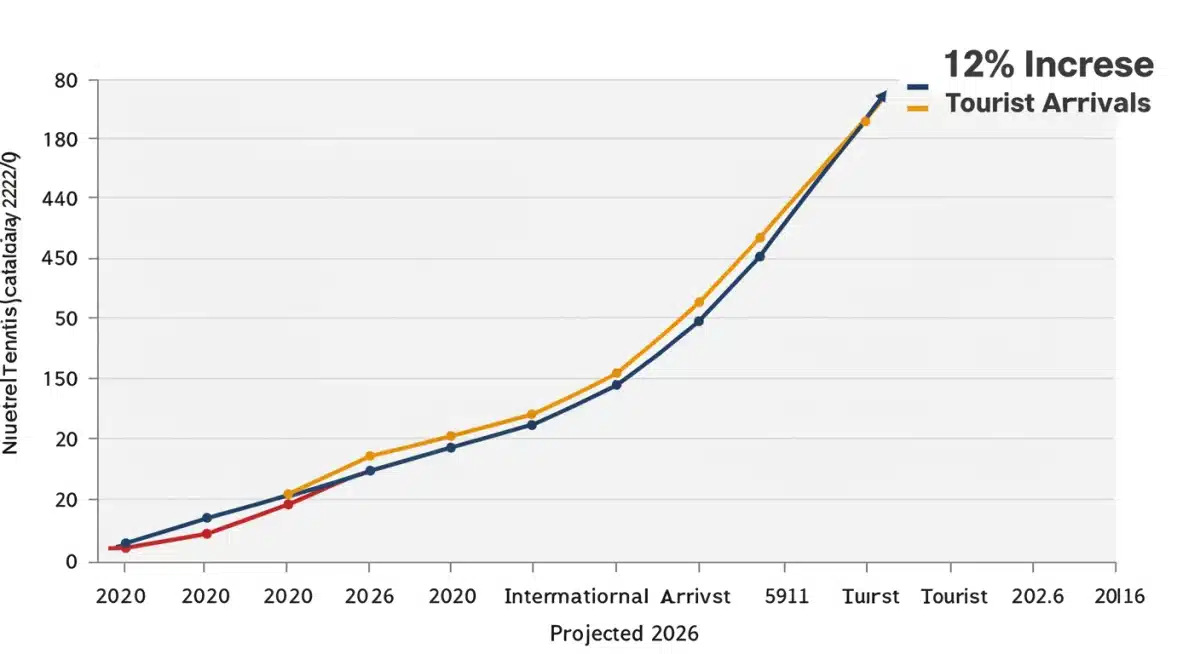
The global travel industry has navigated unprecedented challenges in recent years, but the horizon for US travel recovery is shining brightly. Projections indicate a robust resurgence, with international arrivals to the United States expected to surge by an impressive 12% by late 2026. This optimistic forecast isn’t merely a hopeful wish; it’s grounded in a confluence of evolving travel behaviors, targeted industry efforts, and a renewed global appetite for exploration. Understanding the catalysts behind this anticipated boom is crucial for businesses, policymakers, and travelers alike.
Beyond the Pandemic: How U.S. Travel Demand is Projecting a 12% Increase in International Arrivals by Late 2026
The journey back to pre-pandemic international travel levels has been gradual yet determined. While some regions have seen quicker rebounds, the United States, a perennial magnet for global tourists and business travelers, is now firmly on an accelerated path to recovery. The projected 12% increase in international arrivals by late 2026 signifies not just a return to normalcy, but a potential exceeding of previous benchmarks, driven by a dynamic interplay of factors that are reshaping the landscape of global tourism. This article delves deep into the mechanisms driving this anticipated growth, exploring the trends, challenges, and opportunities that define the future of US travel recovery.
Understanding the Dynamics of US Travel Recovery
The road to recovery for the U.S. tourism sector has been complex, influenced by a myriad of global and domestic factors. Initial setbacks, such as stringent travel restrictions and evolving health protocols, significantly curtailed international visitor numbers. However, as these barriers have eased and confidence in global travel has been restored, the underlying demand for U.S. experiences has proven resilient. The 12% projected increase is a testament to this inherent appeal and the strategic efforts undertaken by various stakeholders.
Key Indicators Pointing Towards Growth
- Pent-Up Demand: Following years of restricted travel, there’s a significant reservoir of pent-up demand. Travelers are eager to revisit favorite destinations and explore new ones, with the U.S. consistently ranking high on wish lists.
- Improved Air Connectivity: Airlines are rapidly restoring and expanding international routes, increasing seat capacity and making travel to the U.S. more accessible and competitive.
- Strong U.S. Dollar: While a strong dollar can make the U.S. more expensive for some, it also signals economic stability and can attract high-spending tourists, particularly from markets where currency exchange rates are favorable.
- Marketing and Promotional Efforts: Organizations like Brand USA, along with state and city tourism boards, are actively engaged in targeted marketing campaigns to re-engage international audiences and showcase the diverse attractions of the U.S.
- Easing of Visa Processes: Ongoing efforts to streamline visa application processes, although still a point of discussion, are contributing to improved accessibility for potential visitors.
The Shifting Landscape of International Travelers
The profile of the international traveler visiting the U.S. is also evolving, influencing the types of experiences and services in demand. Understanding these demographic and psychographic shifts is critical for the hospitality industry and related sectors to effectively capitalize on the projected growth in international arrivals.
Emerging Traveler Segments
The post-pandemic era has seen the rise of several distinct traveler segments:
- The Experience Seeker: Beyond traditional sightseeing, these travelers prioritize authentic cultural immersion, adventure tourism, and unique local experiences. They are often willing to spend more for personalized and memorable trips.
- The Sustainable Tourist: A growing segment concerned with the environmental and social impact of their travel. They seek eco-friendly accommodations, responsible tour operators, and destinations committed to sustainability.
- The Digital Nomad/Remote Worker: With the rise of remote work, more individuals are combining travel with their professional lives, leading to longer stays and a demand for co-working spaces and reliable connectivity.
- The Wellness Traveler: Health and well-being have become paramount. These travelers seek destinations and services that offer relaxation, rejuvenation, and opportunities for physical and mental wellness.
Tailoring offerings to these segments will be key to maximizing the economic benefits of the projected 12% increase in US international travel.
Economic Impact of Increased International Arrivals
A 12% increase in international arrivals is not just a statistic; it translates into substantial economic impact across various sectors of the U.S. economy. From direct spending on accommodation, food, and attractions to indirect benefits through supply chains, the ripple effect is profound.
Boost for Local Economies
International visitors typically have a higher average daily spend compared to domestic tourists. This influx of foreign currency directly supports:
- Hospitality Sector: Hotels, resorts, short-term rentals, and bed-and-breakfasts will experience increased occupancy rates and revenue.
- Food and Beverage: Restaurants, cafes, bars, and food tours will see a surge in patronage.
- Retail: Shopping, from luxury goods to souvenirs, is a significant component of international visitor spending.
- Transportation: Airlines, car rental companies, ride-sharing services, and public transport systems will all benefit.
- Attractions and Entertainment: Museums, theme parks, national parks, theaters, and concert venues will see higher attendance.
Moreover, the increased demand will necessitate job creation across these industries, providing employment opportunities and stimulating local economies, especially in popular tourist destinations and gateway cities.
Strategic Initiatives Fueling the Growth
The projected 12% increase in international arrivals is not happening in a vacuum. It is the result of concerted efforts and strategic initiatives by both government bodies and private sector entities aimed at enhancing the U.S.’s appeal as a global travel destination.
Government and Industry Collaboration
- Brand USA Campaigns: The nation’s destination marketing organization plays a pivotal role in promoting the U.S. internationally, showcasing its diverse landscapes, cultures, and experiences through captivating campaigns.
- Infrastructure Investments: Ongoing investments in airport modernization, public transportation, and digital infrastructure are enhancing the visitor experience and facilitating smoother travel.
- Visa Policy Discussions: While challenges remain, there’s continuous dialogue and efforts to optimize visa processes, making them more efficient and user-friendly for legitimate travelers.
- Sustainable Tourism Development: A focus on developing and promoting sustainable tourism practices ensures the long-term viability and attractiveness of U.S. destinations.
Leveraging Technology and Digitalization
Technology is a powerful enabler of US travel recovery. The adoption of digital tools for booking, itinerary planning, contactless experiences, and personalized recommendations is streamlining the travel journey and enhancing visitor satisfaction. AI-powered chatbots, virtual reality tours, and mobile payment solutions are becoming increasingly prevalent, catering to the expectations of tech-savvy international travelers.
Challenges and Opportunities on the Path to 2026
While the outlook is overwhelmingly positive, navigating the path to a 12% increase in international arrivals by late 2026 will involve addressing certain challenges and capitalizing on new opportunities.
Potential Hurdles
- Global Economic Volatility: Economic downturns in key source markets or global inflationary pressures could impact discretionary travel spending.
- Geopolitical Tensions: International conflicts or political instability can deter travel and shift tourist flows.
- Visa Wait Times: Extended visa processing times in some countries remain a significant barrier for potential visitors.
- Workforce Shortages: The hospitality industry continues to face challenges in staffing, which could impact service quality and capacity.
- Sustainability Concerns: As travel increases, managing the environmental impact and ensuring responsible tourism growth becomes even more critical.
Seizing New Opportunities
Despite the challenges, numerous opportunities exist to further accelerate and sustain the growth in US international travel:
- Diversifying Source Markets: While traditional markets remain strong, exploring and developing new emerging markets can broaden the visitor base.
- Promoting Lesser-Known Destinations: Encouraging visitors to explore beyond gateway cities can distribute economic benefits more widely and reduce overtourism in popular spots.
- Enhancing Digital Engagement: Continuous innovation in digital marketing and customer service can create more seamless and personalized travel experiences.
- Focus on Niche Tourism: Developing and promoting niche tourism products like culinary tours, ancestral travel, sports tourism, and educational trips can attract specialized segments.
- Public-Private Partnerships: Stronger collaboration between government agencies, tourism boards, airlines, and hospitality providers can lead to more effective promotion and infrastructure development.
The Role of Specific Regions and Cities in US Travel Recovery
While the national projection for a 12% increase in international arrivals is exciting, it’s important to recognize that this growth will manifest differently across various U.S. regions and cities. Gateway cities like New York, Los Angeles, and Miami will undoubtedly continue to be major entry points and popular destinations. However, other regions are also poised for significant growth as travelers seek diverse experiences.
Regional Hotspots and Emerging Destinations
- Coastal Cities: Beyond the major hubs, cities along the East and West Coasts, offering a blend of urban attractions and natural beauty, are expected to draw considerable international interest.
- National Parks and Outdoor Adventures: The increasing global appreciation for nature and outdoor activities will drive more visitors to the U.S. National Parks system, particularly those offering unique landscapes and wildlife.
- Cultural and Historical Trails: Regions rich in history and cultural heritage, such as the Southern states or New England, will attract travelers interested in immersive historical experiences.
- Culinary Destinations: Cities known for their vibrant food scenes, from New Orleans to Portland, will continue to be a draw for gastronomic tourists.
Strategic marketing efforts targeting specific international markets with tailored regional offerings will be crucial to maximize the benefits of the anticipated 12% increase in international arrivals.
Future Outlook for U.S. Tourism Beyond 2026
The projected 12% increase in international arrivals by late 2026 serves as a powerful indicator of the sustained strength and appeal of the U.S. as a global travel destination. Looking beyond this immediate horizon, the long-term outlook for US travel recovery remains highly positive, albeit with evolving dynamics.
Sustainability and Responsible Tourism
As travel demand continues to grow, sustainability will move from a niche concern to a central pillar of tourism development. International travelers, particularly from Europe and Asia, are increasingly prioritizing eco-friendly options. The U.S. tourism industry will need to further invest in sustainable infrastructure, promote responsible visitor behavior, and protect natural and cultural resources to maintain its attractiveness. This includes everything from greener transportation options to supporting local communities and preserving heritage sites.
Technological Advancements
Innovation in travel technology will continue to transform the visitor experience. Expect to see more personalized travel planning through AI, seamless biometric identification at airports, and immersive virtual reality experiences that allow potential travelers to ‘try before they buy.’ These advancements will not only enhance convenience but also open up new avenues for marketing and engagement, further boosting international arrivals.

The Rise of Experiential Travel
The trend towards experiential travel, where travelers seek immersive and authentic experiences rather than just ticking off landmarks, will intensify. This means a greater focus on local culture, unique activities, and opportunities for personal growth and learning. The U.S., with its vast geographical and cultural diversity, is perfectly positioned to cater to this demand, offering everything from culinary adventures in New Orleans to indigenous cultural experiences in the Southwest, and tech innovation tours in Silicon Valley. This shift will contribute significantly to the quality and depth of US international travel.
Business and MICE Travel Resurgence
While leisure travel has led the initial recovery, business travel and Meetings, Incentives, Conferences, and Exhibitions (MICE) tourism are also making a strong comeback. Major U.S. cities are world-renowned hubs for conferences and trade shows. As global commerce resumes full swing and companies prioritize in-person collaboration, the MICE sector will contribute substantially to the 12% increase in international arrivals and beyond. This segment often involves higher spending per visitor and longer stays, providing a significant economic boost.
Conclusion: A Bright Future for US International Travel
The projection of a 12% increase in international arrivals to the U.S. by late 2026 is a robust signal of the industry’s resilience and enduring appeal. This growth is underpinned by a combination of pent-up demand, strategic marketing, improved infrastructure, and evolving traveler preferences. While challenges such as global economic shifts and visa complexities remain, the concerted efforts of government and industry stakeholders, coupled with the inherent attractiveness of the United States, position the nation for a vibrant and prosperous future in global tourism.
For businesses in the hospitality industry, airlines, tour operators, and local economies, this forecast presents immense opportunities. Adapting to new traveler segments, embracing sustainable practices, and leveraging technological advancements will be key to fully capitalizing on this anticipated boom. The US travel recovery is not just about numbers; it’s about reconnecting the U.S. with the world, fostering cultural exchange, and driving significant economic prosperity across the nation.
As the world continues to open up, the allure of the United States – its iconic cities, breathtaking natural landscapes, rich cultural tapestry, and innovative spirit – will undoubtedly continue to draw millions of international visitors, making the target of a 12% increase well within reach, and setting the stage for even greater growth in the years to come. The journey of post-pandemic travel is far from over, but the U.S. is clearly leading the charge towards a new era of global connectivity and exploration.