Investment Trends: U.S. Travel Tech Venture Capital
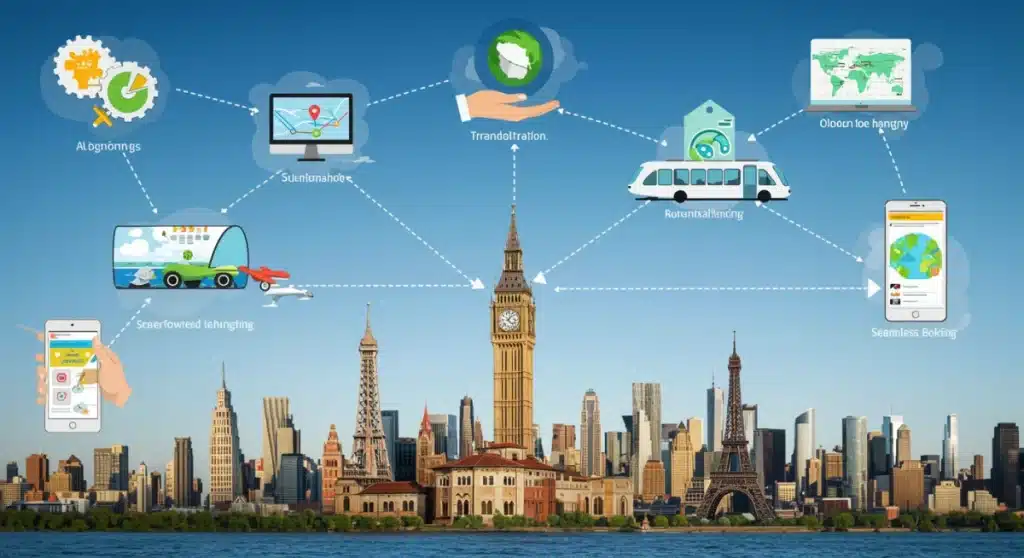
Venture capital is increasingly focusing on innovative US travel technology, with significant investments expected in sustainable solutions, AI-driven personalization, and enhanced customer experience platforms over the next 18 months, reflecting a dynamic and evolving market.
Understanding the current landscape of US travel tech investment is crucial for anyone involved in the industry, from startups to established players. The next 18 months promise a fascinating evolution, shaped by shifting consumer demands and technological advancements. What sectors are poised for explosive growth, and where are venture capitalists placing their bets?
The Resurgence of Travel and Tech Innovation
The travel industry has demonstrated remarkable resilience, rebounding strongly from recent global disruptions. This resurgence isn’t just about demand; it’s fueled by a profound integration of technology. Investors are keenly aware of this paradigm shift, actively seeking out companies that can deliver innovative solutions to enhance every facet of the travel experience.
Venture capital firms are scrutinizing startups that address pain points in a post-pandemic world, such as flexible booking options, health and safety protocols, and hyper-personalized itineraries. The emphasis has moved beyond simple digitization to intelligent automation and predictive analytics, aiming to create seamless, stress-free journeys for travelers.
Driving Factors Behind Renewed VC Interest
- Pent-Up Demand: A significant surge in travel desire post-restrictions.
- Digital Transformation: Accelerated adoption of digital tools across all travel segments.
- Sustainability Imperative: Growing consumer and regulatory pressure for eco-friendly travel options.
- Personalization at Scale: Leveraging data to offer tailored experiences.
This renewed interest is not merely a short-term trend but a long-term commitment to a more efficient, enjoyable, and responsible travel ecosystem. The focus remains on scalable solutions that can adapt to rapid market changes and evolving consumer preferences.
Sustainable Travel Solutions: A Green Horizon for Investment
As environmental concerns become central to global discourse, the travel industry is facing increasing pressure to adopt sustainable practices. This translates into a burgeoning market for green travel technologies, attracting substantial venture capital. Investors recognize that sustainability is no longer a niche but a core expectation for modern travelers.
Companies innovating in areas like carbon footprint tracking, eco-friendly accommodation platforms, sustainable transportation alternatives, and waste reduction technologies are seeing significant interest. The goal is to make travel less impactful on the planet without compromising the traveler’s experience.
Key Areas Attracting Green VC Funding
- Carbon Offsetting & Tracking: Platforms helping travelers and businesses measure and mitigate their environmental impact.
- Eco-Lodging & Experiences: Technologies connecting travelers with certified sustainable accommodations and responsible tours.
- Alternative Fuels & Electric Transport: Investments in infrastructure and innovations for greener air, land, and sea travel.
- Waste Management Solutions: Technologies aimed at reducing waste in hotels, airlines, and other travel operations.
The convergence of consumer demand for ethical travel and technological capability creates a fertile ground for investment. Venture capitalists are looking for solutions that offer both environmental benefits and viable business models, signaling a long-term shift in industry priorities. This sector represents a critical component of future US travel tech investment strategies.
AI and Personalization: Crafting Bespoke Journeys
The era of one-size-fits-all travel is rapidly fading, replaced by a demand for highly personalized experiences. Artificial intelligence (AI) is at the forefront of this transformation, enabling companies to offer bespoke itineraries, recommendations, and services. Venture capitalists are heavily investing in AI-driven platforms that can analyze vast amounts of data to predict traveler preferences and anticipate needs.
From AI-powered chatbots for instant customer support to algorithms that curate personalized travel packages based on past behavior and real-time data, the applications are diverse and impactful. This focus on personalization not only enhances customer satisfaction but also drives loyalty and repeat business, making it an attractive proposition for investors.
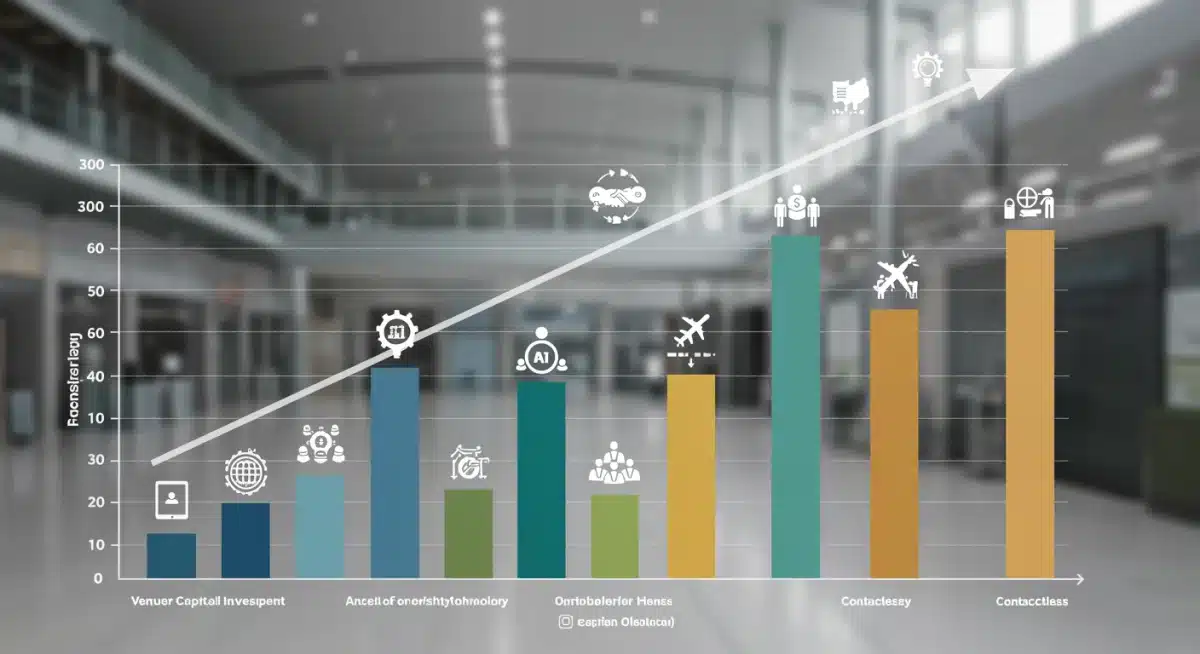
The ability to deliver a truly unique and relevant travel experience is becoming a major differentiator in a crowded market. Companies that master this through AI are likely to capture significant market share and attract substantial funding.
Contactless and Seamless Travel Experiences
The pandemic accelerated the adoption of contactless technologies, and this trend is here to stay. Travelers now expect seamless, low-friction interactions throughout their journey, from booking to check-in and beyond. Venture capital is flowing into innovations that facilitate these experiences, prioritizing convenience and safety.
This includes investments in biometric identification for airport security, mobile-first solutions for hotel check-ins, digital payment systems, and IoT devices that enhance control and comfort within accommodations. The goal is to minimize physical touchpoints and streamline processes, creating a more efficient and enjoyable travel flow.
Innovations Driving Contactless Travel
- Biometric Solutions: Facial recognition and fingerprint scanning for expedited airport processes.
- Mobile Key & Check-in: Apps allowing travelers to bypass front desks and access rooms directly.
- Digital Health Passports: Secure platforms for managing health credentials for international travel.
- IoT in Hospitality: Smart rooms with voice-activated controls and personalized settings.
The demand for these technologies is strong, as they address both health concerns and the desire for efficiency. Investors see significant potential in companies that can deliver robust and user-friendly contactless solutions, making this a key area for US travel tech investment.
Optimizing Operations with Advanced Analytics
Beyond the traveler-facing innovations, venture capital is also heavily invested in technologies that optimize the internal operations of travel businesses. Advanced analytics, fueled by big data, are enabling airlines, hotels, and tour operators to make smarter decisions, improve efficiency, and boost profitability. This back-end innovation is crucial for sustainable growth.
Investments are targeting platforms for dynamic pricing, predictive maintenance for aircraft and vehicles, intelligent inventory management, and sophisticated customer relationship management (CRM) systems. These tools provide actionable insights that help companies reduce costs, enhance service delivery, and respond more effectively to market fluctuations.
The ability to leverage data for strategic advantage is paramount in today’s competitive travel landscape. Venture capitalists are seeking out companies that offer powerful analytical capabilities, transforming raw data into tangible business improvements. This focus on operational excellence underpins many of the more visible consumer-facing innovations.
Emerging Niche Markets and Experiential Travel
While broad trends dominate, venture capital also shows a keen interest in emerging niche markets and platforms catering to experiential travel. Travelers are increasingly seeking unique, authentic, and immersive experiences rather than conventional tourism. This shift opens doors for innovative startups that can connect travelers with these specialized offerings.
Areas like adventure travel platforms, hyper-local tour operators, wellness retreats, and digital nomad services are attracting attention. Investors are looking for companies that understand these specific demographics and can effectively curate and deliver highly specialized travel products. The focus is on quality over quantity, and depth of experience over breadth.
Furthermore, technology enabling seamless planning and booking for multi-destination trips or complex itineraries within these niches is also a strong investment area. The appetite for unique adventures and personalized growth experiences continues to drive innovation in this segment, making it a vibrant space for future US travel tech investment.
The Role of Blockchain and Web3 in Travel
Looking further ahead, the nascent but rapidly evolving fields of blockchain and Web3 are beginning to attract exploratory venture capital in the travel sector. While still in early stages, these technologies promise to revolutionize aspects like loyalty programs, secure identity management, and transparent booking systems. Investors are keenly watching for disruptive potential.
Blockchain can offer immutable records for bookings, reducing fraud and improving trust between consumers and providers. Web3, with its decentralized nature, could empower travelers with more control over their data and create new models for travel ownership and shared experiences. While significant hurdles remain, early-stage funding is beginning to explore these possibilities.
Companies experimenting with NFTs for loyalty programs, decentralized autonomous organizations (DAOs) for travel planning, or secure digital identities built on blockchain are on the radar. These investments are speculative but could yield significant returns if the underlying technologies mature and gain wider adoption, shaping the long-term future of US travel tech investment.
| Key Investment Area | Focus & Impact |
|---|---|
| Sustainable Travel Tech | Carbon tracking, eco-lodging, alternative fuels for greener travel. |
| AI & Personalization | Tailored itineraries, predictive recommendations, enhanced customer service. |
| Contactless Experiences | Biometrics, mobile check-ins, digital payments for seamless journeys. |
| Operational Analytics | Dynamic pricing, predictive maintenance, CRM for business efficiency. |
Frequently Asked Questions About Travel Tech Investments
Top areas include sustainable travel solutions, AI-driven personalization, contactless travel technologies, and platforms that optimize operational efficiency for travel businesses. Emerging niches and Web3 applications are also gaining attention for future growth potential.
AI is a major driver, enabling hyper-personalization of travel experiences, predictive analytics for demand forecasting, and efficient customer service through chatbots. Investors are backing AI solutions that enhance traveler satisfaction and operational intelligence.
Sustainable travel tech is attracting funding due to growing consumer demand for eco-friendly options and increasing regulatory pressures. Investors see long-term viability in solutions that reduce environmental impact while maintaining travel quality.
Contactless solutions are vital for enhancing safety, convenience, and efficiency. VC is investing in biometrics, mobile check-ins, and digital payment systems to create seamless, low-friction travel experiences that meet modern consumer expectations.
Yes, niche markets focusing on experiential travel, adventure, wellness, and digital nomad services are highly appealing. Investors are seeking platforms that cater to specific demographics desiring unique, authentic, and immersive travel experiences beyond traditional tourism.
Conclusion
The landscape of US travel tech investment is dynamic and forward-looking, driven by a powerful confluence of technological innovation and evolving consumer preferences. Over the next 18 months, venture capital will continue to flow into sectors that promise to deliver more personalized, sustainable, and seamless travel experiences. From AI-powered recommendations to green travel solutions and robust operational analytics, the focus remains on building a more resilient, efficient, and enjoyable future for travel. Companies that can effectively leverage these trends are best positioned to attract significant funding and reshape the industry.