2026 EV Charging Network: US Road Trip Planning Solutions
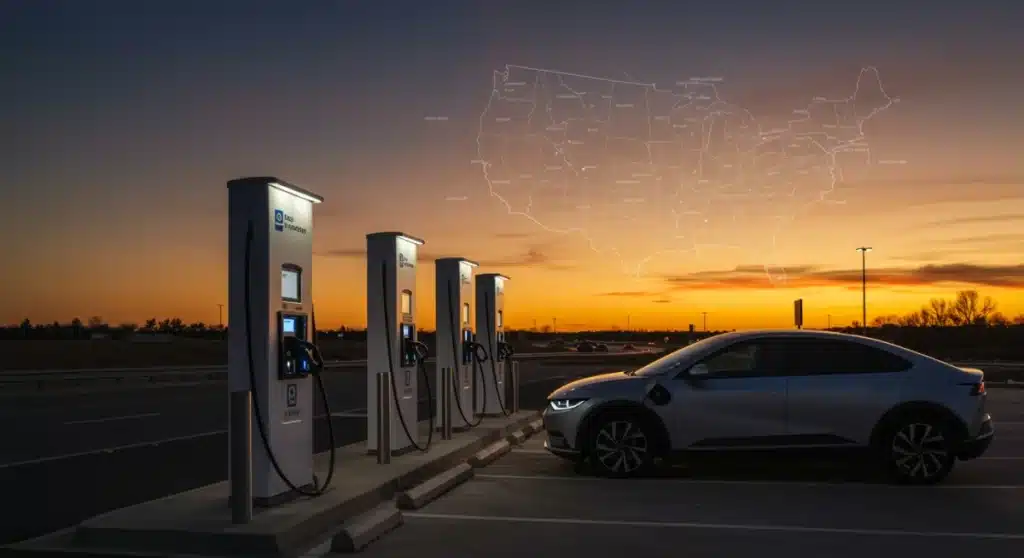
The 2026 federal EV charging network expansion will significantly enhance electric vehicle travel across the US, providing critical infrastructure for planning efficient and stress-free road trips.
Embarking on an electric vehicle (EV) road trip across the United States is becoming increasingly feasible and enjoyable, thanks to significant advancements in charging infrastructure. The highly anticipated 2026 federal EV charging network expansion promises to transform long-distance EV travel, making it more accessible and less daunting than ever before.
Understanding the 2026 Federal EV Charging Network Landscape
The year 2026 marks a pivotal moment for electric vehicle adoption and long-distance travel in the United States. The federal government’s ambitious plan to establish a ubiquitous and reliable EV charging network is truly taking shape, aiming to alleviate range anxiety and encourage more drivers to switch to electric.
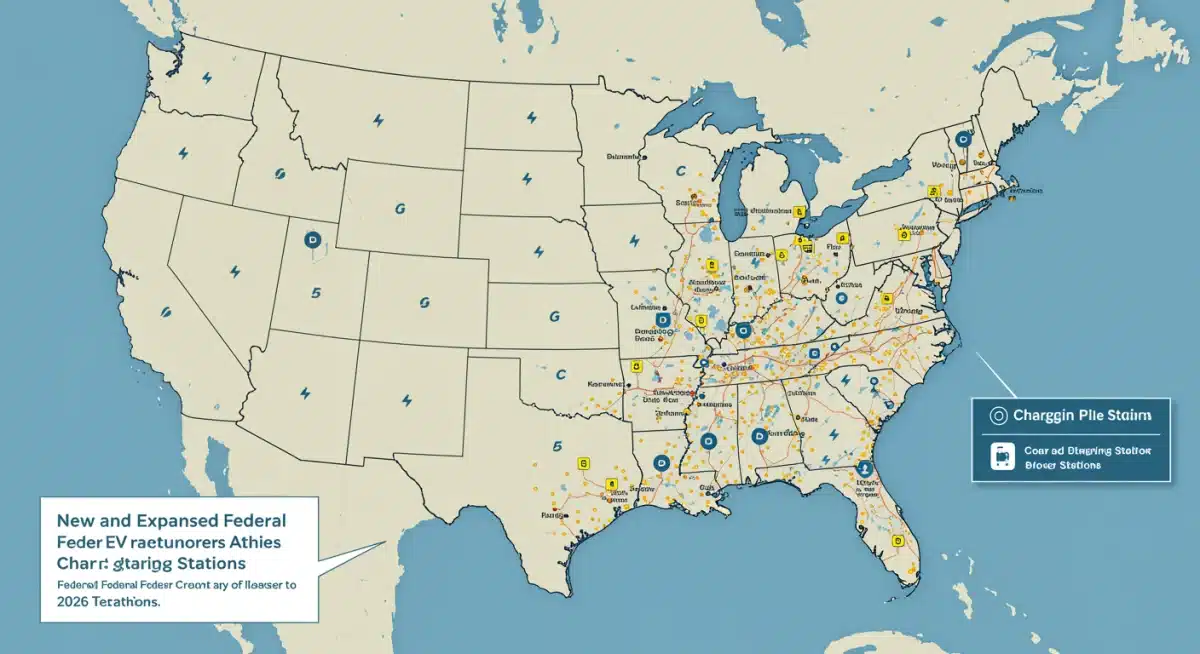
This expansion isn’t just about adding more chargers; it’s about strategically placing them along major interstates and critical corridors, ensuring that EV drivers have consistent access to charging facilities every 50 miles. This comprehensive approach is designed to support seamless travel across state lines and through previously underserved areas.
Key Components of the Expansion
- High-Speed DC Fast Chargers: The network prioritizes DC fast charging stations, capable of replenishing a significant portion of an EV’s battery in a short amount of time, crucial for road trips.
- Standardized Payment Systems: Efforts are underway to standardize payment methods, making it easier for drivers to use various charging networks without needing multiple apps or accounts.
- Reliability and Uptime: New regulations and monitoring systems are being implemented to ensure high uptime and functionality of charging stations, addressing a common pain point for early EV adopters.
The vision for 2026 is a robust ecosystem where EV charging is as routine and convenient as refueling a gasoline car. This infrastructure development is foundational for the future of sustainable transportation in the US, empowering travelers with greater freedom and confidence.
Planning Your EV Road Trip: Essential Pre-Journey Checks
With the expanded 2026 federal EV charging network, planning an EV road trip becomes significantly easier, but preparation remains key. Before you hit the road, a few essential checks can ensure a smooth and enjoyable journey, preventing unexpected delays or frustrations.
Understanding your vehicle’s range, charging capabilities, and the specifics of your chosen route are paramount. A well-planned itinerary, factoring in charging stops, can transform a potentially stressful trip into a relaxing adventure.
Optimizing Your EV for Long Distances
- Battery Health Assessment: Ensure your EV’s battery is in optimal condition. A health check can identify any degradation that might affect your actual range.
- Tire Pressure Check: Properly inflated tires significantly impact efficiency and range. Check them regularly, especially before long drives.
- Software Updates: Make sure your vehicle’s software is up to date. Manufacturers often release updates that improve battery management and navigation features.
Additionally, consider packing light to reduce vehicle weight, and familiarize yourself with your EV’s regenerative braking capabilities, which can extend range, especially in varied terrain. These small adjustments can collectively make a noticeable difference on extended journeys.
Navigating the New Charging Infrastructure: Tools and Apps
The 2026 federal EV charging network brings with it advanced tools and applications designed to simplify your charging experience. These digital aids are indispensable for locating stations, monitoring availability, and ensuring compatibility with your vehicle.
Gone are the days of guessing where the next charger might be. Modern navigation systems and dedicated EV apps provide real-time data, allowing you to plan stops efficiently and avoid unexpected detours, making your road trip seamless.
Top EV Charging Apps and Features
Several applications have emerged as crucial companions for EV drivers. These apps not only pinpoint charging stations but also offer a wealth of information that can be critical for planning.
- Real-time Availability: Apps like PlugShare and ChargePoint now offer highly accurate, real-time updates on charger availability, crucial for avoiding queues.
- Filter Options: You can filter by connector type (CCS, NACS, CHAdeMO), charging speed (Level 2, DC Fast Charger), network provider, and even amenities available at the charging location.
- Route Planners: Integrated route planners suggest optimal charging stops based on your vehicle’s range and the most efficient path.
Beyond dedicated charging apps, many EV manufacturers are integrating advanced charging network data directly into their vehicle’s navigation systems. This provides a cohesive experience, often pre-conditioning the battery for faster charging as you approach a station, further streamlining your travel.
Maximizing Efficiency and Range on Your Journey
Even with an expanded 2026 federal EV charging network, understanding how to maximize your electric vehicle’s efficiency and range is a valuable skill for any road tripper. Small adjustments to driving habits and vehicle settings can significantly extend the distance you can cover between charges.
Adopting eco-conscious driving techniques not only conserves battery life but also contributes to a smoother, more relaxed journey. It’s about being mindful of your energy consumption and making smart choices on the road.
Driving Habits for Extended Range
- Maintain a Steady Speed: High speeds consume significantly more energy. Sticking to speed limits, especially on highways, can preserve considerable range.
- Gentle Acceleration and Braking: Aggressive driving rapidly depletes the battery. Smooth acceleration and utilizing regenerative braking effectively can recover energy.
- Minimize HVAC Use: Heating and air conditioning are major energy draws. Use them judiciously, perhaps pre-conditioning the cabin while charging.
Additionally, consider using ‘Eco’ driving modes if your vehicle offers them. These modes often limit acceleration and optimize other vehicle systems for maximum efficiency. By integrating these practices, you can confidently navigate longer stretches between charging stops, enhancing your overall road trip experience.
Emergency Preparedness and Contingency Planning for EVs
While the 2026 federal EV charging network aims for unparalleled reliability, unforeseen circumstances can always arise. Therefore, having an emergency preparedness plan and understanding contingency options for your EV road trip is crucial for peace of mind.
Thinking ahead about potential challenges, such as unexpected charger outages or detours, allows you to react calmly and efficiently, minimizing disruptions to your travel plans. A little foresight goes a long way in ensuring a safe journey.
Essential Contingency Measures
- Portable Charging Solutions: Consider carrying a Level 1 portable charger for emergencies, allowing you to trickle charge from a standard wall outlet if absolutely necessary.
- Roadside Assistance Membership: Ensure your roadside assistance plan covers EV-specific issues, such as flatbed towing to the nearest charging station if you run out of charge.
- Alternative Route Planning: Always have backup routes in mind or pre-loaded on your navigation, especially when traveling through less populated areas where charging options might be scarcer.
Keeping a small emergency kit in your vehicle, including basic tools, a first-aid kit, and extra water, is also a good practice, regardless of the vehicle type. For EVs, this might also include a heavy-duty extension cord compatible with your portable charger.
The Future of EV Road Trips Beyond 2026
The 2026 federal EV charging network expansion is a significant milestone, but it’s merely a stepping stone towards an even more robust and integrated future for electric vehicle travel. Innovations continue to emerge, promising to redefine the road trip experience further.
Looking ahead, we can anticipate even greater convenience, faster charging speeds, and a more seamless integration of EV technology into our daily lives. The landscape of sustainable travel is constantly evolving, driven by both technological advancements and growing consumer demand.
Emerging Technologies and Trends
- Ultra-Fast Charging: Expect to see more widespread deployment of ultra-fast chargers capable of adding hundreds of miles of range in just minutes, significantly reducing charging stop durations.
- Vehicle-to-Grid (V2G) Integration: Future EVs may not only draw power but also feed it back to the grid during peak demand, potentially offering financial incentives to owners and enhancing grid stability.
- Wireless Charging: While still in early stages for public use, wireless charging pads could eventually offer convenient, hands-free charging at designated parking spots.
The continuous development in battery technology, alongside governmental and private sector investments, indicates a future where range anxiety becomes a relic of the past. Road trips in electric vehicles will become the norm, offering an environmentally friendly and increasingly enjoyable way to explore the country.
| Key Point | Brief Description |
|---|---|
| 2026 Network Overview | Federal expansion aims for reliable EV charging every 50 miles on major US corridors. |
| Pre-Trip Planning | Essential checks include battery health, tire pressure, and software updates for optimal range. |
| Charging Tools | Utilize apps and in-car navigation for real-time charger availability and route planning. |
| Efficiency Tips | Drive steadily, use regenerative braking, and minimize HVAC to maximize EV range. |
Frequently Asked Questions About EV Road Trips in 2026
The network aims to provide reliable DC fast chargers every 50 miles along major highways, significantly reducing range anxiety and making long-distance EV travel much more feasible and convenient for drivers across the US.
Modern EV charging apps offer real-time station availability. Always check the app before arriving. If a station is down, use the app’s routing features to find the next closest operational charger or a Level 2 alternative.
Most public DC fast chargers support CCS, the most common standard. Tesla vehicles can use their Supercharger network and, with an adapter, other networks. NACS is becoming more prevalent. Always check connector types in apps.
With DC fast chargers, adding 100-200 miles of range can take 20-40 minutes, depending on the charger’s speed and your vehicle’s charging curve. Level 2 chargers are slower, suitable for overnight or extended stops.
Beyond standard emergency kits, consider a portable Level 1 charger, a heavy-duty extension cord, and ensure your roadside assistance plan covers EV towing. Having backup routes planned is also a smart strategy.
Conclusion
The expansion of the 2026 federal EV charging network represents a monumental step forward for electric vehicle travel in the United States. With enhanced infrastructure, intelligent planning tools, and a growing understanding of EV efficiency, road trips in electric vehicles are not just a possibility, but a practical, enjoyable reality. As the network continues to mature, it will undoubtedly foster greater confidence among EV owners and inspire a new generation of sustainable adventurers to explore the vast landscapes of America.