2026 US National Park Reservations: Secure Your Spot 3 Months Ahead
Planning a trip to a US National Park in 2026? You’re in for an incredible experience! However, with the increasing popularity of these natural wonders, securing your spot often requires more than just showing up. The latest in US National Park reservation systems dictates that for many of the most sought-after destinations, proactive planning is key. This comprehensive guide will walk you through everything you need to know about navigating the 2026 reservation landscape, focusing on how to secure your access up to three months in advance.
The allure of the United States’ National Parks is undeniable. From the towering peaks of the Rockies to the ancient forests of the Pacific Northwest, and the vibrant deserts of the Southwest, these protected lands offer unparalleled beauty and recreational opportunities. As visitor numbers continue to climb, the National Park Service (NPS) has implemented various reservation and timed-entry systems to manage crowds, protect fragile ecosystems, and enhance the visitor experience. Understanding these systems is paramount to a successful 2026 park adventure.
This article will delve into the specifics of these reservation requirements, highlight which parks are likely to require advance booking, explain the typical booking windows (especially the critical three-month ahead mark), and provide actionable strategies to maximize your chances of securing those coveted permits. Get ready to transform your national park dreams into reality!
Understanding the Evolving Landscape of US National Park Reservations
The operational models for US National Park reservations are dynamic. What was true last year might not be true for 2026. The NPS continuously evaluates visitor impact and adjusts access policies to strike a balance between conservation and public enjoyment. This often means implementing or modifying timed-entry systems, wilderness permits, and specific activity reservations. The primary goal is to distribute visitation more evenly throughout the day and year, reducing congestion at popular trailheads, scenic overlooks, and visitor centers.
Why Advance Reservations Are Becoming the Norm
Several factors contribute to the increasing prevalence of advance US National Park reservations:
- Visitor Overload: Parks like Zion, Yosemite, and Arches have seen record-breaking visitation, leading to parking shortages, crowded trails, and environmental degradation.
- Resource Protection: Limiting daily entries helps protect delicate ecosystems from overuse.
- Improved Visitor Experience: Fewer crowds mean a more tranquil and enjoyable experience for those who do gain entry.
- Traffic Management: Timed entry can alleviate traffic bottlenecks on park roads.
- Safety Concerns: Overcrowding can strain emergency services and lead to safety hazards.
For 2026, it’s safe to assume that popular parks will continue or expand their reservation requirements. Therefore, the phrase ‘secure your spot 3 months ahead’ isn’t just a suggestion; for many, it will be a necessity.
Key Parks Likely to Require 2026 Advance Reservations
While the exact list of parks requiring reservations for 2026 will be finalized closer to the year, based on recent trends, several parks are highly probable candidates for continued or new reservation systems. These are generally the parks that experience the highest visitor numbers, especially during peak seasons:
- Arches National Park (Utah): Known for its iconic sandstone arches, Arches has successfully implemented a timed-entry system. Expect this to continue.
- Zion National Park (Utah): Access to popular trails like Angels Landing requires a permit via lottery. Timed entry for the scenic drive is also common.
- Glacier National Park (Montana): Going-to-the-Sun Road access often requires reservations during peak summer months.
- Rocky Mountain National Park (Colorado): Timed-entry permits for specific park areas and the entire park are a regular feature.
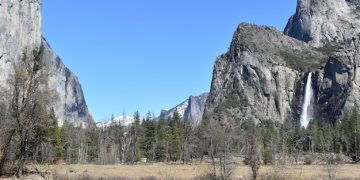
- Yosemite National Park (California): While not always consistent, Yosemite has used timed-entry systems, especially during high-demand periods like firefall or summer weekends.
- Acadia National Park (Maine): Cadillac Summit Road frequently requires vehicle reservations.
- Shenandoah National Park (Virginia): Old Rag Mountain day-use permits are required.
- Great Smoky Mountains National Park (Tennessee/North Carolina): While traditionally open, parking fees and potential future timed-entry systems are always under consideration due to immense popularity.
It is crucial to note that this list is not exhaustive and new parks may implement similar systems. Always check the official NPS website for the specific park you plan to visit well in advance of your trip.
The ‘3 Months Ahead’ Golden Window: How and When to Book
The three-month booking window is a critical period for many US National Park reservations. This means that if you plan to visit a park on a specific date, you should be ready to book exactly three months prior to that date, often at a specific time of day (e.g., 10:00 AM ET). This system is designed to provide a fair chance for visitors to secure permits, but it also necessitates meticulous planning and prompt action.
Understanding Release Schedules
Most US National Park reservations are managed through Recreation.gov, the federal government’s online reservation system. This platform handles everything from campsite bookings to timed-entry passes and wilderness permits. Here’s a general breakdown of how the ‘3 months ahead’ window typically works:
- Fixed-Date Releases: For many timed-entry systems, permits are released on a rolling basis. For example, if you want to visit on July 15th, permits might become available on April 15th at 10:00 AM ET.
- Seasonal Releases: Some parks might release a block of permits for an entire season (e.g., all summer permits released in February). However, for daily timed-entry, the rolling 3-month window is more common.
- Lotteries: For highly competitive permits, such as Angels Landing in Zion or certain backcountry permits, a lottery system is often used. These lotteries have specific application periods that can be well in advance of the 3-month mark, followed by a drawing.
It is absolutely essential to check the official park website for the exact release schedule for your desired dates and activities. These schedules can vary significantly from park to park and even within the same park for different access points or activities.
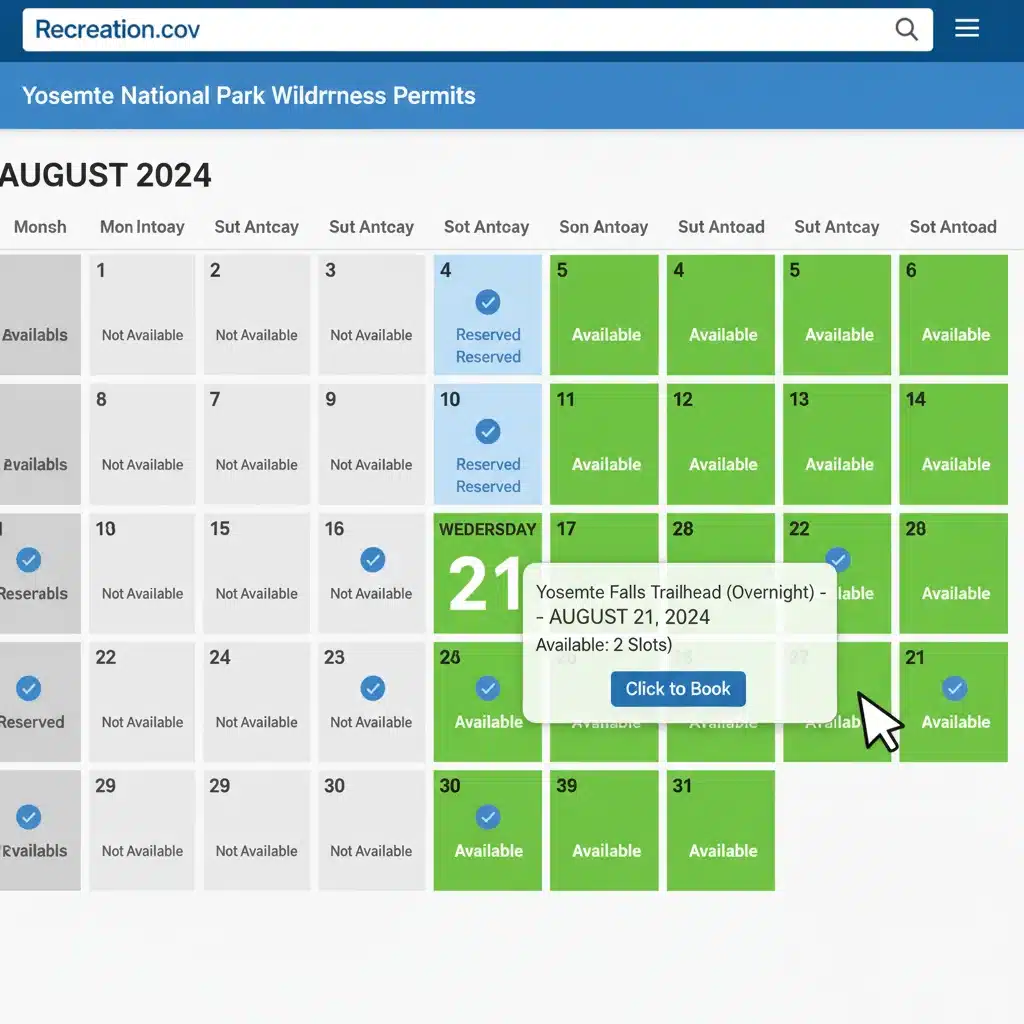
Step-by-Step Guide to Securing Your 2026 National Park Reservations
Don’t let the complexity deter you. With a systematic approach, you can successfully secure your desired US National Park reservations. Follow these steps:
Step 1: Choose Your Park(s) and Dates
Decide which national park(s) you want to visit and your preferred travel dates. Be flexible if possible, as this increases your chances of finding availability.
Step 2: Research Specific Park Requirements
Visit the official NPS website (www.nps.gov) and navigate to the page for your chosen park. Look for sections on ‘Permits & Reservations,’ ‘Plan Your Visit,’ or ‘Alerts & Conditions.’ This is where you’ll find the most up-to-date information on:
- Whether a reservation system is in place for 2026.
- What areas or activities require reservations (e.g., timed entry, specific trails, shuttle tickets, campgrounds).
- The exact booking window and release dates/times (e.g., ‘Reservations open 3 months in advance at 10:00 AM ET’).
- Any fees associated with the reservations.
- Alternative entry methods if you don’t get a reservation (e.g., first-come, first-served options for a small percentage of tickets, or specific times of day without reservations).
Step 3: Create a Recreation.gov Account
If you don’t already have one, create an account on Recreation.gov well in advance of your booking date. Ensure your payment information is up-to-date and saved for a quicker checkout process.
Step 4: Mark Your Calendar and Set Alarms
Identify the precise date and time your desired reservations will be released (e.g., April 15th at 10:00 AM ET for a July 15th visit). Set multiple alarms on your phone or computer to remind you. Treat this like buying concert tickets – demand is often that high.
Step 5: Practice and Prepare
If possible, practice navigating the Recreation.gov interface for a less popular park or a different type of reservation. Familiarize yourself with the steps involved in selecting dates, times, and quantities. Have all necessary information ready, such as the number of people in your party and vehicle details.
Step 6: Be Ready at Release Time
Log into your Recreation.gov account at least 10-15 minutes before the release time. Have the specific park’s reservation page open. Refresh the page precisely when the release time hits. Be quick and decisive in selecting your preferred date and time slot.
Step 7: Confirm and Save Your Reservation
Once you’ve secured your reservation, confirm all details and save the confirmation email or print a physical copy. Many parks require you to show proof of reservation upon entry, either digitally or in print.
Expert Tips for Success in Securing US National Park Reservations
Beyond the basic steps, these advanced tips can significantly improve your chances of success when dealing with competitive US National Park reservations:
Tip 1: Be Flexible with Your Dates and Times
If your primary date isn’t available, have several backup dates in mind. Weekdays are generally less crowded than weekends, and shoulder seasons (spring and fall) offer beautiful weather with fewer visitors than peak summer.
Tip 2: Consider Off-Peak Hours
If timed entry is required, try for the earliest or latest time slots of the day. These often have slightly less competition and offer unique experiences (sunrise/sunset). Early mornings are particularly magical in national parks.
Tip 3: Leverage the ‘Second Chance’ Release
Many parks utilize a two-tiered release system. While the bulk of reservations might open 3 months in advance, a smaller percentage (e.g., 20-30%) might be released just 1-2 days before the visit date. This ‘second chance’ is often for last-minute planners or those who missed the initial window. Be prepared to try again at these later release times if you don’t succeed initially.
Tip 4: Have Multiple Devices Ready
On release day, consider using multiple devices (laptop, tablet, smartphone) or browsers to increase your chances. This can sometimes give you a slight edge in case of a site glitch or slow loading on one device.
Tip 5: Understand Specific Permit Requirements
Some permits, like those for backcountry camping or specific technical hikes, might have different application periods or lottery systems. For instance, the Angels Landing permit in Zion has a seasonal lottery and a day-before lottery. Always verify the specific rules for your desired activity.
Tip 6: Explore First-Come, First-Served Alternatives
While reservations are becoming more common, some parks or specific areas within parks still offer first-come, first-served access for a limited number of visitors. Arriving exceptionally early on the day of your visit might be an option, but this strategy comes with no guarantees and often requires significant waiting.
Tip 7: Stay Informed with Park Alerts and Social Media
Follow the official social media accounts of the parks you plan to visit and sign up for email alerts from the NPS or Recreation.gov. Changes to reservation systems, unexpected closures, or important updates are often announced through these channels.
Tip 8: Look for Commercial Tour Operators
If all else fails and you’re desperate to visit a specific park, consider booking with a permitted commercial tour operator. These operators often have their own block of reservations or access permits, though this option typically comes at a higher cost.
What to Do if You Can’t Get a Reservation
Even with the best planning, sometimes US National Park reservations are simply impossible to obtain. Don’t despair! Here are some alternative strategies:
Visit During Off-Season or Shoulder Season
Parks are often less crowded and may not require reservations during the off-season (winter) or shoulder seasons (late spring/early fall). While weather conditions might be different, these periods offer unique beauty and a more serene experience.
Explore Nearby National Forests or BLM Land
The areas surrounding popular national parks often offer equally stunning landscapes and recreational opportunities without the need for reservations. National Forests and Bureau of Land Management (BLM) lands are vast and typically have fewer access restrictions.
Consider Less Popular National Parks
The US has 63 National Parks, and many receive significantly less visitation while still offering incredible natural beauty. For example, instead of Zion, consider Capitol Reef National Park. Instead of Yosemite, explore Lassen Volcanic National Park. These ‘hidden gems’ often provide a more relaxed experience.
Utilize the ‘No Reservation Required’ Times
Many timed-entry systems only operate during specific hours of the day (e.g., 6:00 AM to 5:00 PM). Entering the park before or after these hours might not require a reservation. Be mindful of gate opening/closing times and ensure you have enough daylight for your activities.
Focus on Areas Outside the Reservation Zone
Some parks only require reservations for specific, high-demand areas. You might still be able to access other parts of the park without a reservation. Research the park map and reservation requirements carefully to identify these zones.
The Future of US National Park Reservations
As visitation to US National Parks continues to grow, it’s highly probable that reservation systems will become even more sophisticated and widespread. The NPS is constantly evaluating and adapting to ensure sustainable park management. For visitors, this means that proactive planning, understanding the reservation systems, and being flexible with travel plans will remain crucial well beyond 2026.
The goal of these systems is not to deter visitors but to manage access in a way that preserves the parks for future generations while providing a high-quality experience for current visitors. By embracing these changes and planning ahead, your 2026 national park adventure can be everything you’ve dreamed of.
Conclusion: Your 2026 National Park Adventure Awaits
Embarking on a journey to a US National Park in 2026 promises awe-inspiring landscapes and unforgettable memories. However, the key to unlocking these experiences, especially in the most popular parks, lies in mastering the US National Park reservations system. By understanding the ‘3 months ahead’ booking window, diligently researching specific park requirements, and employing the strategies outlined in this guide, you significantly increase your chances of securing your spot.
Remember that flexibility, persistence, and timely action are your best allies. Whether you’re aiming for the iconic Arches of Utah, the majestic peaks of Glacier, or the vibrant valleys of Yosemite, planning your reservations well in advance will ensure a smoother, more enjoyable, and ultimately, more successful national park visit. Start your research today, mark those calendars, and get ready to explore the incredible natural heritage of the United States!