Amtrak’s 2026 Vision: Major Upgrades & Future of US Rail Travel
Amtrak’s 2026 Vision: Major Upgrades & What They Mean for US Rail Travel
The landscape of American transportation is on the cusp of a significant transformation, and at the forefront of this change is Amtrak. With a bold vision extending to 2026 and beyond, Amtrak is embarking on an ambitious journey of major upgrades designed to redefine the passenger experience, expand connectivity, and usher in a new era of rail travel across the United States. For years, advocates for robust public transportation have yearned for a rail system that rivals those found in Europe or Asia, and it appears Amtrak is listening. The planned enhancements are not merely cosmetic; they represent a fundamental rethinking of how Americans will travel by train, touching upon everything from the trains themselves to the stations and the overall efficiency of the network.
The concept of Amtrak 2026 upgrades encompasses a wide array of initiatives, all working in concert to create a more reliable, comfortable, and sustainable mode of transit. This isn’t just about faster trains; it’s about a holistic improvement that addresses the needs of modern travelers, promotes environmental stewardship, and stimulates economic growth in the regions it serves. From the bustling Northeast Corridor to the scenic long-distance routes, every facet of Amtrak’s operations is slated for an overhaul, promising a future where rail travel is not just an alternative, but often the preferred choice for millions.
In this comprehensive article, we will delve deep into the specifics of these exciting developments. We’ll explore the cutting-edge technology being integrated into new train sets, the enhanced amenities designed to elevate the passenger journey, and the strategic expansion plans that aim to connect more communities than ever before. We’ll also examine the broader implications of these upgrades for the American economy, the environment, and the very culture of travel. Get ready to discover how Amtrak is preparing to move America, one state-of-the-art train at a time.
A New Fleet for a New Era: The Avelia Liberty and Beyond
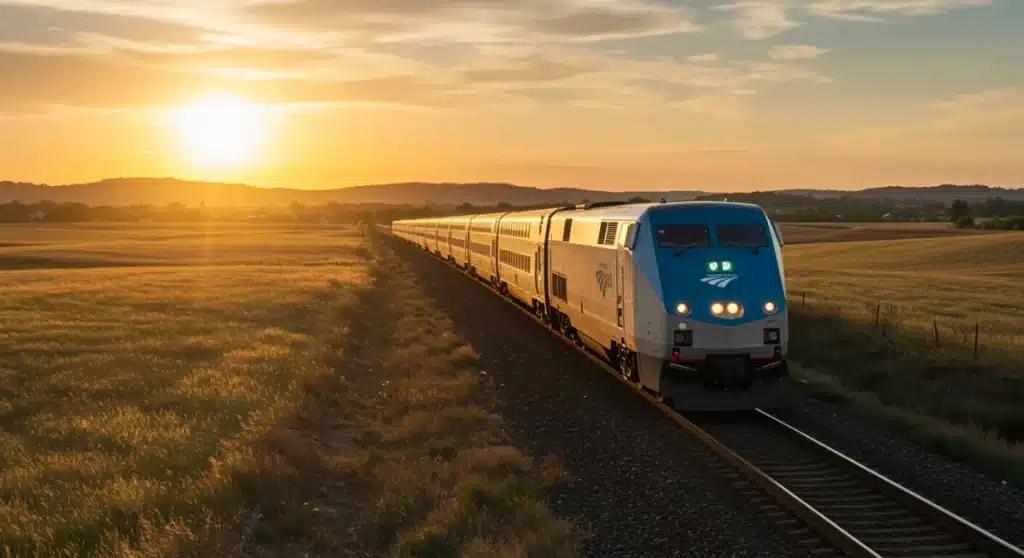
At the heart of the Amtrak 2026 upgrades is a revolutionary new fleet of trains. The most prominent among these is the Avelia Liberty, set to replace the venerable Acela Express trains on the highly trafficked Northeast Corridor (NEC). Manufactured by Alstom, these next-generation high-speed trains are designed to offer a superior travel experience and significantly boost capacity. The Avelia Liberty trains are not just faster; they are smarter, more efficient, and built with passenger comfort as a paramount concern. Each new train set will be capable of reaching speeds of up to 160 mph, though initial operations will be limited by existing infrastructure. However, the potential for future speed increases is built into their design, laying the groundwork for true high-speed rail in America.
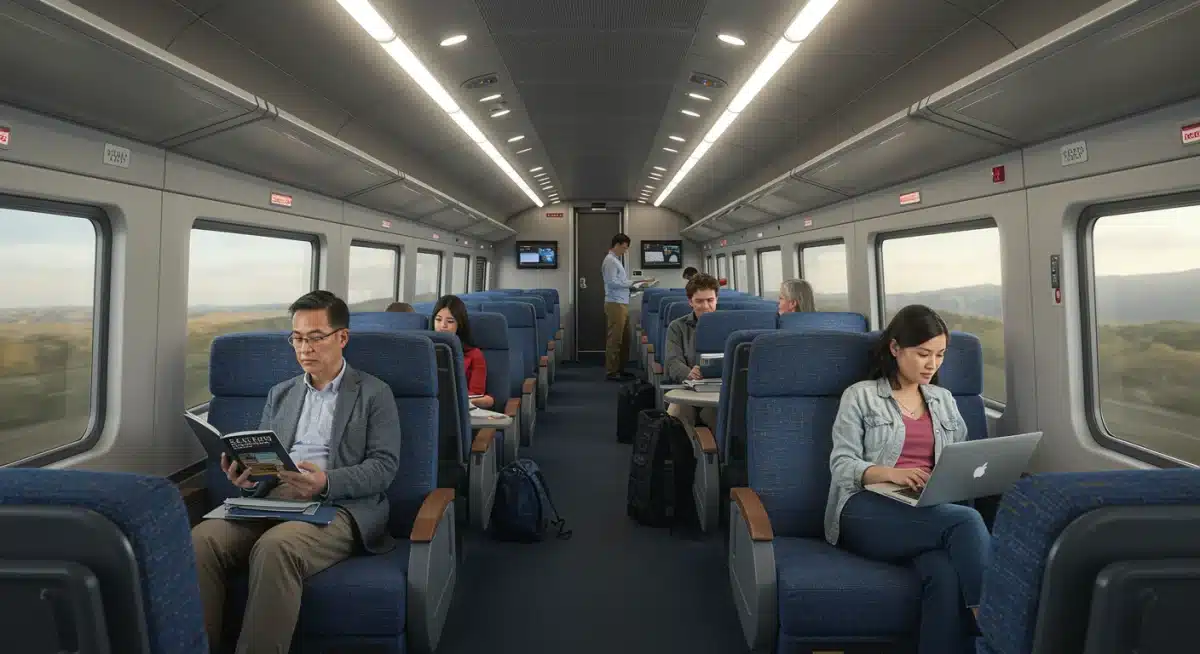
Beyond the impressive speed capabilities, the Avelia Liberty trains boast a wealth of features aimed at enhancing the passenger journey. Travelers can anticipate more spacious seating arrangements, offering increased legroom and personal space. The interiors are being designed with a modern aesthetic, incorporating larger windows for panoramic views, improved lighting, and intuitive signage. Crucially, these new trains will feature enhanced Wi-Fi connectivity, a non-negotiable amenity for today’s connected traveler, allowing passengers to work or stream entertainment seamlessly throughout their journey. Power outlets and USB ports will be readily available at every seat, ensuring devices remain charged and ready for use.
Capacity is another critical aspect addressed by the Avelia Liberty. With more seats per train set than their predecessors, these trains will help alleviate congestion on the NEC, particularly during peak travel times. This increased capacity is vital for meeting the growing demand for rail travel in one of the nation’s most densely populated corridors. Furthermore, the new trains are designed with accessibility in mind, featuring wider aisles, accessible restrooms, and level boarding to ensure that all passengers, regardless of mobility, can travel with ease and dignity. The introduction of these trains represents a significant step towards modernizing Amtrak’s fleet and setting a new standard for intercity rail travel.
But the modernization efforts extend beyond just the Avelia Liberty. Amtrak is also investing in new equipment for its long-distance routes, replacing aging rolling stock with modern, more comfortable cars. This includes sleepers, diners, and coach cars, all designed to improve the overall passenger experience on journeys that can span multiple days. These long-distance fleet improvements are crucial for maintaining and growing ridership on routes that offer a unique way to see the country, often reaching destinations not served by air travel. The focus here is on comfort, reliability, and modern amenities, ensuring that even the longest journeys are enjoyable and efficient.
The commitment to fleet renewal underpins Amtrak’s strategy for the future. By investing in state-of-the-art trains, the company is not only improving service quality but also enhancing operational efficiency and reducing maintenance costs in the long run. These new trains are built with advanced diagnostics and modular components, making them easier and quicker to service. This translates to fewer delays and more reliable schedules, which are key factors in attracting and retaining passengers. The cumulative effect of these fleet upgrades will be a more resilient, efficient, and passenger-centric rail system, truly embodying the spirit of the Amtrak 2026 upgrades.
Enhancing the Passenger Experience: Comfort, Connectivity, and Convenience
Beyond the gleaming new trains, a core component of the Amtrak 2026 upgrades is a deep commitment to enhancing the overall passenger experience. This holistic approach recognizes that a great journey isn’t just about the train itself, but also about the entire travel ecosystem – from booking a ticket to arriving at the destination. Amtrak is focusing on several key areas to achieve this, making rail travel more appealing and user-friendly for everyone.
Station Modernization and Accessibility
Amtrak’s station network is also receiving significant attention. Many stations across the country, particularly those in older cities, are undergoing extensive renovations to improve accessibility, comfort, and aesthetics. This includes upgrading platforms, installing modern waiting areas, and ensuring compliance with the Americans with Disabilities Act (ADA). Accessible restrooms, ramps, and elevators are being installed where needed, making train travel a viable option for individuals with mobility challenges. The goal is to create welcoming and efficient gateways that reflect the modern quality of the trains themselves. These station improvements are crucial for creating a seamless travel experience, ensuring that the journey begins and ends in comfort and convenience.
Furthermore, many stations are being equipped with improved digital signage, real-time arrival and departure information, and enhanced security features. The integration of local public transit connections is also a priority, making it easier for passengers to transition between different modes of transportation. These upgrades are not just about aesthetics; they are about functionality and making the entire travel process smoother and less stressful for passengers. The investment in station infrastructure is a clear indicator of Amtrak’s long-term commitment to a superior passenger experience.
Improved Onboard Amenities and Service
The new trains, as mentioned, come with a host of improved amenities. However, Amtrak is also reviewing and upgrading services across its existing fleet where possible. This includes a renewed focus on onboard catering, offering healthier and more diverse food and beverage options. The goal is to move beyond traditional train food and offer a dining experience that is both satisfying and reflective of regional culinary tastes. For long-distance routes, this means an emphasis on quality ingredients and a more refined dining service.
Customer service training for onboard staff is also being prioritized. A friendly, efficient, and knowledgeable crew can significantly impact the passenger experience. Amtrak is investing in programs to ensure its employees are equipped to handle various passenger needs, provide accurate information, and maintain a high standard of service throughout the journey. This human element is just as important as technological advancements in creating a truly exceptional travel experience. The combination of state-of-the-art technology and dedicated human service is what will truly set the new Amtrak apart.
Digital Integration and Seamless Booking
In the digital age, a seamless booking and travel management experience is paramount. Amtrak is investing heavily in its digital platforms, including its website and mobile app, to make planning and booking trips easier and more intuitive. Real-time updates, personalized travel information, and simplified ticketing processes are all part of this digital transformation. The aim is to reduce friction points for travelers, from the initial search for a ticket to the final arrival at their destination.
The integration of smart technology will also extend to the passenger’s journey, with potential for features like digital boarding passes, real-time seat availability information, and even personalized entertainment options accessible via personal devices. This focus on digital convenience is vital for attracting a younger, tech-savvy generation of travelers and ensuring that Amtrak remains competitive with other modes of transportation. These digital enhancements are not just about convenience; they are about empowering passengers with information and control over their travel experience.
Expanding Horizons: New Routes and Increased Frequencies
The vision for Amtrak 2026 upgrades isn’t just about making existing routes better; it’s also about making the network bigger and more accessible. Amtrak has ambitious plans for route expansion and increased service frequencies, aiming to connect more communities and offer more convenient travel options across the country. This expansion is critical for realizing the full potential of a revitalized national rail system.
Strategic Route Expansion
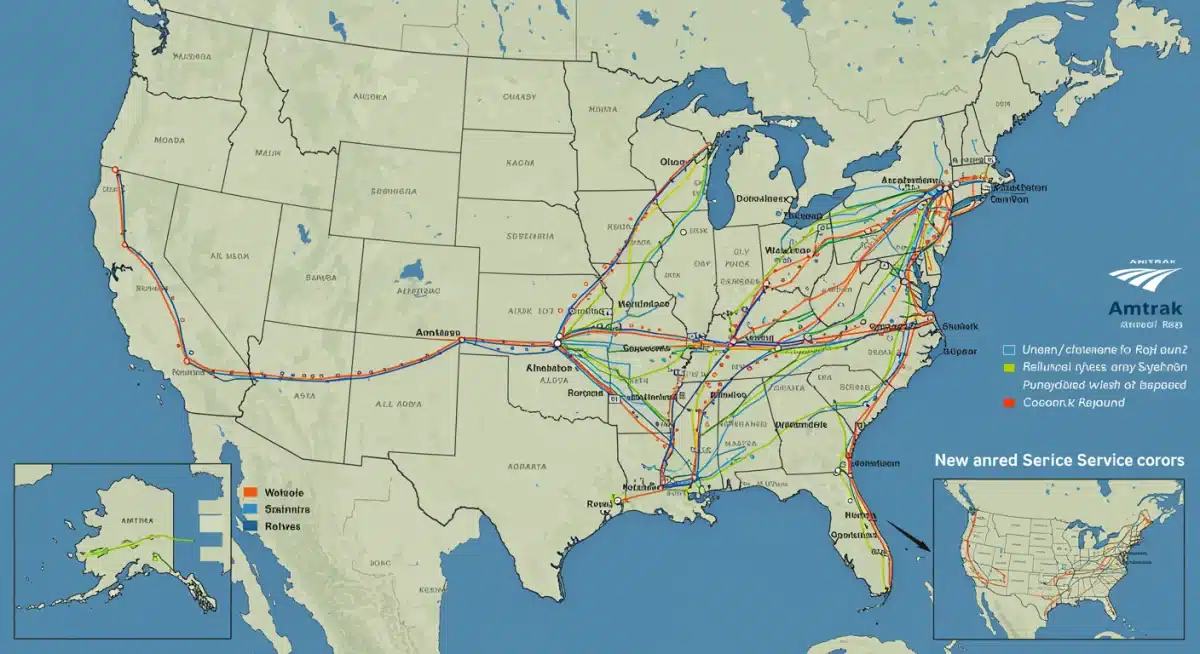
Several new corridors and extensions of existing routes are under consideration or actively being planned. This includes proposals for new services in regions currently underserved by passenger rail, such as parts of the Southeast, Midwest, and Mountain West. The goal is to create a more comprehensive national network that provides viable rail options for a larger segment of the American population. These expansions are often driven by state and local partnerships, highlighting a collaborative effort to improve regional connectivity.
One notable focus is on developing additional high-ridership corridors outside the NEC. For example, plans for enhanced service in states like Virginia, North Carolina, and California are progressing, aiming to build out regional networks that can support frequent, reliable service. These initiatives are designed to relieve pressure on congested highways and airports, offering a sustainable and efficient alternative for intercity travel. The strategic placement of these new routes is crucial for maximizing ridership and providing genuine transportation alternatives.
Increased Frequencies and Reliability
For many existing routes, the Amtrak 2026 upgrades include plans for increased frequencies. More frequent trains mean more flexibility for travelers and can make rail travel a more practical option for business commuters and casual travelers alike. By running more trains throughout the day, Amtrak aims to reduce wait times and offer schedules that better align with passengers’ needs. This is particularly important for routes connecting major metropolitan areas, where demand for frequent service is highest.
Improved reliability is another key objective. Delays, whether due to infrastructure issues or operational challenges, can significantly detract from the rail travel experience. Amtrak is investing in track upgrades, signal modernization, and other infrastructure improvements to reduce bottlenecks and ensure trains run on time. This focus on operational excellence is foundational to building trust with passengers and encouraging greater adoption of rail travel. A reliable schedule is often as important as speed for many travelers, and Amtrak recognizes this in its planning.
The Role of Federal Investment
Much of this ambitious expansion and upgrade plan is made possible by significant federal investment, particularly through initiatives like the Infrastructure Investment and Jobs Act (IIJA). This landmark legislation provides billions of dollars for passenger rail, enabling Amtrak to undertake projects that would have been impossible just a few years ago. This federal commitment signals a renewed national interest in strengthening and expanding America’s rail network, recognizing its vital role in a modern, sustainable transportation system.
The funding from IIJA allows Amtrak to not only purchase new trains and upgrade stations but also to invest in critical infrastructure projects, such as bridge replacements, tunnel repairs, and track improvements that will enhance safety and efficiency across the entire network. This long-term investment is crucial for laying the groundwork for a truly world-class rail system in the United States. The sustained nature of this funding ensures that the Amtrak 2026 upgrades are not just a one-off event but part of a continuous improvement cycle.
Economic and Environmental Impact of Amtrak’s Transformation
The Amtrak 2026 upgrades are poised to deliver far-reaching benefits that extend well beyond the realm of transportation. These investments have significant economic and environmental implications, positioning rail as a key player in America’s future prosperity and sustainability goals.
Economic Revitalization and Job Creation
The sheer scale of Amtrak’s modernization projects translates into substantial economic activity. The manufacturing of new train sets, the renovation of stations, and the upgrades to infrastructure create thousands of jobs across various sectors, from engineering and construction to manufacturing and skilled trades. This job creation is not limited to immediate project execution; it also includes long-term employment for maintenance, operations, and customer service staff.
Furthermore, improved rail service can stimulate economic growth in the communities it serves. Easier and more reliable access to urban centers can boost tourism, facilitate business travel, and attract new residents and businesses to towns along rail corridors. This can lead to increased property values, local business development, and a more vibrant economic landscape. The ripple effect of these investments can be seen in revitalized downtown areas and increased tax revenues for local governments. The economic benefits of the Amtrak 2026 upgrades are truly multifaceted.
Environmental Benefits and Sustainability
One of the most compelling arguments for investing in rail travel is its environmental footprint. Trains are significantly more energy-efficient per passenger mile than cars or airplanes, especially when powered by electricity. The new Avelia Liberty trains, for example, are designed to be more energy-efficient than their predecessors, contributing to a reduction in greenhouse gas emissions.
By offering a compelling alternative to driving and flying, Amtrak’s expanded and improved services can help shift modal share towards rail, thereby reducing overall carbon emissions from the transportation sector. This is a critical component of national efforts to combat climate change. Additionally, the reduction in road congestion and air travel can lead to improved air quality in urban areas. The emphasis on sustainable practices is also evident in station designs, which often incorporate green building materials and energy-efficient systems. The Amtrak 2026 upgrades are a clear step towards a greener future for American transportation.
Connecting Communities and Fostering Equity
A robust national rail network plays a crucial role in connecting communities, particularly those that may be underserved by other transportation options. By expanding routes and improving accessibility, Amtrak helps ensure that essential services, economic opportunities, and social connections are within reach for a broader segment of the population. This fosters greater equity in access to transportation, which is a fundamental right.
For many smaller towns, Amtrak service is a lifeline, providing a vital link to larger cities and regional hubs. The upgrades ensure these connections are not just maintained but enhanced, offering a reliable and affordable means of travel. This emphasis on community connectivity is a cornerstone of Amtrak’s public service mission and a key outcome of the ongoing modernization efforts. The social impact of the Amtrak 2026 upgrades cannot be overstated, as they aim to weave a stronger social fabric across the nation.
Challenges and the Road Ahead
While the vision for Amtrak 2026 upgrades is inspiring, the path to achieving these goals is not without its challenges. Implementing such a large-scale transformation requires overcoming significant hurdles, from complex infrastructure logistics to securing sustained funding and navigating regulatory landscapes.
Infrastructure Modernization and Coordination
A major challenge lies in upgrading and expanding the existing rail infrastructure. Much of the track, signaling systems, and bridges in the United States are decades old and require substantial investment to support modern high-speed trains and increased frequencies. This often involves working with freight railroads, who own a significant portion of the tracks Amtrak uses, to ensure seamless integration and minimize disruptions. Coordination between multiple stakeholders – Amtrak, freight companies, state governments, and federal agencies – is complex and requires careful planning and negotiation.
The Northeast Corridor, while receiving significant investment, still presents unique challenges due to its age and the density of its operations. Tunnel and bridge repairs alone are massive undertakings that require careful sequencing to avoid prolonged service interruptions. Ensuring that these infrastructure projects are completed on time and within budget is critical for the success of the overall modernization effort. The complexity of these infrastructure projects means that patience and persistence will be key to seeing the Amtrak 2026 upgrades fully realized.
Funding and Political Will
While the Infrastructure Investment and Jobs Act provides a significant boost, sustained funding for long-term projects remains a concern. Rail infrastructure improvements are capital-intensive and require consistent investment over many years. Political will and bipartisan support are essential to ensure that future administrations continue to prioritize and fund these vital projects. Any wavering in commitment could jeopardize the progress made and slow down the pace of modernization.
Amtrak also needs to demonstrate a strong return on investment to justify continued public funding. This means delivering on its promises of improved service, increased ridership, and positive economic impacts. The ability to effectively communicate its successes and its value proposition to the public and policymakers will be crucial for securing the resources needed to complete the Amtrak 2026 upgrades and beyond.
Public Adoption and Perception
Finally, a key challenge is shifting public perception and encouraging greater adoption of rail travel. For decades, Americans have been heavily reliant on cars and air travel. Convincing a significant portion of the population to choose trains requires more than just new equipment; it requires a cultural shift. Amtrak needs to build a reputation for reliability, convenience, and comfort that can compete effectively with other modes of transportation.
Effective marketing, transparent communication about service improvements, and a consistently positive passenger experience will be vital in winning over new riders. The success of the Amtrak 2026 upgrades will ultimately be measured by the number of people who choose to travel by train, and this will depend heavily on Amtrak’s ability to deliver on its promises and change the way Americans think about rail.
Conclusion: The Dawn of a New Era for US Rail Travel
The year 2026 marks a significant milestone in Amtrak’s ambitious journey to revitalize and expand passenger rail service across the United States. The planned Amtrak 2026 upgrades represent a comprehensive transformation, encompassing everything from state-of-the-art trains like the Avelia Liberty to modernized stations, enhanced onboard amenities, and strategic route expansions. This bold vision promises a future where rail travel is not just a nostalgic option but a competitive, efficient, and enjoyable mode of transportation for millions of Americans.
The implications of these upgrades are profound. Economically, they are poised to generate thousands of jobs, stimulate regional growth, and provide a much-needed boost to local economies. Environmentally, the shift towards more energy-efficient rail travel offers a sustainable alternative that can significantly reduce carbon emissions and contribute to a greener future. Socially, an expanded and more accessible rail network will connect communities, foster equity, and provide vital links for both business and leisure travel.
While challenges remain, particularly in infrastructure modernization and securing sustained funding, the current momentum and federal commitment suggest a promising outlook. The success of these initiatives hinges on diligent execution, effective collaboration with stakeholders, and a continuous focus on the passenger experience. As the new trains roll out and stations are revitalized, the American public will witness the dawn of a new era for rail travel – one that is defined by comfort, connectivity, and a renewed sense of possibility. Get ready to experience the future of US rail travel, powered by the incredible Amtrak 2026 upgrades.