Bleisure Travel: Blending Business & Leisure in 2025 US Itineraries

Bleisure travel is fundamentally reshaping 2025 US itineraries by integrating professional commitments with personal exploration, offering a dynamic and enriching approach to business trips for a growing demographic of travelers.
The landscape of travel is in constant flux, and one of the most compelling transformations we are witnessing is bleisure travel 2025. This emerging trend, where business travelers extend their trips for leisure, is not just a passing fad but a profound shift in how professionals approach their journeys. It’s about maximizing every travel opportunity, blending productivity with personal enrichment, and truly reshaping US itineraries for the coming year.
Understanding the Bleisure Phenomenon
Bleisure travel, a portmanteau of business and leisure, describes the practice of combining a work trip with personal vacation time. This trend has gained significant traction, especially in a post-pandemic world where flexibility and work-life balance are highly valued. It’s no longer just about attending a conference and immediately returning home; it’s about exploring the destination, experiencing local culture, and recharging before or after business obligations.
The appeal of bleisure is multifaceted. For employees, it offers a cost-effective way to travel, often leveraging company-paid flights and accommodation for the business portion of the trip. For employers, it can lead to more engaged, less stressed, and ultimately more productive employees. This symbiotic relationship is driving its rapid adoption across various industries in the United States.
The Evolution of Business Travel
Traditional business travel was often seen as a necessary but sometimes grueling aspect of professional life. Long hours, tight schedules, and little opportunity for personal enjoyment characterized many trips. However, the modern workforce, particularly younger generations, demands more from their professional experiences.
- Increased Flexibility: Companies are increasingly offering flexibility in work arrangements, including remote work and hybrid models, making it easier for employees to extend their stays.
- Focus on Well-being: There’s a greater corporate emphasis on employee well-being, recognizing that a refreshed and balanced individual is a more effective one.
- Technological Advancements: Tools for remote collaboration and communication mean that professionals can stay connected and productive even while away from the traditional office.
This evolution has paved the way for bleisure to become a mainstream expectation rather than a niche indulgence. As we look towards 2025, the infrastructure and mindset supporting this blend are becoming even more ingrained in corporate culture.
Key Drivers of Bleisure Growth
Several factors are fueling the expansion of bleisure travel. The desire for authentic experiences, the rise of the gig economy, and the increasing ability to work from anywhere are all contributing to its prevalence. Moreover, the psychological benefits of combining work with pleasure cannot be overstated; it reduces burnout and enhances job satisfaction.
The convenience of extending a trip without the added burden of separate travel planning is a significant draw. Travelers can explore new cities, visit family, or simply enjoy a change of scenery, all while still fulfilling their professional duties. This seamless integration is what makes bleisure travel so attractive and sustainable for the long term.
Impact on US Itineraries in 2025
The rise of bleisure travel 2025 is fundamentally altering how both individuals and travel providers approach trip planning within the United States. No longer are itineraries solely dictated by conference schedules or client meetings; they now often include extra days for exploring local attractions, dining experiences, or even short road trips. This shift demands a more integrated and flexible approach to travel services.
For destinations, this means a broader appeal. Cities traditionally known for business conventions are now actively marketing their leisure offerings to bleisure travelers. Hotels are adapting their amenities, from enhanced co-working spaces to curated local experiences. The economic impact is also significant, as bleisure travelers tend to spend more per trip than pure business travelers, boosting local economies through extended stays and increased engagement with tourism sectors.
Shifting Travel Patterns and Destinations
Bleisure travelers often seek out destinations that offer a diverse array of activities. Major metropolitan areas like New York, Chicago, and Los Angeles remain popular due to their robust business infrastructure and world-class entertainment. However, secondary cities and even more remote locations are seeing a surge in interest as professionals look for unique leisure opportunities.
- Urban Exploration: Many bleisure travelers extend their stay in cities to visit museums, attend shows, or explore culinary scenes.
- Nature Escapes: Proximity to national parks or scenic outdoor areas is becoming a key factor, allowing for weekend hikes or relaxation.
- Cultural Immersion: Engaging with local communities, historic sites, and unique cultural events is a high priority for those extending their trips.
This diversification of interest is spreading tourism dollars more widely across the US, benefiting a broader range of communities and local businesses. It encourages destinations to highlight their unique selling points beyond just their commercial appeal.
Accommodation and Service Adaptations
Hotels and other accommodation providers are at the forefront of adapting to the bleisure trend. They are designing spaces that cater to both work and relaxation, understanding that the traveler might transition from a video conference to a yoga session within hours. This includes improved Wi-Fi, comfortable workspaces in rooms, and communal areas that foster both productivity and social interaction.
Beyond physical spaces, services are also evolving. Concierge services might now include recommendations for local hiking trails or craft breweries alongside fine dining. Flexible check-in/check-out times, discounted rates for extended stays, and packages that bundle work-friendly amenities with leisure activities are becoming standard offerings. These adaptations are crucial for attracting and retaining the modern bleisure traveler.
Comparing Bleisure to Traditional Travel
The distinction between bleisure and traditional business or leisure travel is becoming increasingly blurred, yet it’s important to understand the fundamental differences. Traditional business travel is often characterized by a singular focus on professional objectives, with little deviation. Leisure travel, conversely, is purely for relaxation and personal enjoyment. Bleisure travel 2025 represents a deliberate integration, aiming to achieve the best of both worlds.
One key differentiator is the mindset. Bleisure travelers actively seek ways to incorporate personal interests into their professional trips, whereas traditional business travelers might view any non-work activity as an afterthought or an inconvenience. This proactive approach to blending activities impacts everything from booking decisions to on-the-ground experiences.
Business Travel: Efficiency Over Experience
Historically, business travel prioritized efficiency. The goal was to get to the destination, complete the work, and return home with minimal fuss. Travel policies often reflected this, focusing on direct flights, standard accommodations, and strict per diems. The emphasis was on cost-effectiveness and time-saving, often at the expense of the traveler’s experience or well-being.
While efficiency remains important, the bleisure model suggests that a slightly longer, more enriching trip can actually lead to greater overall value. A refreshed employee is often a more effective one, and the cost of an extra day or two of accommodation can be offset by increased morale and productivity.
Leisure Travel: Pure Exploration and Relaxation
Leisure travel, by its very definition, is about escaping the daily grind, exploring new places, and enjoying personal time. It typically involves extensive planning around personal preferences, budget, and desired experiences. The motivations are purely personal, driven by a desire for adventure, relaxation, or cultural immersion.
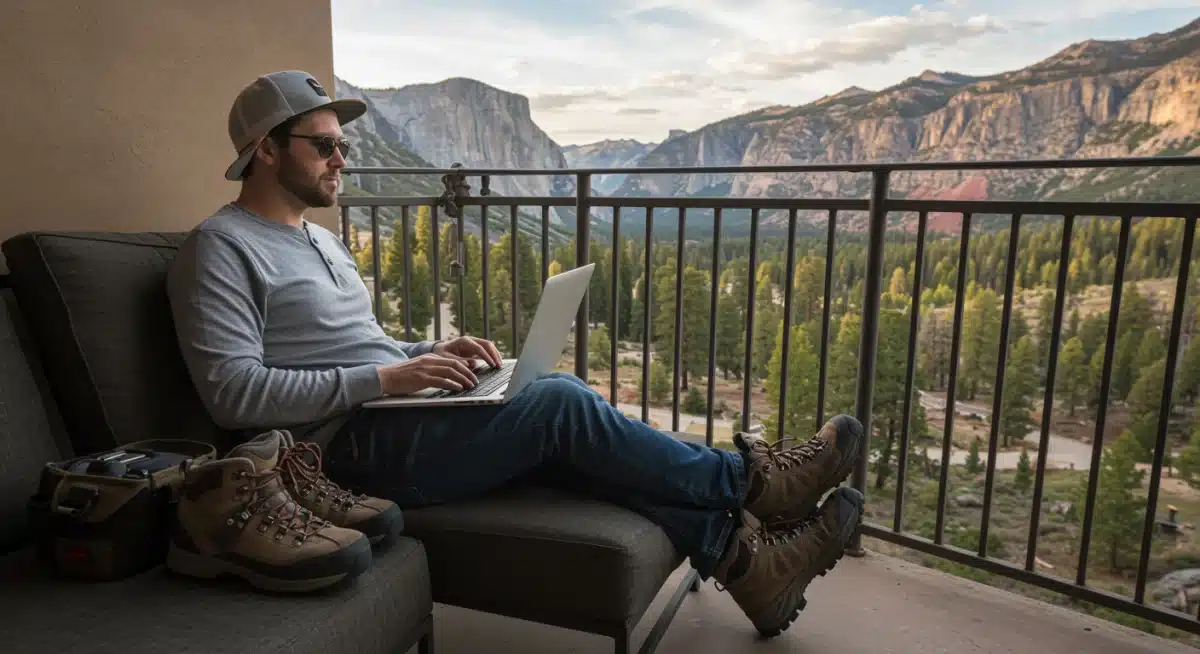
Bleisure borrows elements from leisure travel by incorporating these personal desires, but within the framework of a business trip. It’s about finding those moments of personal enjoyment without sacrificing professional obligations, creating a hybrid experience that caters to modern demands.
The Hybrid Approach: Maximizing Value
The hybrid nature of bleisure travel offers unique advantages. It allows individuals to see parts of the country they might not otherwise visit, often at a reduced personal cost. It provides an opportunity to decompress from work pressures in an engaging way, preventing burnout and fostering a healthier work-life integration.
For companies, supporting bleisure can enhance employee retention and attraction, as it signals a commitment to employee well-being and a modern understanding of work dynamics. It’s a win-win scenario, where both the employee and the employer benefit from a more holistic approach to travel.
Benefits for Travelers and Businesses
The widespread adoption of bleisure travel 2025 in the US is driven by tangible benefits for both the individual traveler and their employers. For employees, it’s an opportunity to transform what might otherwise be a monotonous work trip into a memorable personal experience. For businesses, it translates into a more motivated and productive workforce, fostering a positive company culture.
These benefits extend beyond mere perks; they contribute to a more sustainable and fulfilling professional life, which in turn reflects positively on organizational performance. Understanding these advantages is key to appreciating why bleisure is more than a trend—it’s a strategic shift.
Enhanced Employee Well-being and Productivity
One of the most significant advantages for travelers is the positive impact on mental and emotional well-being. Extending a business trip for leisure allows for a much-needed break from the intensity of work, reducing stress and preventing burnout. This leads to employees returning to their tasks feeling refreshed, energized, and more focused.
- Stress Reduction: Opportunities for relaxation and personal exploration help alleviate the pressures of business travel.
- Increased Job Satisfaction: Employees who feel valued and supported in their desire for work-life balance are generally happier in their roles.
- Improved Productivity: A well-rested and mentally stimulated individual is more likely to be creative, efficient, and engaged in their work.
These factors contribute directly to higher productivity levels and a more positive attitude towards future business trips, transforming them from an obligation into an anticipated opportunity.
Cost Efficiency and Talent Retention
From a business perspective, bleisure offers surprising cost efficiencies. While it might seem counterintuitive, allowing employees to extend trips can reduce overall travel expenses. Flights are often the most expensive component of a trip, and these are typically covered by the company regardless of the bleisure extension. The incremental cost for additional accommodation or activities is borne by the employee, making personal travel more affordable for them.
Furthermore, offering bleisure opportunities can be a powerful tool for talent acquisition and retention. In a competitive job market, companies that demonstrate a commitment to employee well-being and flexibility become more attractive to top talent. It signals a modern, empathetic approach to management that resonates with today’s workforce.
Challenges and Considerations for 2025
While bleisure travel 2025 offers numerous advantages, its implementation is not without challenges. Companies and travelers alike must navigate complexities related to policy, expense management, and the clear delineation between business and leisure time. Addressing these considerations proactively is essential for the continued success and growth of this travel trend.
The primary concern for businesses often revolves around liability and insurance during the leisure portion of a trip. For travelers, managing expectations and ensuring a genuine break from work, even while away, can be tricky. Careful planning and clear communication are paramount to mitigate these potential hurdles.
Navigating Corporate Policies and Expenses
One of the biggest challenges for companies is establishing clear and fair bleisure policies. This includes defining what expenses are covered by the company versus the employee, especially when a trip is extended. Clear guidelines are necessary to prevent misunderstandings and ensure compliance.
- Expense Allocation: Differentiating between business and personal expenses for accommodation, meals, and transport can be complex.
- Insurance Coverage: Companies need to review their travel insurance policies to understand coverage during the leisure segment of a trip.
- Duty of Care: Employers must consider their responsibilities for employee safety and well-being during extended personal stays.
Many organizations are developing specific bleisure policies that outline these aspects, often using dedicated travel management platforms to streamline booking and expense tracking for both segments of the journey.
Maintaining Work-Life Boundaries
For the bleisure traveler, the challenge lies in truly disconnecting during the leisure portion. The convenience of having a laptop and constant connectivity can make it difficult to switch off from work. It’s crucial for individuals to set clear boundaries and for companies to support these efforts by respecting personal time.
Encouraging employees to fully embrace the leisure aspect is vital for realizing the well-being benefits. This might involve advising them to schedule their leisure days intentionally, away from their work devices, to ensure a genuine mental break. Ultimately, the success of bleisure hinges on achieving an effective balance, not just a blend.
The Future Outlook for Bleisure Travel in the US
As we advance into 2025 and beyond, the trajectory for bleisure travel 2025 in the US appears robust and continuously evolving. This trend is not merely a temporary response to recent global shifts but a fundamental recalibration of how professionals integrate work and life. The increasing demand for flexibility, personal enrichment, and sustainable travel practices will only solidify bleisure’s position as a cornerstone of modern travel.
We can anticipate further innovations in travel technology, corporate policies, and destination marketing specifically tailored to the bleisure traveler. The emphasis will remain on creating seamless experiences that maximize both productivity and personal satisfaction, making business trips something to look forward to rather than simply endure.
Technological Innovations and Personalized Experiences
Technology will play an increasingly vital role in facilitating bleisure travel. AI-powered travel planners, personalized itinerary builders that suggest local activities based on traveler preferences, and integrated booking platforms will make it easier than ever to combine business and leisure elements seamlessly. Virtual reality previews of destinations could also influence choices, allowing travelers to ‘experience’ a location before committing.
- AI-Driven Itineraries: Tailoring suggestions for leisure activities based on business schedules and personal interests.
- Seamless Booking Platforms: Integrating flight, hotel, car rental, and activity bookings into one user-friendly interface.
- Remote Work Hubs: The proliferation of co-working spaces and business-friendly amenities in leisure destinations.
These technological advancements will empower travelers to customize their bleisure trips to an unprecedented degree, optimizing both their work efficiency and their personal enjoyment.
Evolving Corporate Culture and Sustainability
Corporate cultures are expected to further embrace bleisure, recognizing its long-term benefits for employee satisfaction and retention. Companies will likely refine their bleisure policies, making them more accommodating and transparent. There will be a greater emphasis on promoting responsible bleisure, encouraging travelers to support local economies and minimize their environmental footprint during their leisure extensions.
Sustainability will become an even more critical consideration, with bleisure travelers often seeking eco-friendly accommodations and activities. This alignment with conscious consumerism means that destinations and service providers that prioritize sustainability will gain a competitive edge in attracting this growing segment of travelers. The future of bleisure is not just about blending, but also about building better, more responsible travel experiences.
| Key Aspect | Description |
|---|---|
| Definition | Combining business travel with leisure activities, extending a work trip for personal enjoyment. |
| Key Drivers | Work-life balance, cost efficiency, remote work flexibility, and desire for unique experiences. |
| Impact on US Travel | Reshaping itineraries, boosting local economies, and influencing accommodation and service adaptations. |
| Future Outlook | Continued growth, technological integration, evolving corporate policies, and focus on sustainability. |
Frequently Asked Questions About Bleisure Travel
Bleisure travel is a portmanteau combining business and leisure, referring to the practice of extending a business trip to include personal vacation time. It allows professionals to maximize their travel opportunities by integrating work commitments with exploration and relaxation in a given destination.
Its popularity stems from increased demand for work-life balance, flexible work arrangements, and the desire for enriched travel experiences. It offers cost-effective personal travel by leveraging company-paid business travel components, appealing to a modern workforce seeking more from their trips.
Companies typically establish clear policies delineating company-covered business expenses from employee-covered leisure expenses. This often involves separate billing for the extended leisure portion, or specific per diem rules that adjust once the business segment concludes, ensuring transparency for both parties.
Employees benefit from reduced travel costs for personal trips, enhanced well-being through relaxation and exploration, and improved job satisfaction. It helps prevent burnout, allowing them to return to work refreshed and often more productive, fostering a healthier work-life integration.
Bleisure significantly boosts local economies by encouraging longer stays and increased spending on leisure activities. It prompts destinations and hospitality providers to adapt their offerings, marketing diverse attractions and amenities that cater to both the professional and personal needs of travelers, spreading tourism benefits more broadly.
Conclusion
The rise of bleisure travel 2025 is undeniably transforming the landscape of US itineraries, reflecting a deeper societal shift towards integrating work and personal life. This trend offers a compelling solution for professionals seeking more fulfilling travel experiences while simultaneously providing tangible benefits for businesses through enhanced employee well-being and talent retention. As technology continues to evolve and corporate cultures embrace greater flexibility, bleisure is poised to become an even more integral and sophisticated aspect of modern travel, creating a future where every business trip holds the potential for personal discovery and rejuvenation.