Boost Hotel Occupancy: Predictive Analytics for 10% Growth by 2026

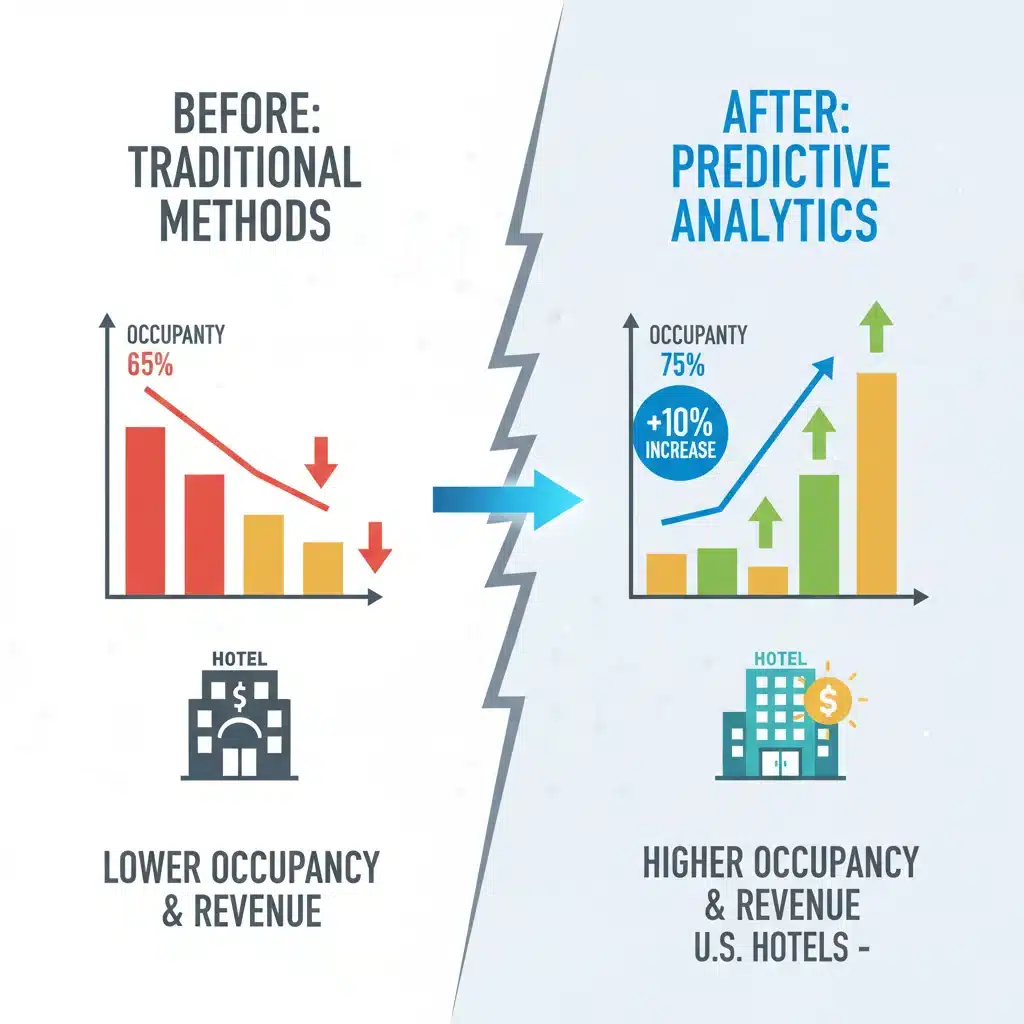
The U.S. hospitality sector stands at a pivotal juncture, grappling with evolving consumer behaviors, economic fluctuations, and an increasingly competitive landscape. In this dynamic environment, the ability to anticipate future demand and optimize operational strategies is no longer a luxury but a necessity. This is where the power of hotel occupancy analytics comes into play, offering a transformative approach to revenue management and strategic planning. Our ambitious goal: to explore how U.S. hotels can leverage predictive analytics to achieve a significant 10% increase in occupancy rates by 2026, thereby maximizing their return on investment (ROI) and securing a robust competitive edge.
The Imperative for Predictive Analytics in U.S. Hotels
Traditional methods of forecasting hotel occupancy, often relying on historical data and gut feelings, are proving insufficient in today’s fast-paced market. The sheer volume of real-time data, from online travel agency (OTA) bookings to social media sentiment and local event schedules, creates a complex web that human analysis alone cannot fully untangle. This complexity underscores the urgent need for sophisticated tools capable of processing, interpreting, and predicting future trends with a high degree of accuracy. Hotel occupancy analytics, powered by artificial intelligence and machine learning, fills this void, enabling hoteliers to move beyond reactive decision-making to proactive, data-driven strategies.
Understanding the Current Landscape of U.S. Hotel Occupancy
Before delving into the solutions, it’s crucial to understand the challenges currently faced by the U.S. hotel industry. While there have been periods of recovery, many hotels continue to struggle with inconsistent demand, market volatility, and the lingering effects of global events. Occupancy rates, while improving, often fall short of pre-pandemic levels in various segments and regions. This disparity highlights a critical opportunity for intervention – an opportunity that hotel occupancy analytics is uniquely positioned to seize. By identifying patterns and predicting surges or dips in demand, hotels can optimize pricing, staffing, and marketing efforts, ensuring that every room is utilized effectively.
The Promise of a 10% Occupancy Increase by 2026
A 10% increase in occupancy might seem like an ambitious target, but with the right application of predictive analytics, it is entirely attainable. This isn’t just about filling empty rooms; it’s about strategic growth that impacts every facet of a hotel’s operation. Higher occupancy translates directly to increased revenue, improved operational efficiency, and enhanced guest satisfaction due to better resource allocation. Moreover, achieving this target positions hotels as leaders in adopting innovative technologies, attracting both guests and talent.
What is Predictive Analytics and How Does It Apply to Hotels?
Predictive analytics involves using statistical algorithms and machine learning techniques to identify the likelihood of future outcomes based on historical data. In the context of the hotel industry, this means analyzing vast datasets to forecast demand, pricing elasticity, guest behavior, and even the impact of external factors like weather patterns or major events. The goal is to provide actionable insights that enable hoteliers to make informed decisions about pricing, marketing, staffing, and inventory management. This proactive approach to hotel occupancy analytics is what differentiates leading properties from their competitors.
Key Data Points for Predictive Occupancy Forecasting
To effectively predict hotel occupancy, a comprehensive range of data points must be considered. These include:
- Historical Booking Data: Past occupancy rates, booking windows, cancellation rates, and no-shows.
- Pricing Data: Historical room rates, competitor pricing, and pricing strategies.
- Market Trends: Local and national economic indicators, tourism trends, and competitor performance.
- Event Calendars: Major conventions, concerts, sports events, and local festivals.
- Weather Patterns: Seasonal weather forecasts and their impact on travel.
- Online Reviews and Sentiment: Guest feedback from OTAs, social media, and review sites.
- Website Traffic and Search Queries: Insights into potential guest interest and intent.
- Flight and Travel Data: Arrival and departure statistics, especially for hotels near airports.
By integrating and analyzing these diverse data sources, predictive analytics models can generate highly accurate forecasts, allowing hotels to anticipate demand with unprecedented precision. This holistic view is fundamental to optimizing hotel occupancy analytics.
Strategies for Implementing Predictive Analytics to Boost Occupancy
Implementing predictive analytics effectively requires a strategic, phased approach. It’s not just about acquiring software; it’s about integrating data, training staff, and fostering a culture of data-driven decision-making. Here are key strategies:
1. Data Consolidation and Integration
The first step is to break down data silos. Many hotels have data dispersed across various systems: Property Management Systems (PMS), Revenue Management Systems (RMS), Customer Relationship Management (CRM), and marketing platforms. A robust predictive analytics strategy begins with consolidating this data into a centralized, accessible platform. This integration ensures that the analytics engine has a complete and accurate picture of all relevant information, forming the bedrock of effective hotel occupancy analytics.
2. Advanced Demand Forecasting
Leverage predictive models to forecast demand not just for specific dates but for different room types, booking channels, and customer segments. These models can identify subtle patterns that traditional methods miss, such as the impact of micro-events or niche market trends. Accurate demand forecasting allows for dynamic pricing adjustments, ensuring that rooms are priced optimally to attract bookings without leaving revenue on the table.
3. Dynamic Pricing and Revenue Management
Predictive analytics empowers true dynamic pricing. Instead of static seasonal rates, hotels can adjust prices in real-time based on predicted demand, competitor pricing, and even individual guest profiles. This maximizes revenue per available room (RevPAR) and significantly contributes to higher occupancy. By understanding price elasticity, hotels can strategically lower prices during anticipated low-demand periods to stimulate bookings, and raise them during peak times to capitalize on high demand. This is a core component of successful hotel occupancy analytics.
4. Personalized Marketing and Sales Efforts
With insights into guest preferences and booking behavior, hotels can tailor marketing campaigns more effectively. Predictive analytics can identify which guests are most likely to book certain packages or amenities, allowing for highly targeted promotions. This personalization not only increases conversion rates but also enhances the guest experience, fostering loyalty and repeat business. Understanding predicted booking patterns helps allocate marketing spend more efficiently.
5. Optimized Staffing and Operations
Beyond revenue, predictive analytics can optimize operational efficiency. By forecasting occupancy, hotels can better plan staffing levels for front desk, housekeeping, and food and beverage services. This reduces labor costs during low-demand periods and ensures adequate staffing during peak times, leading to improved service quality and guest satisfaction. Efficient operations directly support the goal of increased hotel occupancy analytics.
6. Proactive Reputation Management
Predictive analytics can also monitor online sentiment and identify potential issues before they escalate. By analyzing reviews and social media mentions, hotels can proactively address guest concerns, manage their online reputation, and prevent negative feedback from impacting future bookings. A strong reputation is a cornerstone of sustained high occupancy.

Measuring ROI: The Financial Impact of Increased Occupancy
The primary driver for implementing any new technology is the return on investment. For hotel occupancy analytics, the ROI is substantial and multifaceted. A 10% increase in occupancy rates directly translates into:
Increased Revenue Streams
More occupied rooms mean more revenue from room sales. Furthermore, higher occupancy often leads to increased ancillary spending on food and beverage, spa services, and other on-site amenities. This compounding effect significantly boosts the hotel’s top line.
Improved Operational Efficiency
Better forecasting allows for more efficient resource allocation. Hotels can optimize staffing, reduce waste in perishable inventory (e.g., food), and better manage utilities. These operational savings contribute directly to the bottom line, enhancing profitability.
Enhanced Guest Loyalty and Repeat Business
When hotels can anticipate guest needs and offer personalized experiences, guest satisfaction improves. Satisfied guests are more likely to return and recommend the hotel to others, creating a virtuous cycle of sustained occupancy and revenue growth. This long-term value is a critical, though sometimes harder to quantify, aspect of ROI for hotel occupancy analytics.
Competitive Advantage
Hotels that effectively leverage predictive analytics gain a significant edge over competitors still relying on traditional methods. They can react faster to market changes, optimize pricing more effectively, and capture a larger share of the market, solidifying their position as industry leaders.
Case Study: A Hypothetical Scenario
Consider a U.S. hotel with 200 rooms, an average daily rate (ADR) of $150, and a current annual occupancy of 65%. This translates to:
- Rooms sold annually: 200 rooms * 365 days * 0.65 = 47,450 rooms
- Annual room revenue: 47,450 rooms * $150 = $7,117,500
Now, let’s project a 10% increase in occupancy, bringing it to 71.5%:
- Rooms sold annually: 200 rooms * 365 days * 0.715 = 52,195 rooms
- Annual room revenue: 52,195 rooms * $150 = $7,829,250
This conservative estimate shows an additional $711,750 in annual room revenue from just a 10% occupancy increase. This doesn’t even account for increased ancillary spending or operational efficiencies. The investment in hotel occupancy analytics technology and expertise would quickly pay for itself, demonstrating a compelling ROI.
Challenges and Considerations in Implementation
While the benefits are clear, implementing predictive analytics is not without its challenges. Hotels must be prepared to address these to ensure successful adoption and maximize the impact of hotel occupancy analytics.
Data Quality and Accessibility
The accuracy of predictive models is directly dependent on the quality and completeness of the data. Inconsistent data formats, missing information, or fragmented data sources can severely hamper the effectiveness of any analytics solution. Hotels must invest in robust data governance strategies and integration tools.
Technological Investment
Implementing predictive analytics requires an investment in software, hardware, and potentially specialized personnel. Hotels, especially smaller independent properties, may find the initial cost prohibitive. However, cloud-based solutions and AI-as-a-Service models are making these technologies more accessible and affordable.
Staff Training and Adoption
Even the most sophisticated system is useless if staff are not trained to use it effectively. Hoteliers need to invest in comprehensive training programs to ensure that revenue managers, marketing teams, and operational staff understand how to interpret the insights and apply them to their daily tasks. Fostering a data-driven culture is paramount.
Integration with Existing Systems
Seamless integration with existing PMS, RMS, and CRM systems is crucial. Poor integration can lead to data discrepancies and operational inefficiencies, undermining the value of the predictive analytics solution. Compatibility and API capabilities should be key considerations during vendor selection.
Ethical Considerations and Data Privacy
Handling vast amounts of guest data raises important ethical and privacy concerns. Hotels must ensure compliance with data protection regulations (e.g., GDPR, CCPA) and maintain transparency with guests about how their data is used. Building trust is essential for long-term success.
The Future of Hotel Occupancy: Beyond 2026
The journey towards optimized hotel occupancy analytics doesn’t end in 2026. As technology evolves, so too will the capabilities of predictive analytics. We can anticipate even more sophisticated models that incorporate real-time sentiment analysis, hyper-personalization, and even predictive maintenance for hotel facilities, further enhancing guest experience and operational efficiency.
Artificial Intelligence and Machine Learning Advancements
Ongoing advancements in AI and machine learning will lead to more accurate and nuanced predictions. Deep learning models, for instance, can uncover complex, non-linear relationships in data that traditional statistical methods might miss. This continuous improvement will refine demand forecasting and pricing strategies to an unprecedented degree.
Hyper-Personalization and Guest Experience
Future predictive analytics will enable hotels to offer hyper-personalized experiences, from pre-arrival communications to in-stay services and post-stay follow-ups. By predicting individual guest preferences and needs, hotels can create truly bespoke stays, driving loyalty and positive word-of-mouth, which are invaluable for sustained occupancy.
Sustainability and Social Impact
Predictive analytics can also play a role in sustainability efforts. By optimizing energy consumption based on predicted occupancy and demand for services, hotels can reduce their environmental footprint. This not only aligns with corporate social responsibility goals but also appeals to an increasingly eco-conscious traveler segment, further boosting brand appeal and occupancy.
Integration with Smart Hotel Technologies
The seamless integration of predictive analytics with smart room technologies, IoT devices, and voice assistants will create a fully interconnected hotel ecosystem. This will allow for real-time adjustments to room settings, personalized recommendations, and proactive service delivery, elevating the guest experience and operational efficiency to new heights.
Conclusion: Embracing the Data-Driven Future
Achieving a 10% increase in U.S. hotel occupancy rates by 2026 through the strategic implementation of predictive analytics is an ambitious yet entirely attainable goal. The path forward requires a commitment to data quality, technological investment, and a cultural shift towards data-driven decision-making. By embracing hotel occupancy analytics, hoteliers can unlock unprecedented insights, optimize their revenue management strategies, enhance guest experiences, and secure a robust competitive advantage in an ever-evolving market.
The future of the U.S. hospitality industry is undeniably data-driven. Those who invest in predictive analytics today will not only meet the challenges of tomorrow but will also shape the future of hotel management, ensuring sustained growth and profitability for years to come. It’s time for hotels to move beyond guesswork and embrace the power of prediction to thrive in the new era of hospitality.