Climate Policy’s Impact on US Travel Infrastructure by 2035
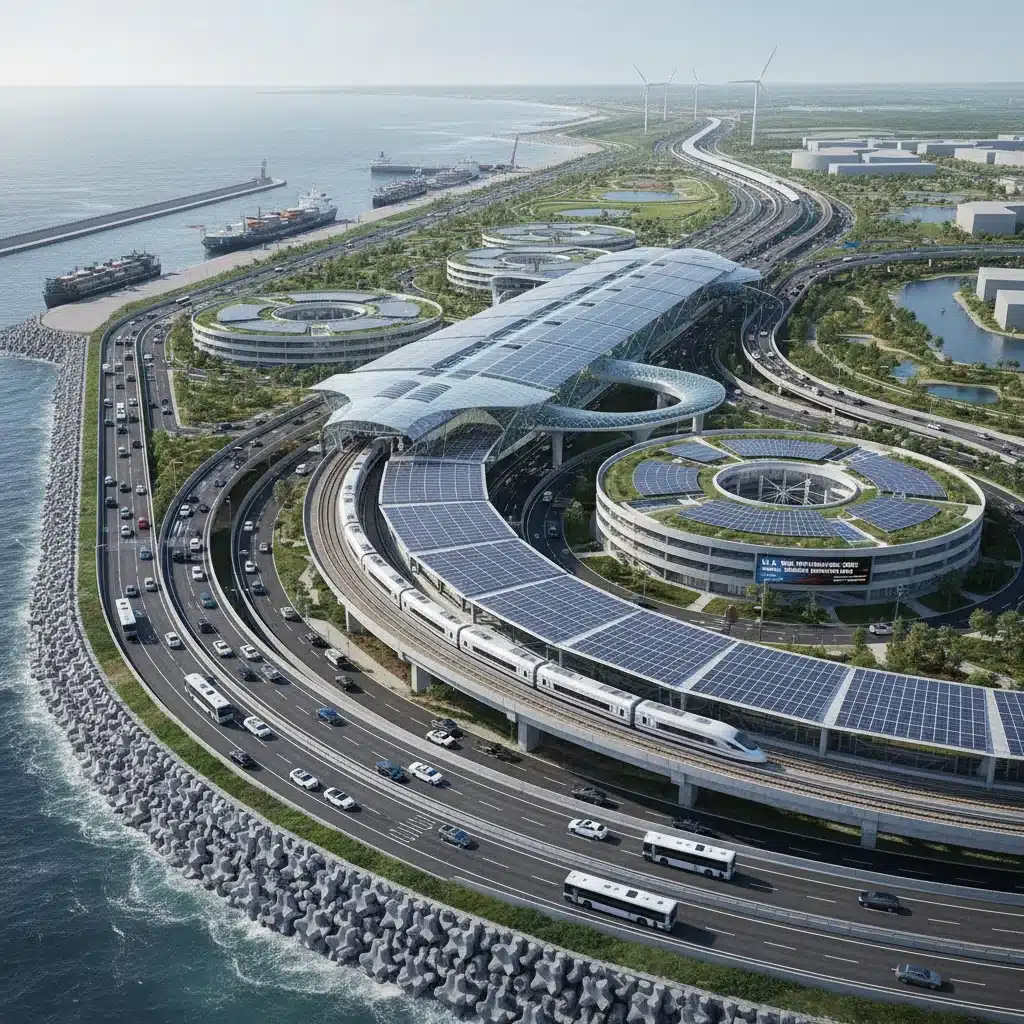
The imperative to address climate change has become a defining challenge of the 21st century, with far-reaching implications for every sector of the global economy. In the United States, the impact of climate change policies on travel infrastructure development is poised to be particularly transformative by 2035. As extreme weather events become more frequent and intense, sea levels rise, and temperatures climb, the very foundations of how Americans travel, and the infrastructure that supports it, are being re-evaluated and reshaped. This comprehensive analysis delves into the intricate relationship between climate policy and the evolution of U.S. travel infrastructure, exploring the challenges, opportunities, and the strategic shifts necessary to build a resilient and sustainable future.
The concept of Climate Policy Travel Infrastructure is no longer a theoretical debate but a practical necessity. It encompasses everything from the design and construction of roads, bridges, airports, and railways to the adoption of cleaner energy sources for transportation and the implementation of smart technologies to manage travel flows more efficiently. The overarching goal is to create a transportation network that can withstand the rigors of a changing climate while simultaneously reducing its own environmental footprint. By 2035, the U.S. aims to have made significant strides in this direction, driven by a combination of federal, state, and local policies, coupled with technological innovation and private sector investment.
The Evolving Landscape of Climate Policy in the U.S.
Understanding the future of U.S. travel infrastructure requires a firm grasp of the evolving climate policy landscape. Over the past decade, there has been a growing consensus, both domestically and internationally, regarding the urgency of climate action. The U.S. has rejoined the Paris Agreement, set ambitious emissions reduction targets, and introduced a suite of policies aimed at decarbonizing various sectors, including transportation. These policies manifest in several forms:
- Federal Legislation and Executive Orders: Initiatives like the Bipartisan Infrastructure Law (BIL) provide unprecedented funding for infrastructure projects, with a significant portion earmarked for climate resilience and sustainability. Executive orders are pushing federal agencies to prioritize climate considerations in their planning and procurement processes.
- State-Level Initiatives: Many states are at the forefront of climate action, implementing their own renewable energy mandates, electric vehicle (EV) incentives, and carbon pricing mechanisms. These state-level efforts often serve as incubators for innovative solutions that can later be scaled nationally.
- Emissions Standards and Regulations: Stricter emissions standards for vehicles, aircraft, and maritime vessels are driving manufacturers to invest in cleaner technologies. Regulations promoting sustainable aviation fuels (SAFs) and low-carbon concrete for infrastructure projects are also gaining traction.
- Investment in Research and Development: Government grants and partnerships are fueling research into next-generation transportation technologies, such as advanced battery storage, hydrogen fuel cells, and autonomous electric vehicles, all of which will play a critical role in reducing the carbon intensity of travel.
These policies collectively create a powerful impetus for change, compelling infrastructure planners and developers to integrate climate considerations into every stage of a project’s lifecycle. The focus is shifting from merely building new infrastructure to building smarter, greener, and more resilient infrastructure. This foundational shift is central to the future of Climate Policy Travel Infrastructure.
Direct Impacts on Travel Infrastructure Sectors
The influence of climate change policies is not uniform across all modes of travel but rather creates distinct challenges and opportunities for each sector.
Roads and Highways: Adapting to Extreme Weather
Road networks, the backbone of U.S. travel, are particularly vulnerable to climate impacts. Rising sea levels threaten coastal highways, while increased precipitation leads to more frequent flooding and erosion. Extreme heat can cause pavement degradation and buckling. Climate policies are driving several key changes:
- Resilient Design and Construction: New roads and bridges are being designed with higher flood elevations, stronger materials to withstand extreme winds, and innovative drainage systems. The use of permeable pavements to manage stormwater runoff is becoming more common.
- Maintenance and Upgrade Strategies: Existing infrastructure is undergoing significant upgrades to enhance its resilience. This includes reinforcing bridge supports, elevating vulnerable sections of highways, and implementing early warning systems for weather-related hazards.
- Electric Vehicle Charging Infrastructure: A major policy push is the expansion of EV charging networks across the country. This requires significant investment in electrical grid upgrades and the strategic placement of charging stations, often integrated into existing rest stops and urban centers.
- Sustainable Materials: Policies are encouraging the use of low-carbon concrete, recycled asphalt, and other sustainable materials in road construction, reducing the embodied carbon of these projects.
Railways: A Greener, More Efficient Future
Rail travel is inherently more energy-efficient than air or road travel, making it a prime candidate for expansion under climate policies. However, rail infrastructure is also susceptible to climate impacts, such as track buckling from extreme heat and signal disruptions from severe weather.
- Electrification and High-Speed Rail: Policies are supporting the electrification of existing rail lines and the development of new high-speed rail corridors, aiming to shift passengers and freight away from more carbon-intensive modes.
- Climate-Resilient Railbeds: Investments are being made in stronger, more resilient railbeds and improved drainage systems to mitigate the effects of flooding and extreme temperatures.
- Intermodal Connectivity: Enhancing connections between rail and other modes of transport (e.g., bus, bike, last-mile delivery) is crucial for creating integrated, sustainable travel networks.
Airports and Aviation: Decarbonization Takes Flight
Aviation faces significant pressure to decarbonize. Climate policies are influencing airport operations and aircraft technology:
- Sustainable Aviation Fuels (SAFs): Government incentives and mandates are accelerating the production and adoption of SAFs, which can significantly reduce aviation’s carbon footprint.
- Airport Resilience: Coastal airports are particularly vulnerable to sea-level rise and storm surges. Policies are driving investments in protective barriers, elevated runways, and improved stormwater management systems.
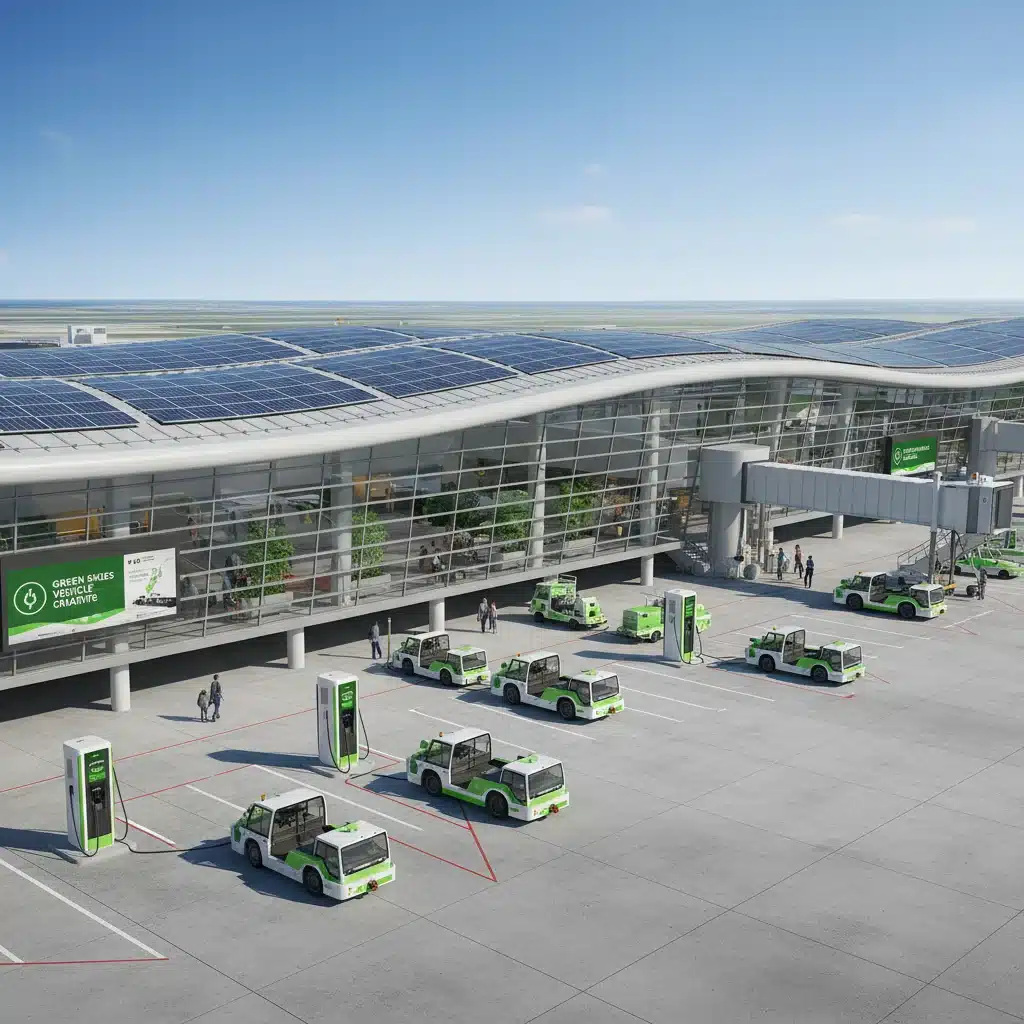
- Electric Ground Support Equipment: Airports are transitioning to electric ground support equipment (eGSE) and electrifying their vehicle fleets to reduce emissions from ground operations.
- Air Traffic Management Optimization: Advanced air traffic control systems and optimized flight paths are being implemented to reduce fuel consumption and emissions during flights.
Ports and Maritime: Navigating Rising Tides
Ports are critical nodes in the global supply chain, but they are highly exposed to sea-level rise and extreme weather events. Climate policies are shaping their future:
- Coastal Adaptation and Protection: Investments in seawalls, elevated docks, and natural infrastructure (e.g., mangroves, oyster reefs) are crucial for protecting port facilities.
- Shore Power and Electrification: Policies are promoting shore power facilities, allowing ships to plug into the grid while docked, reducing emissions from auxiliary engines. Electrification of port equipment is also a priority.
- Green Shipping Corridors: International and national policies are fostering the development of green shipping corridors, leveraging zero-emission fuels and technologies for maritime transport.
Technological Innovations Driving Climate Policy Travel Infrastructure
Technology is a key enabler in achieving climate policy goals for travel infrastructure. By 2035, several innovations are expected to be mainstream:
Electric and Autonomous Vehicles
The rapid adoption of electric vehicles (EVs) across all modes of transport is perhaps the most visible change. This goes beyond passenger cars to include electric buses, trucks, and even short-haul aircraft. Autonomous vehicle technology, while still developing, has the potential to optimize traffic flow, reduce congestion, and improve fuel efficiency, further complementing emissions reduction efforts. The integration of charging infrastructure with smart grid technologies will be essential for managing increased electricity demand.
Smart Infrastructure and IoT
Internet of Things (IoT) sensors embedded in roads, bridges, and public transit systems will provide real-time data on structural integrity, traffic conditions, and environmental factors. This data will enable predictive maintenance, optimize resource allocation, and facilitate adaptive traffic management, contributing to both resilience and efficiency. Smart cities initiatives will integrate these data streams to create a more responsive and sustainable urban travel ecosystem.
Advanced Materials and Construction Techniques
Innovations in materials science are yielding stronger, lighter, and more sustainable construction materials. This includes self-healing concrete that repairs cracks, asphalt mixtures that absorb solar energy to melt snow, and composite materials that offer superior strength-to-weight ratios. Modular construction techniques can also reduce waste and construction time, minimizing environmental impact.
Renewable Energy Integration
The direct integration of renewable energy sources into travel infrastructure is becoming a standard practice. Solar panels on airport terminals, wind turbines near highways, and geothermal systems for heating and cooling transportation hubs are all examples. This not only reduces operational emissions but also enhances energy independence and resilience against grid disruptions.
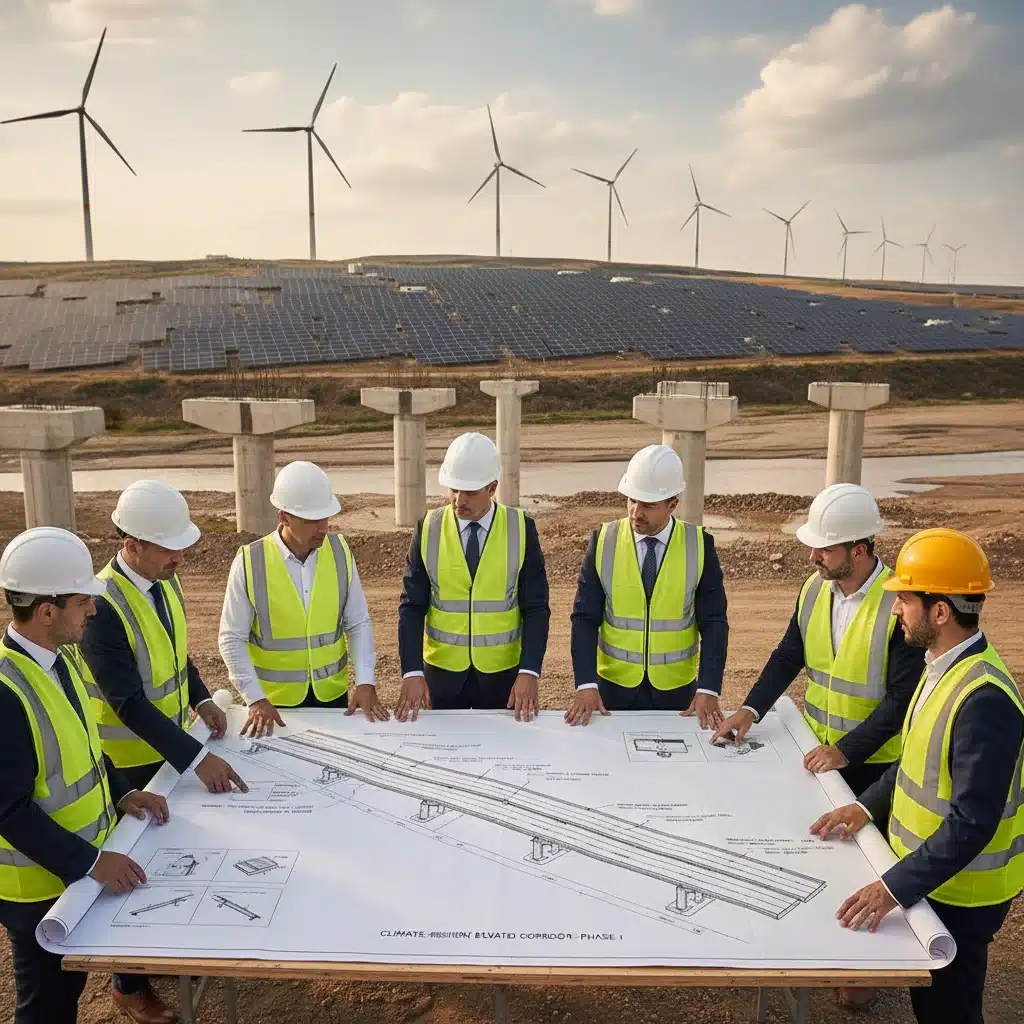
Challenges and Opportunities for 2035
While the vision for Climate Policy Travel Infrastructure by 2035 is ambitious, its realization is not without significant challenges.
Funding and Investment Gaps
Despite substantial federal funding, the sheer scale of investment required to upgrade and transform U.S. travel infrastructure to be climate-resilient and sustainable is enormous. Public-private partnerships, innovative financing mechanisms, and carbon pricing schemes will be crucial to bridge these funding gaps.
Regulatory Hurdles and Permitting Processes
Complex and often lengthy regulatory and permitting processes can delay critical infrastructure projects. Streamlining these processes while ensuring environmental protections remain a key challenge. Inter-agency coordination and collaboration will be essential.
Technological Integration and Interoperability
Integrating diverse new technologies into existing, often aging, infrastructure systems presents significant technical challenges. Ensuring interoperability between different systems and platforms will be vital for creating a cohesive and efficient network.
Workforce Development and Skills Gap
The transition to green infrastructure requires a skilled workforce capable of designing, building, and maintaining these new systems. There is a pressing need for investment in education, training, and reskilling programs to prepare the workforce for the jobs of the future.
Social Equity and Accessibility
As infrastructure transforms, it is crucial to ensure that new developments benefit all communities, particularly those historically underserved. Policies must address issues of equitable access to sustainable transportation options and guard against exacerbating existing social inequalities.
However, these challenges also present significant opportunities. The push for Climate Policy Travel Infrastructure can stimulate economic growth, create new jobs, and position the U.S. as a leader in green technology and sustainable development. It offers a chance to rebuild smarter, more efficient, and more equitable transportation systems for generations to come.
Case Studies and Pilot Programs: Glimpses of the Future
Across the U.S., various pilot programs and early initiatives offer a glimpse into the future of climate-resilient and sustainable travel infrastructure. These projects serve as vital learning grounds, demonstrating what works and informing future policy decisions.
- Florida’s Resilient Coastal Roadways: In vulnerable coastal areas, Florida is investing in elevating sections of highways and using advanced materials to protect against sea-level rise and storm surges, showcasing proactive adaptation strategies for Climate Policy Travel Infrastructure.
- California’s High-Speed Rail Project: While facing challenges, the California High-Speed Rail project represents a significant commitment to reducing reliance on air and car travel for intercity connections, aligning with decarbonization goals.
- New York’s Smart City Transit Initiatives: New York City is exploring smart traffic management systems, electric bus fleets, and expanded bike lanes to reduce congestion and emissions, demonstrating urban innovation in sustainable mobility.
- Ports of Los Angeles and Long Beach Green Initiatives: These major ports are leading the way in electrifying their equipment, implementing shore power, and exploring hydrogen fuel cell technologies for port operations, setting a benchmark for greener maritime logistics.
These examples illustrate the diverse approaches being taken to integrate climate considerations into travel infrastructure development. They highlight the importance of localized solutions while contributing to a broader national strategy.
The Role of Public-Private Partnerships in Advancing Climate Goals
Achieving the ambitious goals for Climate Policy Travel Infrastructure by 2035 will require more than just government funding. Public-private partnerships (PPPs) are emerging as a crucial mechanism to leverage private sector expertise, innovation, and capital. These partnerships can accelerate the deployment of new technologies, share risks, and bring efficiencies to large-scale infrastructure projects.
For instance, private companies are at the forefront of developing and deploying EV charging networks, battery storage solutions, and advanced materials. Collaborations between government agencies and these private entities can lead to faster implementation and more effective solutions. Moreover, PPPs can foster a culture of innovation, encouraging the development of bespoke solutions tailored to specific regional climate challenges and transportation needs.
Measuring Progress: Metrics and Accountability
To ensure that climate change policies are indeed having the desired impact on U.S. travel infrastructure, robust metrics and accountability frameworks are essential. By 2035, expect to see a greater emphasis on:
- Emissions Reductions: Tracking the decline in greenhouse gas emissions from the transportation sector, broken down by mode and region.
- Resilience Metrics: Quantifying the ability of infrastructure to withstand and recover from climate-related shocks, including metrics like downtime following extreme weather events or the cost of damages avoided due to resilient design.
- Renewable Energy Penetration: Measuring the percentage of energy used by transportation infrastructure that comes from renewable sources.
- Sustainable Material Usage: Tracking the adoption rates of low-carbon and recycled materials in construction projects.
- Accessibility and Equity: Assessing how new infrastructure projects improve access to transportation for all demographic groups and reduce transportation-related disparities.
Transparent reporting and regular assessments will be key to demonstrating progress, identifying areas for improvement, and adapting policies as needed to meet the evolving challenges of climate change. This data-driven approach will be fundamental to the continued success of Climate Policy Travel Infrastructure initiatives.
The Future Outlook: A Transformed Travel Landscape
By 2035, the U.S. travel infrastructure landscape will look significantly different than it does today. The cumulative impact of climate change policies will have driven a profound transformation, characterized by:
- A More Resilient Network: Infrastructure will be better equipped to withstand the impacts of extreme weather, with fewer disruptions and faster recovery times.
- A Decarbonized Fleet: A substantial portion of vehicles, trains, and even some aircraft will be powered by electricity or sustainable fuels, leading to significantly lower emissions.
- Smarter and More Efficient Systems: Integrated smart technologies will optimize travel flows, reduce congestion, and enhance the overall efficiency of the transportation network.
- Greater Intermodal Connectivity: Seamless connections between different modes of transport will make sustainable travel options more convenient and attractive.
- A Focus on Equity: New infrastructure will be designed to improve accessibility and provide equitable transportation solutions for all communities.
The journey to this future is complex and multifaceted, requiring sustained commitment, innovative thinking, and collaborative action from all stakeholders. However, the benefits – a safer, cleaner, more efficient, and more resilient travel infrastructure – are well worth the effort. The ongoing evolution of Climate Policy Travel Infrastructure is not just about mitigating environmental risks; it’s about building a better, more sustainable future for American travel.
The policies enacted today are laying the groundwork for the transportation systems of tomorrow. As we approach 2035, the integration of climate resilience and sustainability into every facet of travel infrastructure development will be a testament to the nation’s commitment to addressing one of the most pressing challenges of our time. The choices made now will determine the quality, safety, and environmental footprint of how Americans move for decades to come.