Digital Nomadism US: Guide to Remote Work Travel 2025
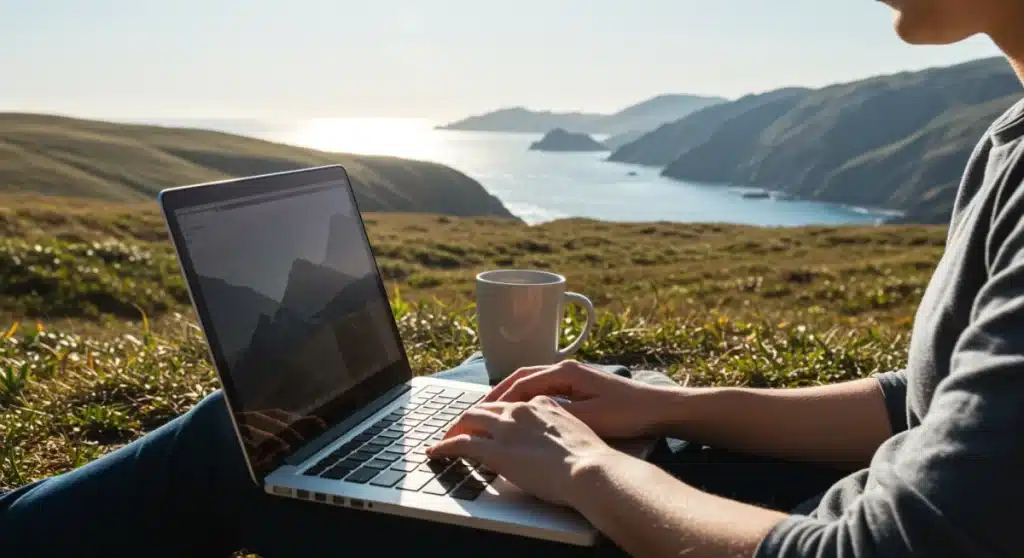
The projected 15% increase in remote work travel by 2025 highlights the growing appeal of digital nomadism in the US, offering individuals unprecedented opportunities to combine professional endeavors with exploratory travel across the nation.
The landscape of work is undergoing a profound transformation, with remote opportunities no longer just a niche but a mainstream reality. For many, this shift has unlocked the dream of location independence, making digital nomadism in the US an increasingly viable and attractive lifestyle. As we approach 2025, projections indicate a significant 15% surge in remote work travel, signaling a powerful movement towards a more flexible and adventurous way of living and working.
understanding the digital nomad phenomenon in the US
Digital nomadism, at its core, is about leveraging technology to work remotely from anywhere in the world. In the context of the United States, this translates into an exciting prospect: exploring diverse landscapes, vibrant cities, and unique cultures, all while maintaining a fulfilling career. The US, with its vast geographical diversity and robust infrastructure, presents an ideal playground for those embracing this lifestyle. From the bustling streets of New York to the serene beaches of California, or the majestic mountains of Colorado, the options for a digital nomad are virtually limitless.
This lifestyle offers more than just a change of scenery; it promises a redefinition of work-life balance. Imagine starting your day with a hike in a national park, then settling down to work from a cozy cafe with a new view, and ending it by discovering a local culinary gem. It’s a blend of professional responsibility and personal enrichment that appeals to a growing segment of the workforce, driven by a desire for autonomy and authentic experiences.
the allure of flexibility and freedom
- Location Independence: Work from any city, state, or even national park with internet access.
- Enhanced Work-Life Balance: Integrate personal interests and travel into your daily routine.
- Cost-Efficiency: Potentially reduce living expenses by choosing more affordable locations.
- Personal Growth: Experience new cultures, meet diverse people, and develop adaptability.
The increasing acceptance of remote work policies by companies, coupled with technological advancements, has paved the way for this nomadic lifestyle. High-speed internet, cloud-based collaboration tools, and virtual communication platforms have made it possible to stay connected and productive regardless of physical location. This technological backbone is crucial for any aspiring digital nomad, ensuring that professional duties are met without compromise. The appeal is clear: a life lived on your own terms, unbound by the traditional office cubicle.
Understanding this phenomenon is the first step toward joining its ranks. It’s not just a trend; it’s a fundamental shift in how we perceive work and life, offering a compelling alternative to conventional career paths. The US is uniquely positioned to support this movement, providing a wide array of environments and opportunities for those ready to embark on their nomadic journey.
crafting your remote work foundation: essential steps for US nomads
Embarking on a digital nomad journey in the US requires a solid foundation, beginning with securing a remote-friendly job. This isn’t merely about finding a position that allows working from home; it’s about identifying roles and companies that genuinely support and thrive on distributed teams. Many industries have embraced remote work, including tech, marketing, customer service, and creative fields. Networking within these communities and showcasing your ability to work independently are crucial steps.
Once the remote job is secured, the next critical element is reliable internet access. While many urban areas offer robust connectivity, venturing into more rural or scenic locations might pose challenges. Researching internet providers and understanding cellular data plans, including mobile hotspots, becomes vital. Co-working spaces, often found in larger cities, also provide dedicated internet and a professional environment, fostering a sense of community among nomads.
Financial planning is another cornerstone. While digital nomadism can offer cost savings, it also comes with unique expenses. Budgeting for travel, accommodation, health insurance that covers you across states, and emergency funds are paramount. Understanding state tax implications, especially if you move frequently, is also essential. Consulting with a financial advisor specializing in remote workers can provide invaluable guidance.
securing your remote income stream
- Identify Remote-First Companies: Target organizations with a proven track record of supporting remote employees.
- Showcase Remote Skills: Emphasize self-discipline, time management, and effective virtual communication in your applications.
- Build a Strong Portfolio: For freelancers, a diverse and impressive portfolio is key to attracting clients.
Beyond the practicalities, cultivating a mindset of adaptability and resilience is crucial. The digital nomad lifestyle, while liberating, can also present unforeseen challenges, from unexpected travel delays to finding suitable accommodation. Developing problem-solving skills and maintaining a positive outlook will significantly contribute to a successful nomadic experience. This proactive approach to planning and preparation will empower you to navigate the complexities and fully embrace the freedoms that come with remote work travel in the US.
navigating accommodation and logistics across the states
One of the primary considerations for any digital nomad in the US is accommodation. The choices are as varied as the landscapes themselves, ranging from short-term rentals to RV living. Platforms like Airbnb and Vrbo offer furnished apartments and houses for varying durations, providing a home-like environment. For those seeking more flexibility, extended-stay hotels can be a good option, often equipped with kitchenettes and amenities suitable for longer stays.
RV living has also seen a significant boom among digital nomads, offering unparalleled freedom to move between locations without the constant hassle of packing and unpacking. This option requires an initial investment in a vehicle and understanding the logistics of RV parks, maintenance, and utility hookups. However, it provides a unique opportunity to immerse oneself in nature and explore off-the-beaten-path destinations.
Transportation is another key logistical puzzle. While a personal vehicle offers maximum flexibility, especially for exploring national parks and rural areas, relying on public transport and ride-sharing services is feasible in major cities. For longer distances, domestic flights can be economical when booked in advance. The goal is to strike a balance between convenience, cost, and the desire for exploration.
smart accommodation solutions
- Short-Term Rentals: Ideal for experiencing local life in different cities.
- RV Living: Offers ultimate mobility and access to natural beauty.
- Co-living Spaces: Provides community and often includes utilities and amenities.
Beyond the physical aspects, it’s important to consider mail forwarding services, which allow nomads to maintain a consistent mailing address regardless of their physical location. This is crucial for banking, legal documents, and receiving packages. Additionally, understanding the nuances of local regulations, such as parking restrictions or short-term rental laws, can prevent unnecessary complications. Thoughtful planning in these logistical areas ensures a smoother and more enjoyable nomadic experience across the diverse regions of the US.
maintaining productivity and well-being on the road
The freedom of digital nomadism in the US comes with the responsibility of self-management, particularly in maintaining productivity and overall well-being. Establishing a consistent work routine, even amidst changing environments, is paramount. This might involve setting specific work hours, creating a dedicated workspace within your temporary home, or utilizing co-working spaces to foster a sense of structure and minimize distractions.
Time zone differences can also present a challenge, especially if your team or clients are based in a different part of the country. Effective communication and clear expectations regarding availability are essential. Tools for project management and collaboration can help keep everyone aligned, ensuring that work progresses smoothly irrespective of geographical distance. The key is to be proactive in managing your schedule and communicating transparently.
Beyond work, prioritizing physical and mental health is crucial. The nomadic lifestyle, while exciting, can sometimes lead to feelings of isolation or burnout if not managed properly. Actively seeking out social connections, whether through local meetups, co-working communities, or online groups, can combat loneliness. Regular exercise, healthy eating, and sufficient rest are non-negotiable for sustaining energy levels and maintaining focus.
strategies for sustained productivity
- Structured Daily Routine: Set consistent work hours and stick to them.
- Dedicated Workspace: Create a clear boundary between work and leisure, even in small spaces.
- Effective Time Management: Utilize tools and techniques like the Pomodoro Technique to maximize focus.
Embracing the local culture and exploring your surroundings can also be a powerful antidote to work-related stress. Taking breaks to visit local attractions, try new restaurants, or engage in outdoor activities can rejuvenate your mind and offer fresh perspectives. The beauty of digital nomadism is the integration of work and life experiences; by intentionally nurturing both, you can ensure a productive and fulfilling journey across the United States.
legal and financial considerations for US digital nomads
Navigating the legal and financial landscape as a digital nomad in the US can be complex, requiring careful attention to detail. One of the most significant considerations is state residency and taxation. Unlike international digital nomads who might face visa challenges, US citizens and permanent residents generally have the right to move freely between states. However, establishing domicile for tax purposes is crucial, as state income taxes vary widely. Spending more than 183 days in a state can often trigger residency, impacting your tax obligations.
Health insurance is another vital aspect. Traditional health insurance plans might have network limitations when traveling across state lines. Exploring options like PPO plans, which offer broader coverage, or travel insurance that includes medical emergencies, can provide peace of mind. Some digital nomads also opt for health sharing ministries as an alternative, though it’s important to understand their specific coverage and limitations.
Banking and financial management also require strategic planning. Maintaining a primary bank account with a national presence can simplify transactions. Additionally, having a system for tracking expenses, especially those related to travel and business, is essential for tax reporting. Digital banking apps and budgeting tools can prove invaluable in managing finances effectively while on the move.
key legal and financial checkpoints
- Understand State Tax Residency: Be aware of the 183-day rule and its implications.
- Review Health Insurance Coverage: Ensure your plan covers you adequately across all states you plan to visit.
- Set Up Mail Forwarding: Maintain a consistent address for official correspondence.
It’s advisable to consult with a tax professional who specializes in multi-state taxation for remote workers to ensure compliance and optimize your financial situation. They can help you understand deductions, write-offs, and strategies to minimize your tax burden. By proactively addressing these legal and financial considerations, US digital nomads can build a stable and secure foundation for their adventurous lifestyle, avoiding potential pitfalls and ensuring long-term sustainability.
building community and fostering connections on the move
While the image of a digital nomad often evokes solitude, building and maintaining a strong community is vital for a fulfilling experience. The journey across the US, though independent, doesn’t have to be lonely. Actively seeking out connections can enrich your travels, provide support, and even open doors to new opportunities. This can begin online, through dedicated digital nomad forums and social media groups where tips, advice, and meetups are often organized.
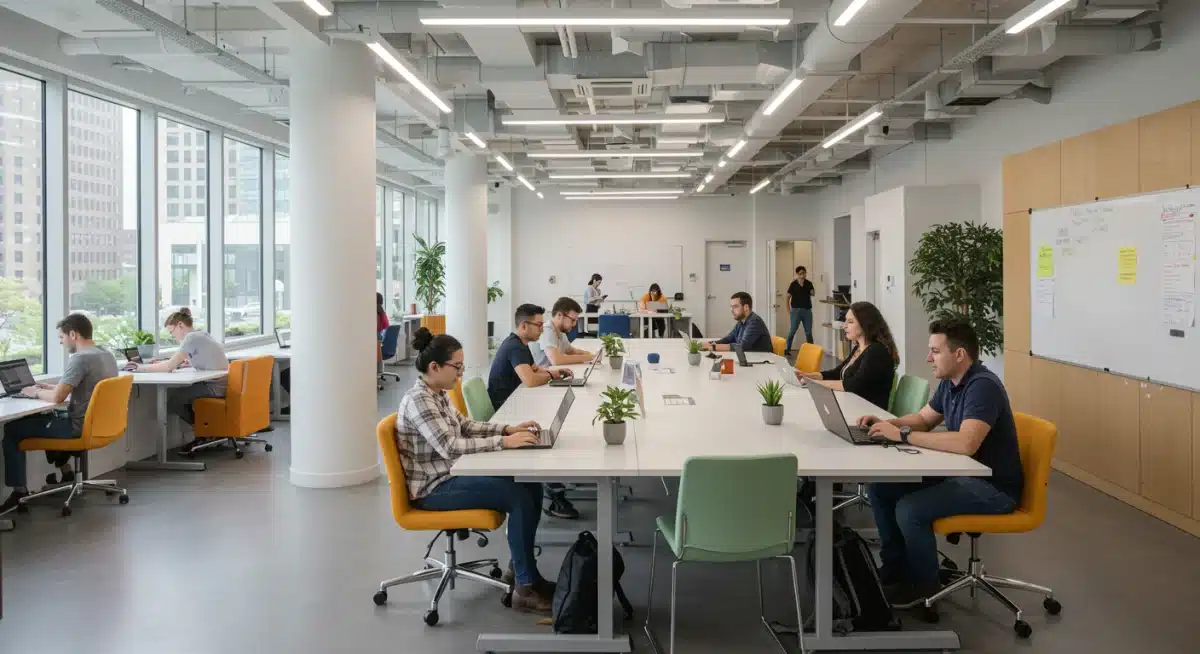
In physical locations, co-working spaces serve as natural hubs for like-minded individuals. They offer not just a productive environment but also opportunities for networking, collaboration, and social interaction. Many cities across the US have vibrant co-working scenes that host events, workshops, and informal gatherings, making it easy to connect with other remote workers and locals alike.
Beyond co-working spaces, engaging with local communities is key. This could involve joining local clubs or groups based on your hobbies, attending cultural events, volunteering, or simply frequenting local cafes and businesses. These interactions provide a deeper understanding of the places you visit and can lead to genuine friendships, making each temporary home feel more connected and welcoming. The transient nature of digital nomadism makes intentional community building even more important.
strategies for forging connections
- Utilize Online Platforms: Join digital nomad Facebook groups, forums, and Slack channels.
- Frequent Co-working Spaces: Leverage them for networking and social events.
- Engage Locally: Participate in local activities, clubs, and community events.
The beauty of digital nomadism is not just in the places you see, but the people you meet along the way. These connections can offer emotional support, professional insights, and shared experiences that make the journey more memorable and sustainable. By actively fostering relationships, US digital nomads can transform a potentially solitary path into a rich tapestry of shared adventures and enduring friendships, proving that independence doesn’t have to mean isolation.
the future of digital nomadism in the US: trends and opportunities
The trajectory of digital nomadism in the US is undeniably upward, with a projected 15% increase in remote work travel by 2025 underscoring its growing prominence. This growth is fueled by several evolving trends that are shaping the future of work and travel. One significant trend is the continued expansion of remote-first company cultures. More businesses are recognizing the benefits of a distributed workforce, from access to a wider talent pool to reduced overhead costs, further solidifying the foundation for nomadic lifestyles.
Technological advancements will also play a pivotal role. The rollout of 5G networks, improved satellite internet, and more sophisticated virtual collaboration tools will enhance connectivity, enabling nomads to work efficiently even from more remote locations. This means less concern about internet availability and more freedom to explore diverse regions of the US, from national parks to small towns.
Furthermore, the rise of specialized services catering to digital nomads is creating a more supportive ecosystem. This includes everything from bespoke health insurance plans for travelers to co-living spaces designed for remote workers, and even tax advisory services tailored to multi-state residency. These innovations are making the lifestyle more accessible and sustainable for a broader demographic.
emerging trends shaping the nomadic landscape
- Increased Remote Job Opportunities: More companies adopting permanent remote work policies.
- Advancements in Connectivity: 5G and satellite internet expanding reach to rural areas.
- Growth of Nomad-Specific Services: Tailored solutions for accommodation, healthcare, and community.
The economic impact of digital nomads on local communities is also becoming more recognized. Small towns and less-visited regions are actively seeking to attract remote workers, offering incentives and developing infrastructure to support them. This creates a symbiotic relationship where nomads find new, affordable places to live and work, and local economies benefit from their spending. As these trends continue to evolve, the US is poised to become an even more attractive and accommodating destination for digital nomads, offering a wealth of opportunities for those ready to embrace the future of work and travel.
| Key Aspect | Brief Description |
|---|---|
| Remote Work Foundation | Securing a remote job, ensuring reliable internet, and comprehensive financial planning are essential. |
| Accommodation & Logistics | Diverse options like rentals, RVs, and co-living, plus efficient transportation and mail forwarding. |
| Productivity & Well-being | Establishing routines, managing time zones, and prioritizing physical and mental health. |
| Legal & Financial | Understanding state taxes, health insurance, and banking for seamless operations. |
frequently asked questions about digital nomadism in the US
The primary appeal lies in achieving location independence, allowing individuals to combine professional work with extensive travel and exploration across the diverse landscapes and cultures of the United States, enhancing work-life balance.
They often rely on mobile hotspots, robust cellular data plans, and seek out co-working spaces or accommodations with high-speed Wi-Fi. Researching connectivity in target locations before arrival is crucial for uninterrupted work.
Key financial considerations include budgeting for travel and accommodation, understanding state tax residency rules, securing adequate health insurance coverage across states, and establishing an emergency fund.
Digital nomads can build community by utilizing online forums, frequenting co-working spaces, attending local events, joining hobby groups, and actively engaging with local residents in the places they visit.
Future trends include continued growth in remote-first company cultures, advancements in 5G and satellite internet, and the proliferation of specialized services catering to the unique needs of digital nomads, making the lifestyle more accessible.
conclusion
The rise of digital nomadism in the US is more than a fleeting trend; it represents a fundamental shift in how work and life can be integrated, offering unparalleled freedom and personal growth opportunities. With a projected 15% increase in remote work travel by 2025, the landscape is ripe for individuals to embrace this flexible lifestyle. By carefully planning remote work foundations, navigating accommodation and logistics, prioritizing well-being, understanding legal and financial nuances, and actively building community, aspiring digital nomads can successfully embark on a fulfilling journey across the United States. The future promises even more supportive infrastructure and opportunities, making the nomadic dream increasingly attainable for many.