Ethical Wildlife Encounters: Avoid Harmful Practices in US Tourism 2026
Ethical Wildlife Encounters: How to Identify and Avoid Harmful Practices in U.S. Tourism During 2026
As we look towards 2026, the allure of experiencing the United States’ diverse wildlife remains as strong as ever. From the majestic grizzly bears of Yellowstone to the vibrant marine life off the Florida coast, the U.S. offers unparalleled opportunities for wildlife encounters. However, with this privilege comes a profound responsibility: to ensure our interactions are ethical, sustainable, and do no harm. In an increasingly interconnected world, where tourism can have both positive and negative impacts, understanding and practicing ethical wildlife tourism is paramount. This comprehensive guide will equip you with the knowledge to identify and avoid harmful practices, ensuring your adventures contribute to conservation rather than detract from it.
The concept of ethical wildlife tourism isn’t just a trend; it’s a critical movement that advocates for the well-being of animals and their habitats. It means opting for experiences that prioritize animal welfare, respect natural behaviors, and support local conservation efforts. Unfortunately, not all wildlife tourism operations adhere to these principles. Some activities, often disguised as ‘once-in-a-lifetime’ opportunities, can be detrimental to animals, disrupting their natural lives, causing stress, and even contributing to their exploitation. By becoming informed travelers, we can collectively steer the tourism industry towards more responsible practices and safeguard the incredible biodiversity of the U.S. for future generations.
Understanding the Core Principles of Ethical Wildlife Tourism
At its heart, ethical wildlife tourism is guided by several fundamental principles. These principles serve as a compass for travelers and operators alike, ensuring that interactions with wildlife are respectful, educational, and beneficial for all parties involved – especially the animals themselves. Adhering to these principles helps to mitigate the negative impacts of human presence and promotes a deeper appreciation for the natural world.
Prioritizing Animal Welfare and Natural Behavior
The first and foremost principle is the welfare of the animals. This means avoiding any activity that causes stress, fear, injury, or unnatural behavior in wildlife. For example, feeding wild animals, even with good intentions, can disrupt their natural foraging patterns, make them dependent on humans, and increase their risk of disease or aggressive encounters. Similarly, activities that involve touching, riding, or posing for photos with wild animals often involve cruel training methods or living conditions that are far removed from their natural habitat. True ethical encounters allow animals to remain wild and exhibit their natural behaviors without human interference.
Respecting Habitats and Ecosystems
Wildlife doesn’t exist in a vacuum; it’s intricately linked to its habitat. Ethical wildlife tourism therefore emphasizes the protection of these habitats and the broader ecosystems they belong to. This includes staying on designated trails, disposing of waste properly (pack it in, pack it out), avoiding excessive noise, and supporting conservation initiatives that protect vital ecosystems. Damage to habitats, whether through littering, off-trail excursions, or unsustainable development, directly impacts the survival of wildlife.
Minimizing Human Impact and Disturbance
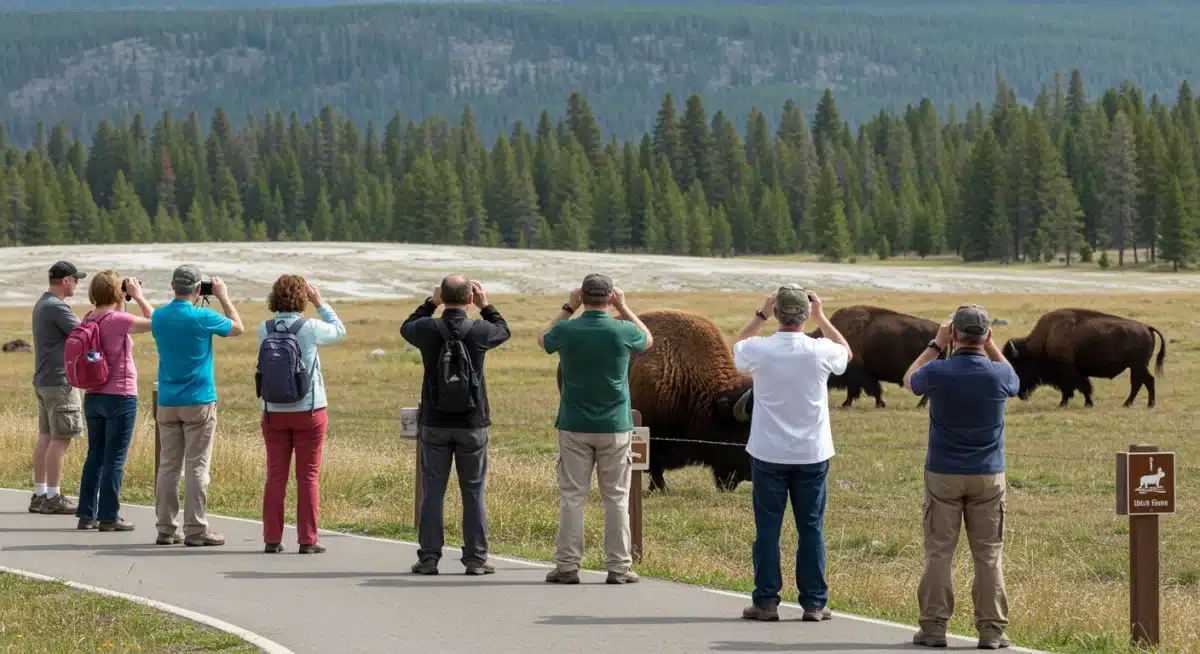
Every human presence in a natural environment has an impact. The goal of ethical wildlife tourism is to minimize this impact as much as possible. This involves maintaining safe distances from animals, using binoculars or zoom lenses for observation instead of approaching closely, and avoiding sudden movements or loud noises that could startle them. It also means choosing tour operators who practice responsible guiding, limit group sizes, and educate visitors on appropriate behavior. The less an animal perceives human presence as a threat or an opportunity for interaction, the more likely it is to continue its natural life undisturbed.
Supporting Local Conservation and Communities
Responsible tourism should also benefit the local communities and conservation efforts in the regions visited. This means choosing operators who employ local staff, contribute to local economies, and actively participate in wildlife conservation projects. When your tourism dollars support ethical businesses and conservation initiatives, you become an active participant in protecting the wildlife and natural heritage of the U.S. Look for certifications or partnerships with reputable conservation organizations as indicators of genuine commitment.
Identifying and Avoiding Harmful Wildlife Tourism Practices in the U.S.
While the U.S. generally has strong regulations for wildlife protection, harmful practices can still exist, often masquerading as educational or entertaining experiences. Being able to recognize these activities is the first step towards making ethical choices for your 2026 travels.
Activities Involving Direct Contact or Manipulation of Wild Animals
One of the clearest red flags for unethical wildlife tourism is any activity that encourages or allows direct physical contact with wild animals. This includes:
- Petting or holding wild animals: Whether it’s a baby alligator, a fox, or a bird of prey, direct contact is almost always detrimental. It can transmit diseases to or from animals, habituate them to humans (making them vulnerable), and cause immense stress.
- Feeding wild animals: As mentioned, feeding disrupts natural behaviors, can lead to aggressive encounters, and often provides animals with an unhealthy diet. This is illegal in many U.S. national parks and protected areas for good reason.
- Riding wild animals: While less common with native U.S. species, any activity involving riding a wild animal (e.g., some types of ‘pony rides’ that use exotic animals or animals not typically domesticated for riding) is highly unethical.
- Photo opportunities with restrained or performing animals: If an animal is being held, chained, or forced to perform tricks for tourist photos, it’s a clear sign of exploitation. Animals used in such contexts often endure harsh training and inadequate living conditions.
Sanctuaries and Rescues: How to Differentiate Ethical from Unethical
The term ‘sanctuary’ can be misleading. While genuine sanctuaries provide a safe haven for rescued animals that cannot be released back into the wild, some operations use the label to mask exploitative practices. To identify truly ethical sanctuaries:
- No direct public contact: Ethical sanctuaries prioritize the animals’ well-being. This means minimal human interaction, especially direct contact, unless medically necessary.
- Focus on rehabilitation and release (if possible): For animals that can be rehabilitated, the goal is always release back into their natural habitat. For those that cannot, the focus is on providing a high quality of life in a naturalistic environment.
- Educational focus: True sanctuaries educate visitors about conservation, the animals’ stories, and the threats they face, rather than just offering entertainment.
- Accreditation: Look for accreditation from reputable organizations like the Global Federation of Animal Sanctuaries (GFAS) or the Association of Zoos and Aquariums (AZA) for facilities that meet high standards of animal care.
Unregulated Wildlife Viewing Tours
Not all wildlife tours are created equal. Some operators, driven by profit, may disregard regulations or best practices, leading to animal disturbance. Be wary of tours that:
- Guarantee sightings: Wildlife is unpredictable. Operators who guarantee sightings often resort to baiting, harassing, or cornering animals, which is unethical.
- Approach animals too closely: Reputable tours maintain a safe and respectful distance. Know the recommended viewing distances for different species (e.g., 25 yards for most animals, 100 yards for bears and wolves).
- Use excessive noise or light: Loud noises, bright lights, or flash photography can stress animals, especially nocturnal species.
- Operate in sensitive breeding or nesting areas: These areas are critical for animal survival and should be avoided during sensitive periods.
Making Ethical Choices: Your Role as a Responsible Traveler in 2026
As a tourist, you have significant power to influence the industry. Your choices directly support or discourage certain practices. By consciously opting for ethical experiences, you become an agent of positive change.
Research Before You Go
The most crucial step in practicing ethical wildlife tourism is thorough research. Before booking any wildlife-related activity:
- Read reviews: Look for comments specifically addressing animal welfare, guide behavior, and adherence to regulations.
- Check operator websites: Do they clearly state their commitment to ethical practices? Do they provide information on how they minimize impact?
- Consult conservation organizations: Many organizations offer guides or lists of reputable operators.
- Understand local regulations: Familiarize yourself with the rules and guidelines for wildlife viewing in the specific area you plan to visit, especially in national parks and protected areas.
Choose Accredited and Certified Operators
Look for tour operators and facilities that are accredited by recognized bodies or have certifications for responsible tourism. While not exhaustive, these can be good indicators of a commitment to ethical practices. Examples include certifications for sustainable tourism, eco-tourism awards, or partnerships with reputable conservation groups.
Maintain a Respectful Distance and Observe Silently
When you encounter wildlife, whether on a guided tour or independently, always prioritize the animals’ space and peace. Use binoculars or a telephoto lens to get a closer view without physically approaching. Avoid sudden movements, loud talking, or any behavior that might startle or stress the animals. Remember, you are a guest in their home.
Never Feed Wild Animals
This cannot be stressed enough. Feeding wild animals is almost universally harmful. It can lead to animals associating humans with food, increasing the likelihood of aggressive encounters, disrupting their natural diet, and making them more susceptible to disease. It’s also often illegal and carries hefty fines in many protected areas.
Support Conservation Efforts
Beyond choosing ethical tours, consider actively supporting wildlife conservation. This could involve:
- Donating to reputable organizations: Many non-profits work tirelessly to protect wildlife and their habitats in the U.S.
- Volunteering: If you have the time, volunteering for conservation projects can be a deeply rewarding way to contribute.
- Purchasing sustainable souvenirs: Avoid products made from endangered species or those that promote animal exploitation.
- Advocacy: Speak up about the importance of ethical wildlife tourism and responsible travel.
Case Studies: Ethical vs. Unethical Wildlife Tourism in the U.S.
To further illustrate the difference, let’s consider a few hypothetical scenarios that mirror real-world situations you might encounter in 2026.
Scenario 1: Dolphin Encounters in Florida
Unethical Practice: A tour operator advertises ‘Swim with Wild Dolphins’ experiences, guaranteeing close contact. Upon arrival, you see boats actively chasing pods of dolphins, and guides encouraging tourists to jump into the water to touch them. The dolphins appear agitated and try to swim away.
Ethical Alternative: You choose a reputable eco-tour operator that offers ‘Dolphin Watching’ excursions. The guides explain dolphin behavior, maintain a respectful distance from the pods, and never encourage swimming with or touching the animals. They provide educational commentary on marine conservation and the importance of not disturbing wild marine life. They might even participate in citizen science projects, reporting sightings and behaviors to researchers.
Scenario 2: Bear Viewing in Alaska
Unethical Practice: A small, uncertified tour group takes you deep into bear country, off designated trails, promising ‘up close and personal’ photos. The guide carries food to attract bears, and encourages you to get within unsafe distances, ignoring park regulations and the bears’ natural behaviors.
Ethical Alternative: You book with an established and permitted tour operator for bear viewing in a national park. The tour involves viewing bears from a safe, elevated platform or a designated viewing area, with experienced guides who prioritize bear safety and minimal disturbance. They use binoculars to enhance your viewing experience and educate you on bear ecology and conservation. They adhere strictly to park rules, ensuring the bears remain wild and undisturbed.
Scenario 3: Bird of Prey Experiences in the Southwest
Unethical Practice: A roadside attraction offers ‘Hold a Hawk’ photo opportunities. You see several birds of prey tethered to perches, looking stressed, with dull eyes and ruffled feathers. Visitors are rushed through the experience, and the birds are handled roughly.
Ethical Alternative: You visit a raptor rehabilitation center that focuses on rescuing, rehabilitating, and releasing injured birds of prey. They offer educational programs where you can learn about these magnificent birds from trained naturalists, observing them from a distance in large, naturalistic enclosures. Some may offer flight demonstrations where the birds fly freely, demonstrating their natural abilities, but without direct public handling. The focus is on education and conservation, not entertainment.
The Future of Ethical Wildlife Tourism in the U.S. (2026 and Beyond)
As awareness grows, the landscape of ethical wildlife tourism in the U.S. is continuously evolving. In 2026, we can expect to see an even greater emphasis on sustainable practices, technological advancements for remote viewing, and stronger regulations to protect wildlife. Travelers will play a pivotal role in shaping this future.
Technological Advancements for Remote Viewing
Innovations in technology are making it possible to observe wildlife in incredible detail without physical presence. Drones with cameras, remote sensing equipment, and high-quality webcams are allowing researchers and tourists to witness natural behaviors from a distance, minimizing disturbance. Imagine virtual reality experiences that transport you into the heart of a wildlife habitat, offering an immersive view without any ecological footprint.
Strengthening Regulations and Enforcement
Governments and conservation agencies are continuously working to strengthen laws and regulations pertaining to wildlife tourism. Increased patrols, stricter permitting processes, and higher penalties for violations are all part of the effort to curb harmful practices. As a responsible tourist, reporting any observed unethical behavior to park rangers or local authorities is crucial.
The Power of Consumer Choice
Ultimately, the demand for ethical wildlife tourism drives its supply. As more travelers prioritize animal welfare and environmental protection, unethical operators will find it increasingly difficult to thrive. By choosing wisely, sharing your experiences, and advocating for responsible practices, you contribute to a powerful collective voice that demands better for wildlife.
Conclusion: Be a Champion for Ethical Wildlife Tourism in 2026
The opportunity to witness the incredible wildlife of the U.S. is a privilege that comes with a responsibility to protect it. By understanding the principles of ethical wildlife tourism, learning to identify harmful practices, and making conscious choices, you can ensure your adventures in 2026 and beyond are not only memorable but also contribute positively to conservation. Remember to research thoroughly, choose responsible operators, maintain a respectful distance, and never interfere with wild animals. Your commitment to ethical travel helps safeguard the U.S.’s precious biodiversity for generations to come, allowing both humans and animals to thrive in harmony. Let’s make every wildlife encounter an ethical one.