Federal Grants Fueling US Tourism Infrastructure for 2026
How Recent Federal Grant Programs are Boosting Tourism Infrastructure Across the US for 2026
The United States, a land of unparalleled natural beauty, vibrant cities, and rich cultural heritage, has long been a global magnet for tourists. As we approach 2026, a year anticipated to see a significant surge in both domestic and international travel, the federal government is making strategic investments to ensure the nation’s tourism infrastructure is not just ready, but exceptional. These targeted federal grant programs are not merely about repairing roads or upgrading airports; they represent a holistic approach to enhancing the entire visitor experience, fostering sustainable growth, and unlocking new economic opportunities across diverse regions. The focus on Tourism Infrastructure Grants is a clear indication of a forward-thinking strategy to solidify the US position as a premier global destination.
The post-pandemic travel landscape has underscored the critical need for resilient, modern, and accessible infrastructure. Travelers today seek seamless experiences, from efficient transportation networks to well-maintained national parks and technologically advanced visitor services. Recognizing these evolving demands, federal agencies have rolled out a series of grant initiatives designed to address these multifaceted needs. These initiatives are not just about large-scale projects but also about supporting local communities, preserving cultural sites, and promoting sustainable tourism practices that will benefit generations to come. The ambition is to create a tourism ecosystem that is not only robust but also inclusive and environmentally conscious.
This comprehensive article will delve into the various federal grant programs currently in play, examine their objectives, highlight successful projects, and explore the anticipated impact on the US tourism sector by 2026 and beyond. We will uncover how these investments are shaping the future of travel in America, from the bustling urban centers to the serene wilderness areas. Understanding these programs is crucial for anyone involved in the travel and tourism industry, as well as for the general public who stands to benefit from improved facilities and enhanced travel opportunities. The strategic allocation of Tourism Infrastructure Grants is a game-changer for the industry.
The Federal Government’s Vision for 2026 Tourism
The year 2026 holds particular significance for the United States. It marks the 250th anniversary of the Declaration of Independence, a milestone expected to draw millions of visitors eager to participate in commemorative events and explore historical sites. Beyond this national celebration, the US continues to be a top destination for international events, conferences, and leisure travel. To capitalize on this anticipated influx and ensure a world-class experience for all, the federal government has articulated a clear vision: to create a tourism infrastructure that is modern, sustainable, accessible, and resilient. This vision is being translated into action through a variety of targeted grant programs, each designed to address specific aspects of the tourism ecosystem.
This proactive approach is rooted in the understanding that tourism is a powerful engine for economic growth, job creation, and cultural exchange. By investing in infrastructure, the government aims to not only enhance visitor satisfaction but also to stimulate local economies, support small businesses, and create sustainable livelihoods for communities across the nation. The emphasis is on long-term benefits, ensuring that the improvements made today will continue to serve the country’s tourism needs for decades. The strategic deployment of Tourism Infrastructure Grants is a testament to this commitment.
Key Federal Agencies Leading the Charge
Several federal agencies are at the forefront of this infrastructure development. The Department of Transportation (DOT), through programs like the Infrastructure Investment and Jobs Act (IIJA), is allocating billions towards improving roads, bridges, public transit, airports, and ports – all critical components of a seamless travel experience. These investments directly impact how tourists navigate the country, reducing travel times, enhancing safety, and improving connectivity between key destinations.
The Department of Commerce, particularly through its Economic Development Administration (EDA), plays a crucial role in funding projects that foster economic resilience and growth in tourism-dependent communities. EDA grants often support the development of tourism-related facilities, enhancement of natural assets, and the creation of new attractions that diversify local economies. Their focus is often on regions that have historically been underserved or are seeking to pivot towards a more robust tourism sector.
The National Park Service (NPS), under the Department of the Interior, receives significant federal funding to maintain and upgrade its vast network of national parks, monuments, and historic sites. These funds are vital for preserving natural wonders, improving visitor centers, enhancing trails, and ensuring accessibility for all visitors. As cornerstones of American tourism, the health and upkeep of these sites are paramount. These agencies, among others, are working in concert to maximize the impact of the Tourism Infrastructure Grants.
Spotlight on Key Federal Grant Programs
Understanding the specific grant programs is essential to appreciating the scale and scope of federal investment. Here are some of the most impactful initiatives:
1. The Infrastructure Investment and Jobs Act (IIJA)
Signed into law in 2021, the IIJA represents a monumental investment in America’s infrastructure. While not exclusively tourism-focused, a significant portion of its funding directly benefits the travel sector. Billions are allocated for:
- Roads and Bridges: Improving access to national parks, scenic byways, and remote attractions. This includes funding for projects that enhance road safety, reduce congestion, and support electric vehicle charging infrastructure along key travel routes. The ripple effect of these improvements extends far beyond mere transportation, influencing travel itineraries and destination choices.
- Public Transit: Expanding and modernizing public transportation options in urban and suburban areas, making it easier for tourists to explore cities and reach attractions without relying solely on private vehicles. This is particularly important for international visitors and those seeking eco-friendly travel options.
- Airports: Upgrading terminals, runways, and air traffic control towers to enhance efficiency, safety, and passenger experience. Modernized airports are often the first impression visitors have of a destination, making these investments critical for attracting and retaining tourists.
- Ports and Waterways: Improving facilities for cruise ships, ferries, and recreational boating, vital for coastal and lakeside tourism. This also includes investments in freight infrastructure that indirectly support the supply chains for tourism businesses.
The IIJA’s broad scope ensures that foundational elements of travel are strengthened, creating a more cohesive and efficient national tourism network. These investments are foundational to the success of Tourism Infrastructure Grants.
2. Economic Development Administration (EDA) Grants
The EDA offers a range of grant programs aimed at fostering economic development, many of which directly support tourism. Programs like the Public Works and Economic Adjustment Assistance programs provide funding for:
- Tourism-Related Facilities: Construction or renovation of convention centers, visitor centers, museums, cultural heritage sites, and recreational facilities that attract tourists and generate economic activity. These projects often become iconic landmarks or essential service hubs for visitors.
- Infrastructure for Tourism Districts: Improvements to water, sewer, and broadband infrastructure in areas identified for tourism growth, ensuring these regions can support increased visitor numbers and modern operational needs. Reliable infrastructure is a prerequisite for any thriving tourism destination.
- Strategic Planning: Funding for communities to develop comprehensive tourism development plans, ensuring sustainable growth and effective utilization of resources. This forward-thinking approach helps communities identify their unique selling propositions and align development with market demands.
EDA grants are particularly effective in empowering local communities to build tailored tourism strategies that capitalize on their unique assets. These grants are often the catalyst for smaller, yet highly impactful, projects that might not otherwise receive funding, proving the versatility of Tourism Infrastructure Grants.
3. National Park Service (NPS) Funding and the Great American Outdoors Act (GAOA)
The NPS manages some of America’s most treasured natural and historical sites. Federal funding, significantly bolstered by the Great American Outdoors Act (GAOA), is crucial for maintaining these assets and enhancing visitor experiences. GAOA provides:
- Restoration and Repair: Addressing the deferred maintenance backlog in national parks, improving roads, trails, bridges, visitor centers, and campgrounds. This ensures these iconic destinations remain safe, accessible, and enjoyable for millions of visitors annually.
- Land and Water Conservation Fund (LWCF): Permanently funds conservation and recreation projects, including the acquisition of new lands for public access and the development of state and local parks. This expands the network of recreational opportunities available to tourists and local communities alike.
These investments are vital for preserving America’s natural and cultural heritage while ensuring these sites can accommodate growing visitor numbers in a sustainable manner. The GAOA represents a generational commitment to outdoor recreation and conservation, making it a cornerstone of Tourism Infrastructure Grants aimed at natural attractions.
4. Department of Agriculture (USDA) Rural Development Grants
For rural areas, tourism can be a lifeline. The USDA offers various grants and loans through its Rural Development programs that support tourism infrastructure, including:
- Community Facilities Programs: Funding for essential community facilities in rural areas, such as visitor centers, small museums, and public spaces that support tourism.
- Business and Industry Loan Guarantees: Supporting tourism-related businesses in rural areas, such as hotels, restaurants, and outdoor recreation outfitters, which indirectly contributes to the overall tourism infrastructure.
- Rural Business Development Grants: Providing technical assistance and training for rural businesses, including those in the tourism sector, to help them grow and attract visitors.
These programs are crucial for diversifying rural economies and ensuring that the benefits of tourism are distributed broadly across the country, not just concentrated in urban centers. They highlight the inclusive nature of federal Tourism Infrastructure Grants.
Impact and Success Stories: Preparing for 2026
The infusion of federal funding is already yielding tangible results across the nation, with numerous projects underway or recently completed that exemplify the positive impact of these Tourism Infrastructure Grants.
Revitalizing Historic Districts
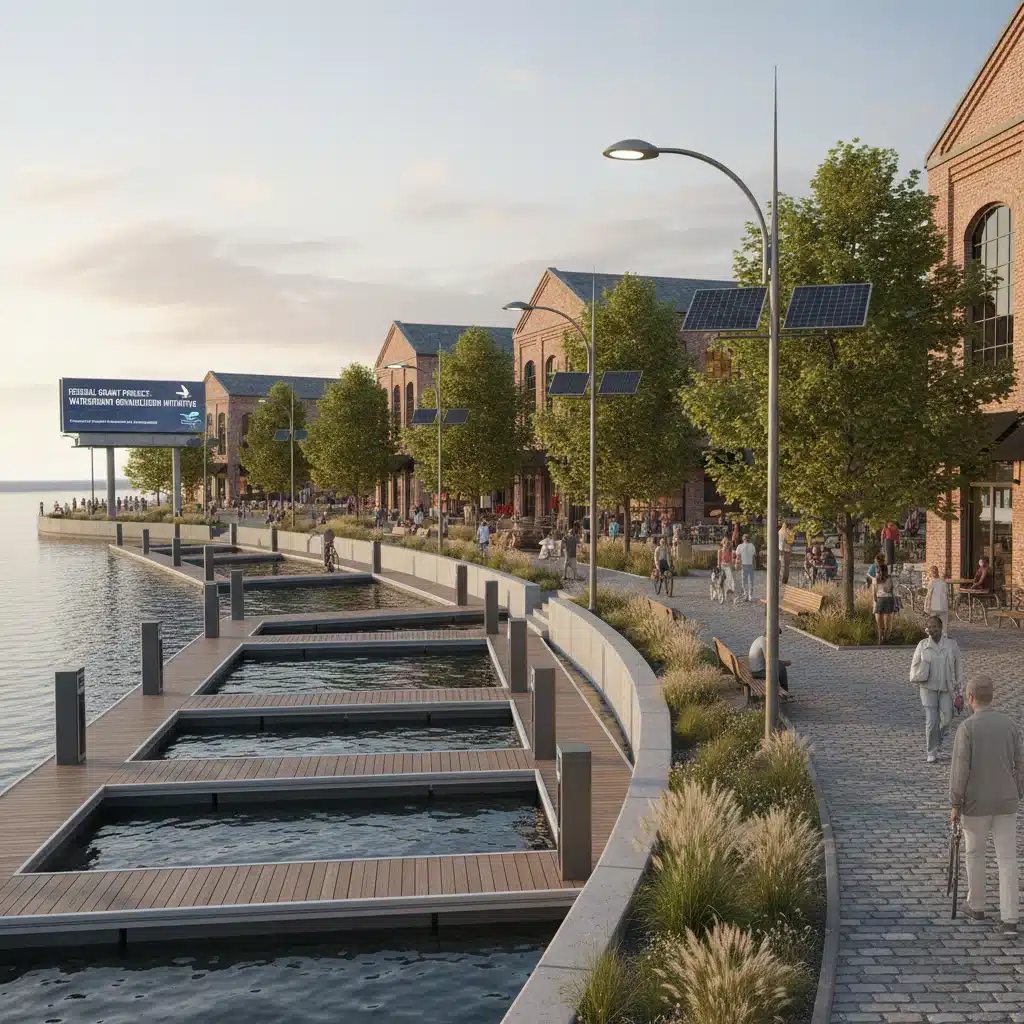
Many cities are leveraging federal grants to revitalize their historic districts, transforming them into vibrant cultural and tourist hubs. For instance, a medium-sized city in the Midwest received an EDA grant to renovate its historic downtown square, adding pedestrian-friendly pathways, outdoor performance spaces, and upgrading utility infrastructure. This project has not only attracted new businesses and residents but also significantly boosted local tourism, drawing visitors interested in its unique architecture and community events. The improved accessibility and aesthetic appeal make it a more attractive destination for both local and out-of-state tourists, directly contributing to the 2026 tourism readiness.
Enhancing National Park Access and Experience
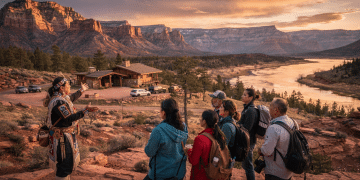
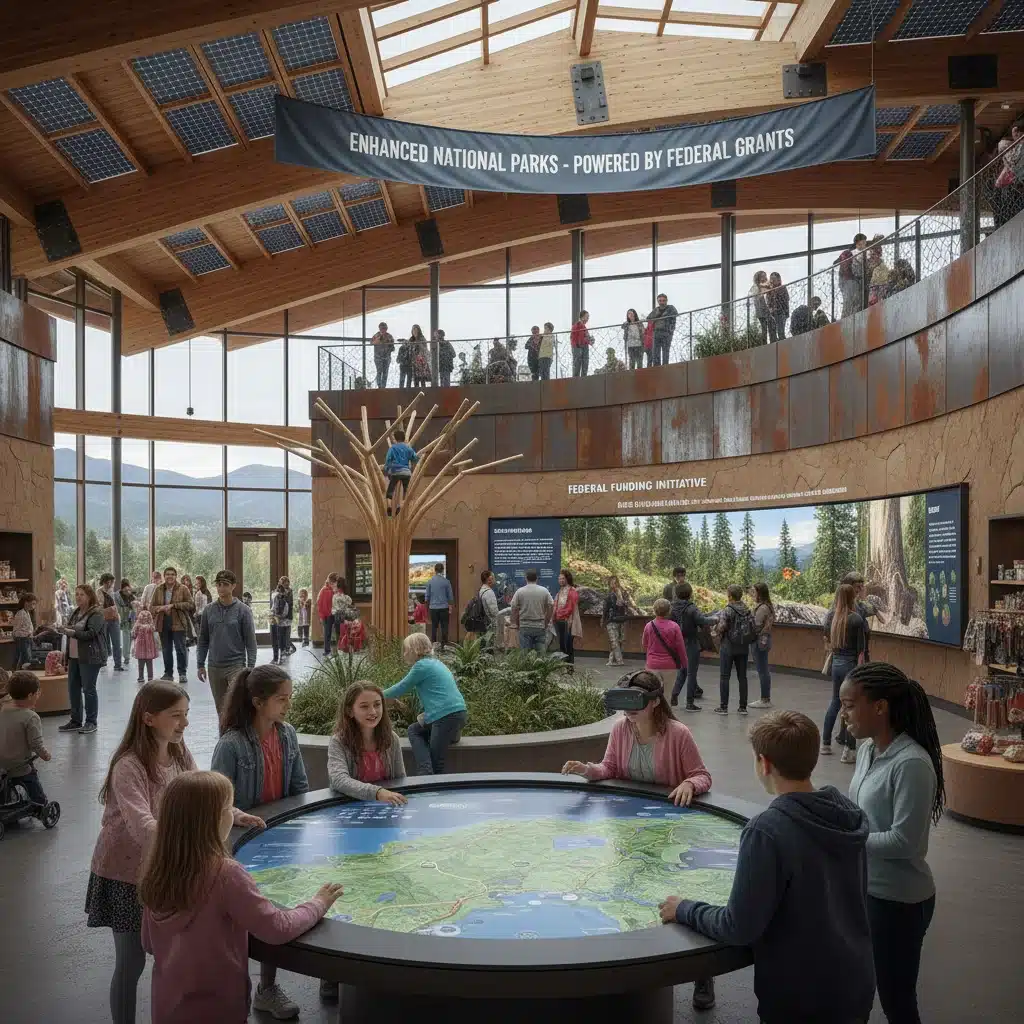
In a major national park, GAOA funds have been instrumental in repairing a critical 20-mile stretch of road that was deteriorating, making it difficult for visitors to access popular trailheads and viewpoints. The completed project not only improved safety and reduced travel times but also incorporated sustainable drainage solutions to protect the surrounding ecosystem. Additionally, new accessible boardwalks have been constructed, allowing visitors with mobility challenges to enjoy previously inaccessible natural wonders. These improvements are crucial for handling the anticipated increase in visitors by 2026, ensuring that the natural beauty of the parks remains pristine while accommodating a broader audience.
Modernizing Transportation Hubs
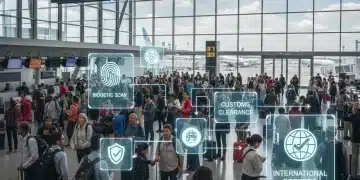
A regional airport, serving a popular tourist destination, utilized IIJA funding to expand its terminal and upgrade its baggage handling system. This expansion has allowed the airport to accommodate more flights and larger aircraft, significantly increasing its capacity to handle tourist traffic. The modernized facilities offer a more comfortable and efficient experience for travelers, reducing delays and improving overall satisfaction. Such investments are vital for gateway cities that serve as entry points to major tourist regions, directly influencing the overall success of the tourism sector in the lead-up to 2026. The strategic allocation of Tourism Infrastructure Grants at these hubs is paramount.
Developing Sustainable Tourism Initiatives
Several communities have focused on sustainable tourism practices. A coastal town, prone to environmental impacts, secured a federal grant to develop eco-friendly boardwalks and observation decks that protect fragile dune ecosystems while offering spectacular views. The grant also funded educational signage about local wildlife and conservation efforts, integrating environmental stewardship into the visitor experience. These projects not only attract environmentally conscious travelers but also ensure the long-term viability of the destination’s natural attractions, aligning with broader goals for sustainable tourism by 2026.
The Broader Economic and Social Benefits
Beyond the immediate improvements to physical infrastructure, the federal Tourism Infrastructure Grants generate a cascade of broader economic and social benefits:
Job Creation and Economic Growth
Infrastructure projects create jobs in construction, engineering, and related industries. Once completed, improved tourism infrastructure supports jobs in hospitality, retail, transportation, and recreation. This economic activity stimulates local economies, increases tax revenues, and fosters entrepreneurial opportunities, contributing to regional prosperity.
Enhanced Visitor Experience and Competitiveness
Modern, accessible, and well-maintained infrastructure directly translates to a better visitor experience. This, in turn, enhances the US’s competitiveness as a global tourist destination. Positive visitor experiences lead to repeat visits, positive word-of-mouth, and increased international appeal, all crucial for achieving tourism goals by 2026.
Community Development and Quality of Life
Many tourism infrastructure projects also benefit local residents by improving public amenities, transportation options, and recreational facilities. Investments in parks, cultural centers, and public spaces enhance the overall quality of life for communities, making them more attractive places to live, work, and visit. The synergy between tourism development and community well-being is a key outcome of these grants.
Preservation of Cultural and Natural Heritage
Federal grants often play a critical role in the preservation and restoration of historic sites, cultural landmarks, and natural ecosystems. By funding maintenance, accessibility improvements, and interpretive exhibits, these grants ensure that America’s rich heritage is protected and made accessible for future generations of tourists and citizens. This dual benefit of preservation and accessibility is a powerful aspect of Tourism Infrastructure Grants.
Challenges and Future Outlook
While the federal grant programs are making substantial progress, challenges remain. These include navigating complex application processes, ensuring equitable distribution of funds across all states and territories, and adapting to unforeseen economic or environmental shifts. Additionally, the long-term maintenance of newly built or renovated infrastructure requires ongoing commitment and sustainable funding models.
Despite these challenges, the outlook for US tourism infrastructure by 2026 is overwhelmingly positive. The current wave of federal investment is unprecedented in its scale and strategic intent. The focus on integrating sustainability, accessibility, and technology into infrastructure projects ensures that the improvements are not just temporary fixes but foundational enhancements for the future. The continued collaboration between federal, state, and local governments, along with private sector partners, will be crucial in maximizing the impact of these initiatives.
As we move closer to 2026, the fruits of these Tourism Infrastructure Grants will become increasingly visible, transforming the American travel landscape. From more efficient airports and better-maintained national parks to revitalized downtowns and enhanced recreational opportunities, visitors can anticipate a significantly improved experience. This strategic investment underscores the federal government’s recognition of tourism’s vital role in the nation’s economy and cultural identity.
Conclusion: A Brighter Future for US Tourism
The recent surge in federal grant programs dedicated to tourism infrastructure is a pivotal development for the United States. These investments are meticulously designed to prepare the nation for the anticipated influx of visitors in 2026 and beyond, ensuring that America remains a top-tier global travel destination. By focusing on critical areas such as transportation, cultural preservation, natural resource management, and community development, these grants are building a more resilient, accessible, and enjoyable tourism ecosystem.
The collaborative efforts across various federal agencies, coupled with the commitment to sustainable and inclusive development, are laying a robust foundation for future growth. As these projects come to fruition, travelers will benefit from enhanced experiences, while communities across the country will reap the economic and social rewards. The strategic deployment of Tourism Infrastructure Grants is not just an investment in bricks and mortar; it’s an investment in the nation’s economic vitality, cultural heritage, and its enduring appeal to the world. The future of US tourism looks brighter than ever, thanks to these visionary federal initiatives.