Hyper-Personalization: 3 Key Strategies for Travel Loyalty

Travel companies are increasingly leveraging hyper-personalization to enhance customer experiences and foster loyalty. This article outlines three essential strategies for implementation by mid-2025: advanced data analytics, AI-driven recommendations, and omnichannel engagement, crucial for sustained growth.
The travel industry is undergoing a significant transformation, with customer expectations shifting towards more individualized and relevant experiences. This evolution highlights The Rise of Hyper-Personalization: 3 Key Strategies for Travel Companies to Implement by Mid-2025 to Boost Customer Loyalty. Understanding and adopting these strategies are no longer optional but critical for companies aiming to not only survive but thrive in a competitive market.
Understanding Hyper-Personalization in the Travel Sector
Hyper-personalization goes beyond simple personalization, utilizing real-time data, artificial intelligence, and machine learning to deliver highly relevant and contextualized experiences to individual travelers. It’s about predicting needs and preferences, offering bespoke recommendations, and creating a seamless journey from inspiration to post-travel engagement.
In the travel sector, this means moving past generic email campaigns or broad destination suggestions. Instead, it involves understanding a traveler’s past booking history, browsing behavior, stated preferences, and even their current location to offer truly unique and timely options. This depth of understanding builds a stronger emotional connection and trust with the customer.
The Shift from Personalization to Hyper-Personalization
- Personalization: Uses basic data (name, past purchases) for general recommendations.
- Hyper-Personalization: Leverages real-time, behavioral, and contextual data for dynamic, individualized interactions.
- Impact on Loyalty: Hyper-personalization significantly enhances customer satisfaction, leading to increased repeat bookings and brand advocacy.
The distinction is crucial. While personalization might recommend a beach vacation to someone who booked one last year, hyper-personalization might suggest a specific eco-friendly resort in Costa Rica, complete with flight options from their current city and personalized activity suggestions, based on their recent online searches for sustainable travel and previous dietary restrictions. This level of detail is what truly sets it apart.
Ultimately, hyper-personalization is about making every customer feel seen, understood, and valued. For travel companies, this translates into higher conversion rates, reduced churn, and a significant boost in customer lifetime value. It requires a robust technological infrastructure and a strategic approach to data management, but the returns on investment are substantial.
Strategy 1: Advanced Data Analytics and Predictive Modeling
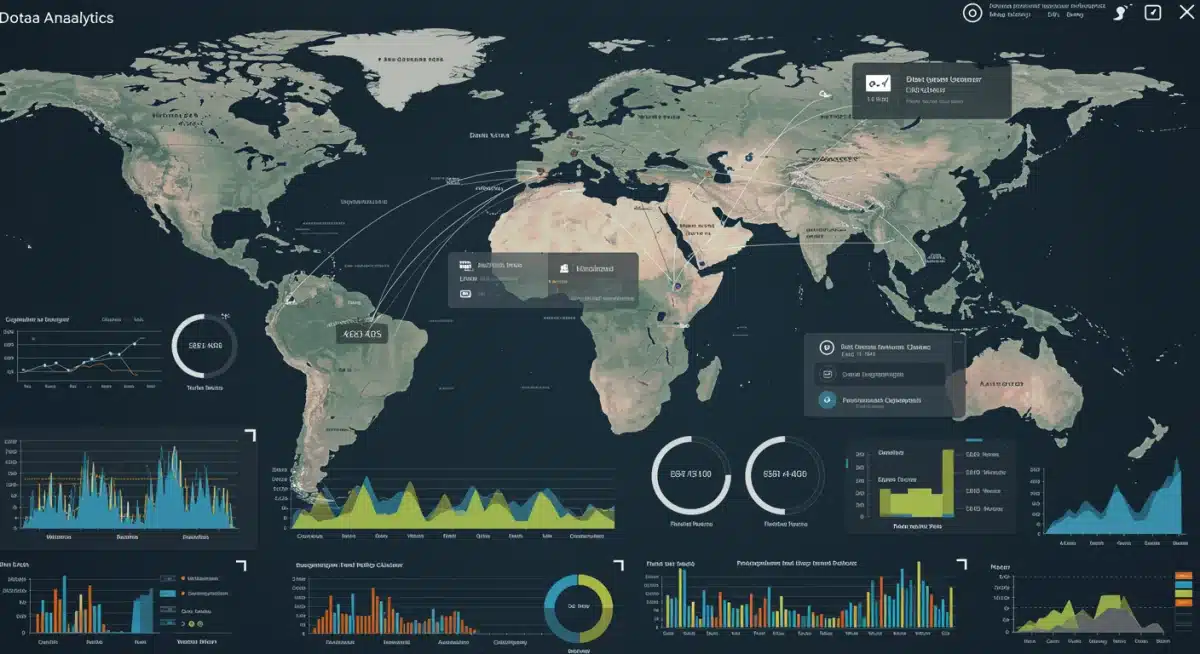
The foundation of effective hyper-personalization lies in sophisticated data analytics and predictive modeling. Travel companies must move beyond collecting basic customer information to analyzing complex behavioral patterns, preferences, and intent signals. This involves integrating data from various touchpoints, including website interactions, booking history, social media engagement, and customer service interactions.
By leveraging advanced analytics tools, companies can identify micro-segments within their customer base and even predict future travel needs. For example, knowing a customer frequently travels for business during weekdays but searches for family-friendly resorts on weekends allows for tailored offers that cater to both aspects of their life. This proactive approach significantly enhances the relevance of communication and offers.
Implementing Robust Data Infrastructure
- Unified Customer Profiles: Consolidate data from all touchpoints into a single, comprehensive customer view.
- Behavioral Tracking: Monitor website navigation, search queries, and engagement with marketing materials in real-time.
- Predictive Algorithms: Utilize machine learning to forecast future travel patterns, preferred destinations, and ideal booking times.
The goal is to create a 360-degree view of each customer, allowing for truly insightful and anticipatory service. This not only improves the customer experience but also optimizes marketing spend by targeting the right message to the right person at the right time. Investing in cloud-based data platforms and data scientists will be paramount for travel companies looking to excel in this area.
Furthermore, ethical data handling and privacy compliance are non-negotiable. Building trust with customers by being transparent about data usage and ensuring robust security measures are in place is critical for long-term success. Companies that prioritize data privacy will gain a significant competitive advantage.
Strategy 2: AI-Driven Recommendation Engines
Once a robust data infrastructure is in place, the next crucial step is to deploy AI-driven recommendation engines. These engines leverage the insights gleaned from advanced data analytics to provide highly relevant and dynamic suggestions across the customer journey. From initial trip inspiration to in-destination activities, AI can tailor every interaction.
Imagine a traveler browsing for flights to a specific city. An AI engine could instantly suggest hotels within their preferred budget, restaurants catering to their dietary needs, and local attractions aligning with their interests, all based on their past travel behavior and stated preferences. This contextual relevance transforms a generic search into a curated travel planning experience.
Key Components of AI-Driven Recommendations
- Personalized Itineraries: AI can dynamically generate travel itineraries based on interests, budget, and time constraints.
- Dynamic Pricing: Offer personalized pricing and promotions based on individual booking history and perceived value.
- Content Curation: Recommend articles, videos, and guides relevant to a traveler’s upcoming destination or interests.
AI-powered chatbots and virtual assistants also play a vital role, offering instant support and personalized recommendations, further enhancing the customer experience. These tools can handle routine queries, allowing human agents to focus on more complex issues, thereby improving overall service efficiency and quality.
The continuous learning capability of AI means that recommendations become even more precise over time. Every interaction, every click, and every booking refines the AI’s understanding of an individual traveler, ensuring that the suggestions remain fresh, relevant, and compelling. This iterative improvement is a cornerstone of effective hyper-personalization.
Strategy 3: Seamless Omnichannel Engagement
Hyper-personalization is not confined to a single channel; it must extend across every touchpoint a customer has with a travel company. Seamless omnichannel engagement ensures that a personalized experience initiated on one platform can continue effortlessly on another. This means integrating websites, mobile apps, email, social media, call centers, and even in-person interactions.
For instance, if a customer starts planning a trip on a laptop, they should be able to pick up exactly where they left off on their mobile app. If they call customer service, the agent should have immediate access to their browsing history and preferences, avoiding the need for the customer to repeat information. This consistency builds trust and reduces friction in the customer journey.
Elements of Effective Omnichannel Strategy
- Integrated Platforms: Ensure all customer-facing platforms share data and provide a consistent user experience.
- Personalized Communication: Tailor messages and offers based on the customer’s preferred communication channels and past interactions.
- Real-time Updates: Provide timely notifications and updates via the most convenient channel for the customer.
The goal is to create a cohesive and intuitive experience, regardless of how or where the customer chooses to interact. This level of integration requires a significant investment in technology and a shift in organizational mindset, breaking down departmental silos to ensure a unified approach to customer engagement.
Ultimately, a successful omnichannel strategy empowers customers to engage on their terms, enhancing convenience and satisfaction. By providing a truly connected experience, travel companies can deepen relationships and foster enduring loyalty, making hyper-personalization a tangible reality for every traveler.
Overcoming Challenges in Hyper-Personalization Implementation
While the benefits of hyper-personalization are clear, implementing these strategies is not without its challenges. Data privacy concerns, technological complexities, and the need for skilled personnel are significant hurdles. However, addressing these challenges head-on is crucial for successful adoption and long-term gains.
One of the primary concerns is ensuring data security and compliance with regulations like GDPR and CCPA. Travel companies must invest in robust cybersecurity measures and transparent data governance policies. Communicating these efforts to customers builds trust and allays fears about personal information misuse.
Common Implementation Hurdles
- Data Silos: Breaking down internal barriers to create a unified data view is often complex.
- Technological Investment: Requires significant upfront investment in AI, machine learning, and data analytics platforms.
- Talent Gap: Shortage of skilled data scientists and AI specialists can hinder progress.
Another challenge is the integration of disparate systems. Many legacy travel systems were not built with hyper-personalization in mind, making seamless data flow difficult. Companies may need to consider API-first approaches or invest in modern CRM and marketing automation platforms that can integrate various data sources.
Furthermore, the human element cannot be overlooked. Employees need to be trained on new technologies and processes, and the company culture must embrace a customer-centric, data-driven approach. Change management is a critical component of successful hyper-personalization implementation.
Despite these challenges, the competitive landscape of the travel industry dictates that companies must adapt. Those that successfully navigate these hurdles will emerge as leaders, offering unparalleled customer experiences and cultivating a fiercely loyal customer base.
Measuring Success and Continuous Improvement
Implementing hyper-personalization strategies is an ongoing process that requires continuous measurement, analysis, and refinement. Simply deploying new technologies is not enough; travel companies must establish clear metrics to track the effectiveness of their personalization efforts and be prepared to iterate based on performance data.
Key performance indicators (KPIs) might include customer lifetime value, repeat booking rates, conversion rates, average order value, and customer satisfaction scores (CSAT or NPS). By regularly monitoring these metrics, companies can identify what’s working well and where adjustments are needed.
Key Metrics for Evaluating Hyper-Personalization
- Customer Lifetime Value (CLTV): Measures the total revenue a customer is expected to generate over their relationship with the company.
- Repeat Booking Rate: Indicates how often customers return for subsequent bookings.
- Conversion Rate: Tracks the percentage of personalized offers that lead to a booking or desired action.
- Customer Satisfaction Scores: Gauges overall customer happiness with personalized experiences.
A/B testing is another powerful tool for optimization. By testing different personalized recommendations, messaging, or channel strategies, companies can scientifically determine which approaches yield the best results. This iterative testing ensures that personalization efforts are always evolving and improving.
Feedback loops are also essential. Actively soliciting customer feedback through surveys, reviews, and direct interactions provides invaluable qualitative data that complements quantitative metrics. This holistic approach ensures that hyper-personalization remains truly customer-centric and responsive to evolving needs.
Ultimately, the journey of hyper-personalization is about creating a dynamic and responsive relationship with each customer. By continuously measuring success and embracing a culture of improvement, travel companies can ensure their personalization strategies remain effective and continue to drive unparalleled customer loyalty.
| Key Strategy | Brief Description |
|---|---|
| Advanced Data Analytics | Leveraging diverse data sources and predictive modeling to understand individual traveler behavior and anticipate needs. |
| AI-Driven Recommendations | Utilizing artificial intelligence to deliver highly relevant and dynamic suggestions for itineraries, pricing, and content. |
| Seamless Omnichannel Engagement | Ensuring a consistent and personalized customer experience across all digital and physical touchpoints. |
Frequently Asked Questions About Hyper-Personalization in Travel
Hyper-personalization in travel involves using real-time data, AI, and machine learning to deliver highly customized and contextually relevant experiences to individual travelers. It anticipates needs, offers bespoke recommendations, and fosters deeper customer engagement beyond basic personalization efforts.
It enhances customer satisfaction by making travelers feel understood and valued, leading to increased repeat bookings and stronger brand advocacy. By tailoring every interaction, companies build emotional connections, which are vital for long-term loyalty in a competitive market.
Effective hyper-personalization requires a comprehensive view of customer data, including past booking history, browsing behavior, stated preferences, social media engagement, and real-time location. This diverse data enables accurate predictive modeling and relevant recommendations.
Key challenges include data privacy concerns, the complexity of integrating disparate technological systems, and a talent gap for data scientists and AI specialists. Overcoming these requires significant investment in technology, robust security, and transparent data governance policies.
Success can be measured through various KPIs such as customer lifetime value (CLTV), repeat booking rates, conversion rates for personalized offers, and customer satisfaction scores (CSAT/NPS). Continuous A/B testing and customer feedback loops are also crucial for ongoing optimization.
Conclusion
The journey towards hyper-personalization is transformative for the travel industry. By embracing advanced data analytics, AI-driven recommendation engines, and seamless omnichannel engagement, travel companies can not only meet but exceed customer expectations. These strategies are pivotal for fostering deep customer loyalty and securing a competitive edge by mid-2025. The future of travel is undeniably personal, and those who adapt will lead the way.