The Slow Travel Revolution: Why US Tourists Are Embracing Longer Stays
The travel landscape is undergoing a profound transformation. Gone are the days when a whirlwind tour of multiple cities in a single week was the aspirational ideal for every vacationer. A new movement, dubbed the slow travel revolution, is rapidly gaining traction, particularly among US tourists. This isn’t just a fleeting trend; it’s a fundamental shift in how people approach their leisure time abroad. By 2026, it’s projected that a remarkable 35% of US tourists will opt for longer, more immersive stays in single destinations. This seismic change is driven by a desire for deeper cultural connections, authentic experiences, and a more sustainable way of exploring the world. Let’s delve into the heart of this revolution, exploring its origins, its compelling benefits, and what it means for the future of tourism.
Understanding the Slow Travel Revolution
At its core, the slow travel revolution is a philosophy that encourages travelers to immerse themselves fully in a destination, rather than rushing through a checklist of sights. It’s about quality over quantity, depth over breadth. Instead of hopping from one city to the next every few days, slow travelers choose to spend weeks, or even months, in a single location. This allows them to truly understand the local culture, connect with residents, and experience daily life in a way that’s simply not possible with a fast-paced itinerary.
The concept isn’t entirely new; it draws inspiration from the broader ‘slow movement’ that emerged in Italy in the 1980s with the ‘slow food’ initiative. This movement advocated for a return to traditional, quality-focused practices in various aspects of life, from food consumption to urban planning. In travel, this translates to a deliberate pace, mindful engagement, and a rejection of the hurried, often superficial, nature of conventional tourism.
For US tourists, the allure of the slow travel revolution lies in its promise of authenticity. After years of being bombarded with curated, Instagram-perfect travel experiences, many are seeking something more genuine. They want to sit in local cafes, learn a few phrases of the native language, explore off-the-beaten-path neighborhoods, and truly feel like a temporary local. This desire for genuine connection is a powerful motivator driving the projected increase in longer stays.
Furthermore, the pandemic played a significant role in accelerating this trend. With travel restrictions and uncertainties, many people were forced to reconsider their travel habits. The idea of spending extended periods in one place, working remotely, and truly settling in became not just a necessity but a desirable option. This period of reflection allowed travelers to appreciate the value of deeper engagement and less frantic exploration, solidifying the foundations of the slow travel revolution.
The Compelling Benefits of Longer Stays
Why are an increasing number of US tourists gravitating towards the slow travel revolution and its emphasis on extended stays? The benefits are multifaceted and deeply rewarding, offering an enriching travel experience that goes far beyond a typical vacation.
Deeper Cultural Immersion
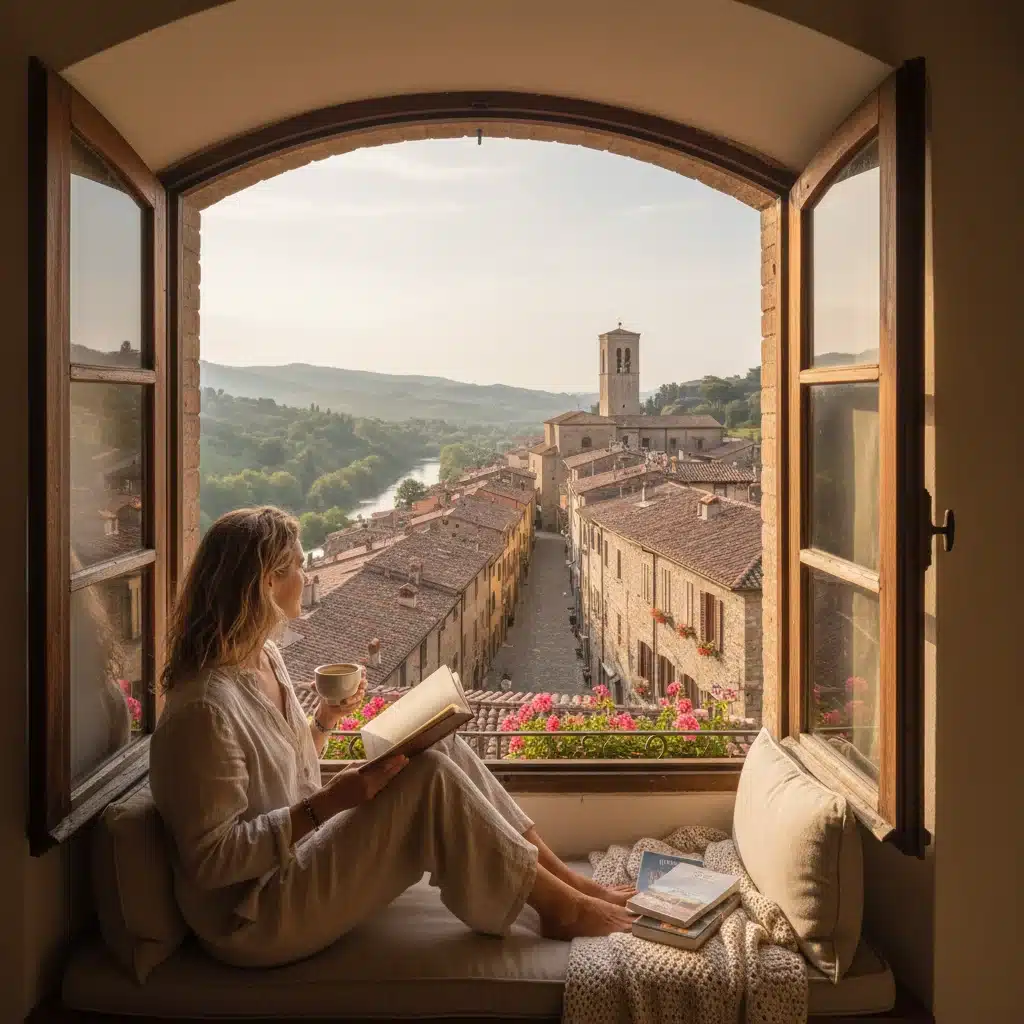
One of the most significant advantages of slow travel is the unparalleled opportunity for cultural immersion. When you spend weeks in a destination, you move beyond the surface-level attractions and begin to understand the nuances of local life. You learn the rhythms of the city or town, discover hidden gems known only to locals, and engage in more meaningful interactions. This could involve frequenting the same local market, striking up conversations with shopkeepers, or even participating in community events. This deep dive fosters a sense of belonging and a richer understanding of the world.
Reduced Stress and Enhanced Relaxation
The constant rush of traditional tourism often leads to stress and exhaustion. The pressure to see everything, adhere to strict schedules, and navigate unfamiliar environments quickly can diminish the joy of travel. The slow travel revolution offers a refreshing alternative. By eliminating the need to constantly pack and unpack, or to rush from one landmark to another, travelers can truly relax and enjoy their surroundings. There’s time for leisurely mornings, spontaneous explorations, and simply soaking in the atmosphere without feeling rushed. This relaxed pace contributes significantly to overall well-being.
Cost-Effectiveness and Sustainability
While it might seem counterintuitive, longer stays can often be more cost-effective in the long run. Accommodation costs per night tend to decrease significantly for extended bookings (weekly or monthly rentals often offer substantial discounts compared to nightly rates). Additionally, travelers can save money on transportation by not constantly moving between locations. Eating like a local, by cooking some meals and frequenting local eateries, also tends to be more budget-friendly than dining out in tourist traps every day. From a sustainability perspective, fewer flights and less frantic movement reduce one’s carbon footprint, aligning perfectly with the ethos of the slow travel revolution.
Personal Growth and Self-Discovery
Extended periods in a new environment, away from the routines and comforts of home, can be incredibly transformative. Slow travel encourages introspection and self-discovery. It provides the space and time to reflect, learn new skills, or simply reconnect with oneself. Whether it’s mastering a new language, taking up a local craft, or simply observing the world around you, these experiences contribute to personal growth and a broader perspective.
The Driving Forces Behind the Shift
Several interconnected factors are fueling the momentum of the slow travel revolution among US tourists. Understanding these drivers is key to comprehending the longevity and significance of this trend.
The Rise of Remote Work
Perhaps one of the most impactful catalysts has been the widespread adoption of remote work. The pandemic normalized working from anywhere, freeing many professionals from the confines of a traditional office. This newfound flexibility allows individuals to combine work and travel, extending their stays in attractive destinations without sacrificing their careers. Digital nomads and ‘workationers’ are now a significant segment of the travel market, actively seeking destinations that offer good internet connectivity, comfortable long-term rentals, and a vibrant local scene. This integration of work and travel is a cornerstone of the slow travel revolution.
Increased Awareness of Overtourism and Sustainability
There’s a growing global awareness of the negative impacts of overtourism, including environmental degradation, strain on local infrastructure, and the erosion of authentic cultural experiences. Travelers, particularly younger generations, are becoming more conscious of their ecological footprint and the social responsibility associated with tourism. The slow travel revolution offers a more sustainable alternative by encouraging deeper engagement with local communities, supporting local businesses, and minimizing the environmental impact of frequent, short-haul trips. This ethical dimension resonates deeply with a growing segment of travelers.
Desire for Authentic Experiences
The proliferation of social media and travel blogs, while inspiring, has also led to a certain homogenization of travel experiences. Many popular destinations feel increasingly commercialized and geared towards mass tourism. In response, travelers are actively seeking authentic, unfiltered experiences. They want to escape the tourist traps and connect with the true essence of a place. Slow travel facilitates this by allowing ample time to explore beyond the guidebooks, discover local hangouts, and participate in everyday life. This quest for authenticity is a powerful magnet pulling travelers towards the slow travel revolution.
Technological Advancements in Accommodation and Connectivity
The growth of platforms like Airbnb and other vacation rental sites has made long-term accommodation more accessible and affordable than ever before. Travelers can now find comfortable, fully equipped homes that serve as a base for extended stays, offering a more localized experience than traditional hotels. Furthermore, improved global connectivity, with reliable internet access in many remote locations, empowers remote workers and facilitates seamless communication, making long-term travel more practical and enjoyable.
Planning Your Slow Travel Adventure
Embracing the slow travel revolution requires a shift in mindset and a slightly different approach to planning. Here’s how you can embark on your own immersive journey:
Choose Your Destination Wisely
Select a destination that genuinely interests you and where you envision yourself comfortably living for an extended period. Consider factors like climate, cost of living, language barriers, and the availability of activities that align with your interests. Do you want to learn to surf, study a new language, or explore ancient ruins? Your chosen destination should offer ample opportunities for deep engagement.
Secure Long-Term Accommodation
Look for weekly or monthly rental options through platforms like Airbnb, HomeAway, or local rental agencies. These often come with fully equipped kitchens, laundry facilities, and more space, making them ideal for longer stays. Consider staying in a residential neighborhood rather than a purely touristy area to get a more authentic feel for local life.
Embrace Local Transportation
Instead of relying on taxis or ride-sharing apps, utilize public transportation like buses, trains, or even bicycles. This not only saves money but also provides a more intimate understanding of the destination and its daily rhythms. Walking is also a fantastic way to discover hidden corners and appreciate the local architecture and atmosphere.
Learn Basic Local Phrases
Even a few words in the local language can significantly enhance your experience and help you connect with residents. It shows respect and opens doors to more meaningful interactions. Apps like Duolingo or Babbel can be great resources for learning basic conversational phrases before and during your trip.
Connect with the Community
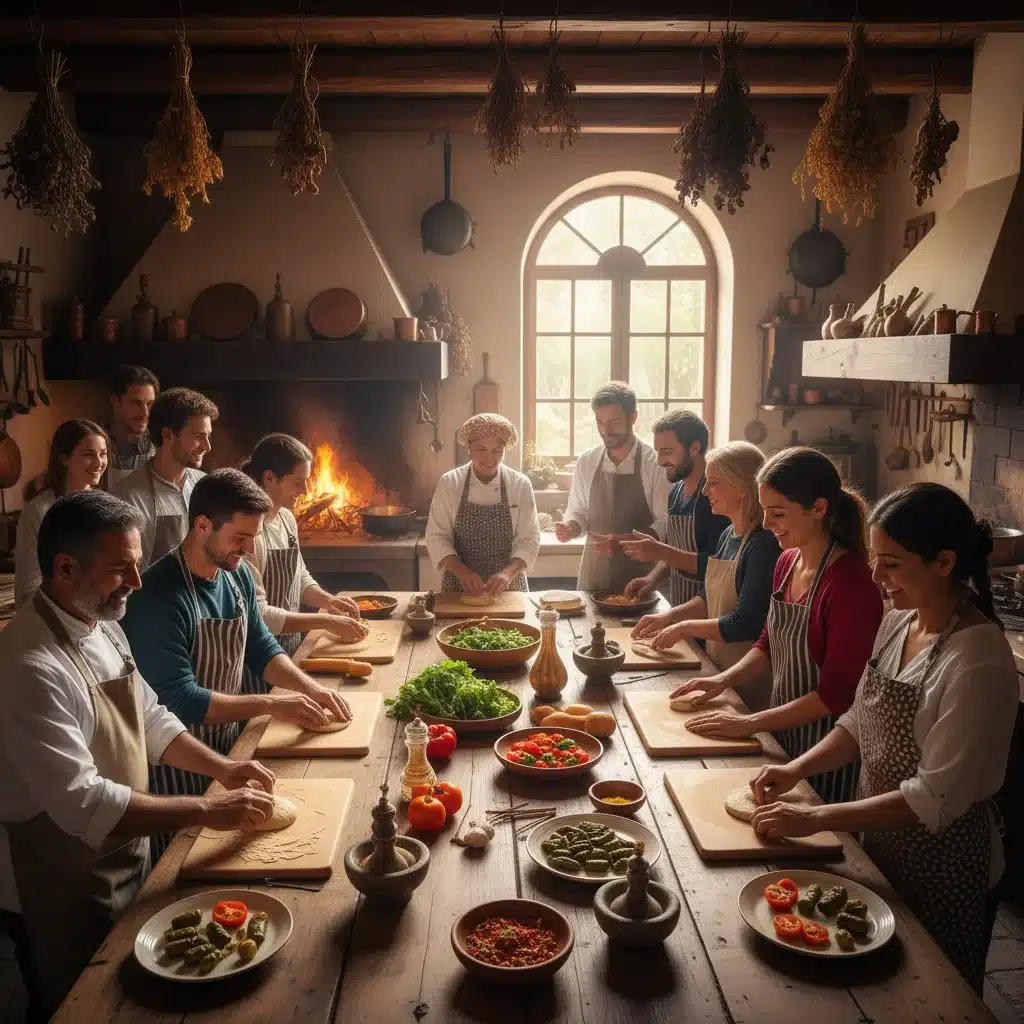
Seek out opportunities to engage with locals. This could involve taking a cooking class, joining a local club, volunteering, or simply frequenting the same cafe or market stall. Online communities and expat groups can also be valuable resources for meeting people and getting insider tips. The goal of the slow travel revolution is to become a temporary part of the community.
Be Flexible and Open-Minded
Slow travel is about embracing spontaneity and allowing yourself to be led by curiosity. Don’t over-schedule your days. Leave room for unexpected discoveries, chance encounters, and simply observing the world around you. Be open to new experiences, even if they’re outside your comfort zone, as these are often the most memorable.
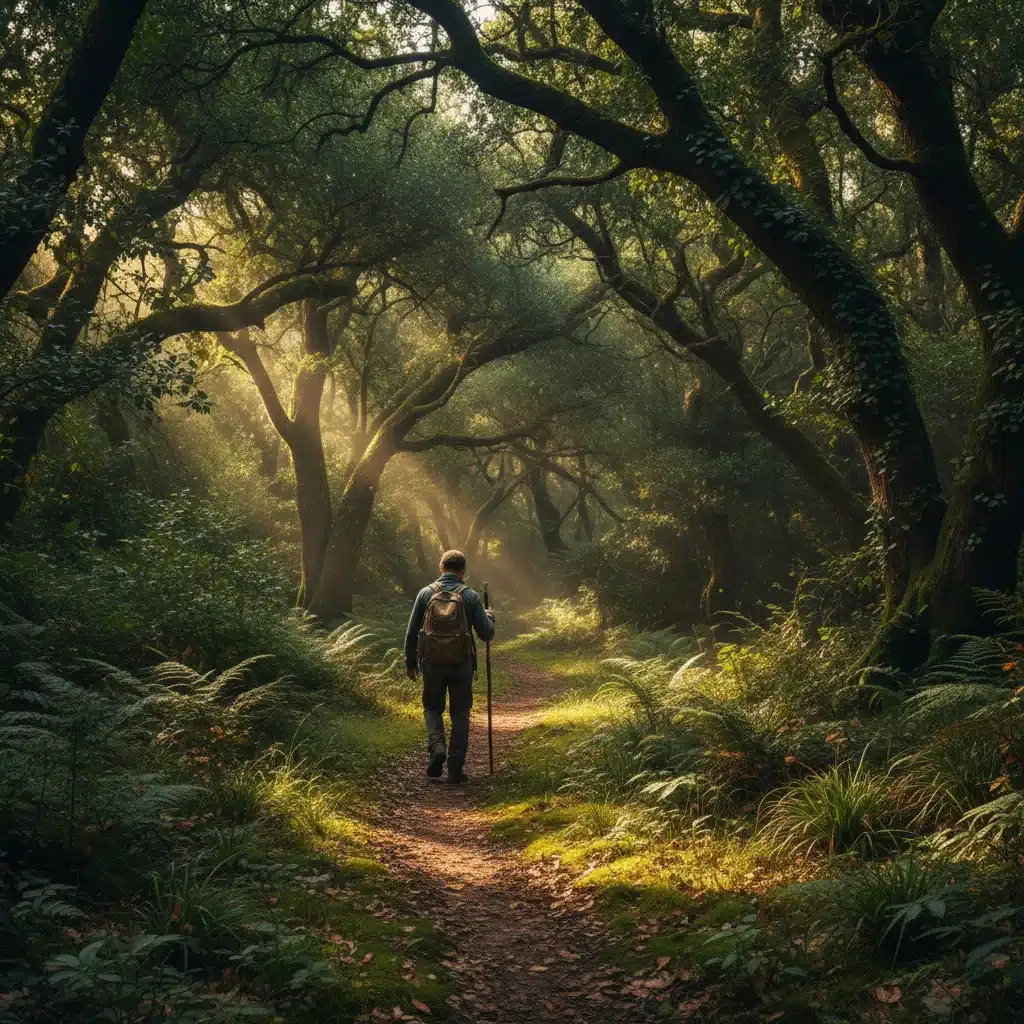
The Future of Travel: A Slower, More Meaningful Journey
The projection that 35% of US tourists will opt for longer stays in single destinations by 2026 is a testament to the enduring appeal and growing influence of the slow travel revolution. This isn’t merely a niche market; it’s a significant shift that will reshape the tourism industry. Destinations that can cater to the needs of slow travelers – offering authentic experiences, sustainable practices, and comfortable long-term accommodation options – will be well-positioned for future success.
For travelers, this evolution promises more rewarding and enriching journeys. It’s an invitation to step off the hamster wheel of hurried itineraries and embrace a more intentional, mindful way of exploring the world. The benefits extend beyond the individual, contributing to more sustainable tourism practices, fostering deeper cross-cultural understanding, and supporting local economies in a more meaningful way.
The slow travel revolution represents a maturation of the travel experience, moving beyond mere sightseeing to genuine engagement and immersion. As more US tourists discover the profound joys of settling into a destination, building temporary roots, and living like a local, the future of travel will undoubtedly be slower, more authentic, and infinitely more fulfilling. It’s time to trade the rushed checklist for a deeper dive, and embrace the transformative power of extended stays.
Embracing the Local Lifestyle
One of the most enriching aspects of participating in the slow travel revolution is the opportunity to truly embrace the local lifestyle. This means more than just visiting attractions; it means adopting the pace, customs, and daily routines of your chosen destination. Imagine starting your day with a coffee at the same small café where locals gather, exchanging smiles with the barista, and observing the morning hustle and bustle. Instead of dining exclusively in tourist-oriented restaurants, you might frequent local markets, experiment with cooking regional dishes in your rental kitchen, or discover hidden eateries favored by residents. This active participation in local life not only enhances your understanding of the culture but also allows you to contribute directly to the local economy, supporting small businesses and artisans rather than large, international chains. This authentic engagement is a cornerstone of the slow travel revolution.
Sustainable and Responsible Tourism
The ethical considerations of travel are becoming increasingly important for many US tourists, and the slow travel revolution naturally aligns with principles of sustainable and responsible tourism. By staying longer in one place, travelers reduce their carbon footprint associated with frequent flights and long-distance transportation. They also have the opportunity to make more conscious choices about their consumption habits, opting for locally sourced products, supporting eco-friendly businesses, and minimizing waste. Engaging with local communities over an extended period fosters a sense of responsibility towards the environment and culture of the host destination. Slow travelers are more likely to participate in conservation efforts, respect local customs, and leave a positive impact, rather than contributing to the pressures of overtourism. This mindful approach to travel is not just a personal preference but a vital component of a more sustainable future for the global tourism industry. The slow travel revolution is, in many ways, a movement towards more conscious global citizenship.
Building Connections and Friendships
While fast-paced travel often leads to fleeting interactions, the extended duration of slow travel allows for the development of genuine connections and even friendships. Imagine regularly visiting the same bakery, and over time, building a rapport with the owner. Or perhaps joining a local fitness class, a language exchange group, or a community event, leading to meaningful interactions with residents. These connections go beyond transactional exchanges; they offer insights into local perspectives, traditions, and daily challenges. For many US tourists, the ability to forge these personal bonds is a profound and lasting reward of the slow travel revolution, transforming a trip into a rich, human experience. These relationships often become the most cherished memories, far surpassing any single landmark or attraction.
Uncovering Hidden Gems and Local Secrets
When you have the luxury of time, you can venture beyond the well-trodden tourist paths. The slow travel revolution empowers travelers to uncover the hidden gems and local secrets that guidebooks often miss. This might involve stumbling upon a charming, secluded park, discovering a fantastic hole-in-the-wall restaurant known only to locals, or finding a unique artisan’s workshop down a narrow alleyway. These discoveries are often the most memorable and contribute to a feeling of truly ‘knowing’ a place. Locals are also more likely to share their favorite spots and recommendations with someone who shows genuine interest and spends time in their community. This deeper exploration is a hallmark of the slow travel revolution, offering a more authentic and rewarding adventure than any rushed itinerary could provide.
The Psychological Benefits of a Slower Pace
Beyond the cultural and practical advantages, the slow travel revolution offers significant psychological benefits. In an increasingly fast-paced and demanding world, the opportunity to slow down, disconnect from constant urgency, and simply ‘be’ in a new environment is invaluable. This deliberate pace reduces mental clutter, fosters mindfulness, and allows for greater appreciation of the small, everyday moments. The absence of a rigid schedule reduces anxiety and fosters a sense of freedom. Many slow travelers report feeling more rejuvenated, less stressed, and more connected to themselves and their surroundings. This mental and emotional well-being is a powerful draw for those seeking a more profound and restorative travel experience, making the slow travel revolution not just a way to see the world, but a way to re-center oneself.