TSA PreCheck 2026: Navigating the Enrollment Surge for Faster Airport Security
TSA PreCheck 2026: Navigating the Enrollment Surge for Faster Airport Security
As we set our sights on 2026, the landscape of air travel continues to evolve, with increasing passenger volumes and a persistent demand for efficiency. One program that has become indispensable for frequent flyers is TSA PreCheck. However, with its growing popularity, travelers need to be acutely aware of a predicted TSA PreCheck enrollment surge that could significantly impact application and renewal times. Understanding how to navigate this surge is paramount to maintaining your expedited airport security experience.
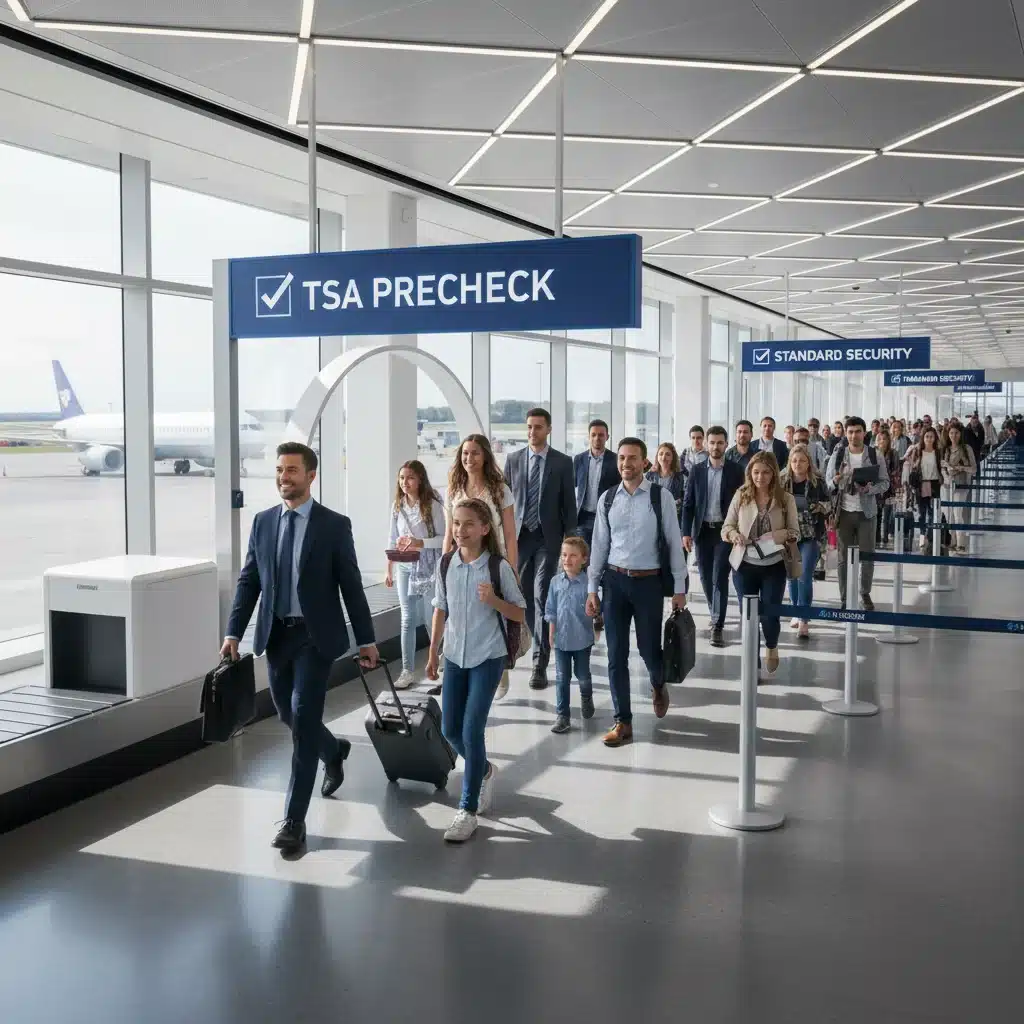
TSA PreCheck, a program designed to provide expedited security screening for low-risk travelers, has revolutionized the airport experience for millions. Instead of removing shoes, belts, 3-1-1 liquids, laptops, and light jackets, PreCheck members enjoy a streamlined process, often moving through security checkpoints in minutes. This convenience is a major draw, and as more people discover its benefits, the program’s enrollment figures are skyrocketing. The year 2026 is poised to be a pivotal moment, with an anticipated influx of new applications and renewals.
Why the Predicted TSA PreCheck Enrollment Surge in 2026?
Several factors contribute to the expected TSA PreCheck enrollment surge in 2026. Firstly, the post-pandemic travel rebound has been robust, with passenger numbers steadily climbing back to and exceeding pre-2020 levels. As more people return to air travel, the desire for a smoother, less stressful airport experience becomes a priority. The memories of long security lines during peak travel seasons are a powerful motivator for travelers to seek out programs like TSA PreCheck.
Secondly, the initial wave of TSA PreCheck enrollments, which began in earnest in the mid-2010s, will see a significant number of renewals come due around 2026. TSA PreCheck memberships are valid for five years. This means that many individuals who enrolled between 2020 and 2021, perhaps as travel began to normalize or as they planned future trips, will be approaching their renewal deadlines. This wave of renewals, combined with a steady stream of new applicants, is expected to create a bottleneck in the system.
Thirdly, increased awareness and marketing efforts by airlines, airports, and even the TSA itself have played a crucial role in popularizing the program. Many credit card companies and travel rewards programs also offer TSA PreCheck enrollment or reimbursement as a perk, further incentivizing enrollment. As travel becomes more accessible and frequent for a broader demographic, the perceived value of expedited security only grows.
Finally, the general trend towards efficiency and personalization in consumer services extends to travel. Travelers are increasingly willing to invest in services that save them time and reduce friction. TSA PreCheck perfectly aligns with this modern traveler’s mindset, offering a tangible benefit that directly enhances their journey. The ease of application, coupled with the clear advantages at the airport, makes it an attractive proposition for anyone who flies regularly.
Understanding the TSA PreCheck Application Process
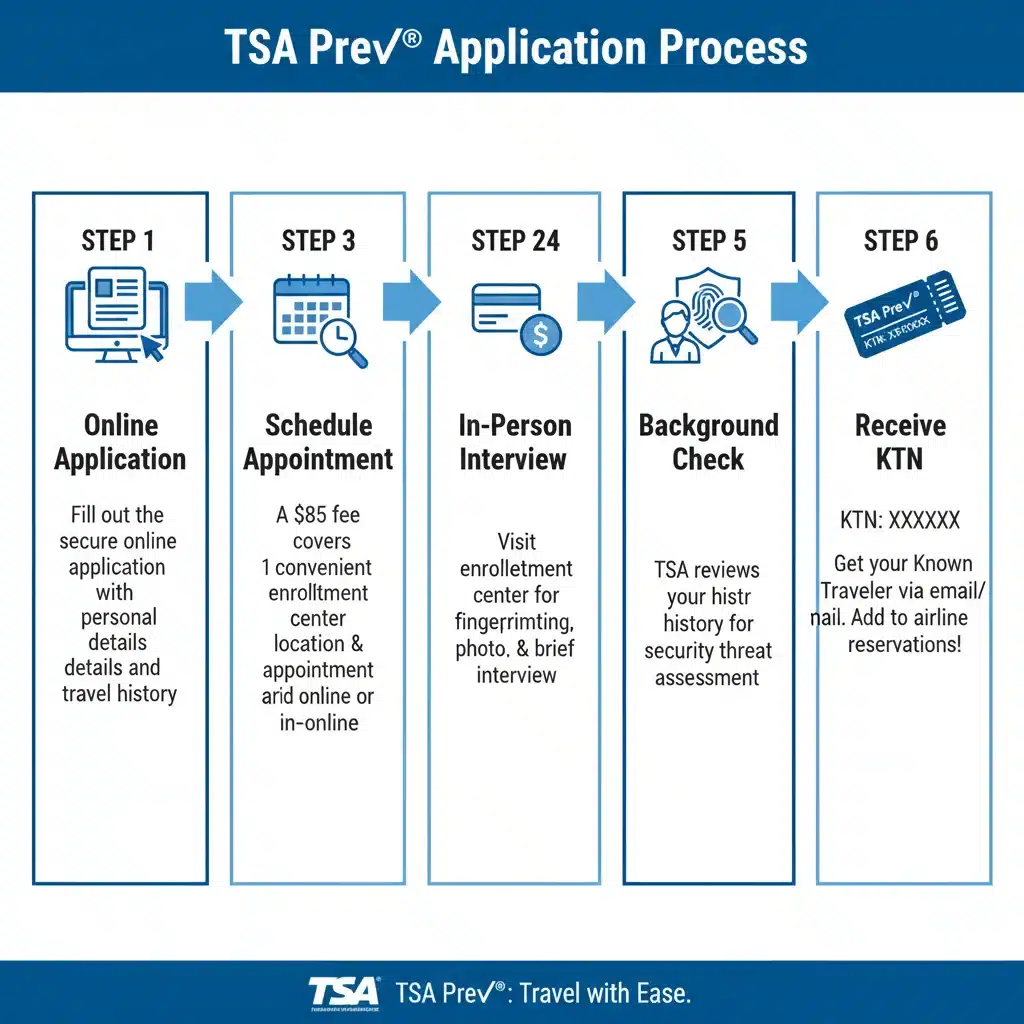
For those considering enrolling in TSA PreCheck for the first time, or those needing to renew, understanding the process is crucial, especially with the anticipated surge. The process generally involves a few key steps:
- Online Application: The journey begins with an online application through the official TSA PreCheck website. This form requires personal information, contact details, and a declaration of eligibility. It’s essential to complete this accurately to avoid delays.
- Scheduling an Appointment: Once the online application is submitted, you’ll need to schedule an in-person appointment at one of the enrollment centers. These centers are typically located at airports or other convenient locations. During your appointment, you’ll provide fingerprints and verify your identity with valid documentation.
- In-Person Interview: At the enrollment center, a brief interview will be conducted. This is primarily to confirm your identity and collect biometric data. You will need to bring your government-issued photo ID (e.g., driver’s license) and proof of U.S. citizenship or lawful permanent residency (e.g., passport, birth certificate, green card).
- Background Check: After the in-person appointment, the TSA conducts a thorough background check. This process screens applicants for any disqualifying criminal offenses or other security concerns.
- Receiving Your Known Traveler Number (KTN): If approved, you will receive a Known Traveler Number (KTN) via email or postal mail within a few days to a few weeks. This KTN is what you’ll use when booking flights to ensure you receive TSA PreCheck benefits.
With the TSA PreCheck enrollment surge expected in 2026, it’s highly advisable to begin this process well in advance of any planned travel. Appointment availability might become scarce, and processing times could extend. Proactivity will be your best friend.
Renewing Your TSA PreCheck Membership for 2026 Travel
For current TSA PreCheck members whose memberships are set to expire around 2026, the renewal process is slightly different but equally important to manage proactively. The good news is that for most individuals, renewal can be completed entirely online, without the need for another in-person appointment.
- Check Your Expiration Date: The first step is to know your KTN expiration date. You can typically find this on your approval letter or by checking the TSA PreCheck website with your KTN and personal information.
- Online Renewal: Approximately six months before your expiration date, the TSA will typically send you a notification that it’s time to renew. You can then log in to the TSA PreCheck website and complete the online renewal application. This usually involves updating any personal information and paying the renewal fee.
- Background Check: A background check will be conducted as part of the renewal process, similar to the initial application.
- Confirmation of Renewal: Once approved, you’ll receive confirmation that your TSA PreCheck membership has been renewed, and your KTN will remain active for another five years.
It’s crucial to initiate the renewal process before your current membership expires. While there’s a grace period for some programs, it’s best not to rely on it, especially with the anticipated TSA PreCheck enrollment surge. Renewing early ensures uninterrupted access to expedited screening.
Strategies to Navigate the 2026 Enrollment Surge
The impending TSA PreCheck enrollment surge in 2026 demands a strategic approach from both new applicants and those needing to renew. Here are some actionable tips:
- Apply or Renew Early: This is arguably the most critical piece of advice. Do not wait until the last minute. If you’re a new applicant, aim to complete the process at least 3-6 months before your first planned trip where you’d want to use PreCheck. For renewals, start the online process as soon as you receive the notification, or at least 6-9 months before your expiration date.
- Be Flexible with Appointment Times and Locations: If you need an in-person appointment, be prepared to travel to a slightly less convenient enrollment center or choose less popular appointment times (e.g., mid-week, mid-morning). Checking appointment availability frequently can also reveal new slots.
- Gather Documents in Advance: Ensure you have all necessary identification and proof of citizenship/residency documents readily available before starting your application or attending your appointment. Missing documents are a common cause of delays.
- Double-Check All Information: Mistakes on the application form, no matter how small, can lead to processing delays. Carefully review all submitted information for accuracy.
- Consider Global Entry or NEXUS: If you travel internationally, consider applying for Global Entry instead of just TSA PreCheck. Global Entry includes TSA PreCheck benefits and expedites customs clearance upon re-entry into the U.S. While the application process is more involved (including a mandatory in-person interview), it offers broader benefits. NEXUS is another option for frequent travelers between the U.S. and Canada, also including PreCheck benefits. These programs might have different processing queues, potentially offering an alternative during a PreCheck-specific surge.
- Monitor TSA Communications: Stay informed by checking the official TSA website and their social media channels for any updates regarding processing times or changes to the application/renewal process.
- Understand Payment Options and Reimbursements: Many premium credit cards offer a statement credit for the application fee of TSA PreCheck or Global Entry. Check your card benefits to see if you qualify. This can make the program even more appealing.
By following these strategies, you can significantly mitigate the potential impact of the TSA PreCheck enrollment surge and ensure your travel plans remain as smooth as possible.
The Benefits of TSA PreCheck Beyond Speed
While the primary allure of TSA PreCheck is undoubtedly the expedited security line, the benefits extend beyond mere speed, especially when considering the potential for increased airport congestion in 2026:
- Reduced Stress: Knowing you can bypass the longest lines and avoid the hassle of disrobing or unpacking electronics significantly reduces pre-flight anxiety. This is a huge psychological benefit, allowing you to start your trip more relaxed.
- Predictability: With TSA PreCheck, security wait times become much more predictable. This allows travelers to better plan their arrival at the airport, potentially cutting down on unnecessary wait times or frantic rushes.
- Consistency: The PreCheck experience is generally consistent across participating airports, offering a familiar and efficient process wherever you fly.
- Family Friendly: Children aged 12 and under traveling with an eligible parent or guardian with a KTN can also use the TSA PreCheck lane, making family travel considerably easier.
- Enhanced Security Focus: By allowing low-risk travelers to move through faster, TSA agents can dedicate more resources and attention to individuals who require more thorough screening, ultimately enhancing overall airport security.
These combined advantages make TSA PreCheck a valuable investment for frequent flyers, and its benefits will only become more pronounced during periods of high demand, such as the anticipated TSA PreCheck enrollment surge in 2026.
What to Expect at the Airport with TSA PreCheck in 2026
Even with a renewed or newly acquired TSA PreCheck membership, it’s important to set realistic expectations for your airport experience in 2026. While PreCheck guarantees a faster process, it’s not immune to all delays:
- Still Arrive Early: While PreCheck saves time, unforeseen circumstances like traffic, parking issues, or airline check-in delays can still impact your schedule. Always aim to arrive at the airport with ample time, especially during peak travel seasons.
- Not All Checkpoints are Equal: While most major airports have dedicated PreCheck lanes, smaller airports or specific terminals might have combined lanes or more limited PreCheck availability. Always check airport information before you go.
- TSA Can Still Select for Random Screening: Being a PreCheck member does not exempt you from random additional screening. While rare, the TSA has the authority to direct any passenger to standard screening for security reasons.
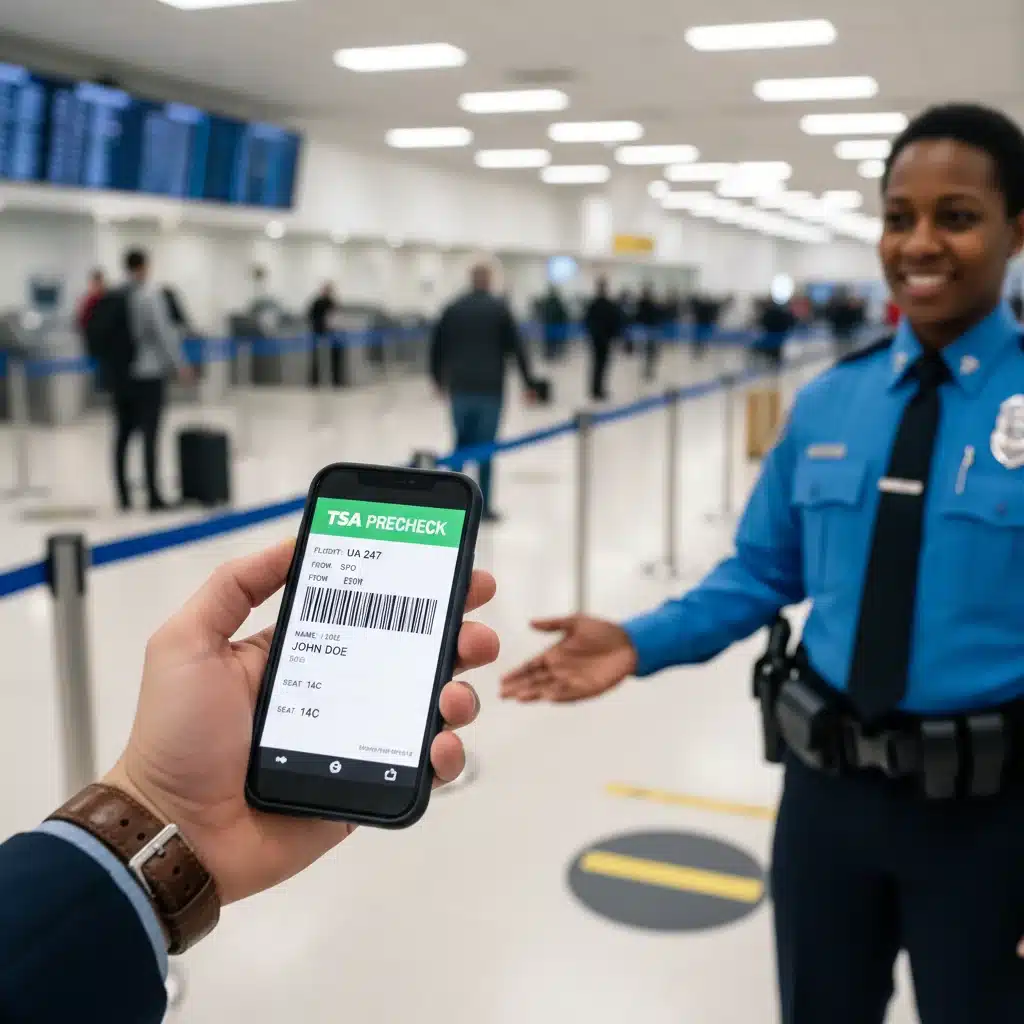
- Verify KTN on Boarding Pass: Always ensure your KTN is correctly entered into your flight reservation and that the “TSA PRE” indicator appears on your boarding pass. Without it, you won’t be able to use the PreCheck lane. If it’s missing, contact your airline before arriving at the airport.
- Stay Informed on TSA Guidelines: Security procedures can change. While PreCheck rules are generally stable, it’s always wise to quickly check the latest TSA guidelines before you fly, especially regarding prohibited items.
By keeping these points in mind, you can optimize your TSA PreCheck experience and avoid any surprises, ensuring a smooth journey even amidst the 2026 enrollment surge.
Alternative Expedited Security Programs
While TSA PreCheck is excellent for domestic travel, it’s worth exploring other trusted traveler programs, especially if you have an international component to your journeys or if the TSA PreCheck enrollment surge becomes too challenging:
- Global Entry: As mentioned, Global Entry is the premium option. It includes all the benefits of TSA PreCheck for domestic flights and provides expedited customs processing when entering the United States from international destinations. The application fee is slightly higher, and an in-person interview is mandatory, but for international flyers, it’s often the superior choice.
- NEXUS: Designed for frequent travelers between the U.S. and Canada, NEXUS offers expedited processing at land, air, and marine ports of entry. It also includes TSA PreCheck benefits. If your travel often takes you north of the border, NEXUS might be ideal.
- SENTRI: Similar to NEXUS but for travel between the U.S. and Mexico, SENTRI offers expedited processing at southern land border crossings and includes TSA PreCheck.
Each of these programs has its own application process, fees, and requirements. It’s important to choose the one that best fits your travel patterns. During a TSA PreCheck enrollment surge, exploring these alternatives might offer quicker processing times or provide broader benefits that justify the additional effort.
The Future of Airport Security and TSA PreCheck Post-2026
The TSA PreCheck enrollment surge in 2026 is not just a temporary blip; it’s indicative of a larger trend towards more intelligent, efficient, and personalized airport security. The Transportation Security Administration (TSA) is continuously exploring and implementing new technologies and procedures to enhance security while improving the passenger experience.
- Advanced Imaging Technology: The ongoing deployment of advanced imaging technology (AIT) and computed tomography (CT) scanners for carry-on bags aims to reduce the need for passengers to remove items from their bags, even in standard lanes.
- Biometric Screening: Biometric identification (e.g., facial recognition) is being piloted and slowly integrated into various aspects of the airport journey, from check-in to boarding. This could further streamline identity verification in the future.
- Self-Service Kiosks: The trend towards self-service options will likely continue to expand, offering travelers more control and speed in various airport processes.
- Integrated Travel Systems: The long-term vision involves a more seamless integration of traveler data and security procedures, making the entire journey more fluid.
TSA PreCheck is at the forefront of this evolution, serving as a model for how risk-based security can be implemented effectively. As technology advances and passenger volumes grow, programs like PreCheck will become even more critical in managing airport flow and maintaining security standards. The lessons learned from managing the 2026 surge will undoubtedly inform future strategies for these vital programs.
Conclusion: Be Prepared for Your 2026 Travel with TSA PreCheck
The anticipated TSA PreCheck enrollment surge in 2026 underscores the program’s immense value and the increasing demand for efficient airport security. For both new applicants and those due for renewal, proactive planning is not just recommended; it’s essential. By understanding the application and renewal processes, employing strategic tips, and being aware of what to expect, travelers can navigate this period with ease.
TSA PreCheck remains an invaluable tool for reducing stress, saving time, and enhancing the overall travel experience. As we look towards 2026 and beyond, its role in modern air travel will only grow in significance. Don’t let the surge catch you off guard. Take action now to secure or renew your TSA PreCheck membership and ensure your future journeys are as smooth and hassle-free as possible. Happy travels!