Digital Nomad Havens: Top 7 Emerging US Destinations for Remote Workers in 2026
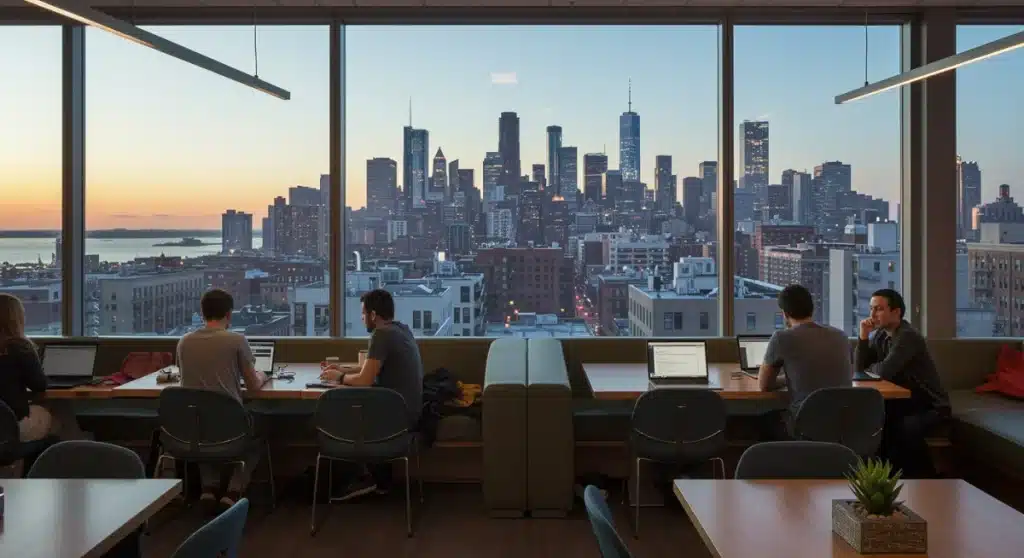
The landscape of work has undergone a seismic shift, with remote work transforming from a niche concept to a mainstream reality. As we look towards 2026, the digital nomad lifestyle continues to gain traction, offering unparalleled freedom and flexibility. While traditional hubs like Austin and Denver remain popular, a new wave of US digital nomad havens is emerging, promising a blend of affordability, vibrant communities, and robust infrastructure. For remote workers seeking their next adventure, these up-and-coming cities offer unique opportunities to thrive both professionally and personally.
The allure of the digital nomad life isn’t just about working from a beach; it’s about finding a place where your professional ambitions align with your desired quality of life. This means considering factors beyond just Wi-Fi speed. Cost of living, community engagement, access to nature, cultural attractions, and a supportive ecosystem for remote professionals all play crucial roles. As more companies embrace permanent remote or hybrid models, the demand for ideal US digital nomad havens will only intensify, making it essential to identify locations that are not just trendy, but sustainable for long-term living.
In this comprehensive guide, we delve into the top 7 emerging US destinations that are poised to become the next great US digital nomad havens by 2026. We’ll explore what makes each city stand out, from their burgeoning tech scenes and affordable housing to their unique cultural offerings and stunning natural surroundings. Whether you’re a seasoned remote worker looking for a change of scenery or considering taking the plunge into the digital nomad lifestyle, this article will provide invaluable insights to help you make an informed decision.
The Evolving Landscape of Remote Work: Why New US Digital Nomad Havens Are Crucial
The pandemic accelerated a trend that was already in motion: the decentralization of work. Companies realized that productivity doesn’t always require a physical office, and employees discovered the joys (and challenges) of working from anywhere. This shift has profound implications for urban development and individual lifestyles. No longer tethered to expensive coastal cities or traditional business districts, remote workers are actively seeking locations that offer a better work-life balance and a lower cost of living without sacrificing quality.
This quest for balance has fueled the rise of new US digital nomad havens. These cities are often characterized by a lower cost of living compared to major metropolitan areas, making salaries stretch further. They are also investing heavily in infrastructure, from high-speed internet to co-working spaces, to attract and retain this valuable demographic. Furthermore, many of these emerging destinations boast vibrant cultural scenes, easy access to outdoor activities, and a strong sense of community – all key ingredients for a fulfilling digital nomad experience.
The economic impact of digital nomads is not lost on city planners. These individuals often bring new skills, diversify local economies, and contribute to the tax base without requiring extensive public services in the same way traditional commuters might. As a result, many cities are actively rolling out incentives, grants, and marketing campaigns specifically designed to court remote workers. This competitive environment benefits digital nomads, as it means more options and better resources are becoming available across the country. Understanding these dynamics is key to identifying the next big US digital nomad haven.
Criteria for Identifying Top Digital Nomad Havens
Before diving into specific cities, it’s important to understand the criteria used to identify these emerging US digital nomad havens. Not every city is created equal, and what works for one remote worker might not work for another. However, several universal factors contribute to a city’s appeal as a digital nomad destination:
- Affordability: This is often the primary driver. We consider the cost of housing (rent and purchase), groceries, transportation, and entertainment relative to the national average. A lower cost of living allows digital nomads to save more, invest in experiences, or simply work fewer hours.
- Internet Infrastructure: Reliable, high-speed internet is non-negotiable for remote work. We look for cities with widespread fiber optic networks and competitive internet service providers.
- Co-working Spaces & Community: While some prefer working from home, dedicated co-working spaces foster community, networking opportunities, and a productive environment. The presence of a vibrant digital nomad community is also a huge plus, offering social connections and support.
- Quality of Life & Lifestyle: This encompasses a broad range of factors, including access to nature (parks, hiking, beaches), cultural attractions (museums, music, arts), diverse culinary scenes, and a general sense of safety and well-being.
- Transportation: Ease of getting around, whether by public transit, cycling, or car, is important. Proximity to an airport is also a consideration for those who travel frequently.
- Climate: While subjective, a pleasant climate can significantly enhance the digital nomad experience, especially for those seeking an escape from harsh winters or sweltering summers.
- Local Incentives: Some cities offer specific programs or grants to attract remote workers, which can be a significant draw.
By carefully evaluating these criteria, we can pinpoint cities that are not just pleasant places to visit, but sustainable and supportive environments for long-term remote living. These are the qualities that define the best US digital nomad havens.
1. Chattanooga, Tennessee: The Scenic City’s Tech Boom
Chattanooga, nestled in the Appalachian Mountains along the Tennessee River, is rapidly gaining recognition as a prime US digital nomad haven. Known as the ‘Scenic City,’ it offers an unparalleled blend of natural beauty, outdoor adventure, and a burgeoning tech scene. What truly sets Chattanooga apart is its commitment to high-speed internet, boasting ‘Gig City’ status with widespread access to gigabit fiber internet, a dream for any remote worker.
The cost of living in Chattanooga is significantly lower than national averages, particularly for housing. Rent for a one-bedroom apartment can be found for under $1,200, making it an attractive option for those looking to stretch their budget. Beyond affordability, the city has cultivated a strong sense of community, with numerous co-working spaces like The Edney Innovation Center and Society of Work, which actively foster collaboration and networking among entrepreneurs and remote professionals.
Life in Chattanooga is far from dull. Outdoor enthusiasts will revel in the endless opportunities for hiking, rock climbing, kayaking, and mountain biking, often just minutes from downtown. The city also boasts a vibrant arts and culture scene, with numerous galleries, live music venues, and a growing culinary landscape that ranges from Southern comfort food to innovative farm-to-table restaurants. Its walkable downtown, friendly atmosphere, and strategic location within a day’s drive of several major Southern cities further solidify its position as a top emerging US digital nomad haven.
2. Boise, Idaho: The Outdoorsy Oasis with Urban Appeal
Boise, the capital of Idaho, might not be the first city that comes to mind when thinking of US digital nomad havens, but it’s quickly becoming a hidden gem. Its appeal lies in its unique combination of big-city amenities and easy access to stunning wilderness. The ‘City of Trees’ offers a relaxed pace of life, a strong sense of community, and a surprisingly robust job market that’s increasingly friendly to remote workers.
The cost of living in Boise, while on the rise, remains more affordable than many comparable Western cities. Housing costs are reasonable, and the overall cost of goods and services is competitive. Internet infrastructure is solid, with various providers offering high-speed options. The city also has a growing number of co-working spaces and a supportive entrepreneurial ecosystem, drawing in talent from across the country.
Boise’s main draw, however, is its incredible access to the outdoors. The Boise River Greenbelt offers miles of scenic paths for walking and cycling, while the nearby Boise National Forest provides opportunities for hiking, skiing, and camping. The city itself boasts a lively downtown with a thriving food scene, craft breweries, and a burgeoning arts community. Its friendly locals, clean environment, and emphasis on a healthy, active lifestyle make Boise an increasingly attractive US digital nomad haven for those who love nature and crave a balanced urban experience.
3. St. Petersburg, Florida: Sunshine, Culture, and Connectivity
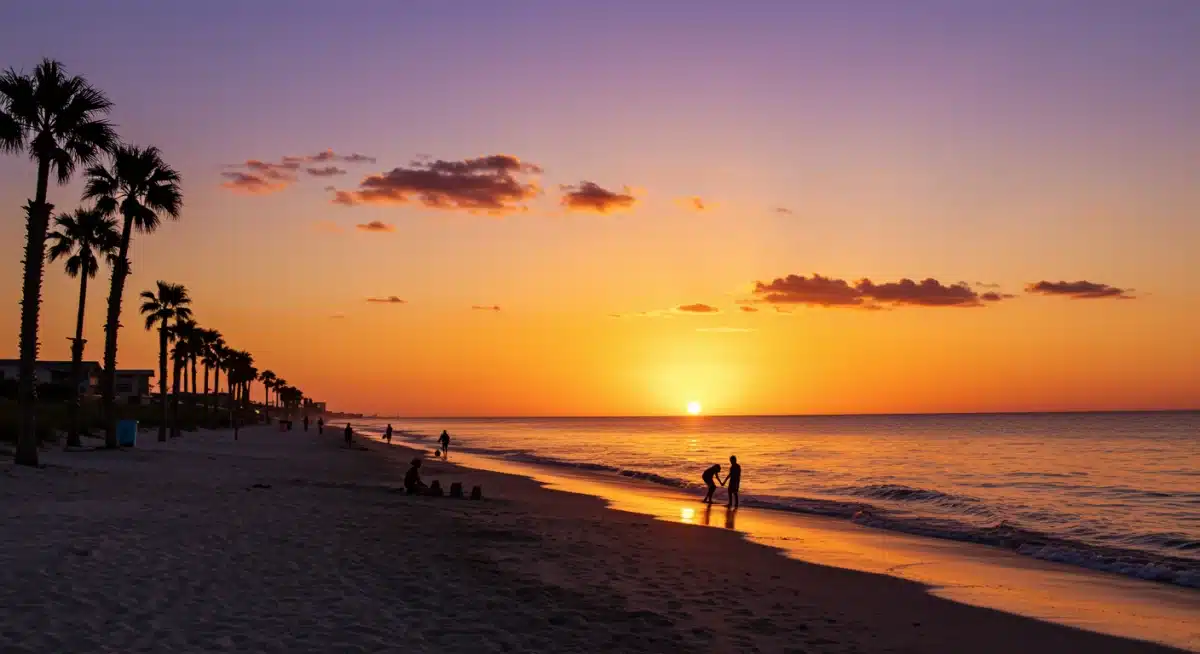
For those seeking sun-drenched beaches and a vibrant arts scene, St. Petersburg, Florida, is emerging as a compelling US digital nomad haven. Located on a peninsula between the Gulf of Mexico and Tampa Bay, ‘St. Pete’ offers a relaxed coastal lifestyle combined with a rapidly growing urban core that’s attracting a diverse mix of residents, including a significant number of remote workers.
The cost of living in St. Pete is generally lower than in South Florida, though housing prices have seen an uptick. However, the quality of life, access to world-class beaches, and a lack of state income tax often offset these costs. Internet connectivity is excellent, and the city has seen an explosion of co-working spaces, cafes with strong Wi-Fi, and meet-up groups catering to the remote work community.
St. Petersburg is particularly renowned for its thriving arts and culture scene, anchored by the Salvador Dalí Museum and a plethora of independent galleries. The city’s downtown area is highly walkable, featuring a stunning waterfront park, diverse restaurants, craft breweries, and a lively nightlife. With its beautiful weather, abundant recreational opportunities (boating, fishing, cycling), and a welcoming, progressive atmosphere, St. Petersburg is quickly solidifying its reputation as a top-tier US digital nomad haven for those who crave a dynamic coastal experience.
4. Richmond, Virginia: History Meets Modernity
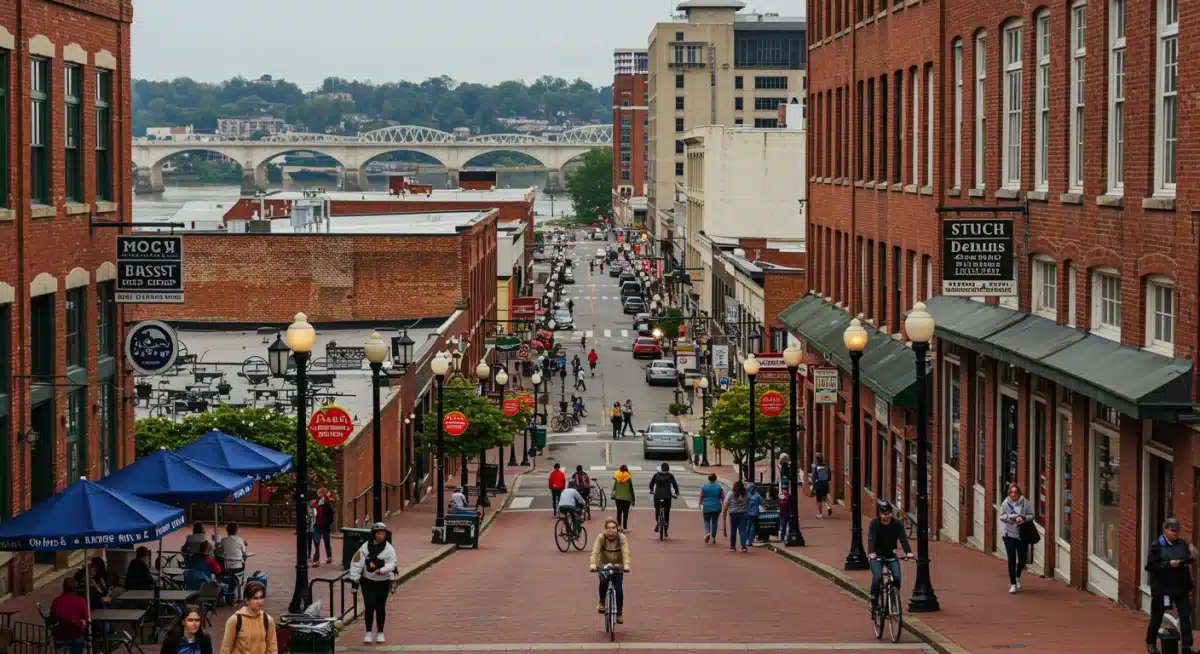
Richmond, Virginia, often overlooked in favor of its East Coast neighbors, is quietly transforming into a fantastic US digital nomad haven. This historic city, rich in American heritage, is experiencing a renaissance, blending its storied past with a vibrant, modern culture, a burgeoning food scene, and a growing appeal for remote workers.
The cost of living in Richmond is notably more affordable than in other major Mid-Atlantic cities. Housing options range from charming historic homes to modern downtown apartments, all at competitive prices. The city boasts reliable internet infrastructure and a growing number of co-working spaces and coffee shops that cater to the remote workforce, fostering a supportive environment for digital nomads.
Richmond’s cultural offerings are diverse and engaging. From its significant historical sites and museums to its thriving arts district (RVA Arts District) and acclaimed culinary scene, there’s always something to explore. The James River runs through the city, offering opportunities for kayaking, whitewater rafting, and scenic walks. Its central location, within a short drive of Washington D.C. and the Atlantic coast, adds to its appeal. For those seeking a city with character, affordability, and a strong sense of community, Richmond is a compelling US digital nomad haven.
5. Bentonville, Arkansas: Art, Nature, and Innovation
Bentonville, Arkansas, once primarily known as the headquarters of Walmart, has undergone a remarkable transformation, emerging as an unexpected yet highly attractive US digital nomad haven. This city in Northwest Arkansas has invested heavily in art, culture, and outdoor recreation, creating a unique and high-quality lifestyle that’s drawing remote workers from across the country.
The cost of living in Bentonville remains relatively low, especially compared to major tech hubs, making it an excellent value for digital nomads. The city offers robust internet connectivity and a growing number of co-working spaces and community initiatives designed to welcome and integrate new residents. The presence of a major corporate headquarters also means a sophisticated infrastructure and a forward-thinking approach to urban development.
Bentonville is home to the world-renowned Crystal Bridges Museum of American Art, which anchors a vibrant arts scene. Beyond art, the city is a mecca for outdoor enthusiasts, particularly mountain bikers, with miles of world-class trails accessible right from downtown. Its family-friendly atmosphere, excellent schools, and a strong emphasis on community events contribute to an exceptionally high quality of life. For digital nomads seeking a blend of art, nature, and a supportive, innovative environment, Bentonville is a surprisingly compelling US digital nomad haven.
6. Madison, Wisconsin: Intellectual Hub with Midwestern Charm
Madison, the capital of Wisconsin, offers a unique blend of intellectual vibrancy, Midwestern charm, and stunning natural beauty, positioning it as an increasingly popular US digital nomad haven. Home to the University of Wisconsin-Madison, the city benefits from a highly educated populace, a strong innovation ecosystem, and a lively cultural scene.
While not as inexpensive as some Southern cities, Madison’s cost of living is still more affordable than coastal tech hubs, particularly for housing. The city boasts excellent internet infrastructure, driven by its university presence and tech industry. Numerous co-working spaces, cafes, and a strong network of professionals make it easy for digital nomads to connect and collaborate.
Madison is famously situated on an isthmus between two lakes, Monona and Mendota, offering abundant opportunities for water sports, cycling, and enjoying scenic parks. The city’s food scene is diverse and celebrated, from farm-to-table restaurants to lively farmers’ markets. Its progressive politics, strong public services, and a vibrant calendar of festivals and events contribute to a high quality of life, making Madison a compelling US digital nomad haven for those who appreciate intellectual stimulation and a strong sense of community.
7. Tucson, Arizona: Desert Beauty and Bohemian Spirit
Tucson, Arizona, with its stunning Sonoran Desert landscape and unique blend of Native American, Mexican, and cowboy cultures, is emerging as an appealing US digital nomad haven for those seeking warmth, natural beauty, and a distinct bohemian spirit. Its laid-back atmosphere, vibrant arts scene, and affordable cost of living make it a strong contender for remote workers.
The cost of living in Tucson is significantly lower than in many other Southwestern cities, particularly for housing. This affordability, combined with a generally lower tax burden, makes it attractive for those looking to maximize their income. Internet access is reliable, and the city has a growing number of co-working spaces and independent coffee shops that cater to the remote workforce, fostering a relaxed yet productive environment.
Tucson is a UNESCO City of Gastronomy, celebrated for its rich culinary traditions and innovative food scene. Outdoor enthusiasts will find endless opportunities for hiking, cycling, and exploring the saguaro-filled desert landscapes of Saguaro National Park. The city’s unique cultural heritage is reflected in its historic neighborhoods, vibrant murals, and numerous festivals. For digital nomads drawn to warm weather, breathtaking scenery, and a distinctive cultural experience, Tucson represents an excellent and affordable US digital nomad haven.
Making the Move: Tips for Digital Nomads
Deciding to relocate to a new US digital nomad haven is an exciting prospect, but it requires careful planning. Here are some tips to ensure a smooth transition:
- Research Thoroughly: Don’t just rely on online lists. Dive deep into local forums, social media groups, and news outlets to get a real sense of the city’s vibe, challenges, and opportunities.
- Visit First: If possible, spend a week or two in your target city. Experience it like a local, not a tourist. Try out co-working spaces, visit grocery stores, and explore different neighborhoods.
- Network Online: Join local digital nomad or remote worker groups on platforms like Facebook or Meetup before you arrive. This can help you build connections and find housing leads.
- Budget Wisely: Create a detailed budget that accounts for initial moving expenses, security deposits, and a few months of living costs. Remember that while these cities are generally more affordable, unexpected costs can arise.
- Secure Housing: Research rental markets in advance. Many digital nomads start with short-term rentals (Airbnb, furnished corporate housing) to get a feel for the city before committing to a longer lease.
- Understand Local Laws: Familiarize yourself with state and local tax laws, driving regulations, and any specific requirements for establishing residency.
- Embrace the Community: Actively seek out opportunities to meet new people. Attend local events, join clubs, or volunteer. A strong social network is crucial for well-being as a digital nomad.
- Prioritize Self-Care: Moving can be stressful. Ensure you maintain your routines for exercise, healthy eating, and mental well-being.
By following these tips, you can maximize your chances of a successful and fulfilling experience in your chosen US digital nomad haven.
The Future of Digital Nomadism in the US
As we head into 2026 and beyond, the trend of digital nomadism within the United States shows no signs of slowing down. The flexibility offered by remote work, coupled with the desire for a better quality of life and lower cost of living, will continue to drive individuals to explore new locations. The cities highlighted in this article represent the vanguard of this movement, offering compelling reasons for remote workers to consider them as their next home base.
The competition among cities to attract remote talent will likely intensify, leading to further innovation in urban planning, infrastructure development, and community building. We can expect to see more cities offering incentives, developing specialized co-working ecosystems, and tailoring their amenities to suit the needs of digital nomads. This evolving landscape means more exciting options for remote professionals seeking their ideal US digital nomad haven.
Ultimately, the best US digital nomad haven is the one that best aligns with your personal and professional goals. Whether you crave mountain adventures, beachside living, a vibrant arts scene, or a quiet intellectual environment, the United States offers a diverse array of emerging destinations ready to welcome the modern remote worker. The freedom to choose where and how you live and work is one of the greatest benefits of the digital nomad lifestyle, and these cities are paving the way for a bright future.
Embrace the possibilities, do your research, and prepare to embark on your next great adventure in one of these incredible US destinations. The future of work is here, and it’s calling you to explore beyond the traditional.