Gen Z & Millennial Travel: Reshaping US Tourism in 2026
Generational Travel Shifts: How Gen Z and Millennials Are Reshaping 2026 US Travel Habits (Recent Updates)
The landscape of US travel is undergoing a profound transformation, driven primarily by the evolving preferences and priorities of two influential generations: Gen Z and Millennials. As we look ahead to 2026, understanding these generational travel shifts is not merely beneficial but essential for anyone involved in the tourism industry, from hoteliers and airlines to local tourism boards and experience providers. The way these groups approach travel is fundamentally different from previous generations, marked by a blend of digital savviness, a quest for authenticity, and a strong commitment to sustainability. This comprehensive analysis will delve into the core aspects of Gen Z Millennial Travel, exploring their motivations, booking behaviors, preferred destinations, and the impact they are having on the future of US tourism.
The combined economic power and sheer numbers of Gen Z (born roughly between 1997 and 2012) and Millennials (born between 1981 and 1996) make them the dominant force in the consumer market, and travel is no exception. These generations are not just traveling more; they are traveling differently. They seek experiences over possessions, prioritize mental well-being, and are deeply influenced by social media and digital platforms. For businesses aiming to capture this demographic, a deep understanding of their unique characteristics is paramount. The era of one-size-fits-all travel marketing is long gone; personalization and genuine connection are now the keys to success in the evolving world of Gen Z Millennial Travel.
The Digital Natives: Technology as the Cornerstone of Gen Z Millennial Travel
One of the most defining characteristics of both Gen Z and Millennials is their innate relationship with technology. They are digital natives, having grown up in an era of rapid technological advancement, and this profoundly shapes every aspect of their travel journey. From initial inspiration to post-trip sharing, digital platforms are integral. Social media, in particular, plays a monumental role in shaping their travel decisions. Platforms like Instagram, TikTok, and YouTube are not just for sharing; they are primary sources of discovery and influence. Travel content creators, micro-influencers, and user-generated content often hold more sway than traditional advertising campaigns.
For Gen Z, the visual appeal and short-form video content found on TikTok and Instagram Reels are particularly compelling. They are looking for visually stunning destinations, unique experiences, and often, the ‘Instagrammable’ moment. Millennials, while also active on these platforms, may lean more towards detailed blog posts, travel vlogs, and online reviews to inform their choices. Both generations, however, rely heavily on online research to compare prices, read reviews, and find hidden gems that are off the typical tourist path.
The booking process itself is almost entirely digital. Mobile apps for airlines, hotels, and experience providers are preferred for their convenience and ease of use. Contactless payments, digital check-ins, and smart room technologies are not just luxuries but expected conveniences. Furthermore, the rise of AI-powered travel planning tools and personalized recommendations is increasingly appealing to these generations, who value efficiency and tailored experiences. The expectation is for a seamless digital experience from start to finish, highlighting the critical need for travel providers to invest in robust, user-friendly digital infrastructures to cater to Gen Z Millennial Travel.
The Quest for Authenticity: Beyond the Tourist Traps
Unlike previous generations who might have been content with classic sightseeing tours, Gen Z and Millennials are actively seeking authentic, immersive cultural experiences. They want to live like locals, eat where locals eat, and engage with the community in meaningful ways. This desire for authenticity translates into several key travel trends.
- Local Immersion: This includes staying in boutique hotels or Airbnb rentals in residential neighborhoods, exploring local markets, taking cooking classes, or participating in workshops that connect them with local traditions and crafts. They are less interested in curated, sanitized experiences and more drawn to the raw, genuine aspects of a destination.
- Off-the-Beaten-Path Exploration: While iconic landmarks still hold some appeal, these generations are increasingly venturing beyond popular tourist sites to discover lesser-known destinations and unique activities. They are driven by a desire for unique stories and experiences that differentiate their travels from others. This often means exploring smaller towns, national parks, or remote natural landscapes within the US.
- Connecting with Locals: Interacting with local residents is a high priority. This could be through guided tours led by locals, dining at family-run establishments, or using apps that connect travelers with local hosts for cultural exchanges. This fosters a deeper understanding of the destination and creates more memorable experiences.
For destinations and businesses, this means rethinking their offerings. Promoting local businesses, highlighting unique cultural heritage, and facilitating genuine interactions between travelers and residents will be crucial for attracting Gen Z Millennial Travel in 2026 and beyond. Generic tours and mass-market attractions will likely see diminishing returns as these generations continue to prioritize personalized and enriching encounters.
Sustainability and Ethical Travel: A Non-Negotiable Priority
Environmental consciousness and social responsibility are deeply ingrained values for both Gen Z and Millennials, and these values extend directly to their travel choices. They are acutely aware of the impact of travel on the environment and local communities, and they actively seek out sustainable and ethical options. This is not just a trend; it’s a fundamental shift in their approach to consumption and lifestyle.
- Eco-Friendly Practices: Travelers from these generations are looking for accommodations that implement sustainable practices, such as waste reduction, energy efficiency, and water conservation. They are also more likely to choose airlines with carbon offset programs and prefer public transportation or walking/biking when exploring a destination.
- Support for Local Economies: There’s a strong preference for supporting businesses that benefit local communities directly, rather than large international chains. This includes choosing locally owned hotels, restaurants, and tour operators, ensuring their travel dollars contribute positively to the destination’s economy.
- Responsible Tourism: They are more likely to research the ethical practices of tour operators and attractions, avoiding those that exploit animals, damage natural habitats, or disregard local customs. Transparency about a company’s sustainability efforts is highly valued.
The implications for the travel industry are significant. Businesses that can genuinely demonstrate their commitment to sustainability and ethical practices will gain a competitive edge. This requires more than just greenwashing; it demands transparent communication, verifiable certifications, and tangible actions. Educating travelers about their sustainable choices and the positive impact they can have will also be a powerful marketing tool for attracting Gen Z Millennial Travel.
The Experience Economy: Prioritizing Activities Over Passive Relaxation
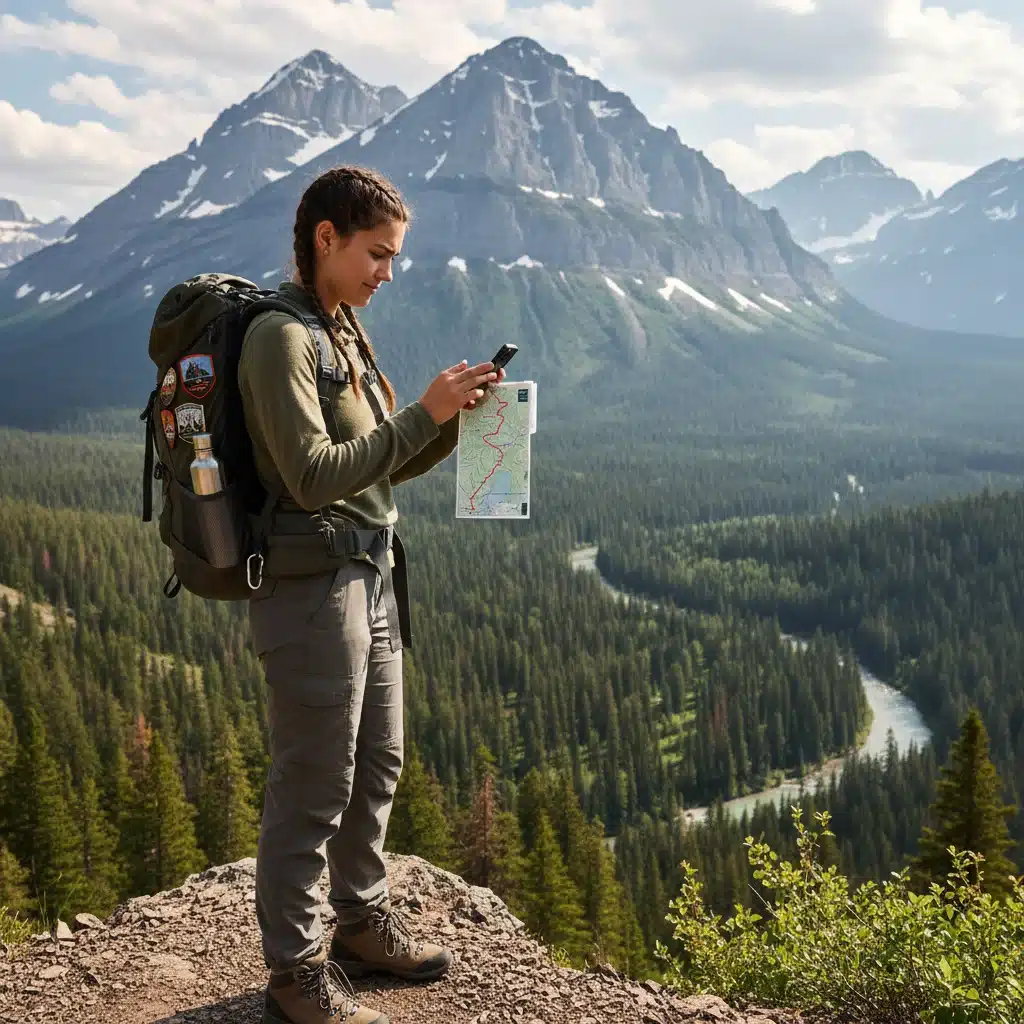
For Gen Z and Millennials, travel is less about simply relaxing on a beach (though that still has its place) and more about actively engaging with their surroundings and creating memorable experiences. They are seeking adventure, personal growth, and opportunities to learn new skills or challenge themselves. This fuels the demand for experiential travel.
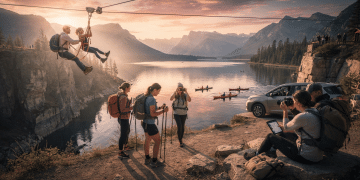
- Adventure Travel: From hiking and kayaking to rock climbing and surfing, outdoor adventures are highly sought after. US national parks and wilderness areas are particularly popular destinations for these active travelers.
- Learning and Skill-Building: Many are interested in travel that offers opportunities for personal development, such as language immersion programs, photography workshops, yoga retreats, or culinary courses.
- Wellness and Self-Care: The focus on mental and physical well-being extends to travel. Wellness retreats, spa experiences, and destinations offering opportunities for mindfulness and relaxation are gaining traction.
- Event-Driven Travel: Attending music festivals, cultural events, sporting events, or unique local celebrations can be a primary motivator for travel, offering a concentrated dose of experience and social connection.
Travel providers need to shift their focus from merely offering accommodation to curating compelling experiences. Packaging unique activities, partnering with local adventure guides, and promoting events will be key to attracting the experience-hungry Gen Z Millennial Travel demographic. This also means a greater emphasis on storytelling around these experiences, allowing potential travelers to visualize themselves participating and creating their own narratives.
Budget-Conscious Yet Value-Driven: Smart Spending for Maximized Experiences
While both generations are often perceived as budget-conscious, especially Gen Z who may have less disposable income, this doesn’t necessarily mean they are unwilling to spend. Instead, they are highly value-driven. They are willing to pay more for experiences that align with their values (authenticity, sustainability, unique experiences) and less for what they perceive as unnecessary luxuries or generic offerings.
- Savvy Research: They are excellent at finding deals, comparing prices, and utilizing loyalty programs. They spend considerable time researching to ensure they are getting the best value for their money.
- Flexible Travel: Many are open to traveling during off-peak seasons or choosing less popular destinations if it means a better deal or a more authentic experience.
- Prioritizing Experiences over Amenities: They might opt for a more affordable accommodation if it allows them to spend more on activities, unique dining experiences, or local tours.
- The Rise of ‘Bleisure’ Travel: Millennials, in particular, are adept at combining business trips with leisure, extending stays to explore a destination on their own time. This allows them to maximize their travel opportunities without incurring additional flight costs.
For the travel industry, this means offering transparent pricing, clearly communicating the value proposition of their services, and providing flexible options. Discounting alone won’t be enough; the focus must be on demonstrating how a particular offering delivers on their core values and provides a rich, memorable experience that justifies the cost. Understanding this nuanced approach to spending is vital for effective marketing to Gen Z Millennial Travel.
The Influence of Social Media and User-Generated Content
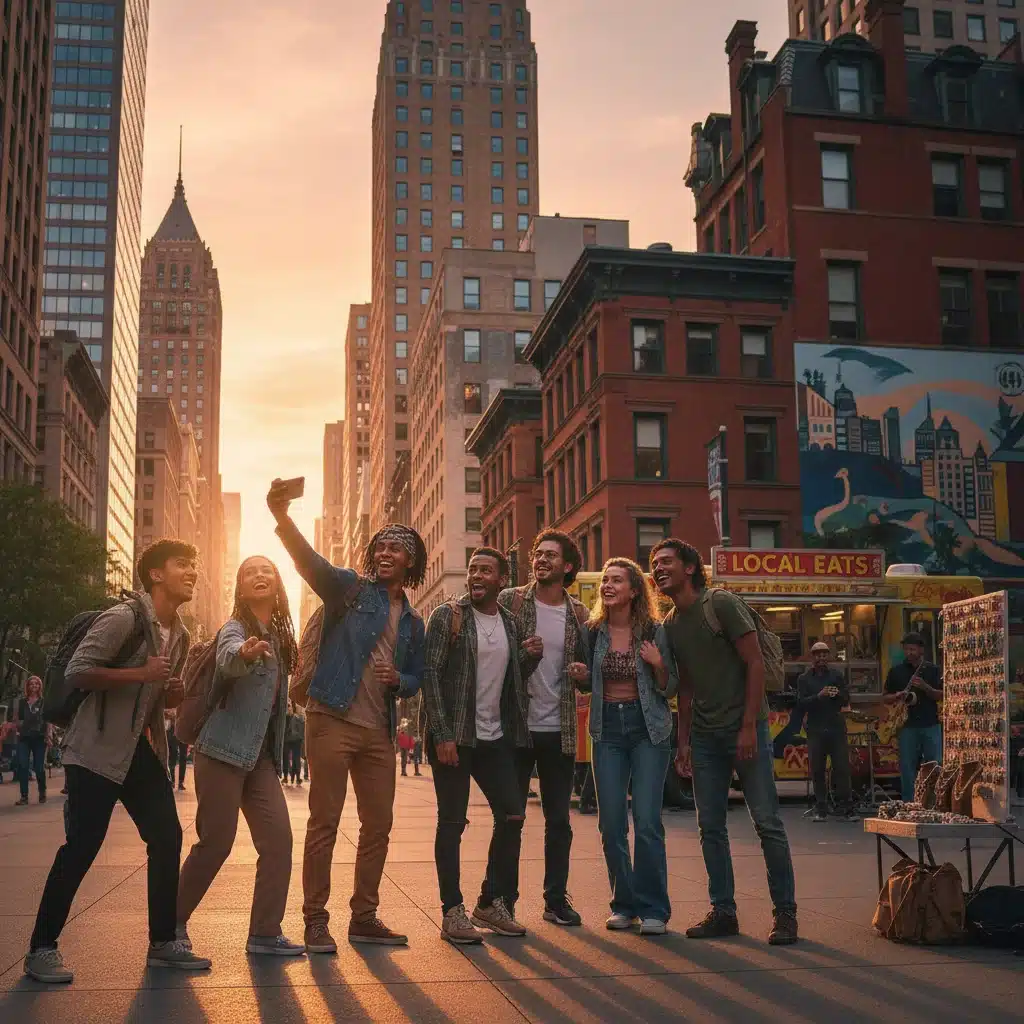
We touched on this earlier, but the pervasive influence of social media deserves a deeper dive. For Gen Z and Millennials, social media is not just a tool; it’s a way of life, and it profoundly impacts their travel journey from start to finish. The desire to capture and share experiences is a significant motivator for travel, often influencing destination choice and activity selection.
- Inspiration and Discovery: Travel content on Instagram, TikTok, Pinterest, and YouTube serves as a primary source of inspiration. Visually stunning photos and engaging videos can instantly put a destination on their radar.
- Validation and Planning: User-generated content (UGC), such as reviews, photos, and personal stories from other travelers, is highly trusted. They often seek out recommendations from friends, family, and trusted influencers before making decisions.
- Sharing and Storytelling: During and after their trips, these generations are avid sharers. They document their journeys in real-time, creating stories, reels, and posts that not only serve as personal memoirs but also inspire their networks. This organic sharing acts as powerful, authentic marketing for destinations and businesses.
- FOMO (Fear of Missing Out): The constant stream of travel content from their peers can also create a sense of FOMO, driving them to seek similar experiences.
Travel brands must embrace social media not just as an advertising channel but as a platform for engagement and community building. Encouraging and leveraging user-generated content, collaborating with relevant influencers, and creating shareable experiences are crucial strategies for connecting with Gen Z Millennial Travel. The visual narrative of a destination is often as important as its physical attributes.
US Destinations on the Rise for Gen Z and Millennials in 2026
Given their unique preferences, certain types of US destinations are particularly well-positioned to attract Gen Z and Millennials in 2026. These include:
- National Parks and Outdoor Havens: From the majestic landscapes of Zion and Yellowstone to the rugged coastlines of Acadia, national parks offer the adventure, natural beauty, and opportunities for disconnection that these generations crave. Expect continued growth in glamping, eco-lodges, and adventure tour operators within these regions.
- Vibrant Mid-Sized Cities: Beyond traditional giants like NYC or LA, cities like Asheville (NC), Portland (OR), Austin (TX), Nashville (TN), and Denver (CO) offer a unique blend of culture, food, music, and outdoor access. These cities often have thriving local scenes, creative communities, and a more manageable scale for authentic exploration.
- Underrated Coastal Towns: Eschewing crowded traditional beach resorts, Gen Z and Millennials are seeking out charming coastal towns with character, local seafood, and opportunities for water sports or cultural festivals. Think places like Charleston (SC), San Luis Obispo (CA), or smaller towns along the Pacific Northwest coast.
- Cultural and Historical Sites with a Modern Twist: Destinations that can present their history and culture in an engaging, interactive, and relevant way will appeal. This could involve augmented reality experiences at historical sites or festivals celebrating diverse cultural heritage.
The key is to offer a compelling narrative that highlights unique experiences, local flavor, and sustainable practices. Marketing efforts should focus on showcasing the authentic, experiential side of these destinations, rather than just their picturesque views. This will be crucial for capturing the attention of the discerning Gen Z Millennial Travel market.

The Future of Accommodation: Beyond the Traditional Hotel
While hotels will always have a place, Gen Z and Millennials are driving significant changes in accommodation preferences. Their desire for authenticity, unique experiences, and often, budget-consciousness, leads them to explore a wider range of lodging options.
- Alternative Accommodations: Airbnb, VRBO, and other vacation rentals continue to be popular, offering a more local, home-like experience, especially for group travel or longer stays.
- Boutique and Lifestyle Hotels: These hotels, often with unique designs, strong local character, and a focus on communal spaces and experiences, resonate strongly. They offer more than just a room; they offer a curated stay.
- Hostels and Co-living Spaces: Especially for Gen Z, hostels have evolved beyond basic dorms to offer stylish, social, and affordable options, often with private rooms and excellent amenities. Co-living spaces cater to the digital nomad lifestyle, blending accommodation with workspaces and community events.
- Glamping and Unique Stays: The appeal of connecting with nature without sacrificing comfort has fueled the glamping trend. Yurts, treehouses, geodesic domes, and other unique accommodations offer memorable experiences that are highly shareable on social media.
The traditional hotel industry must adapt by offering more personalized services, integrating local experiences, and creating social hubs within their properties. Flexibility in booking, digital amenities, and a clear commitment to sustainability will also be crucial for attracting the evolving preferences of Gen Z Millennial Travel.
The Rise of Solo Travel and Group Experiences
Both Gen Z and Millennials exhibit interesting trends in terms of travel companions. While group travel with friends remains popular, there’s also a significant increase in solo travel, particularly among Gen Z. This is often driven by a desire for independence, self-discovery, and the flexibility to pursue individual interests.
- Solo Exploration: Solo travelers from these generations are seeking personal growth, pushing their boundaries, and immersing themselves deeply in new cultures without compromise. Safety and connectivity are key concerns for this segment.
- Curated Group Trips: For those who prefer company, there’s a growing interest in small, curated group trips organized around specific interests (e.g., adventure sports, culinary tours, wellness retreats). These offer the benefits of shared experiences without the complexities of planning a large group trip.
- Friend-cations and Family Travel (with a twist): When traveling with friends, the focus is often on shared experiences and creating lasting memories. For family travel, particularly for Millennials with young children, the emphasis is on kid-friendly but also enriching and engaging activities for the adults.
Travel providers should cater to both ends of this spectrum: offering safe and supportive environments for solo travelers, and designing unique, interest-based group itineraries that foster connection and shared adventure. Understanding these dynamics is essential for tailoring products and marketing messages for Gen Z Millennial Travel.
Overcoming Challenges and Embracing Opportunities
While the preferences of Gen Z and Millennials present exciting opportunities for the US travel industry, there are also challenges to navigate. Economic uncertainties, student debt, and a competitive job market mean that budget remains a consideration, even for value-driven spending. Furthermore, the constant barrage of information and options can lead to decision fatigue. Travel providers must cut through the noise with clear, compelling, and authentic messaging.
The opportunities, however, far outweigh the challenges. By genuinely understanding and responding to the desires of these generations, the US travel industry can innovate and thrive. This means:
- Investing in Digital Presence: A seamless, mobile-first digital experience is non-negotiable.
- Crafting Authentic Experiences: Moving beyond generic offerings to provide immersive, local, and unique activities.
- Prioritizing Sustainability: Implementing and transparently communicating eco-friendly and socially responsible practices.
- Leveraging User-Generated Content: Encouraging and showcasing real traveler stories and visuals.
- Offering Flexibility and Personalization: Catering to diverse needs and preferences in booking, itineraries, and accommodations.
The future of US travel in 2026 will undoubtedly be shaped by the dynamic and influential forces of Gen Z Millennial Travel. Those who adapt, innovate, and truly connect with these generations on their terms will be the ones who lead the industry forward, creating memorable and meaningful journeys for years to come.