Micro-Adventures: Redefining Weekend Getaways for US Travelers 2026
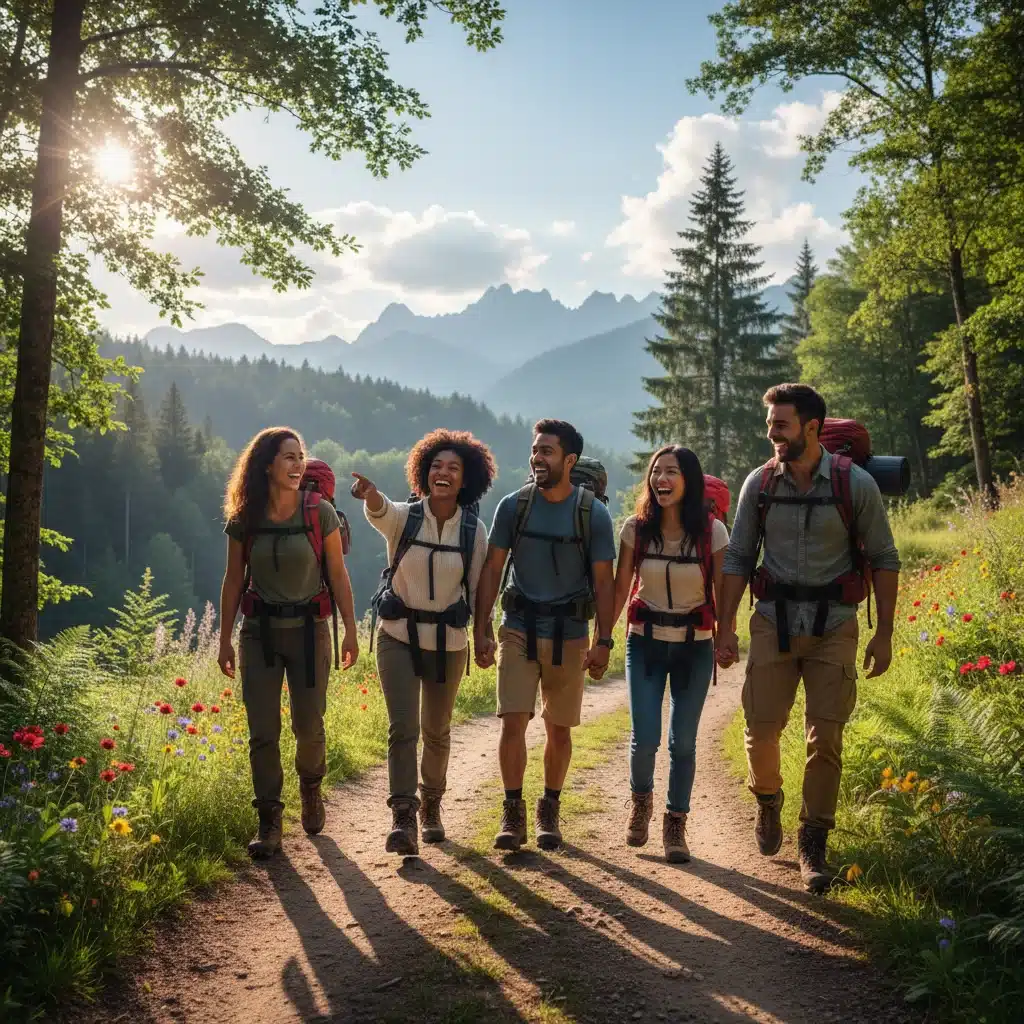
The travel landscape is constantly evolving, perpetually shaped by economic shifts, technological advancements, and a collective reevaluation of priorities. In the United States, a significant and exciting trend is emerging, poised to redefine how we perceive and engage with leisure time: the rise of micro-adventures. By 2026, a staggering 55% of US travelers are expected to embrace these shorter, more impactful weekend getaways, signaling a profound shift from extended vacations to more frequent, localized, and often more meaningful experiences. This isn’t just a fleeting fad; it’s a fundamental change in travel philosophy, driven by a desire for efficiency, accessibility, and a deeper connection with the immediate environment. Understanding this phenomenon, particularly the growth of micro-adventures US travelers are adopting, is crucial for both travelers and the tourism industry alike.
For decades, the American dream of travel often involved extensive road trips, international flights, and weeks spent away from home. While these grand expeditions still hold their appeal, the modern pace of life, coupled with increased awareness of environmental impact and the desire for work-life balance, has given birth to a new champion: the micro-adventure. These are not merely short trips; they are intentional, often local, explorations designed to inject a sense of adventure, discovery, and rejuvenation into everyday life, all within a compact timeframe. Whether it’s a challenging hike in a nearby state park, a night of stargazing in a rural area, a kayaking trip on a local river, or even an urban exploration of a neglected neighborhood, the essence remains the same: a concentrated dose of novelty and excitement without the extensive planning or financial commitment of a traditional vacation.
What Exactly Are Micro-Adventures and Why Are They Booming?
The term ‘micro-adventure’ was popularized by British adventurer Alastair Humphreys, who defined it as an adventure that is ‘close to home, cheap, simple, short, and yet still proper.’ This definition perfectly encapsulates the appeal for micro-adventures US travelers are increasingly seeking. It’s about maximizing impact with minimal disruption to daily routines. The boom in this travel style can be attributed to several converging factors:
Time Constraints and Work-Life Balance
In a fast-paced world, finding extended periods for travel is a luxury many cannot afford. The average American worker often struggles to utilize all their allotted vacation days. Micro-adventures offer a pragmatic solution, allowing individuals and families to satisfy their wanderlust without needing to take significant time off work. A Friday evening to Sunday afternoon trip can feel incredibly refreshing and adventurous, providing a much-needed break without the stress of accumulating days off or falling behind on work. This efficiency makes them incredibly attractive to a demographic that values both productivity and personal enrichment.
Financial Accessibility
Traditional vacations, especially international ones, can be prohibitively expensive. Flights, accommodation, and extended periods of dining out quickly add up. Micro-adventures, by their very nature, tend to be more budget-friendly. They often involve exploring local or regional destinations, reducing transportation costs. Accommodation might be camping, a budget-friendly Airbnb, or even a night spent under the stars. This financial accessibility opens up the world of travel to a broader demographic, allowing more people to experience the joy of discovery without breaking the bank. This aspect is particularly appealing to the growing segment of micro-adventures US travelers who are budget-conscious.
Environmental Consciousness
As awareness of climate change and environmental impact grows, many travelers are looking for ways to reduce their carbon footprint. Long-haul flights are significant contributors to greenhouse gas emissions. Micro-adventures, by focusing on local travel, inherently offer a more sustainable way to explore. Opting for car travel (especially electric vehicles or carpooling), cycling, or even public transport for shorter distances significantly reduces environmental impact, aligning with the values of eco-conscious travelers. This ethical dimension adds another layer of appeal to the micro-adventure movement.
The Search for Authenticity and Connection
In an increasingly digital and globalized world, there’s a yearning for authentic experiences and deeper connections – with nature, with local communities, and with oneself. Micro-adventures often facilitate this. They encourage travelers to step away from curated tourist traps and discover hidden gems in their own backyards or nearby regions. This can involve engaging with local businesses, exploring untouched natural landscapes, or simply spending quality time with loved ones away from daily distractions. The focus shifts from simply ‘seeing’ a place to truly ‘experiencing’ it, fostering a sense of belonging and discovery that large-scale tourism sometimes overlooks.
Mental and Physical Well-being
The benefits of spending time outdoors and engaging in new activities are well-documented. Micro-adventures provide regular doses of these benefits. A weekend hike can improve physical fitness, while the fresh air and change of scenery can significantly reduce stress and improve mental clarity. The anticipation and execution of even a small adventure can boost mood and provide a sense of accomplishment, contributing to overall well-being. This regular rejuvenation is a powerful draw for the 55% of micro-adventures US travelers seeking balance.
Key Characteristics of Micro-Adventures Embraced by US Travelers
While the concept is broad, certain characteristics define the type of micro-adventures gaining traction among US travelers:
Proximity and Accessibility
The cornerstone of a micro-adventure is its proximity. It’s about exploring within a few hours’ drive or train ride from home. This minimizes travel time and maximizes time spent on the adventure itself. National and state parks, regional forests, coastal areas, and even unique urban districts within a reasonable distance become prime targets. The ease of access is a major selling point, making these trips less daunting to plan and execute. This focus on local exploration is a defining trait for micro-adventures US travelers are prioritizing.
Emphasis on Outdoor Activities
Many micro-adventures revolve around outdoor pursuits. Hiking, cycling, kayaking, paddleboarding, rock climbing, camping, fishing, and stargazing are popular choices. These activities not only provide physical exercise but also offer a direct connection with nature, which is often a primary motivation for these trips. The simplicity of packing a tent and a few essentials for an overnight stay in the wilderness is a powerful antidote to modern complexities.
Flexibility and Spontaneity
Unlike meticulously planned long vacations, micro-adventures often allow for a degree of spontaneity. Weather changes, last-minute invitations, or a sudden urge to explore a new trail can be easily accommodated. This flexibility reduces the pressure associated with travel planning and allows for more organic, authentic experiences. This adaptable nature makes them perfect for the busy schedules of micro-adventures US travelers.
Focus on Experience Over Luxury
While comfort is appreciated, the primary goal of a micro-adventure isn’t luxury accommodation or five-star dining. It’s about the experience itself – the challenge of a climb, the tranquility of a forest, the joy of discovery. This shift in focus means travelers are often willing to rough it a bit, opting for camping, basic cabins, or even sleeping in their cars to maximize their time outdoors and minimize costs. The narrative changes from ‘What can I buy?’ to ‘What can I do and experience?’
Popular Micro-Adventure Destinations and Activities in the US
The United States, with its vast and diverse landscapes, is a playground for micro-adventures. From coast to coast, opportunities abound for short, impactful escapes. Here are some examples of what micro-adventures US travelers are gravitating towards:
National and State Parks
These protected areas are arguably the backbone of the micro-adventure movement. With thousands of parks offering everything from challenging mountain trails to serene lakeside camping, they provide accessible gateways to nature. Popular choices include the Great Smoky Mountains, Zion National Park, Yosemite, and countless state parks that offer equally stunning scenery without the crowds of their national counterparts. Weekend trips to these parks for hiking, wildlife viewing, and camping are incredibly popular.
Coastal Escapes
For those near the coasts, micro-adventures often involve beach camping, kayaking, paddleboarding, or exploring charming seaside towns. The Pacific Northwest, the Outer Banks of North Carolina, the Gulf Coast of Florida, and the rugged coastlines of Maine offer myriad opportunities for short aquatic adventures and refreshing sea air. A quick drive to a coastal town for a day of surfing or a night of beachfront camping provides a perfect reset.
Mountain Getaways
The Appalachian Mountains, the Rockies, the Sierra Nevada, and other mountain ranges across the US are magnets for hikers, climbers, and mountain bikers. Even a short weekend trip can involve summiting a challenging peak, exploring alpine lakes, or enjoying scenic drives. Fall foliage tours in the Northeast or spring wildflower hikes in the West are perfect examples of seasonal micro-adventures.
Urban Explorations and Green Spaces
Micro-adventures aren’t exclusively about wilderness. Many urban areas boast extensive park systems, greenways, and unique cultural districts that can be explored in a micro-adventure style. Cycling tours of a city’s historical neighborhoods, kayaking on urban rivers, or even a ‘culinary adventure’ exploring diverse food districts can offer a fresh perspective on familiar surroundings. This category is growing for micro-adventures US travelers in metropolitan areas.
Unique Stays and Glamping
For those who want a touch more comfort, the rise of unique accommodations like treehouses, yurts, tiny homes, and glamping sites provides an adventurous yet comfortable micro-adventure option. These often blend the rustic charm of nature with modern amenities, offering a novel experience without the need for extensive camping gear. Such stays are perfect for a romantic weekend or a family getaway that feels special without being far from home.
Planning Your Own Micro-Adventure: Tips for US Travelers
Embracing the micro-adventure lifestyle is easier than you might think. Here are some practical tips for micro-adventures US travelers:
1. Start Small and Local
You don’t need to travel far to find adventure. Look at a map of your local area. Are there state parks, nature preserves, or interesting towns within a 1-2 hour drive? Research local hiking trails, waterways for paddling, or unique historical sites. The goal is to discover something new close to home.
2. Define Your ‘Adventure’
What does adventure mean to you? It could be physical challenge, quiet contemplation in nature, learning a new skill (like foraging or birdwatching), or exploring a new culture. Tailor your micro-adventure to your interests. This personal connection is key to the success of micro-adventures US travelers are seeking.
3. Keep it Simple and Budget-Friendly
Resist the urge to overcomplicate things. Pack light, plan simple meals, and choose activities that don’t require expensive gear (unless you already own it). Camping, picnicking, and free outdoor activities are your best friends. The less stress involved in planning and budgeting, the more enjoyable the adventure.
4. Maximize Your Time
Micro-adventures are all about efficient use of time. Consider leaving straight from work on a Friday evening, or waking up early on a Saturday to get a head start. Even a single overnight trip can feel like a substantial break if planned effectively. Think about how to best utilize those precious weekend hours.
5. Embrace the Outdoors
Many micro-adventures leverage the restorative power of nature. Whether it’s a forest, a mountain, a desert, or a coastline, spending time outdoors is a powerful way to de-stress and reconnect. Even a simple walk in a local park can be a micro-adventure if approached with a sense of curiosity and openness.
6. Disconnect to Reconnect
One of the greatest benefits of micro-adventures is the opportunity to disconnect from screens and daily distractions. Consider leaving your phone on airplane mode, or even leaving it behind entirely (if safe and practical). This allows for a deeper immersion in the experience and facilitates genuine connection with your companions or your surroundings. This digital detox is a major draw for micro-adventures US travelers seeking mental clarity.
7. Be Prepared (But Not Over-Prepared)
While spontaneity is welcome, basic preparation is crucial. Check weather forecasts, inform someone of your plans, and carry essential safety gear (first-aid kit, water, appropriate clothing, navigation tools). However, avoid over-planning every minute; leave room for unexpected discoveries.
The Future of Travel: Micro-Adventures and Beyond
The projection that 55% of US travelers will embrace micro-adventures by 2026 is not just a statistic; it’s a clear indicator of a changing travel paradigm. This trend signifies a broader shift towards more thoughtful, sustainable, and personalized travel experiences. As more people discover the profound benefits of these short, impactful escapes, the tourism industry will undoubtedly adapt.
Implications for the Tourism Industry
For destinations and travel businesses, understanding the growth of micro-adventures US travelers are pursuing is paramount. This means:
- Promoting Local and Regional Attractions: Highlighting nearby natural wonders, cultural sites, and unique local experiences will become even more critical.
- Developing Shorter, Themed Packages: Offering weekend-specific packages focused on hiking, culinary tours, wellness retreats, or stargazing will cater directly to this market.
- Enhancing Accessibility: Improving public transport options to natural areas and providing clear information on trailheads, parking, and facilities will be beneficial.
- Investing in Sustainable Infrastructure: As local areas see increased visitation, sustainable practices and infrastructure (e.g., eco-friendly accommodations, waste management) will be essential to preserve these destinations.
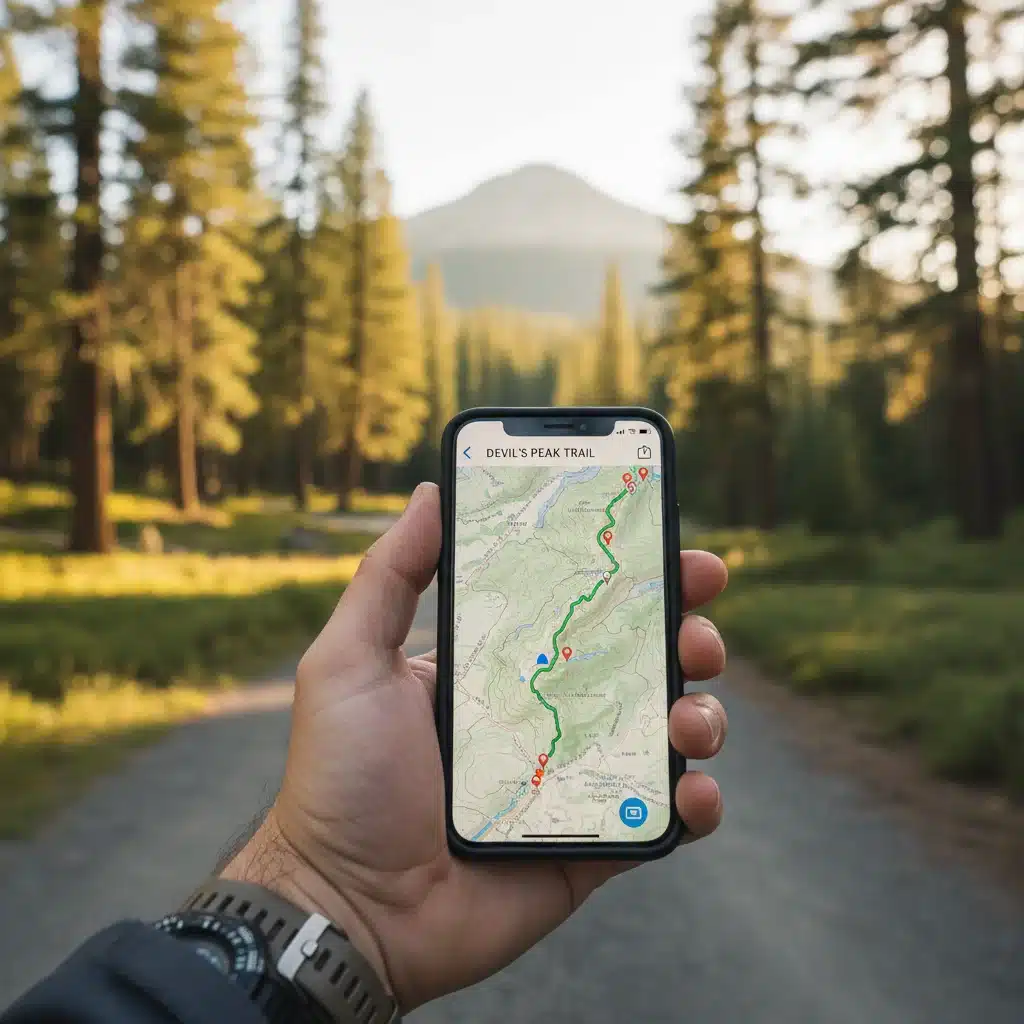
- Leveraging Technology for Discovery: Apps and platforms that help travelers discover nearby micro-adventure opportunities, plan routes, and connect with local guides will thrive.
The Blurring Lines of Work and Leisure
The rise of remote work and flexible schedules further fuels the micro-adventure trend. The ability to work from anywhere occasionally allows for ‘workcations’ that blend work with short periods of exploration. A traveler might work Monday to Thursday, then take a long weekend for a micro-adventure, returning refreshed and re-energized for the next work week. This integration of work and leisure is a powerful driver for micro-adventures US travelers are adopting.
A More Balanced Approach to Life
Ultimately, the proliferation of micro-adventures reflects a societal desire for a more balanced and enriching life. Instead of waiting for one big annual escape, people are opting for regular doses of adventure, novelty, and connection. This continuous engagement with new experiences helps combat burnout, fosters creativity, and enhances overall well-being. It’s about integrating adventure into the fabric of everyday life, rather than compartmentalizing it into rare, grand events.
Conclusion: Embrace the Micro-Adventure Revolution
The forecast for 2026 clearly indicates that micro-adventures US travelers are not just a niche market but a dominant force shaping the future of domestic tourism. This movement is a testament to human ingenuity in finding joy, discovery, and rejuvenation within the constraints of modern life. It’s about recognizing that adventure isn’t solely found in far-flung locales but can be discovered in our own backyards, in the quiet moments of nature, and in the conscious decision to step outside our routines, even for a short while.
Whether you’re an avid explorer or someone looking to dip their toes into the world of travel, the micro-adventure offers an accessible, affordable, and incredibly rewarding path. It encourages us to be more present, more appreciative of our local environments, and more proactive in seeking out experiences that enrich our lives. So, as 2026 approaches, consider joining the millions of US travelers who are redefining their weekend getaways, one micro-adventure at a time. The world, or at least a significant and exciting part of it, is waiting just beyond your doorstep.