Experiential Travel: Why 65% of US Millennials Choose Immersion in 2025
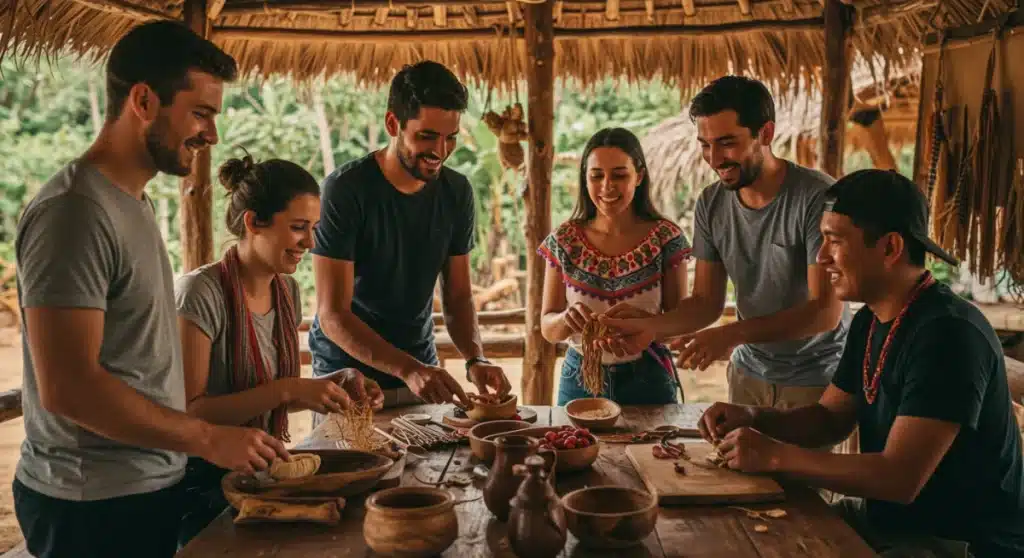
Sixty-five percent of US millennials are actively choosing experiential travel for their 2025 adventures, favoring deep immersion and authentic local connections over conventional, passive sightseeing experiences.
As 2025 approaches, a significant shift in travel preferences among US millennials is undeniable. The allure of traditional sightseeing is fading, replaced by a profound desire for authentic, immersive experiences. This evolution in travel is not merely a trend; it’s a fundamental redefinition of what a vacation means, particularly for a generation that values connection, purpose, and personal growth above all else. Understanding this pivotal change is crucial for anyone looking to navigate the future of travel.
The Rise of Experiential Travel: Redefining Vacation
Experiential travel is much more than just visiting a destination; it’s about becoming part of it. This philosophy emphasizes active participation, cultural immersion, and meaningful interactions that leave a lasting impact on the traveler. It’s a departure from the passive observation of landmarks, seeking instead to engage with local communities, learn new skills, and understand different ways of life.
For millennials, this shift is particularly resonant. Having grown up in an increasingly digital world, there’s a palpable craving for tangible, real-world experiences that cannot be replicated online. They seek stories to tell, not just photos to show. This desire for depth and authenticity is reshaping the travel industry landscape, pushing providers to innovate beyond conventional tour packages.
Beyond the Postcard: What Defines Immersive Experiences?
Immersive experiences are characterized by several key elements that differentiate them from standard tourism. These often involve direct engagement with local culture, environment, and people, fostering a deeper understanding and connection.
- Cultural Immersion: Participating in local traditions, festivals, and daily life.
- Skill Acquisition: Learning a new craft, language, or culinary technique from locals.
- Meaningful Connection: Engaging in genuine conversations and building relationships with residents.
- Personal Growth: Experiences that challenge perspectives and foster self-discovery.
Ultimately, experiential travel for millennials is about creating a personal narrative, a journey that transforms them. It’s an investment in self-development, where the memories forged are not just beautiful, but also profoundly enriching. This foundational shift is driving significant changes in how travel is consumed and offered.
Millennial Motivations: Why Authenticity Trumps All
The millennial generation’s pivot towards experiential travel is rooted in a distinct set of values and motivations. Unlike previous generations who might have prioritized relaxation or status symbols, millennials are driven by a quest for authenticity, connection, and a desire to make their travel count. This generation is often characterized by a strong sense of social consciousness and a need for purpose, which extends to their leisure activities.
They are not content with simply seeing famous sights; they want to understand the stories behind them, interact with the people who live there, and contribute positively to the places they visit. This deep-seated need for genuine engagement influences every aspect of their travel planning, from destination choice to activity selection.
The Search for Real-World Connections
In an era dominated by digital interactions, millennials are increasingly seeking real-world connections. Travel offers a powerful antidote to screen fatigue, providing opportunities for face-to-face interactions and shared experiences that foster empathy and understanding.
- Breaking from Routine: Escaping daily grind for novel experiences.
- Social Sharing: Authentic stories and experiences are highly shareable.
- Value Alignment: Choosing travel that aligns with personal values like sustainability and community support.
- Skill Development: Opportunities to learn practical skills or languages.
This generation also places a high value on personal growth and self-improvement. Experiential travel provides a fertile ground for these pursuits, offering challenges and opportunities for reflection that lead to a deeper understanding of oneself and the world. The shift isn’t just about what they see, but who they become through the journey.
Impact on the Travel Industry: Adapting to New Demands
The overwhelming millennial preference for experiential travel has sent ripples throughout the global travel industry. Tour operators, accommodation providers, and destinations are rapidly adjusting their offerings to meet these evolving demands. Traditional models are being scrutinized and often overhauled to incorporate more immersive, authentic, and sustainable elements.
This includes everything from rethinking hotel design to curating specialized tours that focus on local culture, adventure, or community engagement. The industry recognizes that failing to adapt means losing a significant and growing demographic of travelers who are willing to spend more for experiences that resonate with their values.
Innovations in Accommodation and Tours
Accommodation is no longer just a place to sleep; it’s becoming an integral part of the experience. Boutique hotels, eco-lodges, and homestays that offer a local feel are gaining popularity over generic chain hotels. Likewise, tour operators are moving away from crowded bus tours to smaller, more intimate groups led by local guides who can offer deeper insights.
Many companies are now focusing on creating bespoke itineraries that cater to specific interests, such as culinary tours, wildlife conservation trips, or artistic workshops. The emphasis is on personalization and providing unique access that traditional tourism often overlooks.
- Homestays & Local Guesthouses: Providing authentic residential experiences.
- Skill-Based Workshops: Offering classes in local crafts, cooking, or language.
- Community-Led Tours: Ensuring local voices and economic benefits.
- Adventure & Wellness Retreats: Combining physical activity with mental rejuvenation.
The travel industry’s response highlights a critical understanding: the modern traveler seeks not just a destination, but a transformative journey. This adaptation is crucial for staying relevant in a competitive and rapidly changing market, driven by the discerning tastes of millennial consumers.
The Role of Technology: Enhancing, Not Replacing, Experience
While experiential travel emphasizes real-world engagement, technology plays a crucial role in facilitating and enhancing these journeys. Far from being a distraction, digital tools are being leveraged to connect travelers with authentic local experiences, streamline logistics, and share narratives in compelling ways. The key is to use technology as a bridge to deeper experiences, rather than a barrier.
From personalized itinerary apps to virtual reality previews, technology helps travelers discover and prepare for their immersive adventures. It also allows for seamless communication with local hosts and guides, ensuring a smoother, more integrated experience. The strategic use of digital platforms amplifies the reach and impact of experiential offerings.
Digital Tools for Authentic Connections
Platforms that connect travelers directly with local hosts, such as Airbnb Experiences or specialized tour booking sites, are thriving. These tools allow millennials to bypass traditional intermediaries and find unique activities that match their desire for authenticity.
- Personalized Itinerary Apps: Tailoring experiences to individual interests.
- Local Host Platforms: Connecting travelers directly with community members.
- Virtual Reality Previews: Offering a taste of experiences before booking.
- Content Sharing Tools: Enabling travelers to document and share their unique stories.
Social media also plays a dual role: it inspires travel through authentic content shared by fellow travelers, and it provides a platform for travelers to document and reflect on their own immersive journeys. Technology, when used thoughtfully, becomes an enabler of deeper, more meaningful travel, rather than a substitute for genuine human connection.
Sustainability and Ethics: Core to Experiential Choices
A significant aspect of why 65% of US millennials are choosing experiential travel in 2025 is their heightened awareness of sustainability and ethical considerations. This generation is acutely conscious of their environmental footprint and the social impact of their actions, extending this mindfulness to their travel decisions. They actively seek out experiences that benefit local communities and minimize harm to the planet.
Ethical travel is not just a buzzword for millennials; it’s a non-negotiable criterion. They are willing to pay a premium for tours and accommodations that demonstrate a commitment to responsible practices, such as supporting local economies, conserving natural resources, and respecting cultural heritage. This drives a demand for transparency and accountability from travel providers.
Responsible Tourism Practices
Responsible tourism encompasses a range of practices aimed at minimizing negative impacts and maximizing positive contributions to destinations and their inhabitants. Millennials are increasingly educated on these principles and actively seek out operators who embody them.

- Supporting Local Businesses: Ensuring tourism revenue directly benefits residents.
- Environmental Conservation: Choosing eco-friendly operators and reducing waste.
- Cultural Respect: Engaging with traditions respectfully and avoiding exploitation.
- Fair Labor Practices: Opting for companies that treat employees ethically.
This commitment to ethical travel aligns perfectly with the immersive nature of experiential journeys. When travelers engage deeply with a community, they become more invested in its well-being, fostering a cycle of positive impact. The desire to travel responsibly is a powerful driver shaping the future of the industry, pushing for more conscious and sustainable options.
Looking Ahead: The Future of Millennial Travel
The trend of millennial experiential travel is not a fleeting phase but a fundamental shift that will continue to shape the travel landscape for years to come. As this generation ages and their purchasing power grows, their values will increasingly dictate industry norms. The focus will remain on authenticity, personal growth, and responsible engagement, pushing travel providers to constantly innovate.
Future trends will likely see an even greater integration of technology to personalize and facilitate these experiences, alongside a stronger emphasis on regenerative tourism that actively contributes to the restoration of destinations. The industry must continue to evolve, offering not just trips, but transformative journeys that resonate with the core values of the modern traveler.
Emerging Trends and Opportunities
Several emerging trends indicate where millennial experiential travel is headed, pointing to new opportunities for both travelers and the industry. These trends build upon the existing desire for depth and purpose.
- Micro-Adventures: Short, impactful local experiences.
- Ancestry & Heritage Tours: Connecting with personal roots.
- Digital Detox Retreats: Escaping connectivity for nature immersion.
- Skill-Sharing Travel: Exchanging skills for accommodation or experiences.
The future of travel, particularly for millennials, is about creating a legacy of meaningful experiences. It’s about journeys that enrich the soul, broaden the mind, and leave a positive mark on the world. This enduring commitment to deeper travel will continue to inspire new forms of exploration and engagement, ensuring that travel remains a powerful force for personal and global good.
| Key Aspect | Description |
|---|---|
| Millennial Preference | 65% of US millennials choose immersive experiences over traditional sightseeing in 2025. |
| Core Motivations | Authenticity, meaningful connections, personal growth, and purpose-driven travel. |
| Industry Impact | Shift towards bespoke itineraries, local accommodations, and community-led tours. |
| Ethical Considerations | Strong demand for sustainable, responsible, and ethical travel practices. |
Frequently Asked Questions About Experiential Travel
Experiential travel focuses on immersive experiences that allow travelers to actively participate in local culture, learn new skills, and connect deeply with the destination and its people, moving beyond passive observation.
Millennials prioritize authenticity, personal growth, and meaningful connections. They seek purpose-driven journeys that align with their values, offering richer stories and transformative experiences compared to conventional sightseeing trips.
Technology enhances experiential travel by connecting travelers with local hosts, personalizing itineraries, and providing tools for discovery and sharing. It acts as a bridge to authentic experiences, not a replacement for them.
Sustainability is crucial for millennials, influencing their travel choices towards ethical operators, local support, and environmental conservation. They seek experiences that minimize negative impact and contribute positively to communities.
The industry must adapt by offering bespoke itineraries, unique local accommodations, community-led tours, and transparent sustainable practices. Innovation in immersive and purpose-driven experiences is key to attracting millennial travelers.
Conclusion
The shift towards experiential travel among US millennials is a powerful indicator of a broader change in how people perceive and engage with the world. With 65% opting for immersive experiences in 2025, it’s clear that authenticity, connection, and purpose are no longer niche desires but central tenets of modern travel. This evolution challenges the travel industry to move beyond superficial offerings and create journeys that truly resonate with the desire for personal growth and responsible global citizenship. As this trend continues to mature, we can expect a future where travel is not just about seeing new places, but about becoming a part of them, leaving both the traveler and the destination richer for the experience.