Subscription Travel Models: Saving US Travelers 20% in 2025?

Subscription travel models are emerging as a significant trend, with analyses suggesting they could potentially save US travelers 20% annually by 2025 by offering bundled services and exclusive deals.
Are subscription travel models truly the future of affordable exploration for Americans? The travel landscape is constantly evolving, and a new paradigm is taking hold: subscription-based services promising significant financial relief for frequent and occasional travelers alike. This deep dive will explore whether these innovative models can genuinely deliver the touted 20% annual savings for US travelers by 2025, dissecting their financial impact, benefits, and the underlying mechanisms that drive their value proposition.
Understanding the Rise of Subscription Travel
The concept of subscription services has permeated nearly every aspect of modern life, from streaming entertainment to meal kits. It was only a matter of time before this model disrupted the travel industry. Subscription travel models offer members exclusive access to discounted flights, hotels, car rentals, and even curated experiences for a recurring fee. This shift represents a fundamental change in how consumers approach travel planning and budgeting.
These models often leverage bulk purchasing power and direct partnerships with suppliers, sidestepping traditional booking fees and markups. For a fixed monthly or annual fee, travelers gain entry to a world of preferential rates and unique perks that are typically unavailable to the general public. This can lead to substantial savings, especially for those who travel frequently or are flexible with their plans.
The Evolution of Travel Booking
Historically, travel booking involved navigating numerous websites, comparing prices, and often paying premium rates for convenience. The internet brought online travel agencies (OTAs), consolidating options but still operating on a commission-based model. Subscription travel takes this a step further by creating a closed ecosystem of deals.
- Early adopters focused on niche markets, like luxury travel or budget flights.
- Current models are broadening their appeal, offering diverse options for various traveler types.
- Technological advancements facilitate seamless booking and personalized recommendations.
The growth of these platforms is fueled by a desire for greater value and transparency among travelers. They seek to reduce the financial friction often associated with planning a trip, making travel more accessible and less intimidating. As these platforms mature, their ability to negotiate better deals is expected to increase, potentially enhancing the savings for their members.
In essence, subscription travel is transforming travel from a transactional activity into a membership experience, prioritizing loyalty and recurring value. This redefines the relationship between travelers and travel providers, promising a more integrated and cost-effective journey.
The Mechanics of Savings: How Subscriptions Work
At the core of subscription travel models is a simple yet powerful economic principle: aggregating demand to secure better prices. By charging a membership fee, these platforms create a committed user base that suppliers are eager to tap into. This allows for exclusive discounts that wouldn’t be feasible through traditional public channels.
Many platforms operate on a ‘members-only’ basis, meaning the deals are not publicly advertised, protecting the pricing integrity for their partners. This exclusivity is a key selling point, as it provides a sense of privileged access to deals that others cannot obtain. The savings often come from cutting out intermediaries or receiving preferred rates due to volume commitments.
Unpacking the Financial Model
The financial model typically involves a tiered membership structure, with different levels offering varying degrees of benefits and access. A basic subscription might offer discounts on hotels, while a premium tier could include flight deals, concierge services, and even complimentary upgrades.
- Negotiated Rates: Platforms secure wholesale prices or special member rates directly from airlines, hotels, and tour operators.
- Reduced Markups: Unlike OTAs that rely on commissions, subscription services generate revenue from membership fees, allowing them to pass on greater savings.
- Exclusive Inventory: Some platforms gain access to unsold inventory or last-minute deals that are offered at significantly reduced prices.
For US travelers, this can translate into tangible savings on major travel expenses. For example, a single flight booking through a subscription service might offset a significant portion of the annual membership fee. The cumulative effect of these savings over multiple trips can be substantial, making the investment in a subscription worthwhile.
The promise of 20% annual savings by 2025 is predicated on the continued expansion of these platforms and their ability to forge deeper, more advantageous partnerships within the travel industry. As more travelers adopt these models, the bargaining power of these platforms is expected to grow, leading to even better deals.
Quantifying the 20% Savings: A Realistic Outlook for 2025
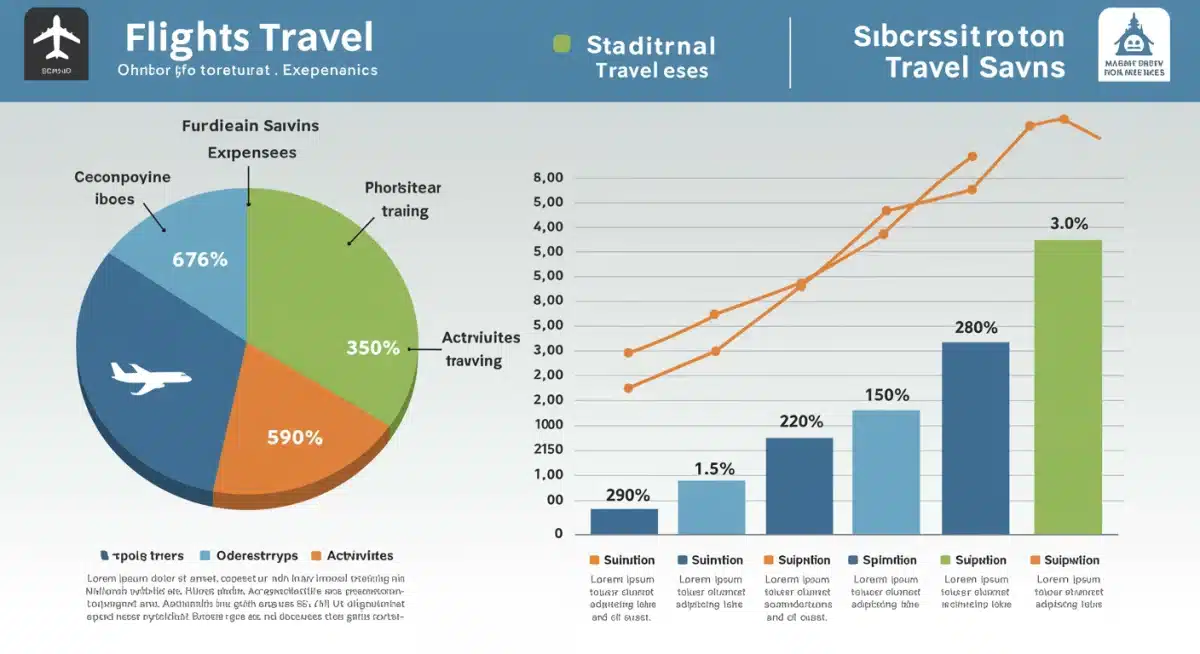
The claim of 20% annual savings for US travelers by 2025 is an ambitious one, but not entirely unfounded. Several factors contribute to the potential realization of such significant financial benefits. These include the increasing maturity of subscription platforms, greater market penetration, and the ongoing evolution of travel industry dynamics.
To achieve this level of savings, travelers would likely need to utilize their subscriptions regularly and strategically. This implies a shift in consumer behavior, where planning well in advance or being flexible with travel dates becomes more common to maximize the value of the membership.

Factors Influencing Savings Potential
Several variables will play a crucial role in determining whether the 20% savings target is met. These range from economic conditions to individual travel habits.
- Economic Climate: A stable economy generally encourages more travel, increasing demand for deals.
- Platform Growth: As more subscription services emerge and existing ones expand, competition can drive down membership costs or increase benefits.
- Traveler Behavior: The willingness of travelers to adapt to subscription models and leverage their benefits will be key.
- Supplier Partnerships: The strength and breadth of relationships between subscription platforms and travel providers directly impact deal quality.
For a US traveler spending, for instance, $3,000 annually on travel, a 20% saving would equate to $600. This amount could easily justify an annual subscription fee and still leave substantial net savings. However, the actual percentage will vary greatly based on individual travel patterns, destination choices, and the specific subscription service utilized.
While a blanket 20% might be an average, some highly engaged travelers could see even greater savings, while others who travel less frequently might experience more modest benefits. The projection for 2025 hinges on a confluence of these factors creating an optimal environment for subscription travel to thrive and deliver on its promise.
Key Benefits Beyond Financial Savings
While financial savings are a primary driver for adopting subscription travel models, these platforms offer a plethora of additional benefits that enhance the overall travel experience. These advantages often go overlooked but contribute significantly to the perceived value of a membership.
Many subscription services aim to simplify the often-complex process of travel planning. They consolidate options, provide curated recommendations, and streamline booking procedures, reducing the time and stress associated with organizing a trip. This convenience is a powerful incentive for busy individuals and families.
Enhanced Travel Experience
Beyond direct monetary gains, subscription models can unlock a more enjoyable and less stressful travel journey.
- Exclusive Perks: Members often receive benefits like free room upgrades, late check-outs, or complimentary breakfast.
- Personalized Recommendations: Algorithms learn preferences, offering tailored suggestions for destinations and activities.
- Dedicated Support: Some premium tiers include personal travel advisors or priority customer service.
- Community Access: Certain platforms foster communities where members can share tips, seek advice, and find travel companions.
The psychological benefit of knowing you have access to a wealth of resources and support can significantly improve the travel experience. It reduces decision fatigue and allows travelers to focus more on enjoying their journey rather than worrying about logistics or potential pitfalls. For US travelers, this could mean more frequent and more satisfying trips, ultimately enriching their lives.
These non-financial benefits contribute to a holistic value proposition, making subscription travel an attractive option even for those who might not achieve the maximum financial savings. The convenience, personalization, and enhanced experience collectively solidify the appeal of these evolving travel solutions.
Potential Challenges and Considerations
Despite the promising outlook, subscription travel models are not without their challenges and considerations. Like any emerging market, there are potential pitfalls and aspects that travelers should carefully evaluate before committing to a membership. Understanding these factors is crucial for making an informed decision and maximizing the value of a subscription.
One primary concern revolves around the actual usage versus the membership cost. If a traveler does not utilize the subscription benefits frequently enough, the annual fee might outweigh the savings. This highlights the importance of assessing individual travel habits and future plans before signing up.
Navigating the Nuances of Subscription Travel
Travelers should be aware of several potential drawbacks and limitations associated with these models.
- Limited Flexibility: Some deals may require specific travel dates or destinations, reducing spontaneity.
- Membership Fees: The upfront or recurring cost can be a barrier if not offset by sufficient travel.
- Exclusivity vs. Choice: While exclusive deals are a draw, they might limit options to a curated selection of partners.
- Terms and Conditions: Understanding cancellation policies, blackout dates, and other fine print is essential.
The market for subscription travel is also becoming increasingly crowded, making it challenging for consumers to determine which platform offers the best value for their specific needs. It requires careful research and comparison to identify a service that aligns with one’s travel frequency, preferences, and budget. Furthermore, the longevity and stability of some newer platforms remain to be seen, posing a minor risk.
Ultimately, while the potential for significant savings is real, it’s not a guaranteed outcome for everyone. Travelers must approach subscription models with a clear understanding of their own travel patterns and a critical eye toward the terms and conditions of each service to ensure they are truly benefiting.
The Future Landscape of Subscription Travel in the US
Looking ahead to 2025 and beyond, the future of subscription travel in the US appears bright, with continued innovation and expansion expected. As more travelers become accustomed to the subscription economy, the adoption rate for travel-specific models is likely to accelerate. This will, in turn, drive further investment and development within the sector.
The industry is poised for greater personalization, leveraging artificial intelligence and big data to offer hyper-targeted deals and experiences. This will not only enhance the value proposition for members but also increase the efficiency with which platforms connect travelers with ideal opportunities.
Innovations and Market Expansion
- AI-Driven Personalization: Advanced algorithms will offer highly customized travel itineraries and deals.
- Integration with Loyalty Programs: Expect more partnerships between subscription services and existing airline/hotel loyalty programs.
- Broader Service Offerings: Beyond flights and hotels, subscriptions may include access to local tours, event tickets, and unique experiences.
- Sustainable Travel Focus: Some platforms may incorporate carbon offsetting or eco-friendly travel options as part of their membership benefits.
The competitive landscape will also likely intensify, leading to more diverse offerings and potentially more aggressive pricing strategies to attract and retain members. This competition could further drive down costs for consumers, contributing to the projected 20% annual savings.
For US travelers, this means an increasingly sophisticated and value-driven approach to travel. The ability to access premium experiences and significant savings through a single membership will become a standard expectation. The industry’s evolution towards subscription-based models is not merely a passing trend but a fundamental shift that will redefine travel for years to come.
| Key Aspect | Brief Description |
|---|---|
| Savings Potential | Projected 20% annual savings for US travelers by 2025 through exclusive deals. |
| How It Works | Membership fees grant access to discounted flights, hotels, and experiences via bulk purchasing. |
| Beyond Financials | Offers convenience, personalization, dedicated support, and exclusive perks. |
| Considerations | Requires frequent usage to offset fees, potential flexibility limitations, and careful platform selection. |
Frequently Asked Questions About Subscription Travel
Subscription travel models are membership-based services offering exclusive access to discounted travel deals on flights, hotels, and experiences for a recurring fee. They save money by leveraging collective buying power to secure wholesale rates and bypassing traditional booking commissions, passing those savings directly to members.
While ambitious, a 20% annual saving is realistic for many US travelers, especially those who travel frequently and strategically utilize their subscriptions. This projection relies on continued platform growth, strong supplier partnerships, and travelers actively engaging with the benefits offered by these models.
Beyond monetary savings, subscription travel models provide significant non-financial benefits. These include enhanced convenience through streamlined booking, personalized travel recommendations, access to exclusive perks like upgrades, and sometimes even dedicated customer support or community access, improving the overall travel experience.
Key challenges include ensuring sufficient travel frequency to offset membership fees, potential limitations in flexibility regarding dates or destinations, and the need to carefully review terms and conditions like blackout dates. Choosing the right platform that aligns with individual travel habits is crucial to avoid disappointment.
Subscription travel is expected to evolve with greater AI-driven personalization, deeper integration with existing loyalty programs, and an expansion of service offerings beyond basic flights and hotels. Increased competition among platforms will likely lead to more innovative benefits and potentially even greater value for subscribers.
Conclusion
The emergence and rapid growth of subscription travel models represent a transformative period for the US travel industry. While the promise of 20% annual savings by 2025 is substantial, it appears to be an achievable target for many, provided travelers engage strategically with these platforms. Beyond the direct financial benefits, the added value of convenience, personalization, and exclusive perks further solidifies their appeal. As these models continue to innovate and expand their reach, they are poised to redefine how Americans plan, book, and experience their journeys, making travel more accessible and enjoyable for a broader demographic.