2025 US National Park Entry: Avoid Peak Season Delays
Understanding the 2025 US National Park entry system changes is crucial for visitors to avoid peak season delays, requiring early planning and adherence to new reservation protocols for an optimal experience.
As we look ahead to 2025, visitors to America’s breathtaking natural wonders face evolving access requirements. The upcoming adjustments to the 2025 National Park Entry system are designed to manage visitor flow, protect fragile ecosystems, and enhance the overall experience. This comprehensive guide provides practical solutions to navigate these changes, ensuring your next national park adventure is seamless and free from unexpected delays.
Understanding the New Landscape of National Park Access
The increasing popularity of US National Parks has led to significant challenges, particularly during peak seasons. Overcrowding not only diminishes the visitor experience but also places immense strain on park infrastructure and natural resources. In response, many parks have begun implementing or expanding timed entry systems and reservation requirements. These changes are not arbitrary; they are a direct effort to balance public access with conservation needs, aiming for a more sustainable future for these cherished landscapes.
Understanding the rationale behind these shifts is the first step toward successful planning. The National Park Service (NPS) is committed to preserving these areas for future generations while still allowing millions to enjoy their beauty. This delicate balance often necessitates innovative solutions, and the 2025 changes are a testament to that ongoing commitment. Familiarizing yourself with these foundational principles will help you appreciate the new systems, rather than viewing them as mere obstacles.
It is important to recognize that not all parks will implement the same systems. Each park has unique challenges and visitor patterns, leading to individualized approaches. Some parks might require reservations for specific areas or activities, while others might mandate a timed entry for the entire park during certain hours. Staying informed about the specific requirements for your chosen park is paramount.
Why Changes Are Necessary
- Resource Protection: High visitor numbers can lead to trail erosion, wildlife disturbance, and increased waste, impacting the delicate balance of park ecosystems.
- Enhanced Visitor Experience: Reducing congestion means less traffic, easier parking, and more opportunities for solitude and appreciation of nature.
- Safety and Infrastructure: Overcrowding can strain emergency services and park facilities, making it harder to ensure visitor safety and maintain infrastructure.
These evolving systems represent a proactive approach by the NPS to ensure that the beauty and integrity of US National Parks endure. By understanding the underlying reasons and preparing accordingly, visitors can contribute to the parks’ preservation while still enjoying their wonders.
Key Changes Expected for 2025 National Park Entry
While specific details for all parks in 2025 are still being finalized, general trends indicate a broader adoption of reservation and timed entry systems. Several popular parks have already piloted these programs with varying degrees of success, and these models are likely to be refined and expanded. Visitors should anticipate that many of the most sought-after parks will require some form of advance planning, especially during their busiest periods.
One significant change expected is the consolidation and standardization of reservation platforms. The NPS aims to make the booking process more user-friendly and accessible, potentially through a centralized portal or improved integration with existing systems like Recreation.gov. This could simplify the experience for those planning multi-park trips, reducing the need to navigate multiple independent booking sites.
Another crucial aspect will be the timing of reservation releases. Historically, popular spots have seen reservations snapped up within minutes of becoming available. This trend is likely to continue, emphasizing the need for visitors to be prepared and act swiftly. Understanding the exact release dates and times for your target parks will be a critical component of successful planning.
Common Reservation Models
- Timed Entry Permits: Visitors must reserve a specific time slot to enter the park or a particular area within it.
- Day-Use Reservations: Required for entry on certain high-demand days, often weekends or holidays.
- Permits for Popular Trails/Attractions: Specific permits for iconic hikes (e.g., Angels Landing in Zion, Half Dome in Yosemite) or attractions.
These changes are designed to distribute visitors more evenly throughout the day and across the park, mitigating the environmental impact and improving everyone’s experience. Staying informed about these specific models for your chosen destination is essential for a smooth trip.
Step-by-Step Guide to Securing Your 2025 National Park Entry
Navigating the new reservation systems can seem daunting, but with a structured approach, you can significantly increase your chances of securing entry during peak times. Proactive research and timely action are your best allies. Start by identifying the specific reservation requirements for the park or parks you plan to visit. The official park websites and Recreation.gov are the most reliable sources for this information.
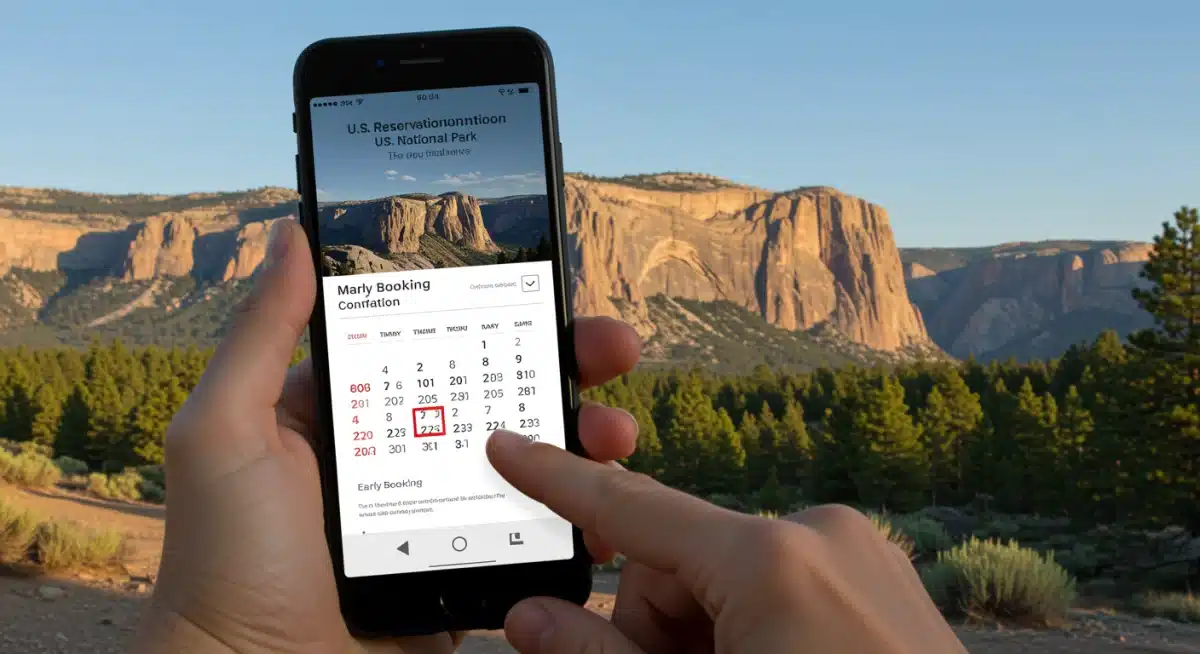
Once you understand the requirements, mark your calendar with the reservation release dates and times. Many parks release permits months in advance, often on a rolling basis. Set reminders and be ready to act precisely when reservations become available, as popular slots can disappear in minutes. Having an account already set up on Recreation.gov, with all your payment and personal details pre-filled, can save crucial seconds.
Consider flexibility in your travel dates. If your schedule allows, visiting during the shoulder seasons (spring or fall) or on weekdays can often mitigate the need for reservations or make them easier to obtain. Even within peak season, choosing early morning or late afternoon entry slots might be more readily available than mid-day options.
Be prepared for a backup plan. What if you don’t get the reservation you want? Research alternative nearby attractions or less-visited areas within the park that might not require reservations. Sometimes, exploring a less-trodden path can lead to unexpected discoveries and equally rewarding experiences.
Essential Booking Tips
- Research Early: Check official park websites and Recreation.gov well in advance for specific 2025 entry requirements.
- Mark Release Dates: Note down reservation release dates and times on your calendar and set alarms.
- Create Accounts: Set up and pre-fill accounts on booking platforms like Recreation.gov before the release date.
- Be Flexible: Consider visiting during off-peak hours, weekdays, or shoulder seasons for easier access.
By following these steps, you can significantly enhance your chances of a successful 2025 National Park Entry, ensuring your trip is memorable for the right reasons.
Practical Solutions to Avoid Peak Season Delays
Beyond securing reservations, several practical strategies can help you minimize delays and maximize your enjoyment during peak season. One often- overlooked solution is to arrive at the park gates well before the official opening time, especially if you have an early timed entry slot. This can help you beat the initial rush and find better parking spots.
Another effective strategy is to utilize public transportation or park shuttles where available. Many popular parks, such as Zion and Yosemite, offer extensive shuttle systems that alleviate traffic congestion and parking woes. Familiarize yourself with shuttle routes and schedules in advance, and plan your itinerary around them. This not only reduces your carbon footprint but also saves you the stress of finding parking in crowded areas.
Consider exploring less-known areas of the park. While iconic attractions draw the largest crowds, many national parks boast vast wilderness areas and hidden gems that offer equally stunning scenery with far fewer people. Consult park rangers or local guides for recommendations on quieter trails and viewpoints. Sometimes the most rewarding experiences come from venturing off the main tourist path.
Smart Travel Tactics
- Early Bird Advantage: Arrive at the park gates before opening hours, even with a timed entry, to get ahead of the crowds.
- Utilize Shuttles: Take advantage of park shuttle systems to avoid parking issues and reduce traffic.
- Explore Beyond the Icons: Seek out less-trafficked trails and viewpoints for a more serene experience.
- Mid-Week Travel: If possible, plan your visits for Tuesdays, Wednesdays, or Thursdays, which are generally less crowded.
Employing these practical solutions can transform your peak season visit from a potentially frustrating experience into a truly enjoyable and memorable adventure.
Maximizing Your Visit with Advance Planning and Resources
Thorough advance planning extends beyond just securing reservations; it involves understanding the park’s layout, weather patterns, and available amenities. Before your trip, download offline maps of the park, as cell service can be spotty or nonexistent in many remote areas. Research hiking trails suitable for your fitness level and gather information on wildlife viewing opportunities, ranger programs, and visitor center hours.
Packing appropriately is another crucial aspect of maximizing your visit. Be prepared for varying weather conditions, even within a single day, especially in mountainous regions. Layered clothing, sturdy hiking shoes, plenty of water, snacks, and sun protection are essential. Always carry a first-aid kit and inform someone of your itinerary, especially if you plan to undertake strenuous hikes.
Utilize the wealth of information available from official sources. The National Park Service website (NPS.gov) is an invaluable resource, offering detailed information on each park, including operational updates, alerts, and specific 2025 entry requirements. Many parks also have dedicated apps that provide real-time updates on trail conditions, shuttle locations, and crowd levels.
Key Resources for Planning
- Official Park Websites: Always check NPS.gov for the latest information on specific parks.
- Recreation.gov: The primary platform for many national park reservations, permits, and tours.
- Park Apps: Download park-specific apps for real-time updates, maps, and information.
- Visitor Centers: Upon arrival, speak with rangers for up-to-date conditions and personalized recommendations.
By leveraging these resources and planning meticulously, you can ensure your 2025 National Park Entry is not just successful but truly exceptional, allowing you to fully immerse yourself in the natural beauty.
Embracing Flexibility and Sustainable Travel Practices
While meticulous planning is vital, embracing a degree of flexibility can significantly enhance your national park experience. Unexpected closures, weather changes, or sudden shifts in park regulations can occur. Having a flexible mindset and a backup plan allows you to adapt gracefully to unforeseen circumstances, turning potential frustrations into new opportunities for exploration.
Sustainable travel practices are more important than ever, especially with the increased pressure on national parks. Adhering to the Leave No Trace principles is fundamental. This means planning ahead and preparing, traveling and camping on durable surfaces, disposing of waste properly, leaving what you find, minimizing campfire impacts, respecting wildlife, and being considerate of other visitors.
Consider the timing of your visit not just for avoiding crowds, but also for its environmental impact. Traveling during off-peak seasons can reduce your carbon footprint associated with transportation and lodging, as demand is lower. Opting for eco-friendly accommodations and supporting local businesses that prioritize sustainability also contributes to responsible tourism.
Sustainable Visitor Guidelines
- Leave No Trace: Follow the seven principles to minimize your impact on the environment.
- Support Local: Choose local, eco-conscious businesses for lodging, dining, and tours.
- Carpool or Shuttle: Reduce vehicle emissions by sharing rides or using park transportation.
- Pack It In, Pack It Out: Ensure all trash and waste are removed from the park.
By combining preparedness with a commitment to sustainable travel, your 2025 National Park Entry can be both enjoyable and responsible, contributing to the long-term health of these irreplaceable natural treasures.
| Key Point | Brief Description |
|---|---|
| Early Research is Key | Investigate specific 2025 entry requirements for each park well in advance. |
| Act Swiftly for Reservations | Be prepared to book timed entry or permits immediately upon release. |
| Utilize Park Shuttles | Reduce traffic and parking stress by using available public transport within parks. |
| Embrace Flexibility | Be ready to adjust plans due to unforeseen circumstances or explore less-known areas. |
Frequently Asked Questions About 2025 National Park Entry
For 2025, expect a broader implementation of timed entry and reservation systems across more popular parks, especially during peak seasons. These changes aim to manage visitor flow, protect natural resources, and enhance the overall park experience for everyone.
While a definitive list is still emerging, parks like Yosemite, Zion, Glacier, and Arches are likely to continue or expand their reservation requirements. Always check the official NPS website or Recreation.gov for the specific park you plan to visit, as rules can vary.
Reservations often become available months in advance, typically on a rolling basis. It’s crucial to research the exact release dates and times for your chosen park and be ready to book immediately, as popular slots fill up very quickly.
If primary reservations are unavailable, consider visiting during off-peak hours, weekdays, or shoulder seasons. Explore less-visited areas within the park, or research nearby national forests or state parks as alternative options. Flexibility is key to a rewarding trip.
Practice Leave No Trace principles, which include proper waste disposal, staying on marked trails, and respecting wildlife. Utilize park shuttles, carpool, and support local, eco-friendly businesses to minimize your environmental impact and enhance conservation efforts.
Conclusion
The changes to the 2025 National Park Entry system represent a necessary evolution in managing our treasured natural landscapes. By understanding these new protocols, engaging in proactive planning, and embracing practical solutions, visitors can ensure a fulfilling and delay-free experience. From diligent research and timely reservations to utilizing park shuttles and adopting sustainable travel habits, every step you take contributes to both your enjoyment and the long-term preservation of these magnificent parks. Prepare well, remain flexible, and embark on an unforgettable adventure into America’s natural wonders.