2026 US National Park Entry: Insider Tips for Reservations
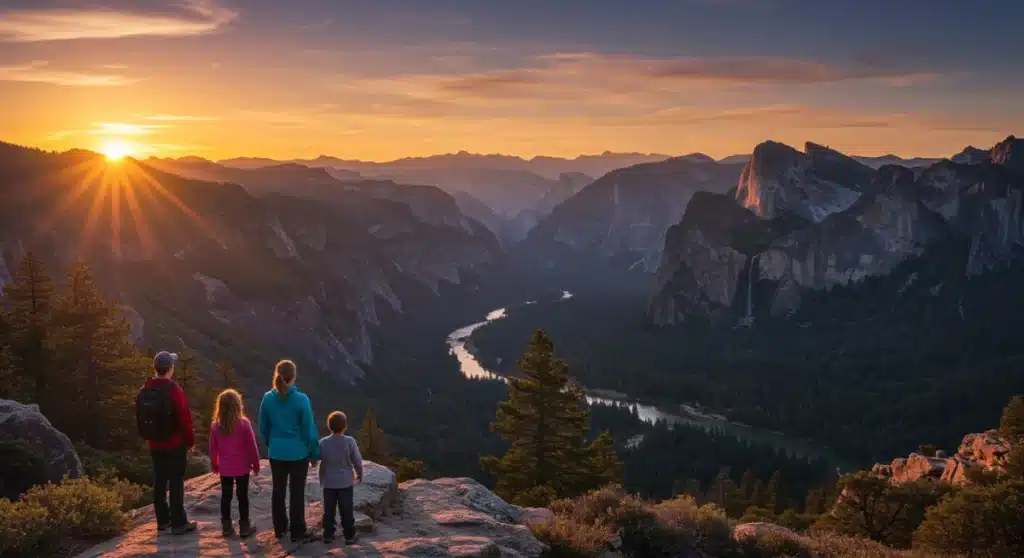
The 2026 shift in US National Park entry systems introduces new reservation requirements and strategies; mastering these changes is crucial for securing your desired park experiences and navigating popular destinations effectively.
Planning a trip to one of the United States’ breathtaking national parks has always required some foresight, but the year 2026 marks a significant evolution in how visitors gain access. The 2026 National Park Reservations system is undergoing a comprehensive overhaul, designed to enhance visitor experience, protect natural resources, and manage increasing demand. This guide provides insider tips to help you navigate these changes, ensuring your next national park adventure is seamless and unforgettable.
Understanding the 2026 National Park Entry Changes
The National Park Service (NPS) has been grappling with record-breaking visitation numbers, leading to increased wear and tear on infrastructure, overcrowding, and diminished visitor experiences. In response, a more structured entry system is being rolled out across many popular parks for 2026. This isn’t just a minor tweak; it’s a fundamental shift in how access is regulated, moving towards a more predictable, reservation-based model.
This new system aims to distribute visitors more evenly throughout the day and year, reducing congestion at peak times and in sensitive ecological areas. It’s about preserving the parks for future generations while still allowing millions to enjoy their natural splendor. Understanding the core principles behind these changes is the first step to successful planning.
Why the Shift to Reservations?
The primary drivers for this widespread adoption of reservation systems are multifaceted. They address environmental concerns, visitor safety, and the overall quality of the park experience. Without proper management, the very beauty that draws us to these parks could be irrevocably damaged.
- Resource Protection: Overcrowding stresses ecosystems, leading to trail erosion, habitat disruption, and increased waste.
- Enhanced Visitor Experience: Fewer crowds mean more serene moments, better wildlife viewing opportunities, and reduced traffic.
- Safety and Infrastructure: Managed entry helps park staff better respond to emergencies and maintain facilities without being overwhelmed.
The NPS has learned from pilot programs in parks like Zion and Yosemite, refining their strategies to create a more equitable and efficient system. The goal is not to exclude visitors but to carefully manage their impact, ensuring the parks remain accessible and pristine.
In essence, the 2026 changes are a proactive measure to safeguard these national treasures. By implementing reservation systems, the NPS can better control visitor flow, ensuring that even with growing interest, the parks can continue to offer unparalleled natural experiences without being loved to death.
Key Reservation Systems and How They Work
The new 2026 reservation landscape isn’t a one-size-fits-all solution; different parks will implement variations of timed entry, lottery systems, or a combination thereof. It’s crucial to research the specific park you plan to visit well in advance, as each will have its own set of rules and booking windows.
Generally, most parks will utilize an online portal, often accessible through Recreation.gov, for all reservation needs. This central platform serves as the gateway to securing permits for specific entry times, popular trailheads, or even overnight stays. Familiarizing yourself with this platform is paramount.
Types of Reservation Systems
While the exact mechanisms vary, patterns are emerging across the National Park Service:
- Timed Entry Permits: These allow access during specific windows of time on a given day. Visitors must arrive within their designated slot.
- Day-Use Lottery Systems: For highly popular trails or areas, a lottery might be held weeks or months in advance to allocate a limited number of permits.
- Overnight Wilderness Permits: Backpacking and backcountry camping will almost certainly continue to require advanced reservations, often through a lottery or first-come, first-served system that opens far in advance.
Each park’s system will be detailed on its official NPS website, along with links to the appropriate reservation portal. Ignoring these details could lead to disappointment at the park entrance.
Understanding these different access models is fundamental to planning. Some parks might require a timed entry permit just to drive through, while others might only require reservations for specific activities or sections. Always double-check the latest requirements for your chosen destination.
Strategic Planning: When and How to Book
Securing your 2026 National Park Reservations will require strategic planning and prompt action, especially for popular destinations during peak seasons. Waiting until the last minute is no longer a viable option for many iconic parks. Early birds will undoubtedly catch the worm when it comes to coveted entry slots.
Most reservation windows open several months in advance, often on a rolling basis. For example, a reservation for July might open in April. Knowing these exact release dates and times is a critical piece of insider knowledge. Set reminders, mark your calendar, and be ready to book the moment slots become available.
Insider Tips for Booking Success
Don’t leave your park visit to chance. A proactive approach is essential for navigating the competitive reservation landscape:
- Know Your Dates: Have your preferred travel dates and a few backup options firmly in mind before the booking window opens.
- Create an Account: Set up an account on Recreation.gov well in advance. This saves precious time during the booking rush.
- Be Ready at Release Time: Many popular slots are booked within minutes. Log in before the official release time and be prepared to click immediately.
- Flexibility is Key: If your first choice isn’t available, be willing to adjust your dates or even consider visiting a less-crowded alternative park nearby.
Another often overlooked strategy is to look for cancellations. While primary booking windows are competitive, people’s plans change. Regularly checking the reservation portal for last-minute openings can sometimes yield unexpected success. This requires persistence but can pay off handsomely.
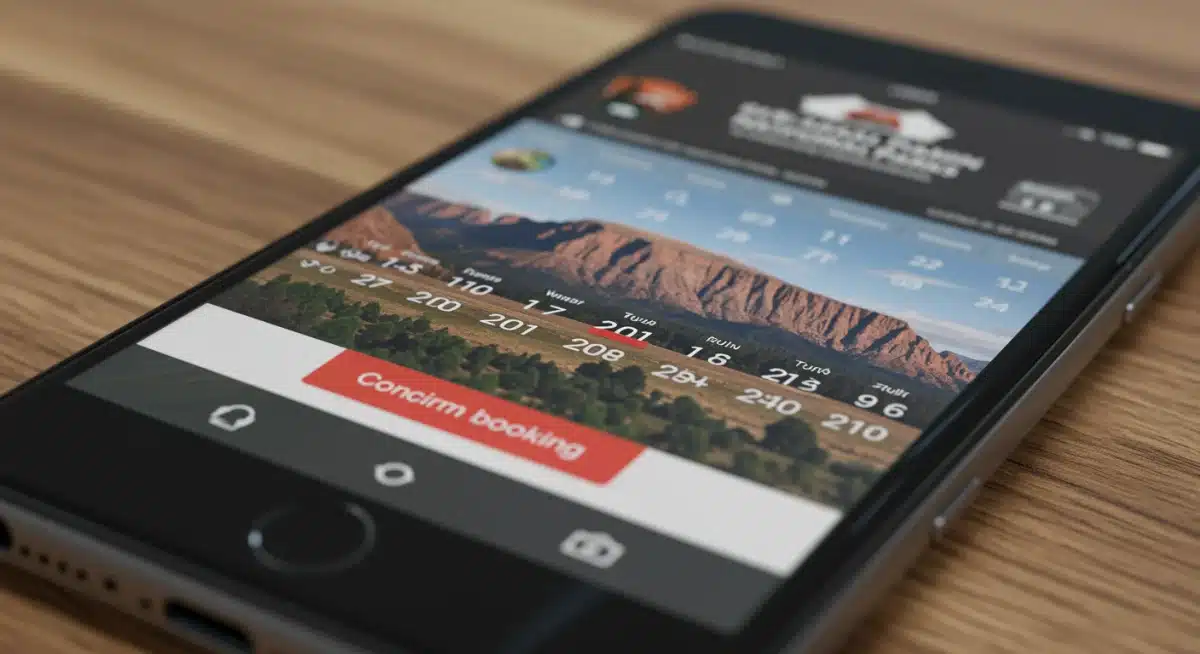
Strategic planning extends beyond just booking. Consider visiting during the shoulder seasons (spring and fall) or even the off-season if the park allows. These periods often have fewer reservation requirements and offer a more tranquil experience, albeit with potentially different weather conditions or limited services.
Essential Tools and Resources for 2026 Park Visits
Navigating the new 2026 National Park Reservations system successfully means leveraging the right tools and staying informed. Beyond the official NPS websites and Recreation.gov, a wealth of resources can help streamline your planning process and increase your chances of securing those coveted spots.
Start by bookmarking the individual park’s official website. These sites are the most authoritative source for specific entry requirements, operating hours, and any last-minute changes. They also often provide valuable information on what to expect, trail conditions, and local alerts.
Recommended Resources
A well-prepared traveler relies on more than just a single source of information:
- Recreation.gov: The central hub for most national park reservations, from timed entry to camping permits. Familiarize yourself with its interface.
- Official NPS App: Download the National Park Service app for offline maps, park information, and real-time updates while on the go.
- Park-Specific Email Alerts: Many popular parks offer email newsletters or alert systems. Sign up to receive direct notifications about reservation releases or important changes.
- Online Forums and Communities: Websites like Reddit or dedicated travel forums often have active communities sharing tips, tricks, and real-time experiences with booking systems.
Beyond official channels, consider subscribing to travel blogs or newsletters focused on national parks. These often provide aggregated information, expert analysis of upcoming changes, and practical advice from seasoned park-goers. Knowledge is power when it comes to competitive booking.
Remember that technology can be your friend. Utilize calendar alerts for reservation release dates and consider using autofill features on your browser to speed up the booking process. Every second counts when popular slots disappear in a flash.
Maximizing Your Experience: Beyond the Reservation
Securing your 2026 National Park Reservations is a significant hurdle, but it’s just the first step. To truly maximize your experience, you need to plan your visit strategically, considering factors like daily itineraries, alternative activities, and responsible tourism practices. A reservation grants you entry, but thoughtful planning ensures an unforgettable journey.
Once you have your entry permit, dive into the specifics of your chosen park. Research popular trails, scenic drives, visitor centers, and ranger programs. Having a loose itinerary will help you make the most of your time, especially if you have a timed entry window.
Making the Most of Your Park Visit
Enhance your trip with these practical considerations:
- Arrive Early (Even with Timed Entry): Being among the first to enter your time slot can help you avoid initial crowds and find parking more easily.
- Explore Less-Traveled Areas: While iconic spots are popular for a reason, many parks offer stunning, less-crowded alternatives. Consult park rangers for recommendations.
- Pack Smart: Bring plenty of water, snacks, appropriate layers of clothing, and any necessary gear. Cell service can be unreliable, so download maps and information offline.
- Practice Leave No Trace Principles: Pack out everything you pack in, stay on marked trails, and respect wildlife. Protecting these parks is a shared responsibility.
Consider the time of day you plan your activities. Early mornings and late afternoons often offer the best light for photography, fewer crowds, and increased chances of spotting wildlife. Mid-day can be ideal for visitor centers or longer drives.
Don’t forget to build in some flexibility. While planning is essential, sometimes the best memories are made when you stumble upon an unexpected view or take a spontaneous detour. The goal is to be prepared, not rigidly adhere to a minute-by-minute schedule.
Looking Ahead: The Future of National Park Access
The 2026 shift in US National Park entry systems isn’t likely to be the final evolution. As visitation continues to grow and conservation needs become more pressing, the National Park Service will undoubtedly continue to adapt and refine its access management strategies. Staying informed and flexible will be key for future park adventures.
The NPS is committed to balancing access with preservation. This means future systems might incorporate dynamic pricing, seasonal adjustments, or even more localized permit requirements for specific natural wonders within a park. The overarching goal remains to provide meaningful experiences while protecting these irreplaceable landscapes.
Anticipating Future Changes
What might the years beyond 2026 hold for park access?
- Dynamic Pricing Models: Entry fees or reservation costs might vary based on demand, similar to airline or hotel pricing.
- Increased Use of Public Transit: More parks might implement mandatory shuttle systems, reducing private vehicle traffic and parking issues.
- Expanded Educational Requirements: Some permits might require visitors to complete a brief online educational module about Leave No Trace principles before entry.
- Technological Integration: Expect more advanced apps, AI-driven visitor flow management, and potentially even biometric entry for frequent visitors (though this is more speculative).
The continuous evolution of park access systems highlights the importance of staying connected to official NPS channels. Regularly check the websites of your favorite parks and subscribe to their newsletters. This proactive engagement ensures you’re always ahead of the curve.
Ultimately, the future of national park access will be shaped by the balance between human enjoyment and ecological integrity. As visitors, our responsibility is to understand and respect these evolving systems, ensuring that America’s best idea remains a vibrant and accessible reality for generations to come.
| Key Point | Brief Description | |
|---|---|---|
| 2026 System Shift | New reservation models (timed entry, lotteries) are being widely adopted to manage increasing visitor numbers and protect park resources. | |
| Booking Strategy | Book early via Recreation.gov, know release dates, and be ready at opening times for popular parks and activities. | |
| Essential Resources | Utilize official NPS websites, the NPS app, and email alerts for up-to-date information and specific park requirements. | |
| Maximize Experience | Plan daily itineraries, explore less-traveled areas, and practice Leave No Trace principles to enhance your visit. |
Frequently Asked Questions About 2026 National Park Reservations
The changes are driven by record visitation, which has led to overcrowding, environmental strain, and diminished visitor experiences. The new reservation systems aim to better manage visitor flow, protect resources, and enhance safety and enjoyment for everyone.
While specific lists are still being finalized, many of the most popular parks, such as Zion, Yosemite, Glacier, and Arches, are expected to implement or expand their reservation requirements. Always check the individual park’s official NPS website well in advance of your visit.
Booking windows typically open several months in advance, often on a rolling basis. For highly sought-after parks and peak seasons, it is advisable to be ready to book the moment reservations become available, as slots can fill up within minutes.
If your initial dates are unavailable, consider being flexible with your travel times, looking for cancellations, or exploring alternative, less-crowded national parks or nearby public lands. Visiting during shoulder seasons (spring/fall) can also increase your chances.
Not necessarily. While some parks may require a reservation just for entry, others might only require permits for specific popular trailheads, backcountry camping, or special events. Always verify the exact requirements for your chosen park and planned activities.
Conclusion
The 2026 shift in US National Park entry systems represents a pivotal moment in how we interact with these cherished natural spaces. While the new reservation requirements might seem daunting, they are a necessary step towards ensuring the long-term sustainability and quality of the visitor experience. By embracing strategic planning, staying informed through official channels, and utilizing the available booking tools, you can successfully navigate these changes. Ultimately, these measures serve to protect the very essence of what makes our national parks so special, allowing future generations to marvel at their beauty just as we do today. Your diligence in planning directly contributes to the preservation of America’s natural heritage.