Summer 2026 US Travel: Act Now to Beat Price Hikes
To avoid significant 15%+ price hikes on popular routes for summer 2026 US travel, consumers must act immediately to secure bookings amidst anticipated high demand and limited availability.
As we look ahead, the landscape for summer 2026 US travel is already showing signs of unprecedented demand, signaling potential 15%+ price hikes on popular routes. Travelers who wish to explore the diverse beauty of the United States without breaking the bank must consider proactive planning and booking strategies now.
Understanding the Looming Price Hikes for Summer 2026
The travel industry operates on a complex interplay of supply and demand, and for summer 2026, several factors are converging to create a perfect storm for price increases. Economic forecasts suggest a robust consumer spending environment, coupled with a continued desire for experiential travel post-pandemic. This combination is set to drive up demand, particularly for iconic US destinations and experiences.
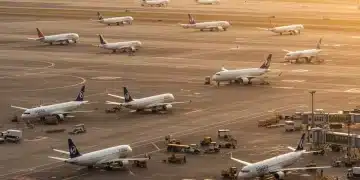
A significant aspect contributing to these anticipated hikes is the ongoing adjustment in airline and accommodation capacities. While airlines are slowly adding routes and increasing fleet sizes, and hotels are expanding, the pace might not keep up with the projected surge in traveler numbers. This imbalance inevitably translates into higher costs for consumers.
Economic Indicators and Travel Sentiment
Current economic data indicates a steady growth in disposable income for many American households. This financial stability empowers more individuals and families to plan ambitious vacations, often prioritizing travel over other discretionary spending. The collective sentiment towards travel remains overwhelmingly positive, with many viewing it as an essential part of well-being and personal development.
- Strong consumer confidence driving spending.
- Increased savings from previous years being allocated to travel.
- A cultural shift prioritizing experiences over material goods.
Furthermore, the long lead time to summer 2026 allows for more extensive planning and saving, enabling travelers to consider longer trips or more luxurious options, further fueling demand for premium services and accommodations. This early planning trend is a key indicator of competitive pricing ahead.
Key Destinations Facing the Steepest Increases
Certain regions and cities within the US consistently attract a high volume of tourists, and these are precisely the areas where the most significant price escalations are expected for summer 2026. Destinations known for their natural beauty, historical significance, or vibrant cultural scenes will likely see their prices surge first and most dramatically.
Coastal areas, national parks, and major metropolitan hubs are perennial favorites. The limited availability of prime accommodations and popular tour slots in these locations means that early booking is not just a recommendation but a necessity to secure reasonable rates.
Anticipated Hotspots and Their Challenges
Florida’s theme parks and beaches, California’s diverse landscapes from Hollywood to Yosemite, and the historical richness of the Northeast are always in high demand. However, lesser-known but increasingly popular spots, such as national parks in Utah or the Pacific Northwest, are also experiencing a surge in interest. These areas often have more limited infrastructure, making them particularly susceptible to price increases when demand spikes.
- Florida: Orlando, Miami, and Gulf Coast beaches.
- California: Los Angeles, San Francisco, national parks like Yosemite.
- Northeast: New York City, Boston, Washington D.C., New England coastal towns.
- National Parks: Yellowstone, Grand Canyon, Zion, and Arches.
Understanding these hotspots allows travelers to either book early for their desired destinations or consider alternative, equally rewarding locations that might offer better value. Flexibility in destination choice can be a powerful tool against rising costs.
Strategic Booking: When and How to Secure Your Trip
The adage “the early bird gets the worm” has never been more applicable than to summer 2026 US travel planning. Booking flights and accommodations well in advance is the most effective strategy to mitigate the impact of price hikes. Industry experts suggest that the optimal booking window for summer travel typically opens 9-12 months prior to departure, if not earlier for peak periods.
Beyond timing, the method of booking also plays a crucial role. Utilizing price comparison websites, setting up fare alerts, and considering flexible travel dates can yield significant savings. Loyalty programs and travel credit cards offer another layer of cost reduction through points and exclusive discounts.
Best Practices for Early Booking
Begin by researching your desired destinations and identifying potential travel dates. Once you have a clear idea, start monitoring prices. Many airlines and hotels offer early bird specials or allow for cancellations without penalty within a certain timeframe, providing a safety net for early bookings. Consider package deals that combine flights and hotels, as these can sometimes offer better value than booking components separately.
- Book flights 9-12 months out for best rates.
- Reserve accommodations as soon as possible, especially for popular areas.
- Utilize price tracking tools and alerts.
Flexibility with travel dates, even by a day or two, can dramatically impact prices, particularly for flights. Mid-week travel often proves cheaper than weekend departures and returns. Being open to slightly less conventional travel times can unlock considerable savings.
Leveraging Technology for Smart Travel Planning
In today’s digital age, a plethora of tools and platforms are available to help travelers navigate the complexities of booking and secure the best possible deals for their summer 2026 US travel. From advanced AI-driven price prediction engines to comprehensive travel aggregators, technology can be your best ally in avoiding inflated costs.
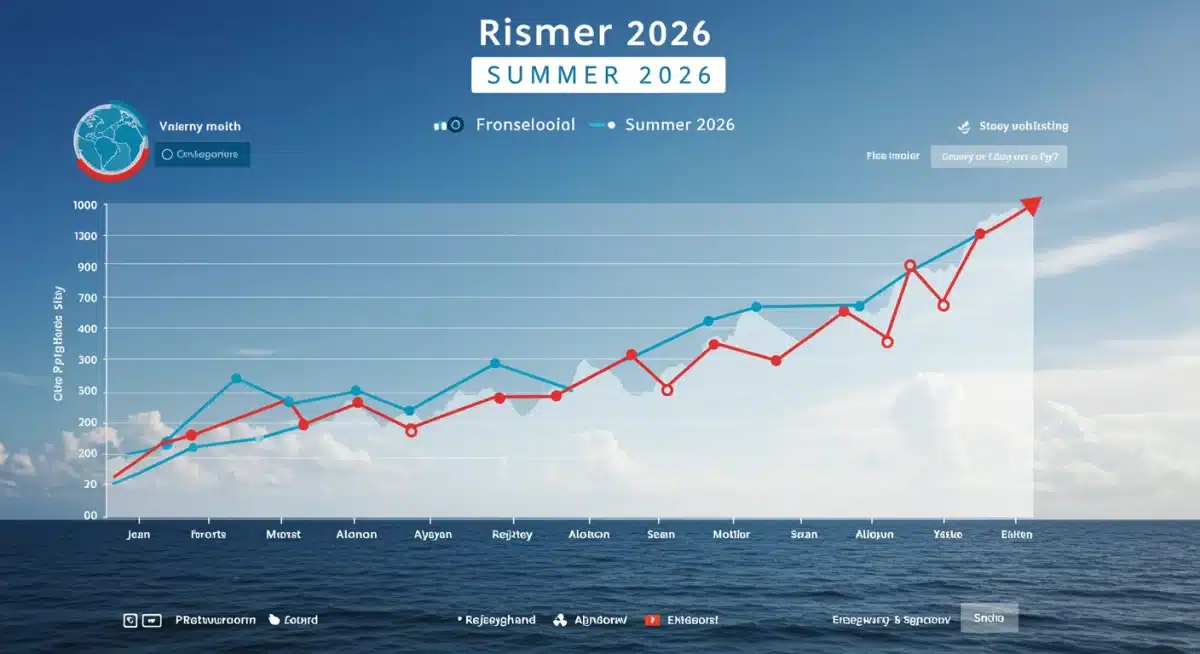
These tools not only help compare prices across various providers but also offer insights into historical price trends, predicting when prices are likely to increase or decrease. Subscribing to newsletters from airlines and hotel chains can also provide access to exclusive deals and early promotional offers.
Essential Digital Tools for Travelers
Flight comparison websites like Google Flights, Skyscanner, and Kayak offer robust features for tracking prices and setting alerts. For accommodations, Booking.com, Expedia, and Airbnb provide extensive options, often with flexible cancellation policies. Consider using apps that specialize in last-minute deals if you have a flexible schedule, though for summer 2026, early booking remains paramount.
- Price comparison websites for flights and hotels.
- Fare alert services for specific routes and dates.
- Loyalty program portals for points redemption and exclusive offers.
Beyond booking, apps like TripIt or Google Trips can help organize your itinerary, keeping all booking confirmations and travel details in one place. Leveraging these technological aids can simplify the planning process and ensure you are always informed about the best available options.
Alternative Strategies to Counter High Demand
When popular routes and destinations become prohibitively expensive, smart travelers turn to alternative strategies. This could mean exploring less-traveled but equally captivating regions, opting for shoulder season travel, or considering different modes of transportation. These approaches can significantly reduce costs while still offering rich and memorable travel experiences.
Instead of flying directly into a major hub, consider flying into a smaller, nearby airport and driving the rest of the way. This often results in cheaper airfares and can open up opportunities to explore quaint towns along the route. Similarly, exploring states or regions that are not typically considered prime summer destinations might offer more affordable options.
Exploring Off-Peak and Underrated Destinations
Traveling during the shoulder seasons—late spring or early fall—can offer pleasant weather and significantly lower prices than peak summer. For summer 2026, if strict summer dates aren’t mandatory, consider bridging into late May or early September. Additionally, look beyond the highly publicized destinations. The US is vast and full of hidden gems, from the Finger Lakes in New York to the Ozarks in Arkansas, or the charming towns of the Midwest.
- Consider shoulder season travel for better value.
- Explore national forests and state parks instead of only national parks.
- Look into smaller cities or towns with unique regional attractions.
Road trips, camping, and staying in vacation rentals rather than traditional hotels are also excellent ways to manage budgets. These alternative travel styles not only save money but often provide a more immersive and authentic experience of the local culture and landscapes.
The Importance of Travel Insurance and Flexibility
With the increasing investment required for summer 2026 US travel, securing comprehensive travel insurance becomes more critical than ever. Unexpected events, from flight cancellations to medical emergencies, can derail even the most meticulously planned trip, leading to significant financial losses if uninsured. Travel insurance acts as a safety net, protecting your investment and providing peace of mind.
Furthermore, maintaining flexibility in your plans, where possible, can be a major asset. Opting for refundable bookings, understanding cancellation policies, and having contingency plans for alternative dates or destinations can save you stress and money should unforeseen circumstances arise.
Protecting Your Investment and Peace of Mind
When selecting travel insurance, compare policies to ensure they cover potential issues such as trip cancellation, interruption, medical emergencies, and lost luggage. Some policies also offer “cancel for any reason” (CFAR) coverage, which, while more expensive, provides the ultimate flexibility. Read the fine print carefully to understand what is and isn’t covered.
- Purchase travel insurance early to cover non-refundable expenses.
- Understand cancellation policies for all bookings.
- Consider CFAR insurance for maximum flexibility.
Having a backup plan is also a form of flexibility. This might mean having alternative dates in mind, or even a second-choice destination that you’ve researched. This preparedness ensures that even if your primary plans are disrupted, you still have viable and enjoyable travel options.
Future Outlook: Sustained Demand and Evolving Travel Habits
The trends observed for summer 2026 US travel demand are not isolated phenomena but rather indicators of evolving, long-term travel habits. The desire for domestic exploration, coupled with a growing appreciation for diverse experiences, is likely to sustain high demand for years to come. This means that proactive planning will continue to be a cornerstone of cost-effective travel.
The industry itself is adapting, with more personalized travel options, sustainable tourism initiatives, and technological advancements aimed at enhancing the traveler experience. However, these innovations will likely coexist with continued competitive pricing, especially during peak seasons.
Adapting to the New Travel Normal
Travelers are becoming savvier, increasingly relying on data and expert advice to make informed decisions. The emphasis is shifting from last-minute deals to strategic, well-researched bookings. This new normal requires a blend of flexibility, technological literacy, and a willingness to explore beyond the obvious choices.
- Embrace early booking as a standard practice.
- Stay informed about travel trends and industry changes.
- Prioritize sustainable and ethical travel choices.
Ultimately, the future of US travel will be shaped by a dynamic interplay of consumer desires, economic realities, and industry innovations. By understanding these forces, travelers can continue to enjoy the richness of domestic exploration without succumbing to exorbitant costs. The time to plan your summer 2026 adventure is undeniably now.
| Key Point | Brief Description |
|---|---|
| Early Booking Urgency | Book summer 2026 US travel now to mitigate anticipated 15%+ price hikes due to high demand. |
| High-Demand Destinations | Popular spots like Florida, California, and National Parks will see the steepest price increases. |
| Strategic Planning | Utilize price alerts, flexible dates, and alternative destinations to save money. |
| Travel Insurance | Essential for protecting your investment against unforeseen cancellations or emergencies. |
Frequently Asked Questions About Summer 2026 US Travel
Anticipated strong consumer demand, coupled with a slower increase in airline and accommodation capacities, is creating an imbalance. This supply-demand dynamic typically drives prices upward, especially for popular routes and destinations across the United States.
Experts recommend booking flights and accommodations as early as 9-12 months in advance. For highly sought-after destinations or specific events, securing your reservations even earlier can be beneficial to lock in better rates and ensure availability.
Popular tourist hotspots like major coastal cities (e.g., Miami, Los Angeles), theme park destinations (e.g., Orlando), and iconic national parks (e.g., Yellowstone, Grand Canyon) are expected to experience the most significant price increases due to their consistent high demand.
Consider being flexible with travel dates, exploring less-traveled destinations, utilizing price comparison tools, and booking during off-peak times. Also, look into loyalty programs, travel credit card benefits, and package deals for potential savings.
Yes, travel insurance is highly recommended. With substantial investments in summer 2026 travel, insurance provides crucial protection against unforeseen events like trip cancellations, medical emergencies, or lost luggage, safeguarding your financial outlay and providing peace of mind.
Conclusion
The anticipation for summer 2026 US travel is building, and with it, the clear indication of significant price increases across popular routes and destinations. By understanding the underlying economic and industry factors, and by adopting proactive and strategic booking methods, travelers can effectively navigate this competitive landscape. Early planning, leveraging technology, exploring alternative options, and securing adequate travel insurance are not just recommendations but essential actions to ensure an enjoyable and cost-effective journey. The time to act is now to transform your dream summer 2026 vacation into a reality without succumbing to last-minute financial pressures.