US Customs Travel Updates 2026: Navigating Domestic Connections
The Latest on US Customs and Border Protection Updates Affecting Domestic Travel Connections in 2026
As we approach 2026, the landscape of international and domestic travel within the United States continues to evolve. US Customs and Border Protection (CBP) consistently refines its procedures to enhance security, streamline processing, and adapt to the ever-changing global environment. For travelers making domestic connections after arriving on an international flight, these updates are particularly critical. Understanding the nuances of new regulations, technological advancements, and policy shifts is paramount to ensuring a smooth and stress-free journey. This comprehensive guide will delve into the anticipated US Customs Travel 2026 updates, offering insights and practical advice for navigating your domestic travel connections efficiently.
The journey from an international arrival to a domestic departure within the U.S. has always involved specific steps, primarily customs and immigration clearance. However, with new initiatives and technologies on the horizon for 2026, these steps are set to become more integrated, and in some cases, more demanding. Our aim is to equip you with the knowledge needed to anticipate potential changes, prepare accordingly, and minimize any disruptions to your travel plans. From biometric screening enhancements to revised baggage handling protocols, every detail matters when it comes to seamless travel.
Understanding the CBP’s Evolving Mission for 2026
US Customs and Border Protection operates at the forefront of national security, facilitating legitimate trade and travel while safeguarding the nation’s borders. For 2026, CBP’s mission continues to prioritize security, but with an increased emphasis on technological integration and data-driven approaches to risk assessment. This means that travelers can expect more sophisticated screening methods and potentially a more personalized experience based on pre-arrival information.
The Drive for Enhanced Security and Efficiency
CBP’s strategic plan for the coming years, including 2026, focuses on several key pillars:
- Advanced Data Analytics: Leveraging big data to identify potential threats before arrival, allowing for more targeted inspections and faster processing for low-risk travelers.
- Biometric Identification: Expanding the use of facial recognition and other biometric technologies to verify identities at various touchpoints, from entry to exit. This is a significant aspect of US Customs Travel 2026 enhancements.
- Interagency Collaboration: Strengthening partnerships with other federal agencies, international partners, and the travel industry to create a more cohesive and secure global travel ecosystem.
- Modernized Infrastructure: Investing in state-of-the-art facilities and equipment at ports of entry to improve flow and reduce wait times.
These initiatives are designed to make the border more secure without unduly impeding the flow of legitimate travelers. However, they do necessitate an informed approach from passengers, particularly those with tight domestic connections.
Key Updates Impacting International to Domestic Connections in 2026
The process of transitioning from an international flight to a domestic connection in the U.S. typically involves several stages: disembarking, immigration clearance, baggage claim, customs inspection, re-checking baggage, and security screening for the domestic flight. Each of these stages could be affected by the upcoming US Customs Travel 2026 updates.
Biometric Entry and Exit Programs
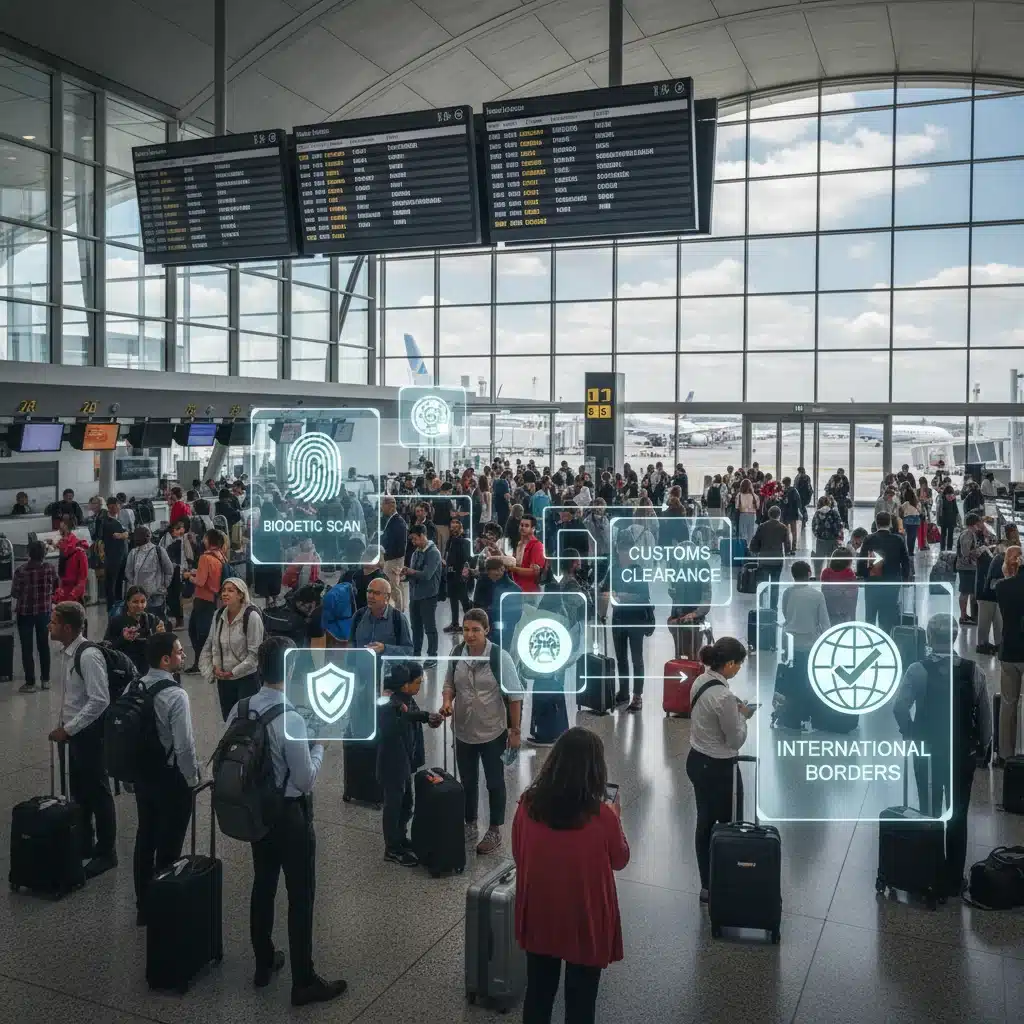
By 2026, the implementation of biometric entry and exit programs is expected to be more widespread across U.S. airports. This technology uses facial comparison to verify traveler identities, replacing or augmenting traditional document checks. For international arrivals, this means:
- Faster Immigration Processing: For eligible travelers, biometric kiosks can significantly reduce wait times at immigration.
- Seamless Verification: Your face becomes your boarding pass and identification, reducing the need to constantly present physical documents.
- Data Privacy Concerns: While efficient, travelers should be aware of how their biometric data is collected, stored, and used. CBP typically states that this data is used solely for identity verification and security purposes.
Travelers should be prepared for this technology, understanding that participation is generally mandatory for non-U.S. citizens and permanent residents, and voluntary for U.S. citizens (though opting out might lead to longer processing times).
Changes in Baggage Handling and Re-check Procedures
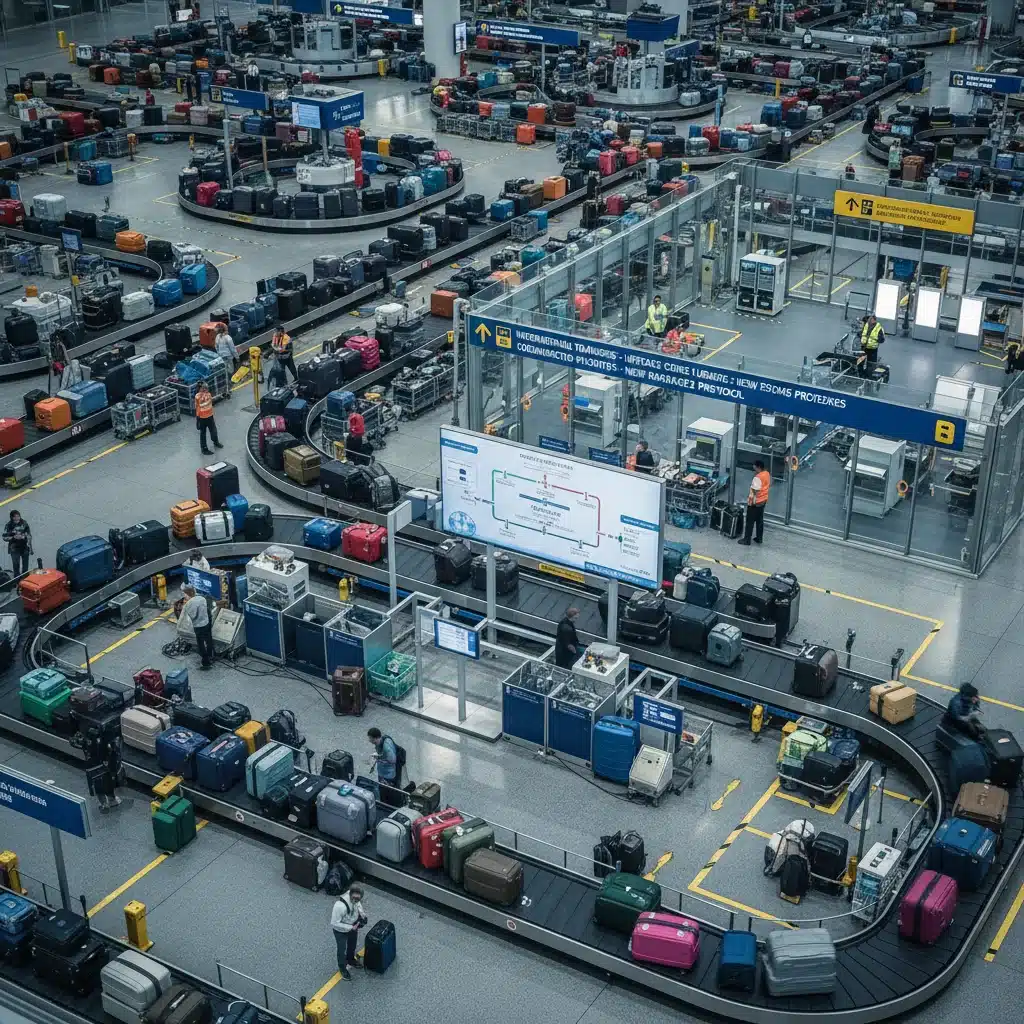
One of the most common points of confusion for international travelers connecting to domestic flights is baggage handling. Historically, after clearing customs, travelers had to collect their checked luggage, pass it through customs, and then re-check it with their airline for the domestic leg. While this fundamental process is unlikely to change entirely by 2026, there are ongoing efforts to streamline it:
- “Bags First” Initiatives: Some airports are experimenting with or implementing systems where checked bags are available for pickup almost immediately after passengers disembark, allowing them to proceed to customs with their luggage more quickly.
- Automated Baggage Re-check: More airports are deploying automated baggage re-check systems post-customs, where travelers can simply scan their boarding pass and drop their bags onto a conveyor, bypassing traditional check-in counters. This is a crucial element of improving US Customs Travel 2026 efficiency.
- Potential for Through-Checked Baggage: While not universally applied due to customs regulations, there’s a continuous push for more airlines and airports to facilitate through-checked baggage from international origin to final domestic destination, eliminating the need for re-checking after customs for certain routes or airline partnerships. Travelers should always confirm their specific airline’s policy.
Always verify your airline’s specific baggage re-check procedures for connecting flights, as these can vary significantly between carriers and airports.
Navigating Customs and Immigration: What to Expect in 2026
The core functions of customs and immigration remain essential, but the methods by which they are conducted are being refined. Here’s what you should anticipate:
Automated Passport Control (APC) and Mobile Passport Control (MPC)
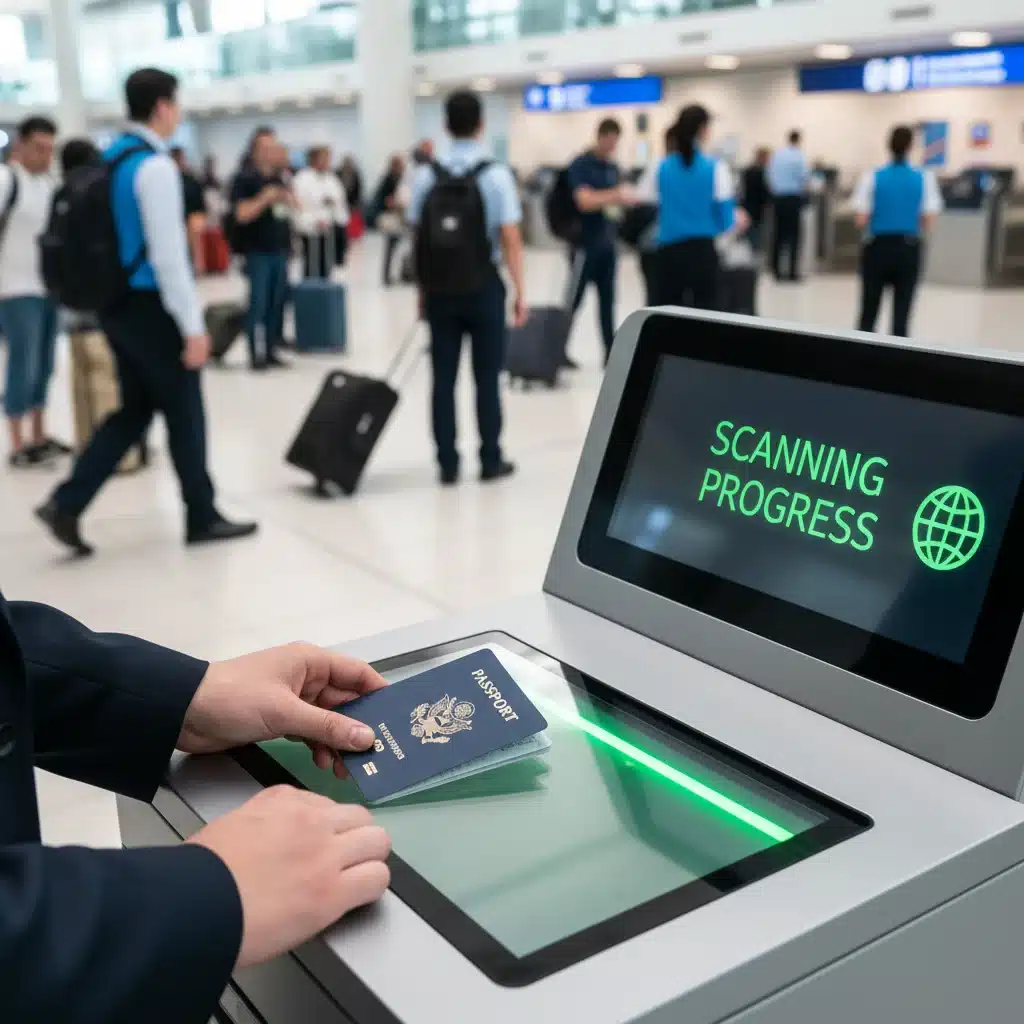
These programs are already widely available and are expected to be even more prevalent and efficient by 2026. APC kiosks allow eligible travelers to submit their customs declaration and biometric data electronically. MPC allows travelers to submit their passport and customs declaration information via a smartphone app prior to arrival, speeding up the process significantly.
- Eligibility: U.S. citizens, Canadian citizens, and eligible Visa Waiver Program (VWP) travelers often qualify for APC. MPC is available to U.S. citizens and Canadian B1/B2 visa holders.
- Preparation: Download the MPC app before your flight and complete the necessary information. For APC, simply follow the on-screen prompts at the kiosk.
Utilizing these technologies can drastically cut down on wait times, making your international to domestic connection much smoother. For those concerned about the speed of US Customs Travel 2026, these are invaluable tools.
Global Entry Program Enhancements
Global Entry members already benefit from expedited clearance. By 2026, expect further integration of Global Entry with biometric systems, potentially leading to even faster processing times. Enrollment in Global Entry is highly recommended for frequent international travelers, as it significantly reduces wait times at both immigration and customs.
Increased Focus on Digital Declarations
While paper customs declaration forms still exist, there’s a growing push towards digital declarations, whether through APC kiosks, MPC apps, or airline-provided digital platforms. Be prepared to submit your declaration electronically, which can save time and reduce errors.
Potential Challenges and How to Prepare
While the goal of CBP updates is to enhance efficiency, any change can present challenges. Being prepared is your best defense against unexpected delays, especially when dealing with US Customs Travel 2026.
Tight Connection Times
One of the biggest concerns for travelers with domestic connections is having enough time between flights. The general recommendation for international to domestic connections is at least 3-4 hours, and this advice remains critical for 2026. Even with efficiency improvements, unforeseen circumstances like flight delays, long queues, or secondary inspections can occur.
- Buffer Time: Always build in extra buffer time. A missed connection can be costly and stressful.
- Airline Policies: Understand your airline’s policy on missed connections, especially if your international and domestic flights are on separate tickets.
Secondary Screenings and Inspections
Even with advanced data analytics, some travelers may be selected for secondary screening. This could be due to random selection, information gathered during the primary inspection, or specific intelligence. If selected, cooperate fully with CBP officers. This process, while sometimes lengthy, is a crucial part of border security.
Technology Glitches
While technology aims to improve efficiency, glitches can happen. Be prepared for potential system outages or technical issues with kiosks or biometric scanners. In such cases, manual processing will be required, which could lead to longer wait times.
Practical Tips for a Smooth US Customs Travel 2026 Experience
Armed with knowledge of the impending changes, here are actionable tips to ensure your international to domestic connection in 2026 is as smooth as possible:
- Check Your Documentation Meticulously: Ensure your passport is valid for at least six months beyond your intended stay. If you need a visa or ESTA (for VWP countries), confirm it’s valid and up-to-date. Keep all necessary travel documents easily accessible.
- Enroll in Trusted Traveler Programs: If you travel internationally frequently, Global Entry is an invaluable investment. The expedited processing can save you significant time and stress.
- Utilize Mobile Passport Control (MPC): Download the MPC app before your trip and complete your profile. This can drastically reduce your time at immigration.
- Familiarize Yourself with CBP Declarations: Know what you can and cannot bring into the U.S. Declare all dutiable items, restricted goods, and currency above $10,000. Honesty is always the best policy.
- Understand Baggage Procedures: Confirm with your airline whether your bags will be through-checked or if you need to collect and re-check them after customs. Plan accordingly.
- Allow Ample Connection Time: As reiterated, a generous layover of 3-4 hours for international to domestic connections is highly recommended to account for any unforeseen delays.
- Stay Informed: Check the official CBP website (cbp.gov) and your airline’s website for the latest updates closer to your travel date. Policies can evolve.
- Remain Calm and Cooperative: If you encounter delays or are selected for additional screening, maintain a calm demeanor and cooperate fully with CBP officers.
- Pack Smart: Keep essential items, travel documents, medications, and any valuables in your carry-on luggage, especially if you have a tight connection.
- Know Your Rights: While cooperating with CBP is essential, it’s also important to be aware of your rights as a traveler. Information is available on the ACLU and other civil liberties organizations’ websites.
The Future of Cross-Border Travel: Beyond 2026
The updates for US Customs Travel 2026 are part of a larger, ongoing transformation in cross-border travel. The trend is clearly towards a more digital, data-driven, and biometric-centric approach. Travelers can anticipate even more integration of technology in the coming years, potentially leading to a more seamless, touchless experience from check-in to final destination.
Concepts like “pre-clearance” at foreign airports, where U.S. customs and immigration procedures are completed before boarding a flight to the U.S., are also expanding. While not every international gateway will offer this by 2026, it represents a significant step towards reducing congestion and processing times at U.S. ports of entry.
Furthermore, discussions around interoperability between different national border control systems are gaining traction. This could eventually lead to a global standard for traveler identity verification and information sharing, potentially simplifying international travel even further in the long term.
Conclusion: Preparing for a Seamless Journey in 2026
The US Customs Travel 2026 updates underscore a commitment to both national security and traveler facilitation. For those making international to domestic connections, being well-informed and prepared is the key to a smooth journey. By understanding the advancements in biometric technology, potential changes in baggage handling, and the benefits of trusted traveler programs, you can navigate the evolving landscape of U.S. border procedures with confidence.
Remember to always double-check the latest information from official sources, allocate ample time for connections, and utilize the technological tools available to you. With these preparations, your travels through U.S. airports in 2026, especially those involving domestic connections, will be as efficient and stress-free as possible. Safe travels!