Plastic-Free Travel: Your Ultimate Guide to Sustainable U.S. Journeys

Plastic-Free Travel: Achieving a 90% Reduction in Waste on Your U.S. Journeys by 2026
The allure of the open road, the majesty of national parks, the vibrant pulse of city life – exploring the United States offers an unparalleled tapestry of experiences. Yet, beneath the surface of every incredible journey lies a sobering truth: travel often leaves a significant environmental footprint. Single-use plastics, from water bottles to coffee cups and snack wrappers, contribute immensely to landfill waste and ocean pollution. But what if you could explore the U.S. and actively reduce your impact? What if you could embark on truly plastic-free travel, aiming for a remarkable 90% reduction in waste by 2026?
This comprehensive guide is your roadmap to achieving just that. We’ll delve into the ‘why,’ the ‘how,’ and the ‘what’ of sustainable, plastic-free travel across the U.S., empowering you to make conscious choices that benefit both your adventures and the planet.
The Urgency of Plastic-Free Travel: Why Your Choices Matter
Before we dive into the practicalities, it’s crucial to understand the magnitude of the problem we’re addressing. Plastic pollution is a global crisis, and the travel industry, with its reliance on convenience, is a major contributor. Every year, millions of tons of plastic waste are generated by tourists, much of which ends up in natural ecosystems, harming wildlife and ecosystems, and even entering our food chain.
The Environmental Toll of Single-Use Plastics
- Landfill Overload: Many plastic items are not recyclable and end up in landfills, where they can take hundreds of years to decompose, leaching harmful chemicals into the soil and groundwater.
- Ocean Pollution: An estimated 8 million tons of plastic enter our oceans annually, forming vast garbage patches and endangering marine life. Birds and marine animals often mistake plastic for food, leading to starvation or injury.
- Microplastic Contamination: As plastics break down, they form microplastics that permeate our environment, from the deepest oceans to the air we breathe and the food we eat. The long-term health effects are still being studied but are a growing concern.
- Resource Depletion: The production of plastic relies heavily on fossil fuels, contributing to greenhouse gas emissions and climate change.
By embracing plastic-free travel, you’re not just making a personal statement; you’re becoming part of a larger movement towards responsible consumption and environmental stewardship. Your actions, however small they may seem, collectively create a powerful ripple effect.
Setting Your Goal: A 90% Waste Reduction by 2026
A 90% reduction in plastic waste might sound ambitious, but it’s an achievable goal with intentional planning and consistent effort. This isn’t about perfection; it’s about progress. It means re-evaluating common travel habits and finding sustainable alternatives. Our target date of 2026 provides a clear horizon to work towards, allowing for gradual changes and adaptations that become second nature.
Understanding Your Current Plastic Footprint
Before you can reduce, you need to understand. Take a moment to reflect on your typical travel habits. What single-use plastic items do you commonly encounter or purchase during a trip? Think about:
- Water bottles
- Coffee cups and lids
- Plastic cutlery and straws
- Snack wrappers and plastic bags
- Miniature toiletries from hotels
- Plastic packaging on souvenirs
- Disposable razors and toothbrushes
Identifying these common culprits is the first step toward finding plastic-free travel solutions.
Phase 1: Essential Gear for Plastic-Free Travel (The Foundation)
The cornerstone of successful plastic-free travel is preparation. Equipping yourself with the right reusable items will eliminate the need for countless single-use plastics. Think of these as your personal toolkit for sustainable adventures.
Hydration Heroes: Water Bottles and Filters
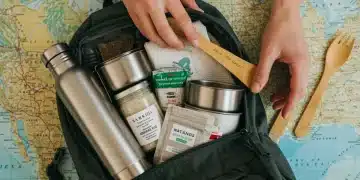
- Reusable Water Bottle: This is arguably the most critical item. Invest in a durable, insulated stainless steel bottle that keeps drinks cold or hot. Look for one with a wide mouth for easy cleaning and ice insertion.
- Portable Water Filter/Purifier: Especially when traveling to areas where tap water quality is questionable, or for hiking/camping, a good filter (like a Lifestraw or Grayl bottle) is invaluable. It allows you to safely refill from almost any source, drastically reducing the need for bottled water.
- Collapsible Water Bottle: For air travel or when space is tight, a collapsible silicone bottle can be a game-changer.
Dining & Snacking Saviors: Cutlery, Containers, and Bags
- Reusable Cutlery Set: A lightweight bamboo or stainless steel set in a small pouch is perfect for takeout, picnics, or street food.
- Reusable Food Containers: Pack a lightweight, collapsible silicone container or a stainless steel one. These are excellent for leftovers, packing snacks, or even asking restaurants for takeout in your own container.
- Cloth Napkins: Ditch paper napkins and bring a few washable cloth napkins.
- Reusable Shopping Bags: Always carry a compact, foldable reusable bag (or several!) for groceries, souvenirs, or unexpected purchases.
- Produce Bags: Small mesh or cloth bags are perfect for buying fruits and vegetables at markets, avoiding plastic produce bags.
Personal Care Essentials: Sustainable Swaps
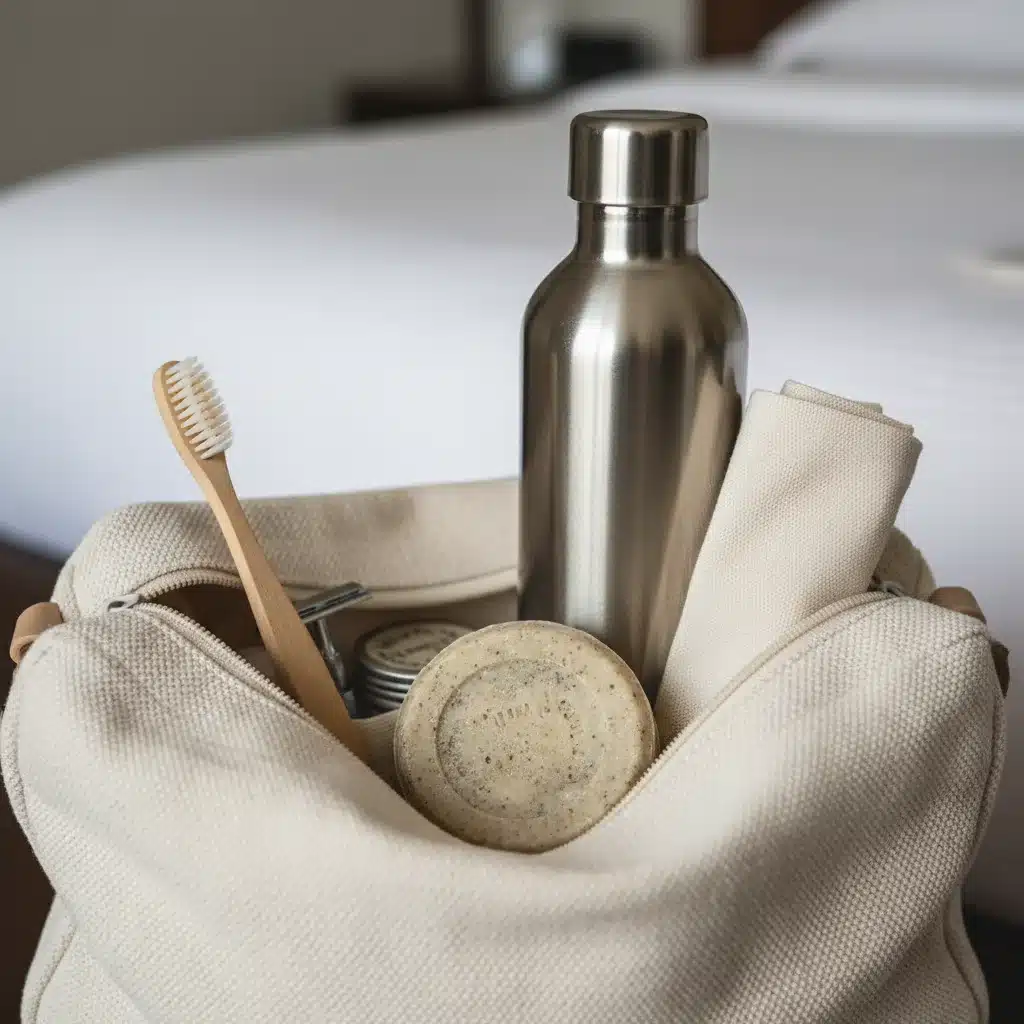
- Solid Toiletries: Swap liquid shampoos, conditioners, and soaps for solid bars. They last longer, are concentrated, and eliminate plastic bottles.
- Bamboo Toothbrush: A biodegradable alternative to plastic toothbrushes.
- Refillable Deodorant: Many brands now offer refillable deodorant sticks or natural cream deodorants in tins.
- Safety Razor: A durable, long-lasting safety razor with replaceable blades eliminates disposable plastic razors.
- Menstrual Cup/Reusable Pads: For menstruating individuals, these significantly reduce waste compared to single-use tampons and pads.
- Sunscreen/Insect Repellent in Tins or Solid Sticks: Seek out brands that offer plastic-free packaging for these essentials.
Phase 2: Mindful Practices for Plastic-Free Travel (The Execution)
Having the right gear is only half the battle. The other half is consciously integrating plastic-free travel practices into your daily travel routine. This requires a shift in mindset and a willingness to ask questions and sometimes politely decline.
Dining Out and Takeout Strategies
- Dine In Whenever Possible: This is the simplest way to avoid single-use containers, cutlery, and cups. Enjoy the atmosphere and savor your meal.
- Bring Your Own Container for Takeout: When ordering takeout, politely ask if they can use your reusable container. While not all establishments can accommodate this due to health regulations, many local, eco-conscious businesses are happy to oblige. It never hurts to ask!
- Refuse Straws and Plastic Cutlery: Make it a habit to say “no straw, please” when ordering drinks and always carry your reusable cutlery set.
- Seek Out Farmers’ Markets and Local Stores: Buy fresh produce, snacks, and ingredients that come with minimal or no packaging. Bring your reusable produce bags and shopping bags.
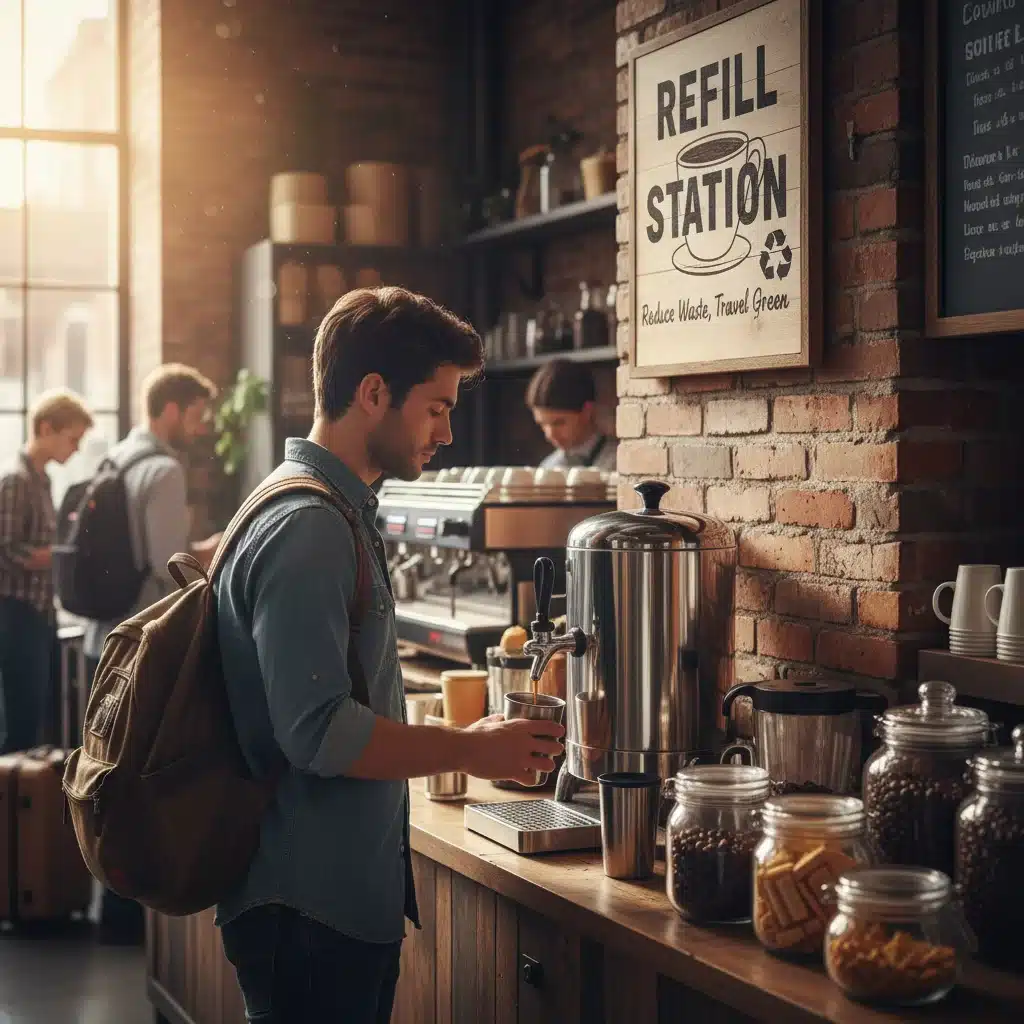
- Coffee Shop Protocol: Always bring your reusable coffee cup. Many cafes offer a small discount for doing so.
Accommodation Choices: Beyond the Hotel Minis
- Choose Eco-Friendly Accommodations: Research hotels or guesthouses that prioritize sustainability. Look for certifications, refillable bulk toiletries, and strong recycling programs.
- Opt for Vacation Rentals with Kitchens: Staying in an Airbnb or similar rental with a kitchen allows you to cook your own meals, reducing reliance on takeout and its associated plastic waste. You can also shop for groceries in bulk or with less packaging.
- Decline Daily Linen Changes: If you’re staying for more than one night, hang your towel to dry and consider declining daily sheet changes to conserve water and energy.
- BYO Toiletries: Even if a hotel offers bulk dispensers, bringing your own solid toiletries ensures you’re completely plastic-free travel in your personal care routine.
Exploring and Activities: Mindful Consumption
- Pack Your Own Snacks: Avoid impulse purchases of individually wrapped snacks by bringing your own in reusable containers. Think homemade granola bars, fruit, nuts, or sandwiches.
- Refuse Flyers and Brochures: Most information is available digitally. Minimize paper waste and avoid plastic-coated pamphlets.
- Choose Experiences Over Souvenirs: Instead of buying trinkets often made of plastic or heavily packaged, invest in experiences, local crafts made from sustainable materials, or consumable goods like local food items.
- Leave No Trace Principles: Always pack out everything you pack in, including food scraps and any accidental plastic waste you might generate.
Phase 3: Advanced Strategies for a 90% Reduction (The Deep Dive)
Once you’ve mastered the basics, it’s time to elevate your plastic-free travel game to reach that ambitious 90% reduction goal. This involves a bit more planning and a deeper commitment to conscious consumption.
Bulk Buying and Zero-Waste Stores
- Locate Zero-Waste Stores: Before your trip, research if your destination has any zero-waste or bulk-food stores. These stores allow you to bring your own containers to fill up on staples like grains, nuts, spices, and even cleaning supplies.
- Understand Bulk Options: Even conventional grocery stores often have bulk sections for nuts, coffee beans, and dried fruits. Bring your own bags or containers to fill them.
- Plan Your Meals: Cooking some of your meals will significantly reduce your reliance on pre-packaged foods.
Transportation and Packing
- Minimize Air Travel: Air travel is a significant contributor to carbon emissions. When possible, opt for trains, buses, or carpooling for shorter distances. If flying, choose airlines with strong sustainability initiatives.
- Pack Light: Less luggage means less fuel consumption if flying or driving. It also makes it easier to manage your reusable items.
- Sustainable Luggage: Consider luggage made from recycled or durable, long-lasting materials.
Engaging with Local Communities
- Support Eco-Conscious Businesses: Prioritize businesses that demonstrate a commitment to sustainability, whether it’s a restaurant using local produce, a shop selling handmade goods, or a tour operator focused on eco-tourism.
- Educate Others (Gently): Share your plastic-free travel practices with friends and family. Lead by example, and offer tips without being preachy.
- Participate in Local Clean-ups: If you have time, join a local beach or park clean-up. It’s a fantastic way to give back to the places you visit.
Overcoming Challenges and Staying Motivated
Embracing plastic-free travel isn’t always easy. You’ll encounter situations where single-use plastics seem unavoidable, or where your efforts feel like a drop in the ocean. Here’s how to navigate common challenges:
- It’s a Journey, Not a Destination: Don’t get discouraged by occasional slip-ups. Every conscious choice you make contributes to your goal. The aim is significant reduction, not absolute elimination overnight.
- Preparation is Key: Most challenges arise from lack of preparation. Always double-check your reusable items before leaving your accommodation.
- Be Polite but Firm: When asking for no straw or to use your own container, be polite but clear. If a business can’t accommodate, understand their reasons and find an alternative if possible.
- Research Ahead: For specific destinations, a quick online search can reveal local refill stations, zero-waste shops, or eco-friendly dining options.
- Focus on the Big Wins: Eliminating bottled water and disposable coffee cups alone can cut a huge amount of plastic. Celebrate these successes.
- Community Support: Join online communities or groups dedicated to zero-waste or sustainable living. Sharing tips and experiences can be incredibly motivating.
The Future of Plastic-Free Travel in the U.S. by 2026
As we look towards 2026, the landscape for plastic-free travel in the U.S. is continuously evolving. More businesses are adopting sustainable practices, and consumer demand for eco-friendly options is growing. Here’s what we can anticipate and how you can contribute to this positive change:
- Increased Availability of Refill Stations: Expect to see more water refill stations in public spaces, airports, and national parks.
- Wider Acceptance of Reusable Containers: As awareness grows, more food establishments will likely become accustomed to and even encourage customers to bring their own containers.
- Innovation in Sustainable Packaging: The market for plastic-free alternatives will continue to expand, offering more choices for everything from snacks to toiletries.
- Policy Changes: Local and state governments may implement more bans on single-use plastics, making plastic-free travel easier by default.
- Your Influence: Every time you choose a sustainable option or politely decline plastic, you send a signal to businesses and policymakers that there is a demand for change. Your choices have power.
Conclusion: Your Role in a More Sustainable Future
Embarking on plastic-free travel across the U.S. is more than just a trend; it’s a commitment to preserving the incredible natural beauty and cultural richness of this country for generations to come. By aiming for a 90% reduction in plastic waste by 2026, you’re setting a powerful personal goal that contributes to a much larger global movement.
Start small, be consistent, and celebrate every step of your journey. With the right gear, mindful practices, and a determined spirit, your U.S. adventures can be both unforgettable and incredibly sustainable. Let’s make every journey a testament to responsible exploration, leaving only footprints and taking only memories.
What are your favorite plastic-free travel tips for exploring the U.S.? Share them in the comments below!