Community-First Travel: Boost Local U.S. Economies by 20% This Year
Community-First Travel: Boosting Local U.S. Economies One Trip at a Time
In an increasingly interconnected world, the way we travel has profound impacts, not just on our personal experiences, but on the destinations we visit. The concept of community-first travel is gaining significant traction, and for good reason. It’s about intentionally directing your travel spending to ensure it directly benefits the local people and businesses in the U.S. communities you explore. This year, imagine if every traveler committed to ensuring at least 20% of their travel budget flowed directly into the hands of local economies. The ripple effect would be transformative.
This comprehensive guide will delve into what community-first travel truly means, why it’s more crucial than ever for U.S. destinations, and most importantly, how you can implement practical strategies to make a tangible difference. We’ll show you how to identify opportunities, make conscious choices, and ultimately, become a more responsible and impactful traveler.
Understanding Community-First Travel: More Than Just a Buzzword
At its core, community-first travel is a philosophy that prioritizes the well-being and economic empowerment of the local residents and small businesses within a travel destination. It’s a departure from mass tourism models where a significant portion of tourist dollars often leaves the local economy, flowing instead to large, often international, corporations.
When you engage in community-first travel, you are actively choosing to support:
- Local Entrepreneurs: Small business owners, artisans, farmers, and service providers who live and work in the community.
- Cultural Preservation: Businesses and initiatives that maintain and promote local traditions, arts, and heritage.
- Economic Resilience: Communities that may be economically vulnerable, providing them with stable income and opportunities.
- Authentic Experiences: Genuine interactions and insights into the local way of life, beyond the typical tourist traps.
The goal isn’t just to see a place; it’s to experience it in a way that enriches both you and the people who call it home. By focusing on local economic benefit, we contribute to a more equitable and sustainable tourism ecosystem.
Why 20%? The Power of a Tangible Goal for Local U.S. Economies
Setting a concrete goal, like directing 20% of your travel spending to local U.S. economies, makes the abstract concept of sustainable travel actionable. Why 20%? It’s a significant, yet achievable, target that can create a noticeable impact. Consider the average American traveler’s budget for a trip. If even a fifth of that budget is consciously redirected from large chains to local establishments, the cumulative effect across millions of travelers would be immense.
This 20% benchmark isn’t arbitrary; it’s a call to action. It encourages you to critically evaluate your spending habits and find meaningful alternatives. It pushes you to look beyond the obvious and seek out the hidden gems that truly power a local economy.
The Economic Multiplier Effect
When you spend money at a locally owned business, that money often stays within the community, circulating multiple times. This is known as the "economic multiplier effect." For example, a local restaurant owner might use your money to buy ingredients from a local farm, pay their local staff, and hire a local plumber. Each of these transactions keeps the money moving within the community, generating more income and jobs. In contrast, money spent at a large chain hotel or restaurant often leaves the community quickly, going to corporate headquarters elsewhere.
By aiming for 20% local spending, you’re not just making a single purchase; you’re contributing to a powerful economic cycle that builds community wealth and resilience.
Practical Strategies for Achieving Your 20% Local Spending Goal
Now that we understand the ‘why,’ let’s dive into the ‘how.’ Here are actionable strategies to ensure a significant portion of your travel dollars directly benefits local U.S. economies:
1. Choose Local Accommodation
Your choice of where to sleep can be one of the most impactful decisions. Instead of large hotel chains, consider:
- Boutique Hotels and Inns: Often locally owned and operated, these establishments frequently source local products for their breakfasts and amenities.
- Bed & Breakfasts (B&Bs): Almost always family-run, B&Bs offer a personal touch and directly support local families.
- Vacation Rentals (with a caveat): While platforms like Airbnb and VRBO can connect you with local hosts, be mindful of properties owned by out-of-town investors. Prioritize rentals managed by local residents or small, local property management companies.
- Farm Stays: An incredible way to experience rural life and directly support agricultural communities.
Tip: Look for independent establishments with unique character. Read reviews that mention local ownership or community involvement.
2. Eat and Drink Local
Food and beverage are prime areas for channeling funds into local economies.
- Independent Restaurants and Cafes: Seek out eateries that are not part of national chains. Look for "farm-to-table" or "locally sourced" menus.
- Farmers’ Markets: A fantastic way to buy fresh produce, baked goods, and prepared foods directly from local growers and producers. This is direct support at its best.
- Local Breweries, Wineries, and Distilleries: Many U.S. regions boast thriving craft beverage scenes. Visiting these establishments supports local agriculture, production, and often, tourism.
- Food Trucks and Street Vendors: Often small, independent operations that add unique flavor to a community.
Tip: Ask locals for their favorite spots! They’ll often point you to the best hidden culinary gems. Check local online guides or community Facebook groups for recommendations.
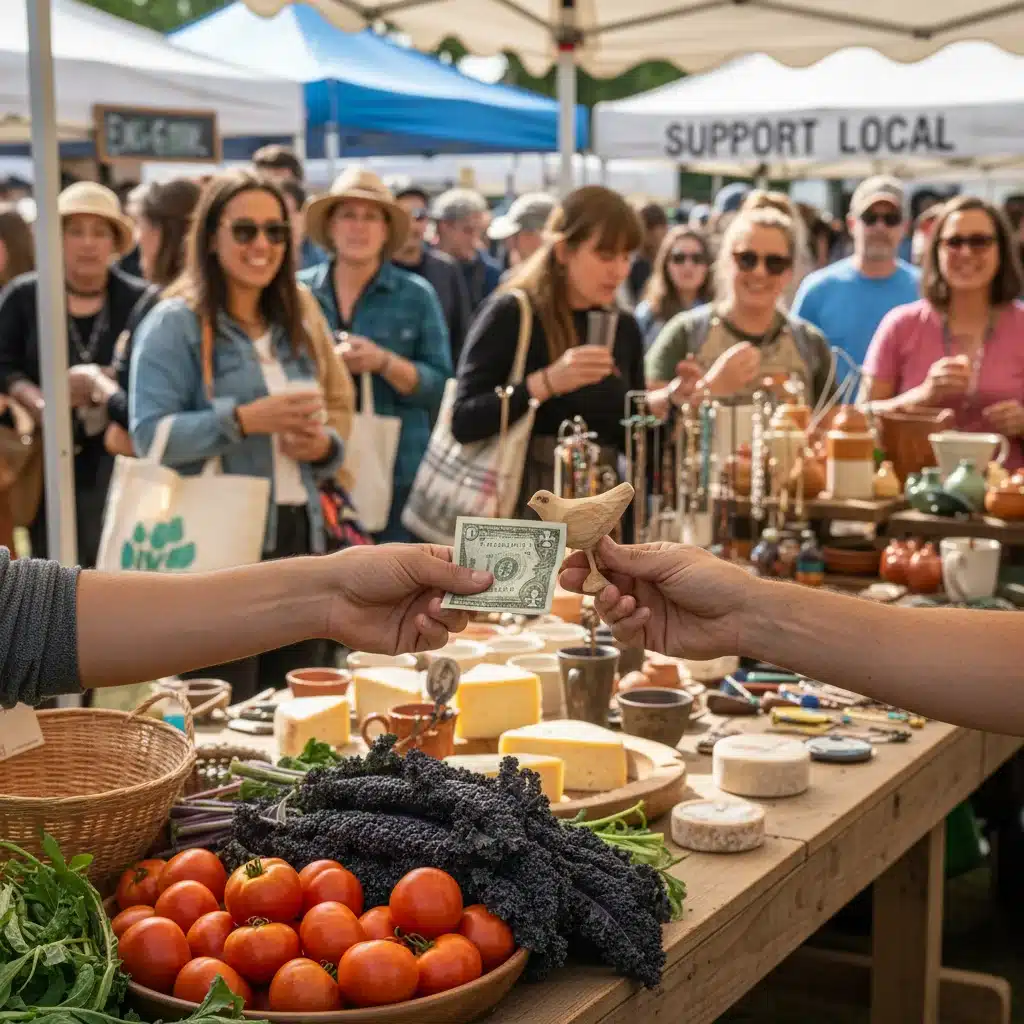
3. Shop Small and Support Local Artisans
Souvenirs and gifts are an opportunity to support local craftspeople and businesses.
- Independent Boutiques and Gift Shops: Look for stores that feature local artists, designers, and products. Avoid generic souvenir shops.
- Art Galleries and Craft Fairs: Directly purchase unique items from the creators themselves.
- Bookstores and Music Shops: Support independent bookstores and music stores, which are often cultural hubs in their communities.
- Antique and Vintage Stores: These businesses often source their inventory locally and contribute to a circular economy.
Tip: Engage with shop owners. Ask about the origin of their products and the stories behind them. This not only supports local businesses but also enriches your travel experience.
4. Engage with Local Tour Operators and Guides
When booking experiences, prioritize local expertise.
- Independent Tour Companies: Choose smaller, locally owned tour operators over large, national or international ones.
- Local Guides: Hire individual local guides for walking tours, historical insights, or outdoor adventures. They offer authentic perspectives and directly benefit from your patronage.
- Community-Based Experiences: Look for experiences that are designed and run by community members, such as cooking classes with local chefs, workshops with local artisans, or cultural heritage tours.
Tip: Search for "[destination] local tours" or "[destination] independent guides" online. Many local tourism boards highlight these options.
5. Utilize Local Transportation and Services
Even your daily commutes and incidental needs can be opportunities for community-first travel.
- Local Taxis/Ride Shares/Public Transport: Where available, prioritize local taxi companies or public transportation systems over major ride-sharing apps, especially if local alternatives exist.
- Bike Rentals: Many towns have local bike shops that offer rentals, providing a fun and eco-friendly way to explore while supporting a small business.
- Local Services: Need a haircut? A dry cleaner? A pharmacy? Seek out independent local establishments.
Tip: A quick search on Google Maps for "[service] near me" will often highlight independent options alongside larger chains.
6. Attend Local Events and Support Non-Profits
Beyond direct commerce, engaging with local events and charitable organizations can also funnel money and support into the community.
- Local Festivals and Fairs: Attending these events often means buying tickets or goods from local vendors, and supporting community organizations.
- Live Music and Theater: Support local artists and venues by attending performances.
- Museums and Historical Sites: Many are non-profits, and your entry fee directly contributes to their upkeep and educational programs.
- Volunteer Opportunities: If time allows, dedicate a few hours to a local charity or environmental project. While not direct spending, it’s an invaluable contribution to the community’s well-being.
Tip: Check the local tourism office or community bulletin boards for event listings during your visit.
Measuring Your Impact: How to Track Your 20% Goal
While you don’t need a detailed spreadsheet, being mindful of your spending can help you achieve your 20% goal. Here are a few ways to keep track:
- Categorize Your Spending: Mentally (or physically) categorize your purchases into "local" vs. "non-local."
- Keep Receipts: At the end of your trip, quickly tally up your local spending. You might be surprised at how easy it is to hit 20% once you’re intentional.
- Focus on Major Purchases: Accommodation and dining are typically the largest components of a travel budget. Prioritizing local options in these areas will make a significant dent in your 20% goal.
- Reflect and Adjust: After a trip, think about what went well and what could be improved. This helps you refine your community-first travel approach for future adventures.
Remember, the goal is not to be perfect, but to be intentional. Every dollar channeled locally makes a difference.
The Broader Benefits of Community-First Travel in the U.S.
Beyond the direct economic injection, embracing community-first travel offers a multitude of benefits for both travelers and destinations:
Enhanced Authenticity and Cultural Exchange
When you choose local, you’re not just getting a product or service; you’re getting a piece of the local culture and character. You’ll encounter unique stories, traditions, and perspectives that are often diluted or absent in mainstream tourism. This leads to more meaningful interactions and a deeper understanding of the places you visit.
Environmental Sustainability
Local businesses often have a smaller environmental footprint. They may source ingredients and materials locally, reducing transportation emissions. Many independent businesses are also more likely to adopt sustainable practices because they are deeply invested in the health and longevity of their home communities.
Preservation of Local Character
Supporting local businesses helps prevent the homogenization of destinations. When local shops, restaurants, and cultural institutions thrive, they maintain the unique identity and charm of a place, making it more appealing for future travelers and residents alike. Without this support, many unique small businesses struggle to compete with larger chains, leading to a loss of local character.
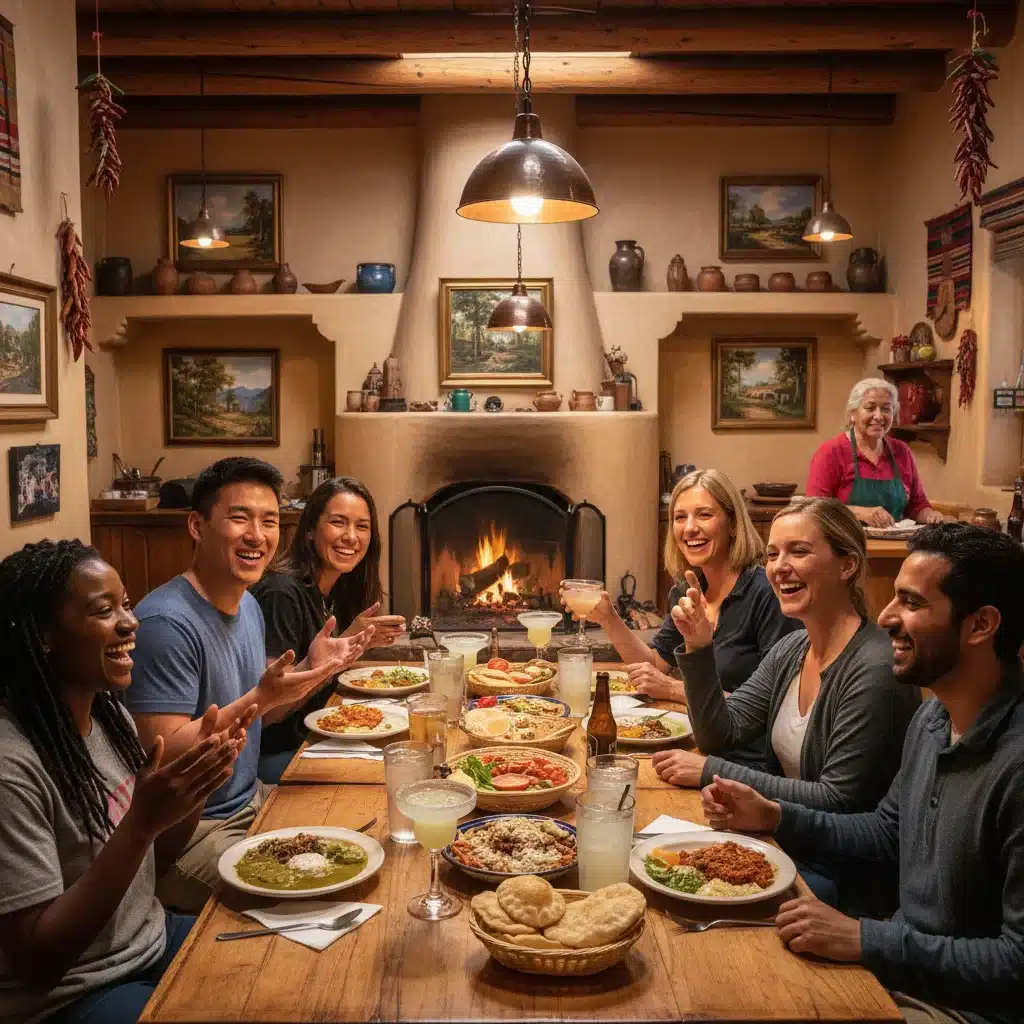
Increased Community Pride and Well-being
When tourists actively seek out and appreciate local offerings, it instills a sense of pride and validation within the community. This positive reinforcement can lead to further investment in local infrastructure, cultural programs, and overall community well-being, creating a virtuous cycle.
Resilience Against Economic Downturns
A diversified local economy, bolstered by conscious consumer choices, is more resilient to external economic shocks. When communities rely heavily on a few large industries or chain businesses, they are more vulnerable. Supporting a wide range of local enterprises helps spread economic risk and build a stronger foundation.
Addressing Common Concerns and Misconceptions
Some travelers might have reservations about adopting a community-first travel approach. Let’s address a few:
"Is it more expensive?"
Not necessarily. While some artisanal products or boutique accommodations might have a higher price point than their mass-produced counterparts, many local options, especially in dining (e.g., farmers’ markets, local diners), can be very affordable. The key is value – you’re often paying for quality, authenticity, and direct community benefit, which can be priceless.
"Is it harder to plan?"
It might require a little more research upfront than simply booking with a well-known chain, but the internet has made it incredibly easy to find local alternatives. Websites like Yelp, TripAdvisor, Google Maps, and local tourism board sites are excellent resources. Plus, the reward of discovering unique, off-the-beaten-path experiences far outweighs the minimal extra planning.
"What if there aren’t many local options?"
Even in areas dominated by chains, there are usually local gems to be found. Look for independently owned coffee shops, small diners, local parks, or community events. Every small choice adds up. And sometimes, even choosing a chain that employs a significant number of local staff (and you verify this) can be a step in the right direction, though direct local ownership is always preferable.
Making Community-First Travel Your New Standard
Embracing community-first travel is not about sacrificing comfort or convenience; it’s about making conscious, informed choices that align with your values. It’s about recognizing the power of your dollar and directing it towards a more equitable and sustainable form of tourism.
By committing to ensuring 20% of your travel spending directly benefits local U.S. economies this year, you become an agent of positive change. You contribute to the thriving unique character of American towns and cities, empower small business owners, and foster genuine connections with the people and places you visit.
Start small, be curious, and let your travels be a force for good. The adventure of discovering local treasures and knowing your journey has a positive impact is perhaps the most rewarding travel experience of all. So, pack your bags, do your research, and embark on a new era of travel – one where communities come first.