Local Immersion Movement: US Travelers Connecting Deeper in 2026
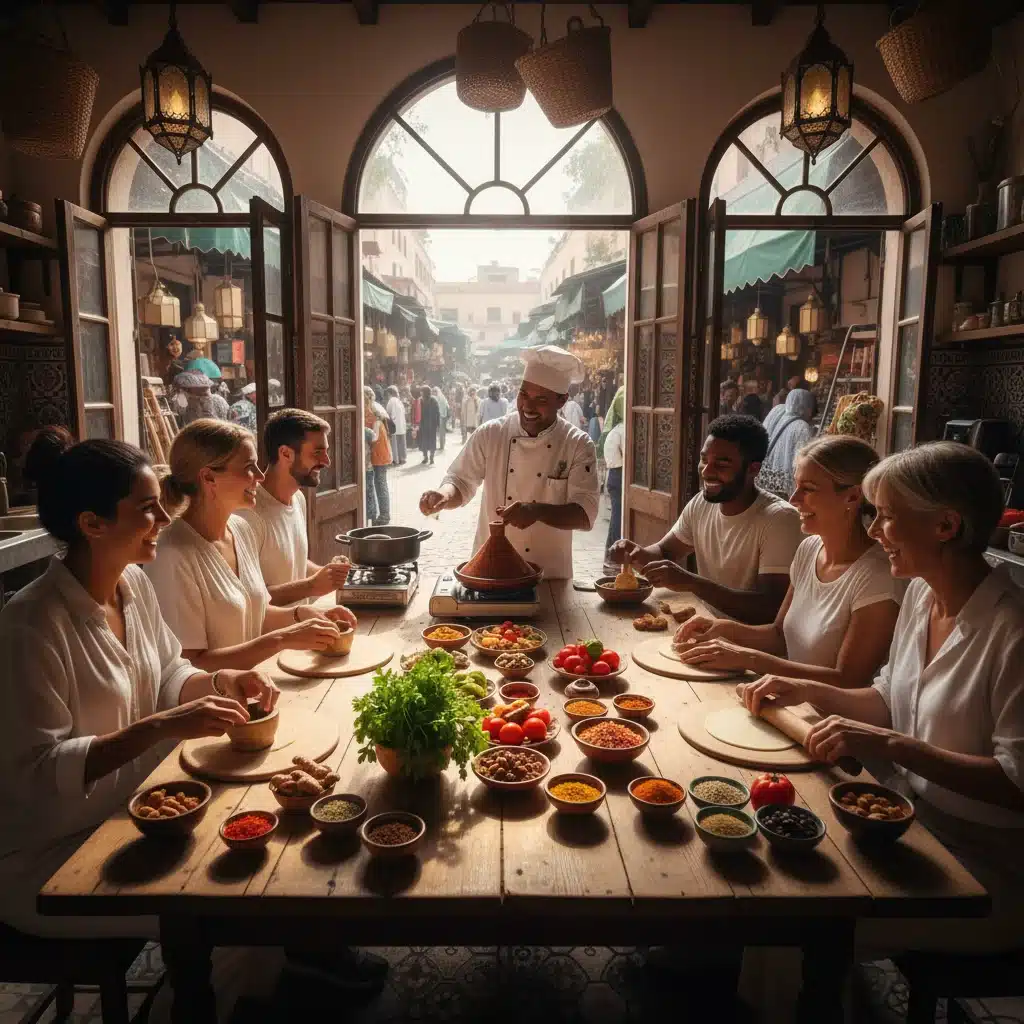
In an ever-globalizing world, the way we travel is constantly evolving. Gone are the days when a quick snap of a landmark and a tourist-trap meal sufficed for the adventurous spirit. As we step into 2026, a powerful trend is dominating the travel landscape for US citizens: the local immersion travel movement. This isn’t just about visiting a place; it’s about truly living it, breathing its culture, understanding its people, and leaving a positive footprint.
The desire for authentic experiences has never been stronger. After years of limited travel and a growing awareness of global interconnectedness, US travelers are actively seeking to transcend the superficial. They want to move beyond the curated itineraries and dive headfirst into the heart of a destination, fostering genuine connections that enrich both themselves and the communities they visit. This shift represents a profound redefinition of what it means to travel meaningfully.
What exactly is local immersion travel? At its core, it’s about experiencing a destination through the eyes of its residents. It means opting for local guesthouses over international hotel chains, dining at family-run eateries instead of global franchises, and participating in community-led activities rather than mass-market tours. It’s about learning a few phrases of the local language, understanding local customs, and contributing directly to the local economy. This approach not only provides a richer, more memorable journey for the traveler but also promotes sustainable and responsible tourism practices.
The benefits are manifold. For travelers, it offers unparalleled insights into different ways of life, fostering empathy, broadening perspectives, and creating unforgettable stories. For the host communities, it brings economic benefits directly to local entrepreneurs, supports cultural preservation, and encourages cross-cultural understanding. It’s a win-win scenario that is rapidly gaining traction, transforming the global tourism industry.
Understanding the Shift: Why Local Immersion Travel is Booming
Several factors are fueling the surge in local immersion travel. Firstly, the digital age has made it easier than ever to research and connect with local hosts and businesses. Platforms dedicated to unique accommodations, peer-to-peer experiences, and community-based tours have democratized access to authentic travel opportunities. Travelers are no longer solely reliant on traditional tour operators; they can craft highly personalized itineraries that reflect their interests and values.
Secondly, there’s a growing awareness of the environmental and social impacts of mass tourism. Many travelers are actively seeking ways to minimize their carbon footprint and ensure their travel dollars benefit local populations rather than large corporations. Local immersion travel inherently aligns with these values, encouraging slower, more thoughtful journeys and direct engagement with local economies.
Thirdly, the pandemic prompted a period of introspection for many. With travel restricted, people began to re-evaluate their priorities, fostering a deeper appreciation for human connection and meaningful experiences. As borders reopened, the desire to travel with purpose and connect on a more profound level became a driving force, pushing travelers away from superficial tourism towards genuine authentic local experiences.
Finally, social media, while often criticized for promoting performative travel, has also played a role in showcasing the beauty and richness of immersive experiences. Travelers are inspired by authentic stories and images shared by others who have ventured off the beaten path, demonstrating that true adventure lies in connecting with people and cultures, not just monuments.
The 5 Ways US Travelers Are Connecting Deeper in 2026 Through Local Immersion Travel
So, how exactly are US travelers embracing this movement? Here are the top five ways they are achieving profound local immersion travel experiences in 2026:
1. Embracing Homestays and Local Accommodations
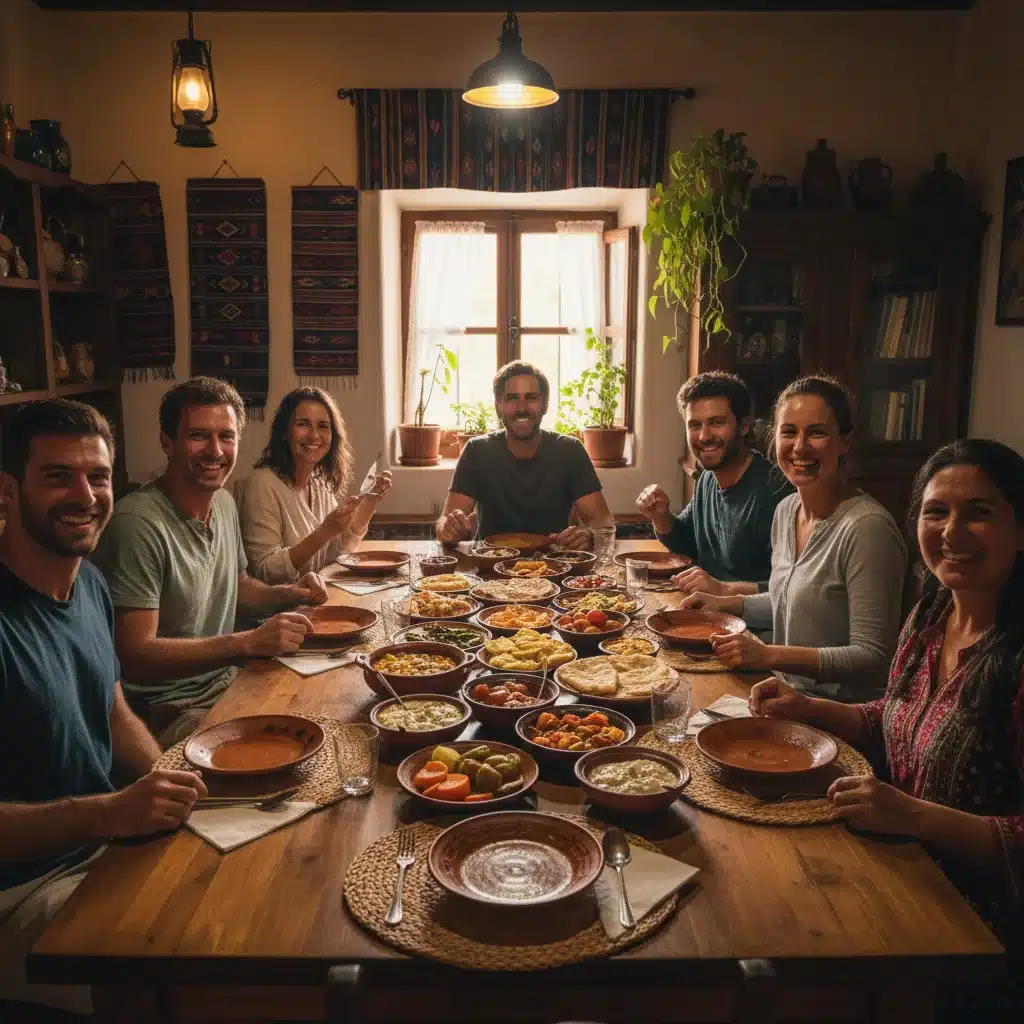
One of the most direct routes to local immersion travel is through accommodation choices. Instead of large hotels, US travelers are increasingly opting for homestays, guesthouses, and boutique hotels run by local families. This choice immediately opens doors to cultural exchange. Imagine waking up to the aroma of a home-cooked breakfast, prepared with local ingredients, and sharing conversations with your hosts about daily life, traditions, and recommendations for truly authentic experiences. These interactions often go beyond transactional lodging, fostering friendships and providing invaluable insights that no guidebook could offer.
Platforms that connect travelers with local hosts have seen a significant rise in popularity. These services not only provide unique lodging options but also often facilitate cultural exchanges, from sharing meals to learning about local customs. This approach to accommodation transforms a mere place to sleep into a vibrant hub of cultural learning and personal connection, making it a cornerstone of the local immersion travel experience.
Furthermore, staying in locally owned establishments directly supports the community. The money spent goes straight into the hands of residents, helping to sustain local economies and preserve cultural heritage. This conscious choice is a powerful way for travelers to make a positive impact while enjoying a more authentic and enriching journey.
2. Participating in Community-Led Tours and Workshops
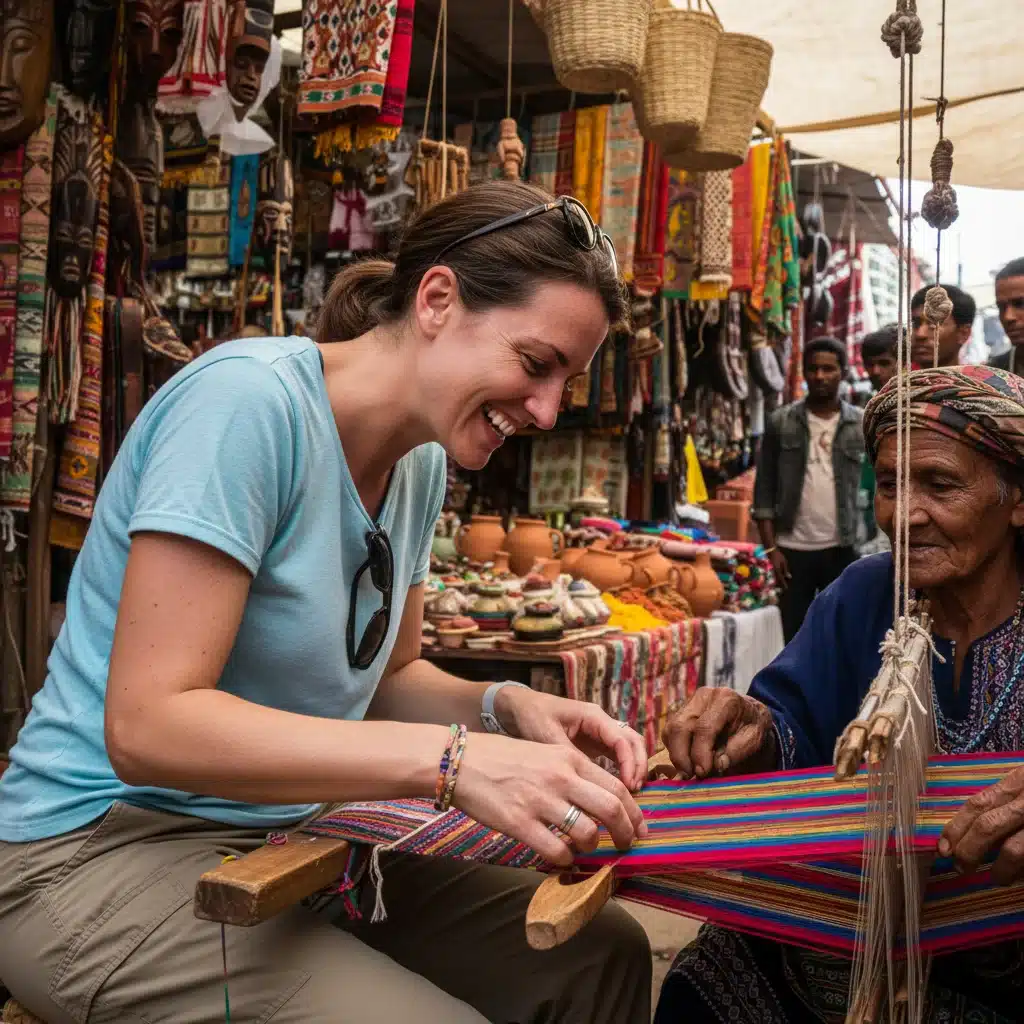
Beyond traditional sightseeing, US travelers are actively seeking out experiences that allow them to participate in local life. This includes community-led tours, cooking classes, artisan workshops, and language exchange programs. These activities move beyond passive observation, inviting travelers to become active participants in the local culture. Learning to prepare a traditional dish from a local chef, weaving a textile with a master artisan, or even volunteering for a few hours with a local charity offers a depth of understanding that a bus tour simply cannot match.
These immersive experiences are often designed and run by local residents, ensuring authenticity and direct economic benefit to the community. They provide a platform for genuine interaction, allowing travelers to ask questions, share stories, and gain a firsthand perspective on daily life. This direct engagement is crucial for fostering empathy and building bridges between cultures, embodying the true spirit of local immersion travel.
The rise of specialized platforms connecting travelers with these unique local experiences has made it easier than ever to find and book such activities. From learning traditional dance to participating in a local harvest, the options for hands-on cultural engagement are vast and varied, catering to a wide range of interests and skill levels.
3. Prioritizing Local Cuisine and Markets
Food is a universal language, and for US travelers seeking local immersion travel, it’s a primary gateway to understanding a culture. In 2026, the focus is firmly on exploring local markets, dining at street food stalls, and frequenting small, family-owned restaurants. This approach not only tantalizes the taste buds with authentic flavors but also provides a glimpse into the daily rhythm of local life.
Visiting a bustling local market is an experience in itself. It’s a sensory overload of sights, sounds, and smells, where travelers can interact with vendors, learn about local produce, and even try their hand at haggling (respectfully, of course). Eating where the locals eat, whether it’s a hole-in-the-wall eatery or a popular street food vendor, offers a taste of genuine culinary traditions and often leads to unexpected conversations and connections.
Beyond just eating, many travelers are now taking cooking classes with local residents, learning to prepare traditional dishes using fresh, local ingredients. This hands-on experience provides a deeper appreciation for the food culture and allows travelers to take a piece of their journey home with them. This culinary exploration is an indispensable component of the local immersion travel movement, offering delicious insights into a destination’s soul.
4. Engaging in Responsible and Sustainable Tourism Practices
The local immersion travel movement is inherently linked to responsible and sustainable tourism. US travelers are increasingly conscious of their environmental and social impact, choosing destinations and activities that align with their values. This means supporting businesses that employ ethical practices, respecting local customs and traditions, and striving to minimize their ecological footprint.
Sustainable travel choices include opting for public transportation, reducing waste, conserving resources, and choosing tour operators that prioritize community benefit and environmental protection. Travelers are actively seeking out opportunities to contribute positively, whether through eco-tourism initiatives, supporting local conservation efforts, or simply being mindful guests.
This commitment to responsibility extends to cultural sensitivity. Immersive travelers make an effort to learn about local etiquette, dress codes, and social norms, ensuring their presence is respectful and welcomed. This thoughtful approach not only enhances their own experience but also fosters positive relationships with host communities, solidifying the long-term viability of local immersion travel.
5. Learning Basic Local Language Phrases
While English is widely spoken in many tourist destinations, making an effort to learn a few basic phrases in the local language can dramatically enhance the local immersion travel experience. Even a simple ‘hello,’ ‘thank you,’ or ‘please’ in the local tongue can open doors, break down barriers, and show a profound respect for the culture.
Locals often appreciate the effort, even if the pronunciation isn’t perfect. It signals a willingness to engage and connect on a deeper level, often leading to warmer interactions, more genuine conversations, and unique opportunities. Learning a few phrases can also be incredibly practical, aiding in navigation, ordering food, and understanding local nuances.
Many travelers are now utilizing language learning apps or taking quick online courses before their trips to gain a foundational understanding. This small investment of time can yield significant rewards, transforming a simple encounter into a memorable cultural exchange and deepening the overall sense of local immersion travel.
The Impact of Local Immersion Travel on US Travelers and Host Communities
The rise of local immersion travel is not just a passing trend; it’s a fundamental shift in travel philosophy with profound implications for both travelers and host communities. For US travelers, the benefits extend far beyond a pleasant vacation. It fosters personal growth, broadens cultural understanding, and builds empathy. Returning home, these travelers often carry with them a richer perspective, a deeper appreciation for diversity, and a renewed sense of global citizenship.
These experiences challenge preconceptions, break down stereotypes, and encourage critical thinking. They move beyond the superficiality often associated with mass tourism, offering a more nuanced and authentic understanding of the world. The connections made with local individuals often become the most cherished memories, lasting long after the journey has ended.
For host communities, local immersion travel offers a more sustainable and equitable form of tourism. By directing economic benefits to local businesses and individuals, it helps preserve cultural heritage, supports local livelihoods, and empowers communities to have more control over their tourism development. It encourages the celebration of unique traditions and landscapes, rather than their commodification.
Furthermore, the direct interaction with travelers can foster mutual understanding and respect. When travelers engage respectfully and genuinely, it creates a positive exchange that benefits both parties, breaking down cultural barriers and promoting global harmony. This symbiotic relationship is at the heart of the movement’s success and its potential for long-term positive impact.
Challenges and Considerations in Local Immersion Travel
While the benefits of local immersion travel are clear, it’s also important to acknowledge potential challenges and considerations. One key aspect is ensuring that the pursuit of authenticity doesn’t inadvertently lead to the commercialization or exploitation of local cultures. Travelers and operators must remain vigilant against ‘staged authenticity,’ where experiences are manufactured to appear local but lack genuine connection.
Another challenge lies in striking a balance between immersion and respect for privacy. While travelers seek to understand local life, it’s crucial to remember that communities are not exhibits. Respecting personal boundaries, being mindful of noise levels, and understanding when to observe versus participate are all vital aspects of responsible local immersion travel.
Logistical considerations can also arise. Local immersion travel often means venturing off the well-trodden tourist paths, which might entail less developed infrastructure, different standards of comfort, and potentially greater reliance on local knowledge for navigation and safety. Travelers need to be prepared for a more adaptable and flexible approach to their journey.
Moreover, the language barrier, while an opportunity for growth, can also be a source of misunderstanding or frustration. Patience, an open mind, and a willingness to communicate non-verbally or use translation tools are essential. The goal is to bridge gaps, not to impose one’s own comfort levels or expectations.
Education is key. Both travelers and local hosts benefit from clear communication and understanding of expectations. Tour operators and platforms facilitating local immersion travel have a responsibility to educate travelers on cultural sensitivity, responsible practices, and how to engage authentically and respectfully.
The Future of Travel: More Than Just a Vacation
As we look ahead, the local immersion travel movement is poised to grow even further. It represents a fundamental shift in traveler values, moving away from passive consumption towards active engagement and meaningful contribution. The desire to connect, learn, and make a positive impact is becoming a driving force for a significant segment of US travelers.
This trend will likely lead to more innovative travel offerings, with local communities playing an even greater role in shaping tourism experiences. Technology will continue to facilitate these connections, making it easier for travelers to find and book authentic, community-led adventures. The focus will remain on quality over quantity, depth over breadth, and personal transformation over mere recreation.
For those planning their adventures in 2026 and beyond, embracing the principles of local immersion travel offers a pathway to truly unforgettable journeys. It’s an invitation to step outside one’s comfort zone, to listen, to learn, and to connect with the world on a profoundly human level. It’s an opportunity to not just see a destination, but to feel it, to understand it, and to become a part of its story, however briefly.
The message is clear: the most enriching travel experiences are those that allow us to become more than just visitors; they allow us to become temporary members of a global family, contributing to and learning from the vibrant tapestry of human culture. This is the promise and the power of local immersion travel.
Conclusion: A Deeper Journey Awaits
The local immersion travel movement in 2026 signifies a profound evolution in how US travelers engage with the world. By choosing homestays, participating in community-led workshops, savoring local cuisine, practicing responsible tourism, and learning basic language phrases, travelers are forging deeper, more authentic connections than ever before. This isn’t just about ticking off bucket list items; it’s about personal growth, cultural exchange, and making a tangible, positive impact on the places we visit.
As the world becomes more accessible, the true luxury of travel lies in its ability to transform us, to broaden our horizons, and to remind us of our shared humanity. Local immersion travel offers precisely this: a chance to step beyond the tourist facade and truly live, even if only for a short while, in another’s shoes. So, as you plan your next adventure, consider diving deeper. Embrace the local, connect genuinely, and discover the unparalleled richness that local immersion travel has to offer.