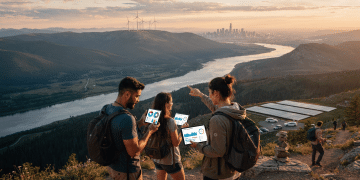
Community-Based Tourism U.S.: Ethical Engagement Models 2026
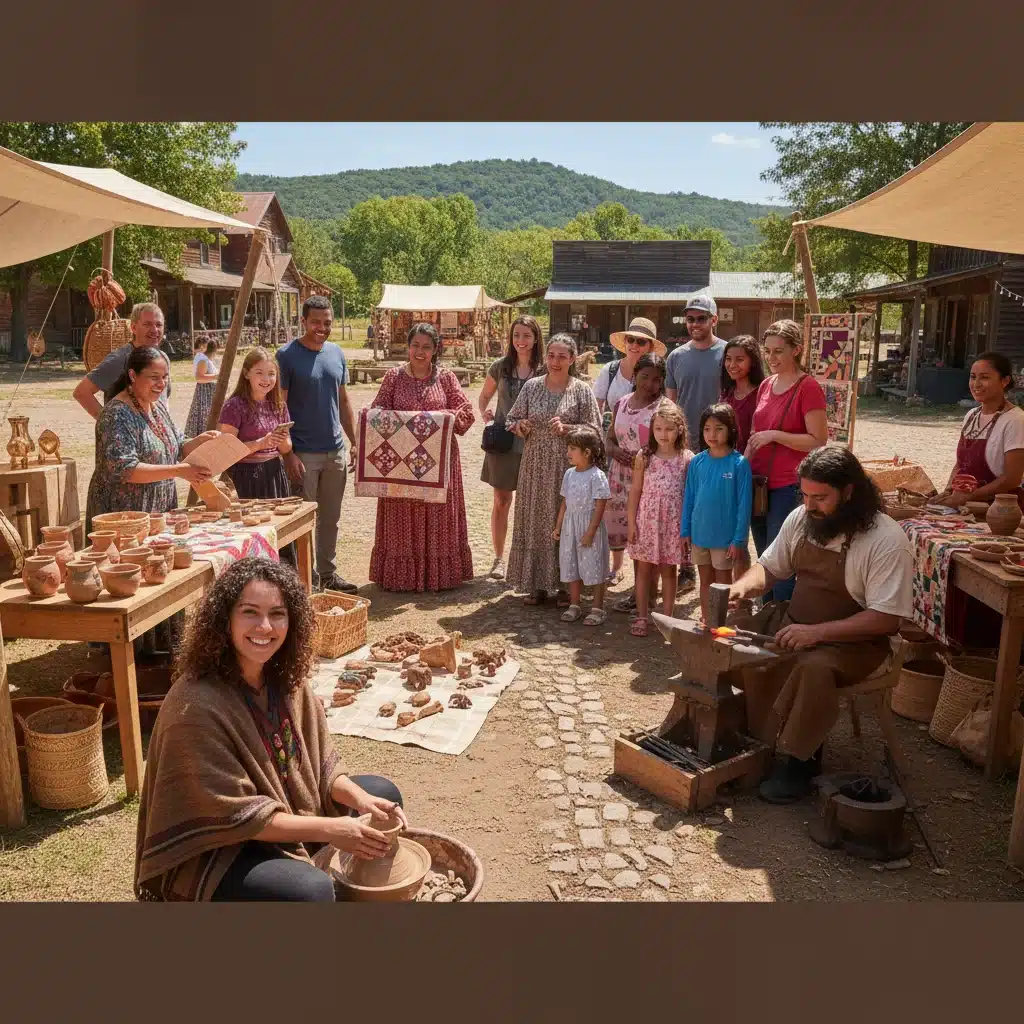
In an era where travelers increasingly seek meaningful connections and authentic experiences, Community-Based Tourism US is rapidly gaining traction. Beyond the typical tourist traps, a new paradigm of travel is emerging, one that prioritizes ethical engagement, cultural exchange, and direct benefits for local communities. By 2026, the United States is poised to witness the flourishing of several innovative community-based tourism models that redefine how we explore and interact with diverse regions and cultures across the nation. This comprehensive guide delves into five emerging models that are shaping the future of ethical travel in the U.S., offering insights into their structure, benefits, and the transformative experiences they provide.
The concept of Community-Based Tourism US centers on the idea that local communities should be at the heart of tourism development. This means they are not just recipients of tourist dollars, but active participants in shaping the visitor experience, ensuring that tourism is sustainable, respectful, and genuinely beneficial. This approach contrasts sharply with mass tourism, which often leads to cultural commodification, environmental degradation, and economic leakage, where profits bypass local residents.
As we look towards 2026, the demand for responsible and immersive travel experiences is set to surge. Travelers are becoming more conscious of their impact, seeking opportunities to contribute positively to the places they visit. This shift is driving the growth of community-based initiatives that offer unique, authentic encounters while empowering local populations and preserving their heritage. Let’s explore these exciting new frontiers in U.S. tourism.
The Rise of Ethical Travel: Why Community-Based Tourism US Matters
The global tourism landscape is undergoing a significant transformation. The COVID-19 pandemic, coupled with growing awareness of climate change and social inequality, has prompted a re-evaluation of travel priorities. Travelers are now more inclined to choose options that align with their values, seeking experiences that are not only enjoyable but also ethical and sustainable. This is where Community-Based Tourism US shines.
Ethical travel, at its core, is about minimizing negative impacts and maximizing positive ones. For communities, this often translates into economic empowerment, cultural preservation, and environmental stewardship. When tourism is community-led, decisions are made locally, ensuring that development is appropriate, equitable, and reflective of community needs and aspirations. This fosters a sense of ownership and pride, leading to more authentic and enriching experiences for both hosts and guests.
Furthermore, community-based tourism often provides economic opportunities in regions that might otherwise be overlooked by mainstream tourism. It can create jobs, support local businesses, and generate revenue that can be reinvested in community development projects, such as education, healthcare, and infrastructure. This holistic approach ensures that the benefits of tourism are widely distributed, contributing to the overall well-being of the community.
From a traveler’s perspective, ethical travel offers a deeper, more meaningful engagement with a destination. Instead of merely observing, visitors become active participants, learning directly from locals, sharing stories, and gaining a profound understanding of different cultures and ways of life. This kind of travel leaves a lasting impression, fostering empathy and a greater appreciation for the world’s diversity.
Model 1: Indigenous-Led Cultural Immersion Programs
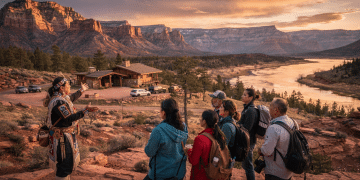
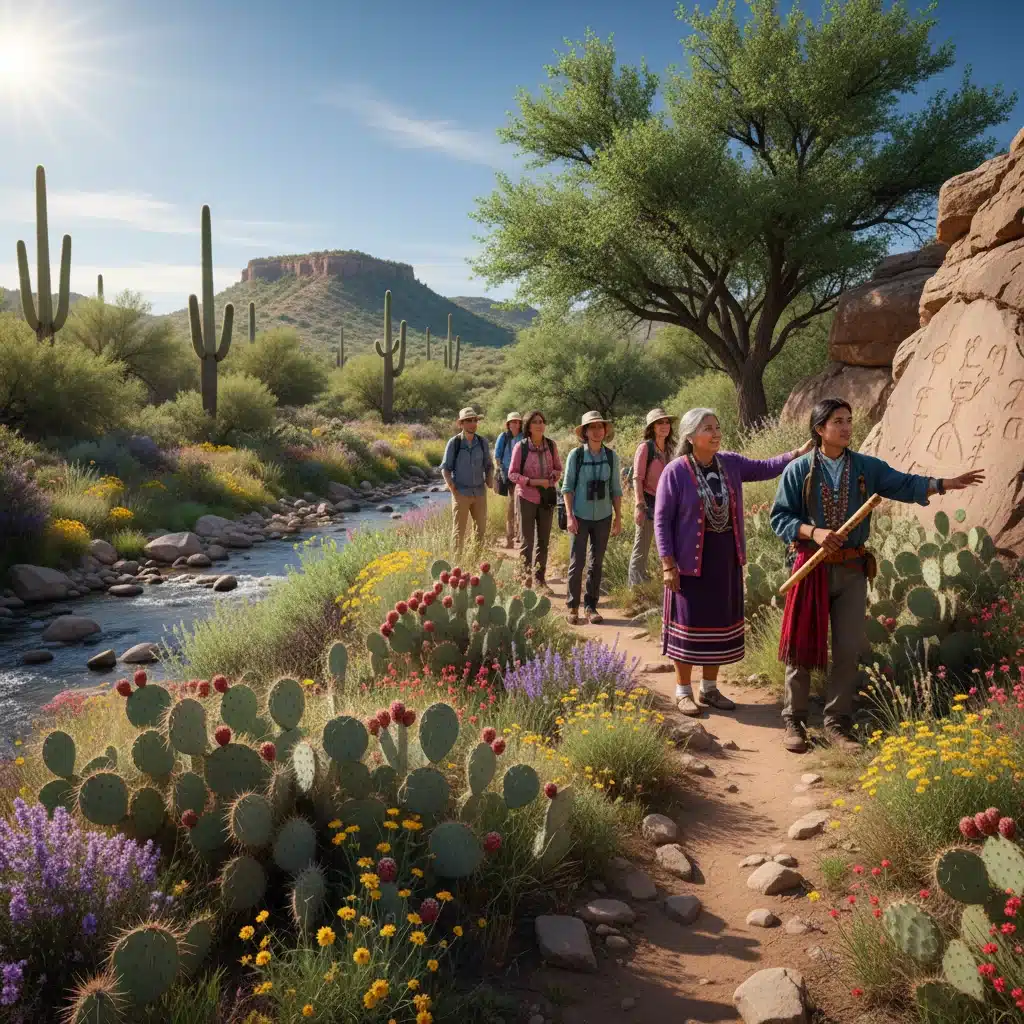
One of the most powerful and rapidly expanding models of Community-Based Tourism US involves Indigenous-led cultural immersion programs. These initiatives are designed and managed by Native American tribes and Indigenous communities, offering visitors an unparalleled opportunity to learn about their rich histories, traditions, and contemporary life directly from community members.
These programs go far beyond superficial demonstrations. They often include multi-day experiences where visitors can participate in traditional ceremonies, learn ancestral crafts, hear oral histories, and engage in land-based activities like foraging, fishing, or hiking with Indigenous guides. The focus is on authentic cultural exchange, respect for tribal sovereignty, and education.
By 2026, we anticipate a significant increase in the number and sophistication of these programs across the U.S., from the Southwest’s Pueblo communities to the Pacific Northwest’s coastal tribes and the Eastern Seaboard’s enduring nations. These initiatives not only generate vital economic revenue for communities but also serve as powerful tools for cultural revitalization, language preservation, and intergenerational knowledge transfer. They challenge stereotypes and foster a deeper understanding of Indigenous peoples’ contributions to American society.
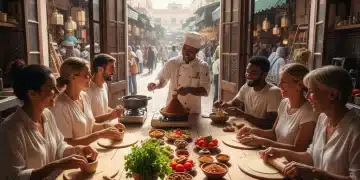
For example, some programs might involve staying in traditional dwellings, participating in cooking classes using indigenous ingredients, or joining guided tours that explain the ecological significance of sacred lands. The revenue generated often supports tribal enterprises, cultural centers, and educational initiatives. This model exemplifies how tourism can be a force for self-determination and cultural pride.
Model 2: Rural Agri-Tourism and Farm Stays
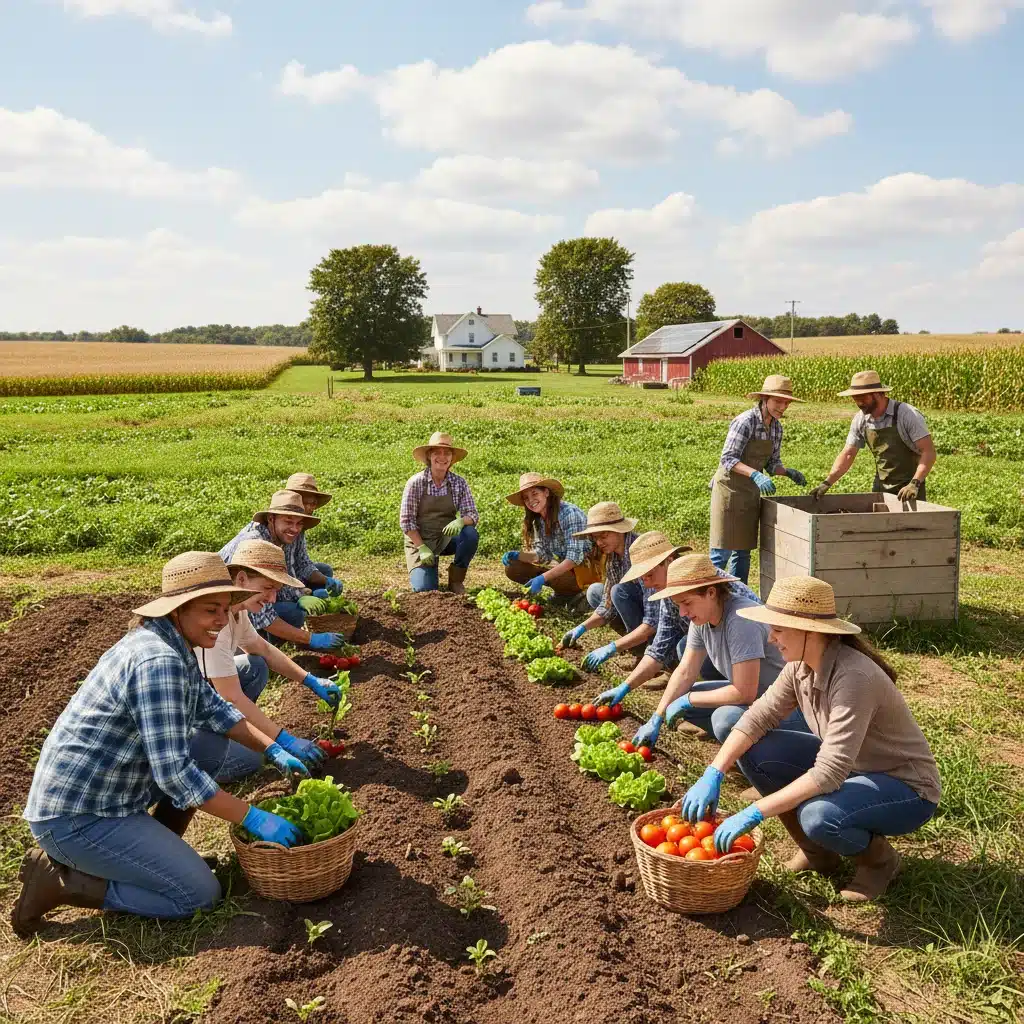
The American agricultural landscape offers a vast, untapped potential for Community-Based Tourism US, particularly through agri-tourism and farm stays. This model connects visitors directly with farmers and agricultural communities, allowing them to experience rural life, learn about food production, and appreciate the challenges and rewards of farming.
By 2026, we expect to see a surge in innovative agri-tourism offerings. These might include immersive farm stays where guests participate in daily chores, harvest crops, or learn about sustainable farming practices. Beyond traditional farms, this model also encompasses vineyards, orchards, dairies, and even aquaculture operations, each offering unique educational and recreational opportunities.
The benefits are multi-faceted. For farmers, it provides an additional revenue stream, helping to sustain small and family-owned operations in an increasingly competitive industry. It also allows them to educate the public about agriculture, fostering a greater appreciation for where food comes from and the importance of supporting local food systems. For visitors, it’s an escape from urban life, a chance to reconnect with nature, and a hands-on learning experience that can be particularly appealing to families.
Consider a traveler spending a weekend on a lavender farm in Oregon, learning about distillation and making essential oils, or assisting with cheesemaking on a dairy farm in Vermont. These experiences are not only memorable but also contribute directly to the economic viability of rural communities. The focus on local produce and crafts also encourages visitors to support local businesses, further strengthening the rural economy.
Model 3: Urban Neighborhood Revitalization Through Tourism
While often associated with rural settings, Community-Based Tourism US also has a significant role to play in urban environments, particularly in supporting neighborhood revitalization efforts. This model focuses on directing tourism to historically underserved or culturally rich urban neighborhoods, ensuring that the economic benefits directly empower residents and local businesses, rather than just large downtown corporations.
By 2026, we anticipate more cities embracing this approach, creating curated tours and experiences that highlight the unique history, art, cuisine, and entrepreneurial spirit of specific neighborhoods. These initiatives are often developed in collaboration with neighborhood associations, local artists, and small business owners, ensuring authenticity and community buy-in.
For example, visitors might take a guided walking tour through a historic Black neighborhood in the South, learning about its role in the Civil Rights movement, sampling local soul food, and visiting community-owned art galleries. Or they might explore a vibrant immigrant community in a major city, experiencing its diverse culinary scene and supporting family-run shops.
The key is to create tourism products that are respectful of the local culture and contribute to the neighborhood’s well-being. This can involve training local residents as tour guides, promoting local eateries and shops, and ensuring that a portion of the tourism revenue is reinvested in community projects. This model helps to combat gentrification by empowering existing residents and businesses, preserving the unique character of urban areas, and offering visitors a more nuanced and authentic understanding of city life beyond the main attractions.
Model 4: Conservation and Volunteer Tourism Partnerships
Another powerful emerging model in Community-Based Tourism US is the integration of conservation and volunteer tourism, where visitors contribute their time and skills to environmental or social projects while engaging with local communities. This goes beyond simple sightseeing, offering a chance for travelers to make a tangible positive impact.
By 2026, we expect to see an increase in partnerships between conservation organizations, national and state parks, and local communities to develop structured volunteer tourism programs. These programs could involve assisting with trail maintenance in a national forest, participating in wildlife monitoring in a coastal ecosystem, helping with habitat restoration, or contributing to community garden projects.
These experiences are often immersive, providing opportunities to live and work alongside local residents and conservationists. Participants gain a deeper understanding of ecological challenges and community needs, while their efforts provide much-needed support for conservation initiatives that might otherwise lack funding or manpower. This model appeals to travelers who are passionate about environmental stewardship and social responsibility, offering them a chance to combine their love for travel with a desire to contribute positively.
Imagine spending a week in rural Alaska assisting with salmon habitat restoration, learning about local fishing traditions from community members, or volunteering on a historical preservation project in a small New England town. These experiences create a sense of shared purpose and connection, fostering a deeper appreciation for the unique environments and cultures encountered. The financial contributions often support the operational costs of these conservation efforts, ensuring their long-term sustainability.
Model 5: Heritage and Storytelling Tourism in Historic Towns
The U.S. is rich with small towns and historic sites that hold incredible stories, yet often struggle to attract tourism beyond local day-trippers. The fifth emerging model for Community-Based Tourism US focuses on revitalizing these areas through immersive heritage and storytelling tourism, putting local voices and narratives at the forefront.
By 2026, we anticipate a growth in initiatives where historic towns, often with a strong sense of local identity, develop visitor experiences that are deeply rooted in their unique heritage. This involves training local residents as storytellers and guides, developing interactive exhibits that go beyond traditional museums, and creating opportunities for visitors to engage with the living history of the place.
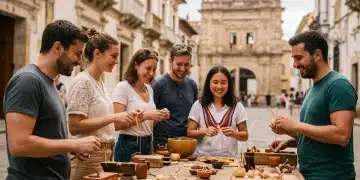
This model moves beyond simply presenting historical facts; it aims to create an emotional connection through personal narratives, local legends, and shared experiences. Visitors might participate in reenactments, attend workshops on traditional crafts, or join guided tours led by multi-generational residents who share their family’s history and connection to the town.
For example, a small mining town in the Rockies might offer tours led by descendants of original miners, sharing personal stories of hardship and resilience. A coastal village in the Northeast could host maritime heritage festivals where local fishermen share their experiences and traditions. These programs not only attract visitors seeking authentic cultural experiences but also provide economic opportunities for local artists, historians, and small businesses, helping to preserve the unique character and history of these towns.
The revenue generated from these tours and related activities can be reinvested in maintaining historic buildings, funding local arts programs, or supporting community archives. This ensures that the heritage itself becomes a sustainable asset, fostering pride and economic stability within the community.
Challenges and Opportunities for Community-Based Tourism US
While the future of Community-Based Tourism US looks promising, several challenges need to be addressed to ensure its successful and equitable growth. These include issues of funding, marketing, infrastructure development, and ensuring genuine community participation.
Funding: Many community-based initiatives operate on limited budgets. Securing initial capital for training, infrastructure, and marketing can be a significant hurdle. Government grants, philanthropic support, and innovative financing models will be crucial for their development.
Marketing and Distribution: Reaching the right audience can be challenging for small, independent community-based tourism operators. Developing effective marketing strategies, leveraging digital platforms, and partnering with responsible tour operators and travel agencies will be essential.
Infrastructure: Some remote or underserved communities may lack the necessary infrastructure (e.g., reliable transportation, accommodation, internet access) to support tourism. Investments in sustainable infrastructure development that benefits both residents and visitors are vital.
Authenticity and Commodification: A key challenge is to grow tourism without compromising the authenticity of the cultural experience or leading to the commodification of local traditions. Careful planning and strong community leadership are necessary to maintain ethical boundaries.
Capacity Building: Many communities may need support in developing tourism management skills, hospitality training, and language proficiency to effectively host visitors and manage their operations sustainably. Training programs and mentorship initiatives can play a critical role.
Despite these challenges, the opportunities for Community-Based Tourism US are immense. The growing demand for ethical and authentic travel presents a unique window for communities to leverage their unique assets – their culture, history, natural environment, and the warmth of their people – to create sustainable economic development and foster cross-cultural understanding. Collaboration between local governments, non-profits, private sector partners, and the communities themselves will be key to unlocking this potential.
Conclusion: A Brighter Future for Travel with Community-Based Tourism US
The landscape of travel in the United States is evolving, moving towards a more conscious, ethical, and community-centric approach. The five emerging models discussed – Indigenous-led cultural immersion, rural agri-tourism, urban neighborhood revitalization, conservation and volunteer tourism, and heritage and storytelling tourism – represent the vanguard of this shift. By 2026, these forms of Community-Based Tourism US will not only offer unparalleled, authentic experiences for travelers but also empower local communities, preserve cultural heritage, and promote environmental stewardship across the nation.
For travelers, this means a chance to move beyond the superficial and dive deep into the heart of America’s diverse cultures and landscapes. It’s an opportunity to connect with real people, learn their stories, and contribute directly to their well-being. For communities, it offers a pathway to sustainable development, cultural pride, and greater self-determination.
As we look to the future, supporting and participating in Community-Based Tourism US is more than just choosing a vacation; it’s an investment in a more equitable, respectful, and sustainable way of exploring the world. It’s about recognizing that the true richness of a destination lies not just in its sights, but in the vibrant lives and traditions of its people. Embrace this transformative approach to travel and be part of a movement that truly makes a difference.