Navigating US Domestic Flight Digital ID Requirements 2026
Understanding the New Digital ID Requirements for US Domestic Flights Starting January 2026
Travelers across the United States are increasingly accustomed to evolving security protocols at airports. From enhanced baggage screening to the nuances of what can and cannot be carried onboard, the landscape of air travel security is in constant flux. A significant shift on the horizon, slated for full implementation by January 2026, concerns the identification required for US domestic flights: the advent of digital ID requirements. This comprehensive guide aims to demystify these upcoming changes, providing you with all the essential information to ensure your future travels are as smooth and stress-free as possible. Understanding the new digital ID requirements for US domestic flights is not just about compliance; it’s about embracing a more efficient and secure travel future.
For years, the Transportation Security Administration (TSA) has been working towards modernizing airport security. The transition to digital ID for flights represents a major leap in this ongoing effort. While the initial focus has been on REAL ID compliance, the future clearly points towards a more integrated and technology-driven approach to identity verification. This article will delve into the specifics of what ‘digital ID’ means in the context of air travel, how it intersects with existing REAL ID mandates, and what steps you can take now to prepare for these pivotal changes.
The Evolution of Identification for US Domestic Flights
Before we dive into the specifics of digital ID for flights, it’s crucial to understand the journey that has led us to this point. For decades, a standard driver’s license or state-issued ID was sufficient for domestic air travel. However, the events of September 11, 2001, catalyzed a fundamental re-evaluation of airport security, leading to the creation of the Department of Homeland Security (DHS) and the TSA.
The REAL ID Act: A Foundation for Enhanced Security
The REAL ID Act, passed by Congress in 2005, was a direct response to the 9/11 Commission’s recommendation that the federal government “set standards for the issuance of sources of identification, such as driver’s licenses.” This act established minimum security standards for state-issued driver’s licenses and identification cards and prohibits federal agencies from accepting for certain purposes driver’s licenses and identification cards from states that do not meet these standards. Initially, the deadline for full enforcement was set for various dates, but it has been extended multiple times, with the current deadline for enforcement being May 7, 2025. This means that, starting on this date, every air traveler 18 years of age or older will need a REAL ID-compliant driver’s license or identification card, or another acceptable form of identification, to fly within the United States.
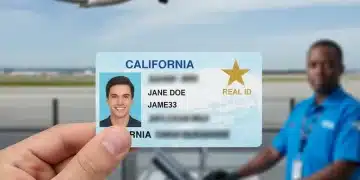
A REAL ID compliant card is typically marked with a star in the upper right-hand corner. These cards require more stringent verification of identity and residency than previous standard driver’s licenses. While the REAL ID Act is about the physical card’s security features and the process of obtaining it, it lays the groundwork for the next logical step: the secure digital representation of that identity.
Why the Shift to Digital ID for Flights?
The move towards digital ID for flights is driven by several key factors:
- Enhanced Security: Digital IDs can incorporate advanced encryption and biometric data, making them significantly harder to counterfeit or tamper with than physical cards. This adds an extra layer of security to the identity verification process.
- Increased Efficiency: The manual inspection of physical IDs can be time-consuming. Digital IDs, especially those integrated with biometric scanning, promise faster processing times at security checkpoints, reducing wait times for travelers.
- Convenience: For many travelers, carrying a physical wallet is becoming less common. Having a secure digital ID on a smartphone or other mobile device offers unparalleled convenience.
- Reduced Contact: In a post-pandemic world, minimizing physical contact during security checks is an added benefit, contributing to public health and safety.
- Future-Proofing: As technology advances, a digital identity framework allows for greater flexibility and adaptation to new security threats and technological innovations.
The January 2026 deadline for digital ID requirements for US domestic flights is not a sudden announcement but rather the culmination of years of research, pilot programs, and strategic planning by the TSA and other federal agencies. It signifies a major step towards a fully modernized travel experience.
What Exactly is a Digital ID?
When we talk about digital ID for flights, it’s important to clarify what this encompasses. It’s not simply a photograph of your driver’s license on your phone. A true digital ID is a secure, verifiable, and often encrypted representation of your identity that can be accessed and authenticated electronically.
Mobile Driver’s Licenses (mDLs)
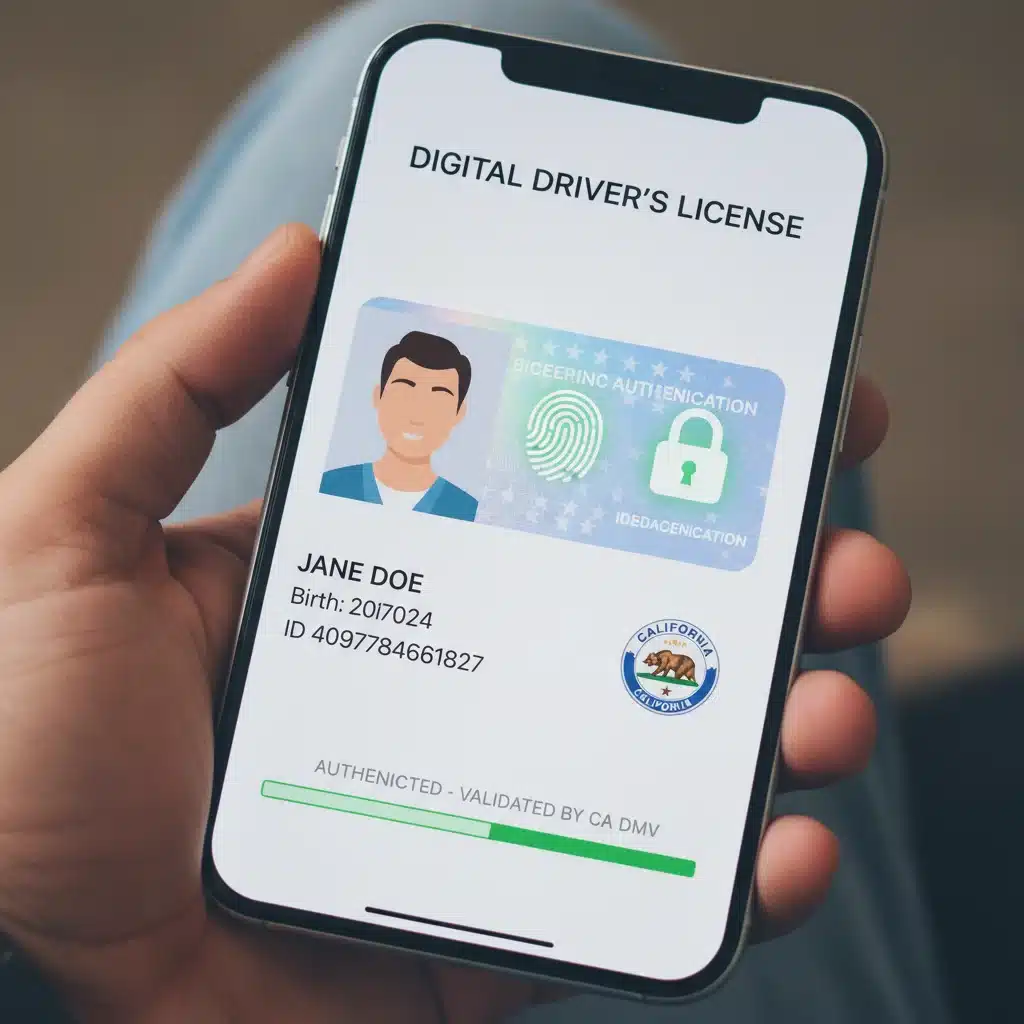
The most prominent form of digital ID currently being explored and adopted for travel is the Mobile Driver’s License (mDL). Several states have already begun offering mDLs, which are digital versions of your state-issued driver’s license or identification card stored securely on your smartphone or other mobile device. These are not static images but dynamic, cryptographically secured credentials that can be verified by authorized readers.
Key features of mDLs include:
- Security: mDLs use advanced encryption and digital signatures to prevent fraud and tampering. They are designed to be more secure than physical cards.
- Privacy: Users can often control what information is shared. For example, when verifying age for alcohol purchase, an mDL might only confirm ‘over 21’ without revealing the exact birthdate. For airport security, the relevant identity data would be shared securely.
- Verification: mDLs are designed to be verifiable offline and online, allowing for flexible use cases.
- Biometric Integration: Many mDL apps integrate with the device’s biometric security (fingerprint, facial recognition) to unlock the digital ID, adding another layer of protection.
The adoption of mDLs is a state-by-state process, and not all states currently offer them. However, the federal push for digital ID for flights is likely to accelerate their availability and interoperability across the nation.
TSA PreCheck and CLEAR as Precursors
Programs like TSA PreCheck and CLEAR, while not digital IDs in themselves, have paved the way for the acceptance of expedited identity verification. TSA PreCheck allows pre-vetted travelers to go through an abbreviated security screening process. CLEAR uses biometric data (fingerprints and iris scans) to verify a traveler’s identity, allowing them to bypass the initial ID check line. These programs have familiarized travelers and the TSA with faster, technology-driven identity solutions, setting the stage for a broader implementation of digital ID for flights.
Preparing for Digital ID Requirements for US Domestic Flights by January 2026
With January 2026 rapidly approaching, it’s prudent for travelers to start considering how these changes will impact them. While the full scope of implementation is still being finalized, there are proactive steps you can take.
Ensure REAL ID Compliance First
The most immediate and crucial step is to ensure you possess a REAL ID-compliant driver’s license or state ID. Remember, the May 7, 2025, deadline for REAL ID enforcement precedes the digital ID mandate. If you don’t have a REAL ID yet, make it a priority to visit your local DMV or equivalent agency to obtain one. This will be the foundation upon which digital ID solutions will likely be built.
Monitor Your State’s mDL Program
Keep an eye on whether your state motor vehicle agency (DMV, BMV, etc.) offers or plans to offer a Mobile Driver’s License (mDL). As more states roll out these programs, you’ll want to understand the process for obtaining one. Typically, this involves downloading a secure app, verifying your identity, and linking your physical driver’s license. The goal is that these state-issued mDLs will be the primary form of digital ID accepted at airports.
Understand TSA’s Digital ID Initiatives
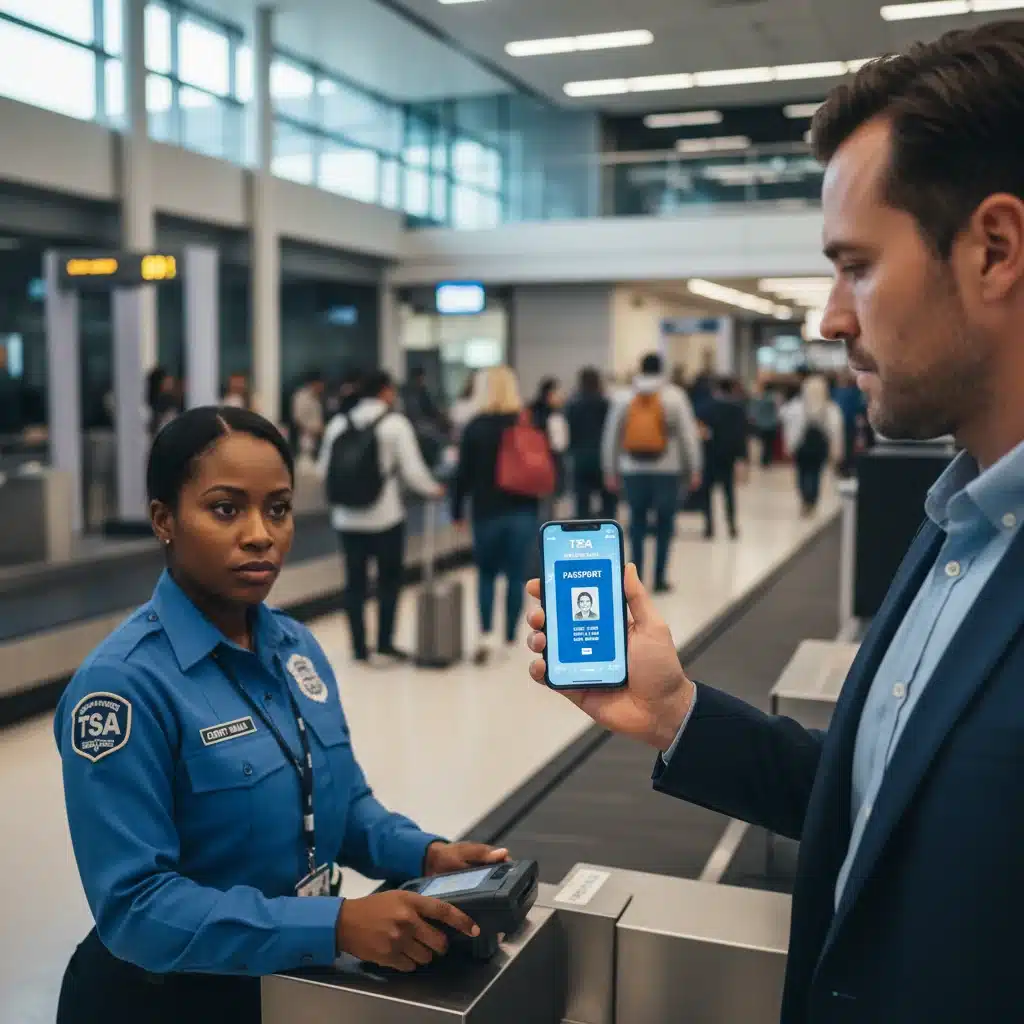
The TSA has been running pilot programs at select airports, testing various digital ID solutions. These trials involve travelers using mobile IDs at identity verification checkpoints. The feedback from these pilots will inform the nationwide rollout. Stay informed by checking the official TSA website for updates on accepted digital ID formats and participating airports.
Consider Trusted Traveler Programs
If you’re a frequent flyer, enrolling in TSA PreCheck or CLEAR can offer significant advantages and familiarize you with advanced identity verification processes. These programs also provide alternative acceptable forms of identification for domestic travel.
What About Travelers Without Smartphones or Digital Access?
A critical question often arises: what about individuals who do not own smartphones or prefer not to use digital IDs? The TSA has consistently stated that physical forms of identification will continue to be accepted. The digital ID initiative is meant to offer an additional, more efficient option, not to replace traditional IDs entirely. Therefore, even after January 2026, a REAL ID-compliant physical driver’s license or other acceptable forms of ID (such as a U.S. passport or military ID) will still be valid for domestic air travel. The goal is to provide choice and enhance efficiency, not to exclude any segment of the traveling public.
The Benefits and Challenges of Digital ID for Flights
While the transition to digital ID for flights promises numerous advantages, it also comes with its own set of challenges that need to be addressed for a successful rollout.
Benefits:
- Streamlined Security Process: Faster verification means shorter lines and a more pleasant airport experience.
- Enhanced Privacy Control: Digital IDs can be designed to share only the necessary information for a given transaction, reducing oversharing of personal data.
- Improved Accuracy: Digital verification can reduce human error in ID checks.
- Environmental Impact: Reducing the reliance on physical cards can have a minor positive environmental impact.
- Increased Resilience: Digital IDs are harder to lose, steal, or damage than physical cards. If your phone is lost, the digital ID can often be remotely deactivated and reissued.
Challenges:
- Interoperability: Ensuring that digital IDs issued by different states can be universally read and verified by TSA systems across all airports is a significant technical hurdle.
- Security Concerns: While digital IDs are designed to be secure, any digital system is susceptible to cyber threats. Robust cybersecurity measures are paramount.
- Equity and Access: Ensuring that all citizens, regardless of their access to technology or digital literacy, can comply with the requirements is crucial. As mentioned, physical IDs will remain an option.
- Public Adoption: Educating the public and encouraging widespread adoption will require effective communication and a user-friendly experience.
- Device Dependency: The reliance on personal mobile devices means travelers must ensure their devices are charged and functional. Contingency plans for dead batteries or lost phones will be necessary.
The successful implementation of digital ID for flights will depend on how effectively these challenges are addressed through careful planning, robust technology, and clear communication with the public.
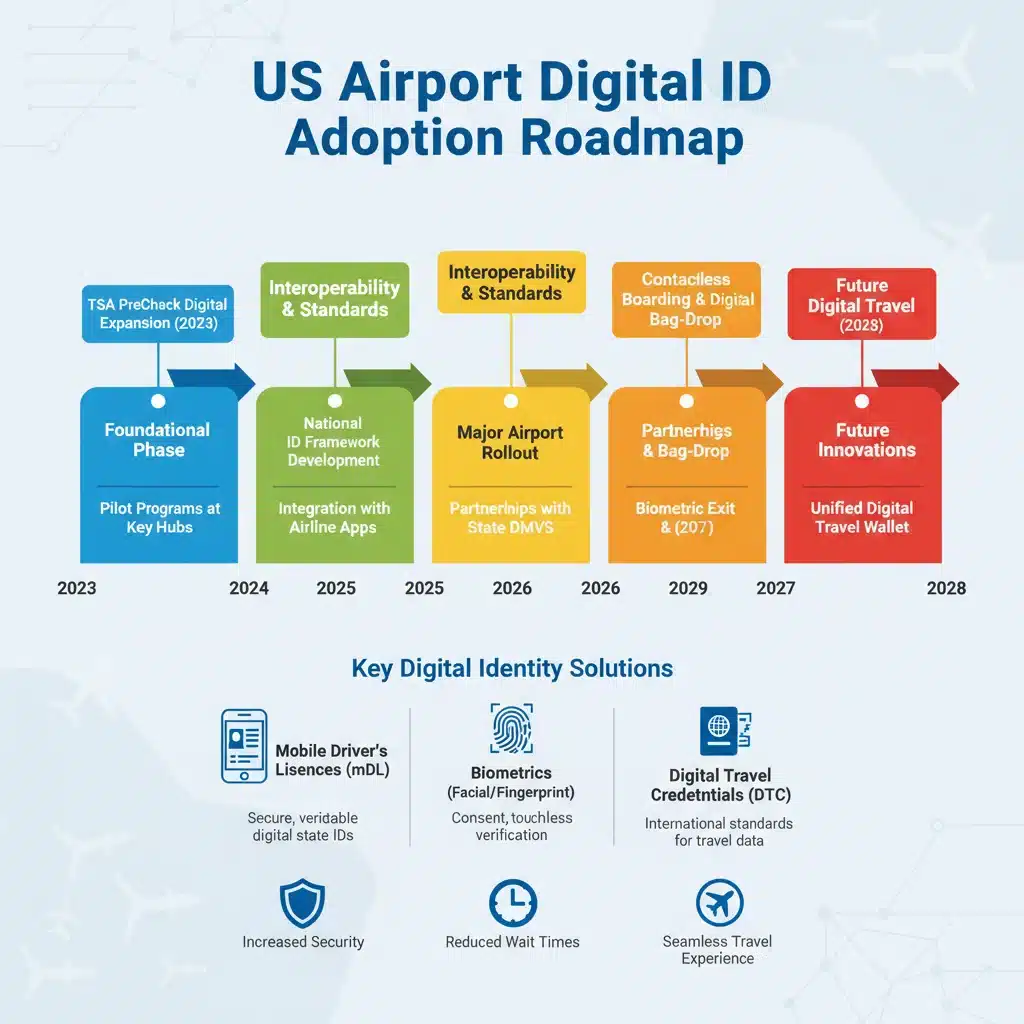
Beyond 2026: The Future of Digital Identity in Travel
The introduction of digital ID requirements for US domestic flights by January 2026 is just one piece of a larger puzzle. The long-term vision extends beyond simply showing your ID at the checkpoint.
Seamless Travel Experience
Imagine a future where your digital ID is integrated with your flight booking, allowing for a truly seamless journey from curb to gate. This could mean:
- Bag Drop: Your digital ID verifies your identity at automated bag drop stations.
- Lounge Access: Use your digital ID for entry into airline lounges.
- Boarding: Board your flight with a quick scan of your digital ID or even facial recognition linked to it.
- Beyond the Airport: The same digital ID could potentially be used for other identity-dependent transactions, such as hotel check-ins or car rentals.
This vision of ‘seamless travel’ is already being explored through various pilot programs and international standards work. The goal is to reduce friction points and enhance the overall travel experience while maintaining or improving security.
International Standards and Interoperability
The push for digital ID is not unique to the United States. Many countries are exploring or implementing similar solutions. International standards organizations, such as the International Civil Aviation Organization (ICAO), are working on frameworks to ensure that digital IDs can be recognized and verified across borders, potentially paving the way for digital ID use in international travel in the distant future.
Data Privacy and Security are Paramount
As more of our identity moves into the digital realm, concerns about data privacy and security will naturally grow. Any widespread digital ID system must be built on principles of privacy by design, ensuring that personal data is protected, used only for its intended purpose, and that individuals have control over their information. Transparency about how data is collected, stored, and used will be crucial for building public trust.
Actionable Steps for Travelers
To ensure you’re fully prepared for the digital ID requirements for US domestic flights by January 2026, here are some actionable steps:
- Check Your REAL ID Status: Verify if your current driver’s license or state ID is REAL ID compliant. If not, plan to obtain one well before the May 7, 2025, deadline.
- Stay Informed on mDLs: Regularly check your state’s Department of Motor Vehicles (DMV) website for updates on Mobile Driver’s License availability and how to apply.
- Monitor TSA Announcements: Visit the official TSA website (tsa.gov) frequently for the latest information regarding digital ID acceptance, pilot programs, and implementation timelines.
- Consider Trusted Traveler Programs: If you’re a frequent flyer, enrolling in TSA PreCheck or CLEAR can offer significant advantages and familiarize you with advanced identity verification processes.
- Protect Your Devices: Ensure your smartphone is always charged when traveling and has robust security measures (passcode, biometrics) enabled, especially if you plan to use it for digital ID.
- Have a Backup: Always carry an alternative, acceptable form of identification (e.g., U.S. passport) in case of technical issues with your digital ID or mobile device.
Conclusion: Embracing the Future of Air Travel
The transition to digital ID requirements for US domestic flights by January 2026 represents a significant milestone in the modernization of air travel security. While change can sometimes feel daunting, this evolution promises a future of more secure, efficient, and convenient journeys for millions of travelers. By understanding the underlying principles, staying informed about implementation details, and taking proactive steps to prepare, you can confidently navigate these new requirements.
Remember, the goal is not to complicate travel but to enhance it. Digital ID for flights is poised to become an integral part of the seamless travel experience, allowing you to spend less time worrying about security lines and more time enjoying your destination. Embrace the future of travel, and get ready for a smoother journey ahead!