Micro-Adventures & US Travel Trends 2026: The New Exploration
The travel landscape is a dynamic tapestry, constantly reweaving itself with new threads of desire, technology, and global consciousness. As we cast our gaze towards 2026, the United States is poised for a fascinating evolution in how its citizens and visitors explore its vast and varied terrains. The era of grand, extravagant international trips is making way for a more nuanced, intentional, and often closer-to-home approach. This shift is giving rise to a series of compelling US Travel Trends 2026 that promise to redefine our understanding of adventure, relaxation, and connection.
From the allure of brief yet impactful micro-adventures to a profound commitment to sustainable practices, the future of American travel is not just about where we go, but how we go. It’s about seeking authenticity, embracing wellness, and discovering the hidden gems in our own backyards. This comprehensive exploration will delve into the five most impactful US Travel Trends 2026, offering insights into what these shifts mean for travelers, destinations, and the industry as a whole.
Understanding these trends is crucial for anyone planning their next getaway, for businesses looking to adapt and thrive, and for destinations aiming to attract the modern traveler. By 2026, the emphasis will firmly be on experiences that are not only memorable but also meaningful, responsible, and deeply personal. Let’s embark on this journey to uncover the future of American exploration.
The Rise of Micro-Adventures: 5 US Travel Trends Shaping 2026
1. The Micro-Adventure Movement: Big Experiences in Small Packages
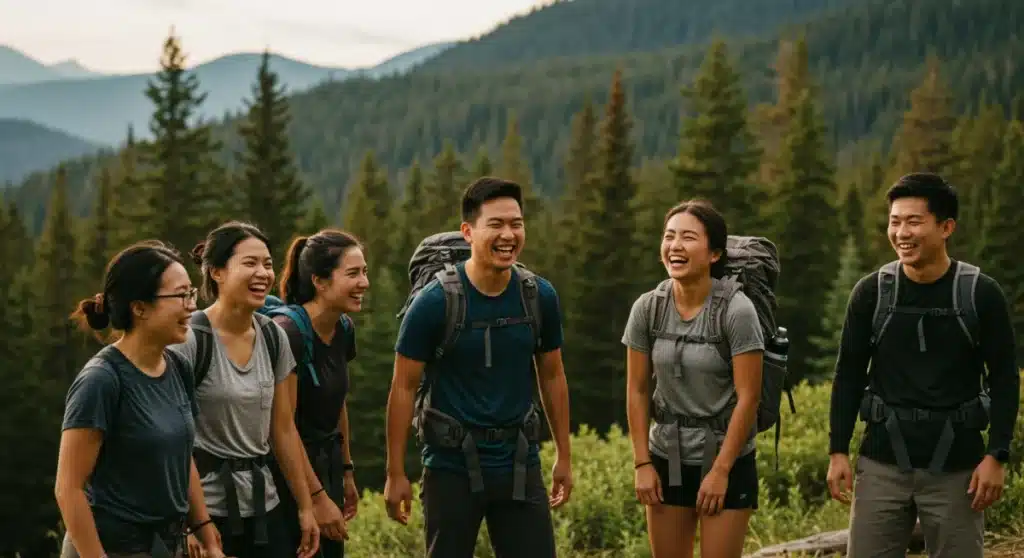
One of the most prominent US Travel Trends 2026 is the undeniable surge of the micro-adventure movement. Gone are the days when ‘adventure’ exclusively meant a month-long trek across continents or an expensive, elaborate safari. Today’s traveler, often constrained by time, budget, or a desire for more frequent escapades, is embracing the power of the micro-adventure. These are short, localized bursts of exploration – a weekend camping trip to a nearby state park, a day-long hike up a challenging peak, an overnight kayak trip, or even an urban exploration of a new neighborhood with a specific theme.
The appeal of micro-adventures lies in their accessibility and immediate gratification. They don’t require extensive planning, significant financial outlay, or long periods away from work or family. Instead, they offer a powerful antidote to the stresses of daily life, providing a sense of accomplishment, connection with nature, and a much-needed mental reset. This trend is fueled by a desire to maximize leisure time, explore closer to home, and perhaps even ‘test the waters’ for more ambitious future trips.
For destinations, this means a renewed focus on local and regional attractions. State parks, national forests, scenic trails, and even city green spaces are becoming prime locations for these smaller-scale explorations. Businesses are adapting by offering tailored packages, such as guided day hikes, glamping experiences, or themed urban scavenger hunts. The micro-adventure isn’t just a trend; it’s a lifestyle choice, emphasizing that adventure isn’t about distance, but about mindset and a willingness to explore the world around us, one small, exhilarating step at a time. This focus on immediate, local gratification is a cornerstone of the evolving US Travel Trends 2026.
The psychological benefits of micro-adventures are profound. They break the monotony of routine, inject novelty into daily life, and foster a deeper appreciation for one’s immediate surroundings. In a world that often feels overwhelming, the simplicity and attainability of a micro-adventure offer a refreshing escape. It’s about finding the extraordinary in the ordinary, turning a regular weekend into an unforgettable journey. This shift in perception is a key driver behind the prominence of this particular trend among the US Travel Trends 2026. As people continue to prioritize mental well-being and work-life balance, the demand for accessible, impactful escapes will only grow, solidifying the micro-adventure as a cornerstone of future travel patterns.
2. The Conscious Traveler: Sustainability and Ethical Choices
As global awareness of environmental and social issues intensifies, the conscious traveler will be a dominant force among US Travel Trends 2026. This segment of travelers is not just looking for a beautiful destination; they are actively seeking experiences that align with their values of sustainability, ethical responsibility, and community support. This means a significant shift in booking decisions, with travelers prioritizing eco-friendly accommodations, responsible tour operators, and businesses that genuinely contribute to local economies.
Sustainable travel encompasses a broad spectrum of practices, from minimizing carbon footprints by choosing public transport or electric vehicles, to supporting local artisans and businesses, and engaging in voluntourism. Destinations that embrace and promote sustainable practices, such as waste reduction, renewable energy use, and conservation efforts, will gain a competitive edge. There’s a growing demand for transparency, with travelers wanting to understand the environmental and social impact of their choices.
This trend also extends to a deeper respect for local cultures and traditions. The conscious traveler seeks authentic interactions, keen to learn and contribute rather than merely observe. This could manifest as choosing homestays over large chain hotels, participating in cultural workshops, or dining at establishments that source ingredients locally. The tourism industry is responding by developing certifications for sustainable practices, offering carbon offset programs, and promoting immersive, culturally sensitive experiences. The conscious traveler is not just visiting; they are engaging, learning, and striving to leave a positive impact, making this one of the most transformative US Travel Trends 2026.
The rise of the conscious traveler also reflects a broader societal movement towards mindful consumption. People are increasingly scrutinizing the origins and impacts of everything they purchase, and travel is no exception. This isn’t just a niche market; it’s becoming a mainstream expectation. Destinations and operators that fail to adapt to these evolving ethical considerations risk falling behind. From promoting responsible wildlife viewing to investing in community-based tourism initiatives, the emphasis on doing good while traveling will be paramount. This ethical imperative is a defining characteristic of the US Travel Trends 2026, pushing the industry towards a more responsible and equitable future.
3. The Pursuit of Wellness: Rejuvenation as a Priority
In an increasingly fast-paced and demanding world, the pursuit of wellness has transcended a passing fad to become a fundamental aspect of life, deeply influencing US Travel Trends 2026. Travelers are no longer just looking to escape; they are actively seeking opportunities for rejuvenation, mental clarity, and physical well-being. This trend manifests in a variety of forms, from serene spa retreats and yoga getaways to adventurous outdoor activities designed to invigorate the body and mind.
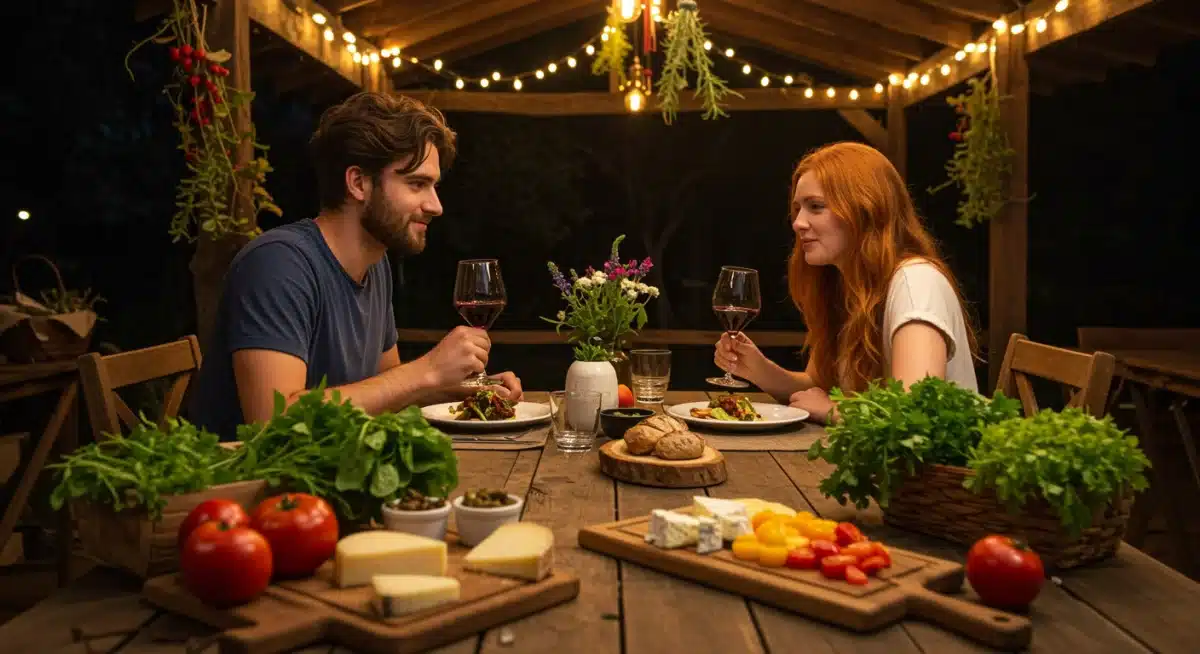
Wellness travel extends beyond traditional spa treatments. It encompasses experiences that nourish the soul, such as silent retreats, forest bathing, digital detox programs, and even culinary tours focused on healthy, locally sourced food. Destinations are capitalizing on this by offering bespoke wellness packages, integrating nature-based therapies, and creating environments conducive to relaxation and introspection. National parks and wilderness areas, with their inherent tranquility, are becoming prime locations for these restorative journeys.
The emphasis is on holistic well-being, recognizing the interconnectedness of physical, mental, and emotional health. Travelers are seeking personalized programs, expert guidance, and authentic experiences that allow them to disconnect from daily stressors and reconnect with themselves. This could involve mindfulness workshops in a desert oasis, guided meditation sessions by the ocean, or challenging hikes that push physical boundaries while offering breathtaking natural beauty. The blending of adventure with therapeutic elements is a key characteristic of this trend.
This focus on self-care and personal growth is not just for a specific demographic; it appeals to a broad range of travelers, from stressed professionals to empty nesters seeking new purpose. The wellness industry is booming, and travel is its natural extension, making it a critical component of the US Travel Trends 2026. As individuals become more proactive about their health, travel will increasingly be viewed as a vital tool for maintaining balance and enhancing quality of life. The integration of technology in wellness travel, such as wearable devices tracking progress or apps guiding meditation, will also evolve, offering personalized and data-driven wellness journeys. This evolution underscores the deep integration of wellness into the fabric of future travel experiences.
4. Hyper-Local Immersion: Beyond the Tourist Traps
One of the most exciting US Travel Trends 2026 is the pronounced shift towards hyper-local immersion. Travelers are increasingly wary of generic, mass-produced tourist experiences and are instead craving authentic, grassroots encounters that offer a true taste of a destination’s culture and community. This means venturing beyond the well-worn paths and delving into the heart of local life, seeking out hidden gems and genuine connections.
This trend is driven by a desire for authenticity and a rejection of the superficial. Travelers want to eat where the locals eat, shop where the locals shop, and understand the daily rhythms of the communities they visit. This could involve staying in boutique guesthouses run by local families, participating in community events, taking cooking classes with local chefs, or exploring neighborhoods historically overlooked by mainstream tourism. The goal is to feel less like a visitor and more like a temporary resident, gaining a deeper understanding and appreciation for the local way of life.
Technology plays a crucial role in facilitating hyper-local immersion. Peer-to-peer platforms connect travelers with local hosts offering unique experiences, from guided neighborhood walks to home-cooked meals. Social media also allows travelers to discover off-the-beaten-path attractions and connect with local experts. Destinations are responding by promoting their unique cultural heritage, supporting small businesses, and creating opportunities for meaningful interactions between visitors and residents.
The hyper-local immersion trend is not just about finding hidden spots; it’s about fostering respect and understanding. It encourages travelers to engage with the nuances of a place, to appreciate its distinct character, and to contribute directly to its local economy. This movement away from standardized tourism towards personalized, authentic exploration is a defining characteristic of the evolving US Travel Trends 2026. It represents a maturation of the travel experience, where depth and meaning take precedence over mere sightseeing. The storytelling aspect of local guides, who can share personal anecdotes and historical context, becomes invaluable, transforming a simple visit into a profound learning experience. This desire for narrative and connection further propels the hyper-local immersion trend.

5. Tech-Enhanced & Seamless Journeys: The Digital Integration
While the previous trends focus on experiential and ethical aspects, the fifth critical element shaping US Travel Trends 2026 is the continued and accelerating integration of technology to create seamless, personalized, and efficient travel experiences. From the initial planning stages to the return home, digital tools will play an even more pervasive and intuitive role, enhancing every step of the journey.
Artificial intelligence (AI) and machine learning will power highly personalized travel recommendations, anticipating traveler preferences based on past behavior, interests, and even real-time data. Imagine an AI concierge suggesting a local micro-adventure based on your current location, weather conditions, and energy levels. Virtual reality (VR) and augmented reality (AR) will offer immersive previews of destinations, helping travelers make informed decisions and build anticipation. AR could also enhance on-site experiences, providing interactive guides or historical overlays at landmarks.
Contactless technology, accelerated by recent global health concerns, will become standard across airports, hotels, and attractions. Mobile check-ins, keyless entry, digital payment systems, and even biometric identification will streamline processes, reducing friction and wait times. Furthermore, smart infrastructure in cities and national parks will provide real-time information on crowd levels, traffic, and available services, allowing travelers to navigate more efficiently and avoid congestion.
The emphasis will be on creating an effortless flow, where technology acts as an invisible assistant, anticipating needs and solving problems before they arise. From smart luggage tracking to real-time translation apps, the goal is to remove barriers and allow travelers to fully immerse themselves in their experiences without logistical worries. Data security and privacy will also be paramount, with robust systems in place to protect traveler information. This sophisticated integration of digital solutions is not just about convenience; it’s about empowering travelers and enriching their journeys, solidifying its place as a transformative force in US Travel Trends 2026. The ability to manage bookings, itineraries, and even unforeseen changes through a single, intuitive platform will become a baseline expectation, fundamentally altering how trips are planned and executed.
The Intersection of Trends: A Holistic Approach to Travel
It’s important to recognize that these five US Travel Trends 2026 do not exist in isolation. In fact, their true power lies in their interconnectedness. A traveler embarking on a micro-adventure might choose a sustainable glamping site, engage in a wellness activity like forest bathing, and utilize smart technology to discover local, authentic dining experiences. The future of travel is not about choosing one trend over another, but about integrating these elements to create a holistic and deeply satisfying journey.
For the travel industry, this means a need for adaptive strategies that cater to these multi-faceted desires. Hotels might offer wellness packages that include guided local hikes and farm-to-table dining. Tour operators could design micro-adventure itineraries that emphasize sustainable practices and leverage technology for seamless booking and navigation. Destinations must market themselves not just on their attractions, but on their commitment to sustainability, their unique local culture, and their offerings for wellness and adventure.
The traveler of 2026 is more informed, more conscious, and more discerning than ever before. They seek value not just in price, but in the richness of their experiences, the positive impact they leave behind, and the personal growth they achieve. This evolution demands a responsive and innovative approach from all stakeholders in the travel ecosystem.
Preparing for the Future of US Travel
As we look ahead to 2026, the landscape of US travel is clearly shifting towards a more mindful, accessible, and technologically integrated future. The emphasis on micro-adventures caters to our busy lives, offering frequent, impactful escapes. The rise of the conscious traveler underscores a growing commitment to ethical and sustainable choices, pushing the industry towards greater responsibility. Wellness travel reflects a societal prioritization of health and inner peace, while hyper-local immersion speaks to a deeper hunger for authentic connection and cultural understanding. Finally, tech-enhanced journeys promise to make every aspect of travel smoother and more personalized.
For travelers, this means a wealth of new and exciting opportunities to explore the United States in ways that are more meaningful and aligned with personal values. It encourages us to look beyond the obvious, to discover the extraordinary in the everyday, and to connect with places and people on a deeper level. Whether it’s a weekend escape to a nearby natural wonder, a mindful retreat in a serene landscape, or an exploration of a vibrant local community, the future of travel in the US is rich with possibilities. These emerging US Travel Trends 2026 are not just predictions; they are reflections of a changing world and evolving human desires.
Embracing these trends means a richer, more responsible, and ultimately more rewarding travel experience for everyone involved. So, as you plan your next adventure, consider how these shifts might influence your choices and open up new avenues for exploration. The United States, with its incredible diversity of landscapes, cultures, and experiences, is ready to be rediscovered through the lens of these exciting new trends. The journey into 2026 and beyond promises to be an extraordinary one, filled with purpose, discovery, and unparalleled connection.